GORONYO COMMENDS SOKOTO GOVERNOR FOR DONATING 10 HILUX VEHICLES TO STRENGTHEN SECURITY ALONG SOKOTO–BADAGRY SUPERHIGHWAY
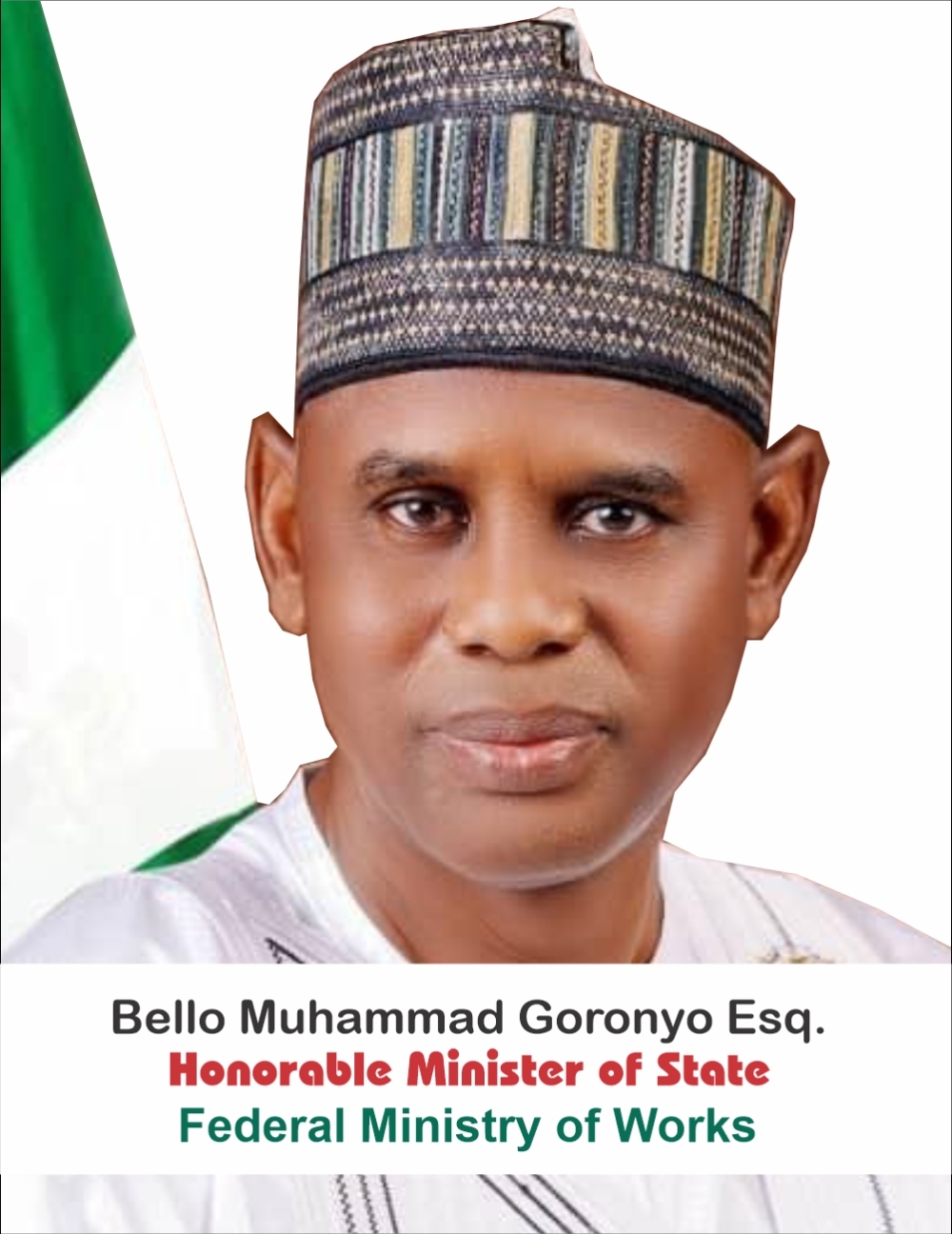
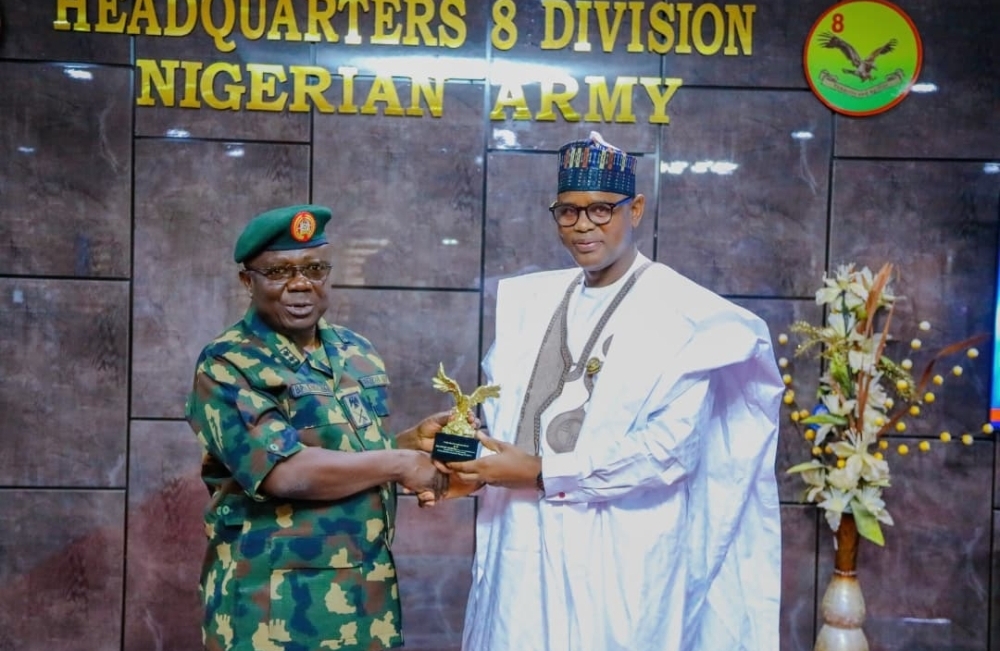
The Honourable Minister of State for Works, Rt. Hon. Bello Muhammad Goronyo, Esq., has commended the Governor of Sokoto State, Dr. Ahmed Aliyu Sokoto, PhD, for donating 10 operational Toyota Hilux vehicles to strengthen security operations along the Sokoto–Badagry Superhighway and other strategic infrastructure corridors.
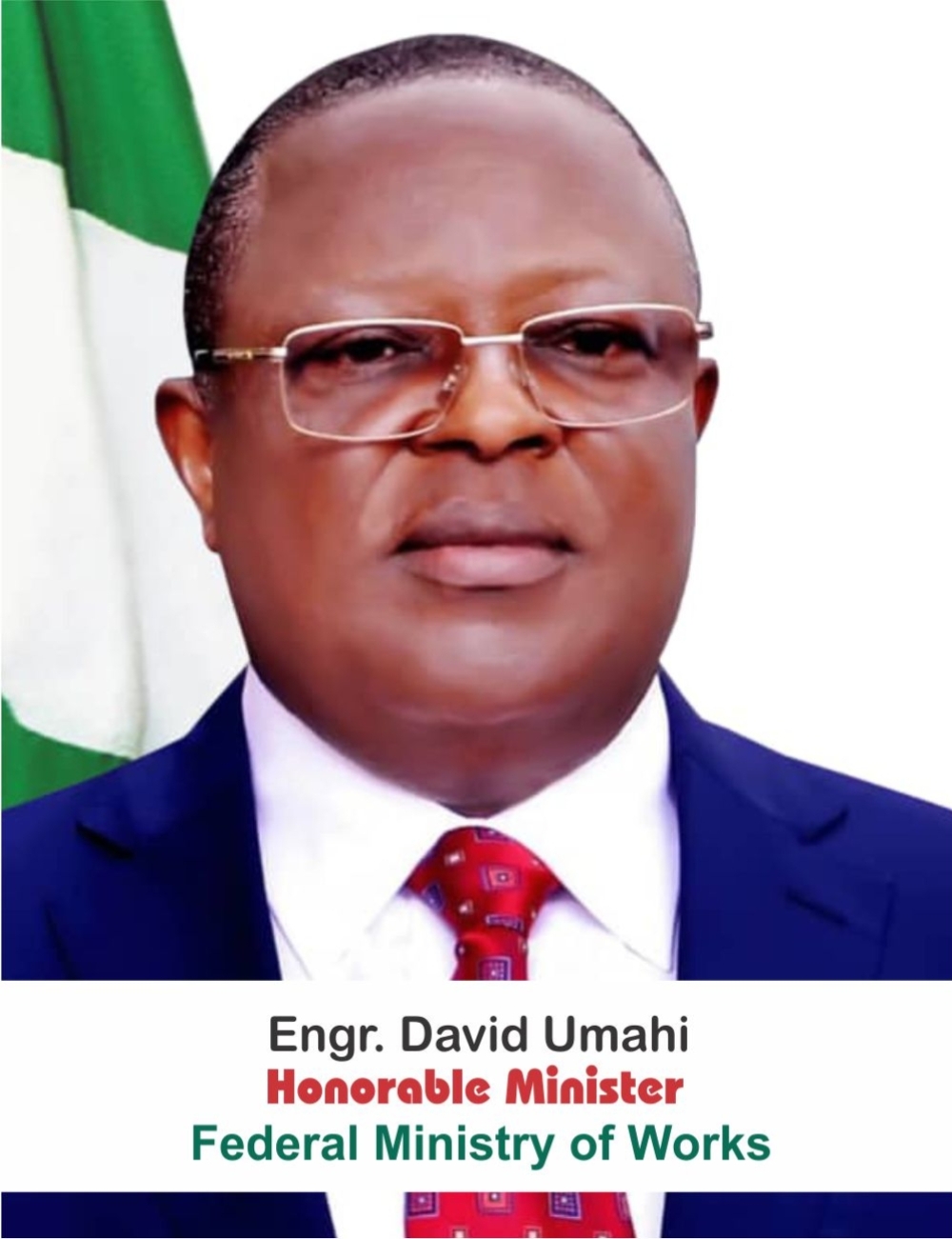
The vehicles were formally commissioned and handed over to the Nigerian Army at the Headquarters of the 8 Division, Nigerian Army, Sokoto, on Thursday, October 8, 2026, by the Honourable Minister of State for Works, on behalf of the Honourable Minister of Works, Engr. David Nweze Umahi, CON, FNSE.
The donation is expected to enhance the operational capacity of military personnel and other security agencies responsible for protecting construction workers, contractors, equipment and host communities along the highway corridor.
Speaking during the ceremony, Goronyo described the donation as a demonstration of the Sokoto State Government’s commitment to national development and the successful implementation of President Bola Ahmed Tinubu, GCFR’s Renewed Hope Agenda, particularly its landmark infrastructure projects.
The Minister emphasised that the Sokoto–Badagry Superhighway represents a long-standing national infrastructure vision that dates back several decades, with its conception traced to the era of former President Shehu Shagari in the 1970s. However, the vision remained unrealised for decades until the administration of President Bola Ahmed Tinubu, GCFR, initiated the construction of the 1,068-kilometre highway in October 2024.
He described the project as a significant step towards translating a historic aspiration into tangible infrastructure that will connect communities, expand economic opportunities and strengthen national integration.
According to Goronyo, President Tinubu’s commitment to the project demonstrates the Federal Government’s determination to bridge critical infrastructure gaps and improve connectivity between northern and southern Nigeria.
He noted that the superhighway, which traverses Sokoto, Kebbi, Niger, Kwara, Oyo, Ogun and Lagos states, is designed to facilitate the movement of people and goods, reduce transportation costs, stimulate trade, create employment and open up new economic opportunities along its route.
The Minister added that the highway would improve access to markets, schools, healthcare facilities and other essential services while supporting agriculture, commerce, industry and the development of communities across the corridor.
He stressed that the successful delivery of the project would require sustained commitment, effective coordination and cooperation among the Federal Government, state governments, security agencies, contractors and host communities.
Goronyo maintained that effective security remained essential to the timely and successful completion of the Sokoto–Badagry Superhighway. He explained that the provision of operational vehicles would strengthen the mobility and response capabilities of security personnel deployed to safeguard the project and its surrounding communities.
The Minister highlighted other strategic infrastructure projects being undertaken by the Federal Government, including the Lagos–Calabar Coastal Highway, the Calabar–Abuja/Trans-Saharan corridor, the Akwanga–Jos–Bauchi–Gombe corridor, the Abuja–Kaduna–Zaria–Kano route and the Zaria–Gusau–Sokoto corridor.
He explained that these projects form part of the Federal Government’s broader commitment to developing an integrated road network capable of supporting commerce, strengthening inter-state connections and accelerating national economic growth.
Rt. Hon. Goronyo further noted that the use of continuously reinforced concrete pavement on the Sokoto–Badagry Superhighway was intended to provide durable road infrastructure capable of serving Nigerians for decades. He added that complementary environmental and safety measures, including tree planting and solar-powered street lighting where provided for in the project, would contribute to environmental sustainability, visibility and road safety.
Goronyo commended the Nigerian Army and other security agencies for their resilience, professionalism and sacrifices in protecting lives, property and critical national infrastructure. He acknowledged the difficult conditions under which security personnel operate and urged them to remain steadfast in carrying out their constitutional responsibilities.
The Honourable Minister also expressed deep condolences to the Nigerian military over the reported loss of personnel in a bandit attack while on official duty the previous day. He described the loss as painful and extended his sympathy to the affected personnel, their colleagues and bereaved families, while praying for the peaceful repose of the departed and strength for their loved ones.
He further acknowledged the support of the National Security Adviser in addressing security challenges associated with the project, particularly through assistance and coordination aimed at strengthening security operations along the highway corridor.
Reaffirming his commitment to the Federal Government’s infrastructure development agenda, Goronyo said the Ministry of Works would continue to support the implementation of strategic projects under President Tinubu’s leadership, working in collaboration with relevant stakeholders to ensure their successful delivery.
He expressed optimism that the continued implementation of the Federal Government’s development programmes would bring lasting benefits to Nigerians, while acknowledging the complementary role of the Sokoto State Government in supporting infrastructure development and security.
In his remarks, the General Officer Commanding (GOC), 8 Division, Nigerian Army, Sokoto, Major General Bengba Paul Koughna, expressed appreciation to the Federal Government, the Federal Ministry of Works and the Sokoto State Government for the donation of the 10 Hilux vehicles.
The GOC noted that the vehicles would significantly enhance the operational mobility and response capabilities of troops deployed along the highway corridor, particularly across the approximately 440-kilometre section extending through Sokoto and Kebbi states.
He explained that troops conduct regular patrols and maintain multiple deployment points along the corridor, making the additional vehicles a valuable boost to their operational effectiveness.
He assured the Minister that the vehicles would be deployed appropriately to support security operations and protect construction workers, contractors, equipment and other stakeholders involved in the project.
The GOC also commended the representative of Hitech Construction Company, retired General Sa'ad Abubakar, for the company's involvement in the project.
The event was attended by retired Assistant Inspector-General of Police (AIG) Aliyu Garba, officials of the Federal Ministry of Works, representatives of the Sokoto State Government and other stakeholders.
The donation underscores the importance of sustained collaboration among the Federal Government, state governments, security agencies, contractors and host communities in addressing security challenges and ensuring the safe and timely delivery of strategic infrastructure projects.
The Federal Ministry of Works reiterates its commitment to working with all relevant stakeholders to protect national infrastructure and advance the objectives of President Bola Ahmed Tinubu, GCFR’s Renewed Hope Agenda for sustainable economic growth and development.

GORONYO COMMENDS SOKOTO GOVERNOR FOR DONATING 10 HILUX VEHICLES TO STRENGTHEN SECURITY ALONG SOKOTO–BADAGRY SUPERHIGHWAY The Honourable Minister of State for Works, Rt. Hon. Bello Muhammad Goronyo, Esq., has commended the Governor of Sokoto State, Dr. Ahmed Aliyu Sokoto, PhD, for donating 10 operational Toyota Hilux vehicles to strengthen security operations along the Sokoto–Badagry Superhighway and other strategic infrastructure corridors. The vehicles were formally commissioned and handed over to the Nigerian Army at the Headquarters of the 8 Division, Nigerian Army, Sokoto, on Thursday, October 8, 2026, by the Honourable Minister of State for Works, on behalf of the Honourable Minister of Works, Engr. David Nweze Umahi, CON, FNSE. Speaking during the ceremony, Goronyo described the donation as a demonstration of the Sokoto State Government’s commitment to national development and the successful implementation of President Bola Ahmed Tinubu, GCFR’s Renewed Hope Agenda, particularly its landmark infrastructure projects. The Minister emphasised that the Sokoto–Badagry Superhighway represents a long-standing national infrastructure vision that dates back several decades, with its conception traced to the era of former President Shehu Shagari in the 1970s. However, the vision remained unrealised for decades until the administration of President Bola Ahmed Tinubu, GCFR, initiated the construction of the 1,068-kilometre highway in October 2024. He described the project as a significant step towards translating a historic aspiration into tangible infrastructure that will connect communities, expand economic opportunities and strengthen national integration. According to Goronyo, President Tinubu’s commitment to the project demonstrates the Federal Government’s determination to bridge critical infrastructure gaps and improve connectivity between northern and southern Nigeria. The Minister added that the highway would improve access to markets, schools, healthcare facilities and other essential services while supporting agriculture, commerce, industry and the development of communities across the corridor. Goronyo maintained that effective security remained essential to the timely and successful completion of the Sokoto–Badagry Superhighway. He explained that the provision of operational vehicles would strengthen the mobility and response capabilities of security personnel deployed to safeguard the project and its surrounding communities. The Minister highlighted other strategic infrastructure projects being undertaken by the Federal Government, including the Lagos–Calabar Coastal Highway, the Calabar–Abuja/Trans-Saharan corridor, the Akwanga–Jos–Bauchi–Gombe corridor, the Abuja–Kaduna–Zaria–Kano route and the Zaria–Gusau–Sokoto corridor. Rt. Hon. Goronyo further noted that the use of continuously reinforced concrete pavement on the Sokoto–Badagry Superhighway was intended to provide durable road infrastructure capable of serving Nigerians for decades. He added that complementary environmental and safety measures, including tree planting and solar-powered street lighting where provided for in the project, would contribute to environmental sustainability, visibility and road safety. Goronyo commended the Nigerian Army and other security agencies for their resilience, professionalism and sacrifices in protecting lives, property and critical national infrastructure. He acknowledged the difficult conditions under which security personnel operate and urged them to remain steadfast in carrying out their constitutional responsibilities. The Honourable Minister also expressed deep condolences to the Nigerian military over the reported loss of personnel in a bandit attack while on official duty the previous day. He described the loss as painful and extended his sympathy to the affected personnel, their colleagues and bereaved families, while praying for the peaceful repose of the departed and strength for their loved ones. He further acknowledged the support of the National Security Adviser in addressing security challenges associated with the project, particularly through assistance and coordination aimed at strengthening security operations along the highway corridor. Reaffirming his commitment to the Federal Government’s infrastructure development agenda, Goronyo said the Ministry of Works would continue to support the implementation of strategic projects under President Tinubu’s leadership, working in collaboration with relevant stakeholders to ensure their successful delivery. He expressed optimism that the continued implementation of the Federal Government’s development programmes would bring lasting benefits to Nigerians, while acknowledging the complementary role of the Sokoto State Government in supporting infrastructure development and security. In his remarks, the General Officer Commanding (GOC), 8 Division, Nigerian Army, Sokoto, Major General Bengba Paul Koughna, expressed appreciation to the Federal Government, the Federal Ministry of Works and the Sokoto State Government for the donation of the 10 Hilux vehicles. The GOC noted that the vehicles would significantly enhance the operational mobility and response capabilities of troops deployed along the highway corridor, particularly across the approximately 440-kilometre section extending through Sokoto and Kebbi states. He explained that troops conduct regular patrols and maintain multiple deployment points along the corridor, making the additional vehicles a valuable boost to their operational effectiveness. He assured the Minister that the vehicles would be deployed appropriately to support security operations and protect construction workers, contractors, equipment and other stakeholders involved in the project. The GOC also commended the representative of Hitech Construction Company, retired General Sa'ad Abubakar, for the company's involvement in the project. The event was attended by retired Assistant Inspector-General of Police (AIG) Aliyu Garba, officials of the Federal Ministry of Works, representatives of the Sokoto State Government and other stakeholders. The Federal Ministry of Works reiterates its commitment to working with all relevant stakeholders to protect national infrastructure and advance the objectives of President Bola Ahmed Tinubu, GCFR’s Renewed Hope Agenda for sustainable economic growth and development.
The donation is expected to enhance the operational capacity of military personnel and other security agencies responsible for protecting construction workers, contractors, equipment and host communities along the highway corridor.
He noted that the superhighway, which traverses Sokoto, Kebbi, Niger, Kwara, Oyo, Ogun and Lagos states, is designed to facilitate the movement of people and goods, reduce transportation costs, stimulate trade, create employment and open up new economic opportunities along its route.
He stressed that the successful delivery of the project would require sustained commitment, effective coordination and cooperation among the Federal Government, state governments, security agencies, contractors and host communities.
He explained that these projects form part of the Federal Government’s broader commitment to developing an integrated road network capable of supporting commerce, strengthening inter-state connections and accelerating national economic growth.
The donation underscores the importance of sustained collaboration among the Federal Government, state governments, security agencies, contractors and host communities in addressing security challenges and ensuring the safe and timely delivery of strategic infrastructure projects.
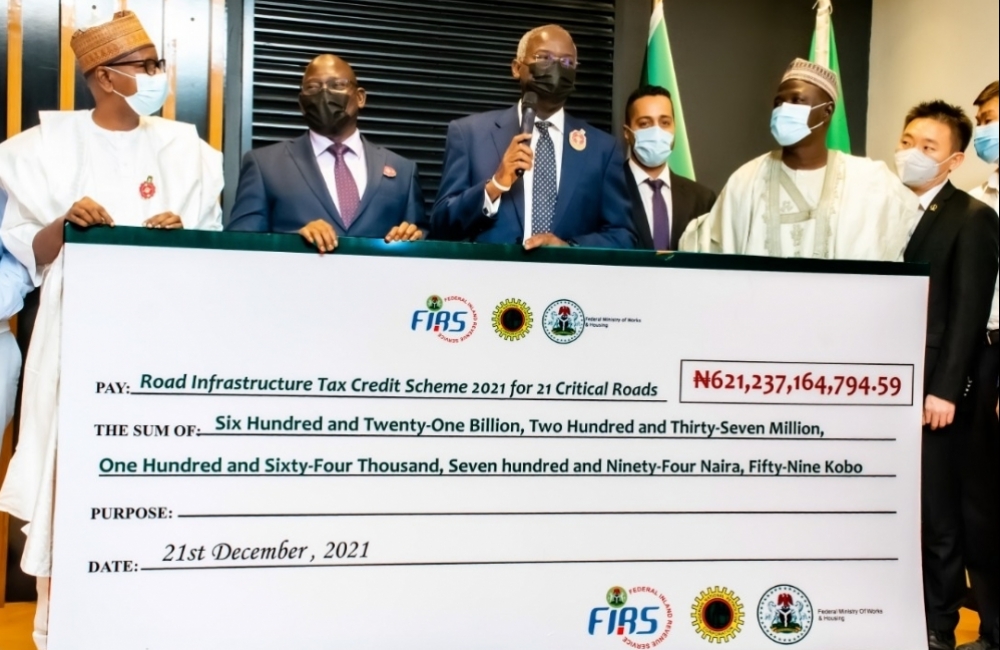
NNPC is Not Taking Over Road Construction - Fashola Works and Housing Minister Mr. Babatunde Raji Fashola SAN has disclosed that the Nigerian National Petroleum Corporation, (NNPC) is not taking over the construction of roads from the Federal Ministry of Works and Housing. The Minister made this disclosure during the symbolic presentation of Cheque for 21 critical roads funded by NNPC through the Tax Credit Scheme which took place at the Ministry's headquarters in Mabushi, Abuja today, Tuesday 28th December, 2021. While shedding light on the scheme the Minister said, "NNPC is not taking over roads, NNPC is not constructing roads, NNPC is just putting forward its tax liabilities to the authority who is supposed to collect, which is the Federal Inland Revenue Service, (FIRS), and they are dedicating it to build roads that have been awarded and would have been completed but for insufficient budgetary provisions." Fashola further said, " Let me make it clear that this is a tax credit intervention and essentially, the private sector company is putting forward what should have been its tax compensation for liabilities to government." The Minister revealed that the scheme which is under the executive order 007 was inherited from the previous administration who didn't implement it. However, the Buhari administration recognized it and used it to execute the Obajana - Kabba road as a strategic partnership with the private sector. He added that it is being used to address the Apapa - Oworoshoki expressway which serves the nation's largely established port. Fashola explained that the scheme was not for one company alone as any company who is interested in it is free to apply to Federal Government. He said the Buhari administration amended the Executive order 007 to give room for the roads to be impacted to be diverse and also allow smaller companies to come together as a group to use their tax liabilities for smaller roads that will aid their businesses. He expressed happiness that the amendments have attracted the interest of conglomerates like Dangote group, the oil industry which is stepping in with 600 Billion Naira to address 21 roads covering over 1, 800 kilometres. He also noted that telecommunications companies have indicated their readiness to take part in it. Speaking further on the amendment made by President Buhari, Fashola revealed that a governing process had been put in place that requires the Ministry of Works and Housing to look into certification, send them to FIRS for verification within 5 days after which NNPC is expected to pay within 30 days. He also said that an agreement had been reached with the contractors that nobody would ask for price variations even though some of the contracts are over ten years old. In his address, the Executive Chairman, Federal Inland Revenue Service, Muhammed Nami who thanked the federal government for the tax credit scheme said it was introduced due to the insufficiency in budgetary allocations. He expressed optimism that it will contribute in no small measure in bridging the gap in road infrastructure. Earlier, the General Manager International Energy Relations Mr. Garba Hadejia who represented the Group Managing Director of NNPC lamented that since most pipelines have been vandalized, the only option left for his organization has to transport its products by roads. ‘’However, the bad condition of some the roads were adversely affecting the movement of petroleum products hence the decision of NNPC to support the Ministry of Works and Housing by partaking in the Cash Credit’’ he said. An indigenous contractor, Mr. Isioma – Ezi-Ashi of Sermatech Nigeria Limited who spoke on behalf of his colleagues thanked the Federal Government for the scheme and promised that the contractors would do their best to ensure its success. The occasion also witnessed the signing of Memorandum of Understanding, MOU, among the stakeholders: The Federal Ministry of Works and Housing, FIRS, NNPC and the Contractors. ...
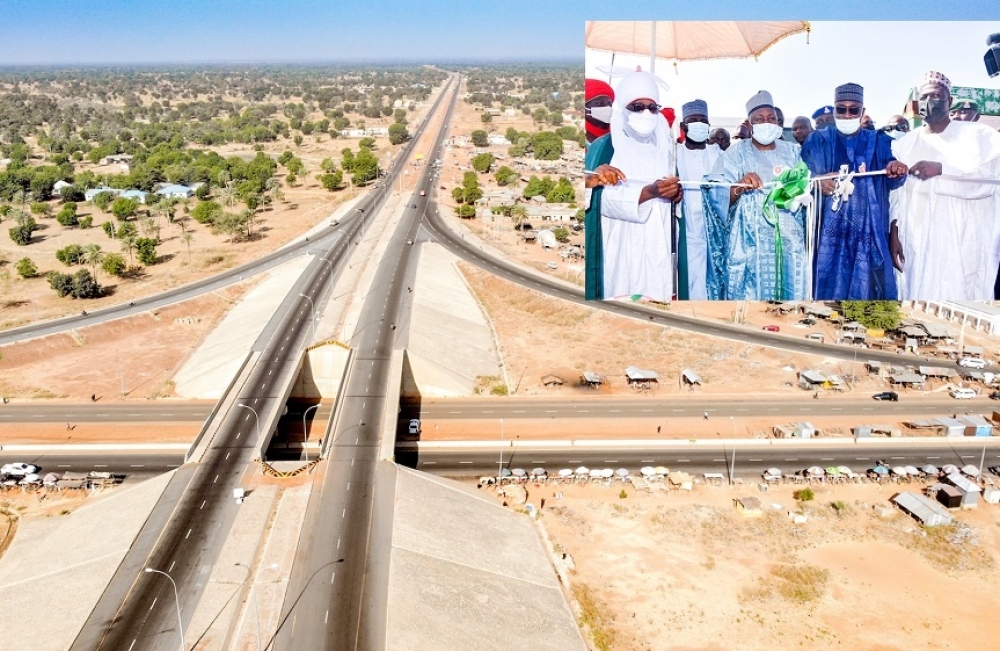
Season Of Completion, Impact Continues As Buhari Commissions Kano-Maiduguri Road, Section II · Urges ownership of roads by host communities, commuters; compliance to traffic regulations Highway Code · Buhari doing much more for Nigerians with less resources – Jigawa Governor · Commissioning, a clear affirmation of the progressive administration of President Muhammadu Buhari in every State of the country – Fashola · Lawmakers, Traditional Ruler, residents commend FG for strides in road transport infrastructure The investments of the Federal Government in road transport infrastructure has continued to impact positively on communities across the country as President Muhammadu Buhari on Monday commissioned the Kano-Maiduguri Road, Section II (Shuwarin-Azare) connecting Jigawa and Bauchi States. The 142.2 kilometre dualized road brings to five the number of such roads commissioned and handed over across the country in the Season of Completion and Impact which began 18 days ago. The other roads so far commissioned by the President within the period include the Sokoto-Tambuwal-Jega-Kontagora-Makera Road, the Vandeikya- Obudu Cattle Ranch Road, the Nnewe-Oduma Road, and the Kano- Maiduguri Road Section III (Azare-Potiskum). In his address at the event, Buhari, who was represented by the Minister of Water Resources, Engr. Suleiman Adamu, called on Nigerians, especially the communities through which the roads pass, to take ownership and protect the roads, which, according to him, “have been built to the highest quality of design and workmanship” in order to enable them last their designed lifespan. The President, who also described the commissioned roads as “part of our many roads to prosperity”, told Nigerians, “Now that we have this new and well-built roads, we have duties to ourselves and to other road users”, listing such duties to include avoiding abuse of the roads and compliance with the nation’s traffic laws as stipulated in the Highway Code. According to the President, abuse of the roads could take the form of overloading of vehicles and trucks which accelerates pavement damage, spilling of petroleum products, which dissolves all the components and allows water to penetrate, and converting the road shoulders to permanent parking places, which brings the onset of road failure from the shoulder. “We must all do our best to avoid these practices, report them when they occur and act in a lawful manner to stop them”, the President said adding, “Accordingly, for the avoidance of any doubt, I wish to reiterate that the maximum driving speed on this and other Federal Highways nationwide is 100 (ONE HUNDRED) KM and no more”. Paying tribute to the patriotism of the Nigerians who participated directly or indirectly in the construction of the roads, Buhari said it demonstrated the capacity of the people to build quality infrastructure that could stand the test of time adding that both those employed directly to build the roads and the scores of suppliers employed indirectly by providing the machines utilized in the construction were not only nation builders but also the heart of the Nigerian economy. “The road is also a story of the capacity of our people; the patriotic Nigerians who were employed directly to build this road, the scores of suppliers employed indirectly who are responsible for providing the machines utilized in the construction. These are not only nation builders to whom we offer our salutations, they are the heart of the Nigerian economy, the micro, small and medium enterprises that drive our economic growth”, he said. He also said the roads represented “a statement of economic efficiency and ease of doing business”, adding, “This is because the travel time of averagely 3 hours before construction has now reduced to 1hour 45 minutes since the completion of the road. Of course, this road is part of our many roads to prosperity because a reduced journey time means reduced expense on travel, because time is money”. Noting the reintroduction of such road furniture as lane markings and Route Assurance signs on the new roads as symbolizing change, Buhari declared, “These components had all but disappeared on our highways but our commitment to change has restored them, with the markings helping drivers to achieve better lane management and control of their vehicles; while the Route Assurance signs provide information about how much further or longer, the drivers and commuters have to travel and the distance to the next village, town or state”, adding that another element of change was “the travel experience on a new and well-built road from the old and previously unmotorable road.” In his own remarks, the Minister of Works and Housing, Mr. Babatunde Fashola, SAN, said the Season of Completion and Impact which had seen the Commissioning and Handover of roads across the country in the last 18 days was a clear affirmation of the presence of the progressive administration of President Muhammadu Buhari in every State of the country. Fashola, who was represented at the event by the Permanent Secretary in the Ministry, Mr. Babangida Hussaini, said the road projects already handed over and many that would soon be commissioned in various parts of the country represented major investment in road Transport infrastructure, which, according to him, “is a commitment of the Buhari administration as a driver for economic growth and prosperity”. Expressing “immense pleasure” that the Season of Completion and Impact has reached the peoples and Governments of Jigawa and Bauchi States through the Kano-Maiduguri Road Section II (Shuwarin-Azare) being commissioned by the President, the Minister described the investments as “visible and incontrovertible Assets in proof of what Nigeria’s resources are invested in, from a combination of our earned resources, and borrowings”. “After the handing over of the Sokoto-Tambuwal-Jega-Kontagora-Makera Road, the Vandeikya- Obudu Cattle Ranch Road, the Nenwe-Oduma Road, and the Kano- Maiduguri Road Section III (Azare-Potiskum), I am happy to reiterate that this is the fifth of many more project Completion and Handovers our country will experience in the next few weeks and months as we enter what l call a season of completion and impact”, he said. Fashola, who said the handing over formalities that would follow the day’s event would be “in both the Works and Housing Sectors”, recalled the recent unveiling of a dedicated portal to enable Nigerians subscribe to the National Housing Programme of the Federal Government in 34 States where the first Phase are ready noting that finishing touches were being put to the handing over formalities in the beneficiary States. The Minister expressed gratitude to all investors in the first and second SUKUK bond which funding helped in the completion of Azare – Potiskum, Shuwarin – Potiskum and Sokoto-Tambuwal- Kontagora Roads, adding that the SUKUK funding is currently contributing to progress of work on 44 roads across Nigeria which would also be commissioned and handed over as and when completed. He also thanked the Ministry of Finance, and the members of the National Assembly, “especially the Chairmen of the Senate and House Committees on Works in the 8th and 9th Assembly as well as the Debt Management Office for their support and their role in previous SUKUKS which, according to him, “have been most innovative and impactful nationwide, and for the SUKUK we are expecting”. Fashola also thanked the staff of the Ministry and contractors who, he said, “have worked very hard to bring these projects to conclusion”, adding, “I cannot fail to acknowledge the cooperation of the host communities where these projects pass through or are hosted. I hold them out as examples of what peace can achieve, and the investments that collaboration and some sacrifice can deliver if we embrace partnership with Government”. Also commended by the Ministers were members of the Federal Executive Council in the first term and the current term without whose support during debates over the projects “none of these would have been possible” and the President and Vice President “who preside for long hours over the Council meetings”, and whose leadership “is now bearing fruits and the evidence of change now manifesting” with Jigawa, Bauchi, Enugu, Ebonyi, Benue, Cross Rivers, Sokoto, Kebbi and Niger, bearing witness and with more to come. Members of the host communities, who came in their hundreds to grace the occasion were effusive in their expressions of gratitude to the federal Government, President Muhammadu Buhari and the Minister of Works and Housing for the Dualization of the road which they said was an accident-prone passageway while it was a single lane road. Leading the expressions of gratitude was the Governor of Jigawa State, Alhaji Muhammad Badaru Abubakar, who said President Buhari had done wonderfully well in all sectors adding that although the Buhari administration inherited over 300 projects where the contractors were demobilized, the administration mobilized them”, adding, “Today we are commissioning one of them”. "With less than the money they made Buhari is doing more than they did”, the Governor said, listing the impact of the Buhari administration in Jigawa State to include: “several road projects, tremendous support in the agricultural sector which has increased the rice production of the state from 90, 000 tonnes in 2015 to 649, 000 metric tonnes presently”. Other areas of impact, according to the Governor, are school feeding programme, six hundred thousand irrigation projects, health facilities, social interventions programmes such as the N- Power which provided jobs for 11, 603 young people, conditional cash transfer, trader money and so on. Senator Sabo Muhammed, representing Jigawa South - West District and Honourable Abdullahi Ibrahim Dutse, Member representing Dutse/Kiyawa Federal Constituency, in their goodwill remarks, expressed delight and excitement over the completion of the roads in the state and thanked the Works and Housing Minister and the President for the road projects. The Emir of Dutse, His Royal Highness, Dr. Nuhu Sanusi, in his own remarks, said the importance of the road could not be over emphasized, as, according to him, “it covers about five states”, adding, “It's the heart of the economic activities, our gratitude to the Federal Government is deep for making this possible”. A cross section of residents interviewed also praised President Buhari and Works and Housing Minister for the completion of the project. Annur Muhammad, a driver, said eight years ago, the road was a single lane before the Dualization and rehabilitation commenced, recalling that the road was prone to accidents. “But since the completion of the project, accident has been reduced to the barest minimum. President Muhammadu Buhari is God sent", he said. Bello Yau, a farmer from Shuwarin, commended the Federal Government for the completion of the road saying, "We are overjoyed, happiness is an understatement, we thank the Government of President Muhammadu Buhari, for the road”, while Adamu Haladu, a student from the area, said, "We had some challenges because the road which was a single lane was bad but since the road has been dualized, respite has come our ways, we thank the people in government." Also, a resident from Bakin Kasuwa in Hadejia Local Government who came to witness the commissioning of the road said "I came here to support the commissioning event with my Public Address System, it is a good job God bless the Ministry of Works and the Contractors for the quality job." ...
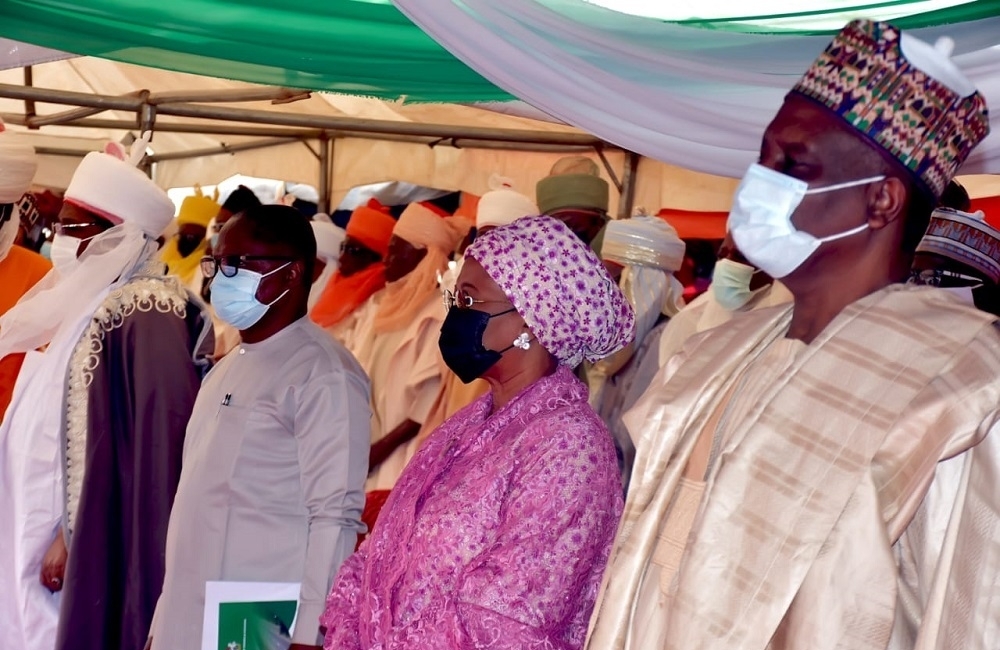
Expect Completion, Delivery Of More Roads- Buhari … As FG Commissions Kano – Maiduguri Road, Section III … SUKUK funding aiding progress of our Road projects – Fashola …State Government, residents , commuters commend FG, Minister As the progressive train of the season of completion and impact arrived in the North East on Thursday, President Muhammadu Buhari has told Nigerians to expect more completion and delivery of road projects across the nation. The President spoke in Azare, Bauchi State during the commissioning and handing over of the 106.341 Kilometers Kano -Maiduguri Road, Section III (Azare-Potiskum) in Bauchi and Yobe States. The President was represented at the commissioning ceremony by the Honourable Minister of State for Industry, Trade and Investment, Ambassador Maryam Katagum. President Buhari reiterated the commitment of his administration to Infrastructural development and gave the assurance that Nigerians would be witnessing more completion and delivery of projects. The President who emphasized his administration's commitment to economic growth through infrastructural development, appealed to road users to desist from acts that could damage the road. According to him, activities such as overloading of vehicles and trucks, spilling of petroleum products on the roads and conversion of road shoulders to permanent parking places damages the road and reduces its life span. "We must all do our best to avoid these practices, report them when they occur and act in a lawful manner to stop them", he said. The Governor of Bauchi State, Senator Bala Abdulkadir Muhammed commended President Muhammad Buhari for approving the dualization and extension of two major highways that connect the state’s metropolis. The highways are the dualization and extension of Kano Road, from Giwa Academy, Abubakar Tafawa University Main Campus, Nigerian Air Force Base- Abubakar Tafawa Balewa International Airport with a distance of 17.7kms and the expansion of Maiduguri-Awala- Bauchi State University. The Governor who was represented by the Deputy Governor, Senator Baba Tela, noted that the roads were near completion and expressed optimism that the state government would be reimbursed by the Federal Government as soon as the state of the economy improves in the country. He further applauded the collaborative effort between the Federal and Bauchi State government to restore the Bauchi-Ningi Road and Bogoro- Bauchi -Dawaki Road damaged by flood during the last rainy season. He also expressed gratitude to President Muhammadu Buhari and Works and Housing Minister, Mr Babatunde Fashola SAN for bringing the project to conclusion. In his address, the Minister of Works and Housing, represented by the Director, North East, Engr. Celestine Shausu, stated that the SUKUK funding option which the Federal Government adopted is currently aiding the progress of work on 44 roads across the nation. "The SUKUK is currently contributing to progress of work on 44 roads across Nigeria and as we complete them, events like this will hold," he said Fashola commended all the stakeholders both in private and public institutions who have contributed to the actualization of the project. In his welcome remarks, the Permanent Secretary of the Ministry of Works and Housing, Mr Babangida Hussaini who was represented by the Federal Controller of Works, Engr. Salihu Ahmed said that the Kano-Maiduguri Section III (Azare -Potiskum) connects four Local Government Areas in Bauchi (Azare and Dambam) and Yobe (Nangere and Potiskum) States respectively. His Royal Highness, the Emir of Katagum, Alhaji Dr Umar Farouq II, commended the Federal Government for completing the road which was abandoned for more than 20 years by previous administrations. He said that the road was important to the socio-economic development of the benefiting communities. He applauded the administration of President Muhammad Buhari, for completing the projects he met on ground when he came on board, adding that governance should be a continuous process. Various members of the community and road users on the project spoken to expressed appreciation and gratitude to President Muhammadu Buhari and the Minister of Works and Housing, Mr Babatunde Fashola SAN, for ensuring the completion of the road, stating that the work has brought a lot of relief to them and improved their socio-economic activities in many ways. While delivering the vote of thanks, General Manager, Messrs Mothercat, Engr. Raffi Kevorkian thanked the Federal Government for finding the company worthy of carrying out the construction work and also appreciated the community for their cooperation during the construction work. He pledged the company's cooperation with the Federal Government of Nigeria in the delivering of quality and durable roads for her citizens. The commissioning and hand over of Azare- Potiskum Section III (Azare – Potiskum) is the fourth in the series after the Sokoto - Tambuwal -Jega -Kontagora - Makera Road in Sokoto and Kebbi states, Vandeikya -Obudu Cattle Ranch Road in Benue and Cross River states, and Nnewe-Oduma Road Section in Enugu and Ebonyi States. ...
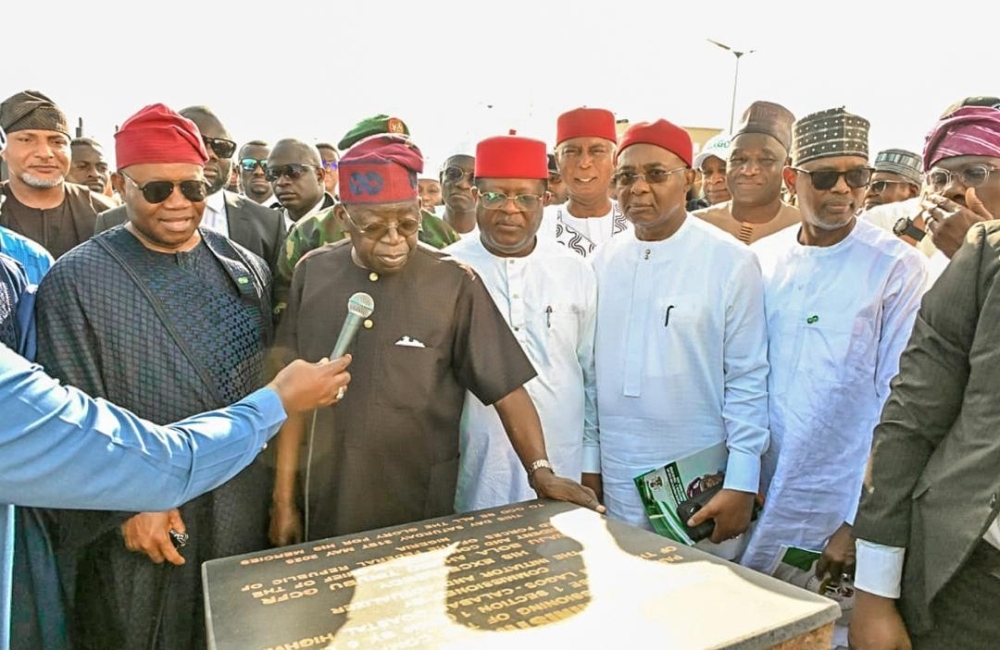
DRIVING NIGERIA’S FUTURE: CELEBRATING TWO YEARS OF TRANSFORMATIVE LEADERSHIP AND THE LAGOS-CALABAR COASTAL HIGHWAY MILESTONE
DRIVING NIGERIA’S FUTURE: CELEBRATING TWO YEARS OF TRANSFORMATIVE LEADERSHIP AND THE LAGOS-CALABAR COASTAL HIGHWAY MILESTONE
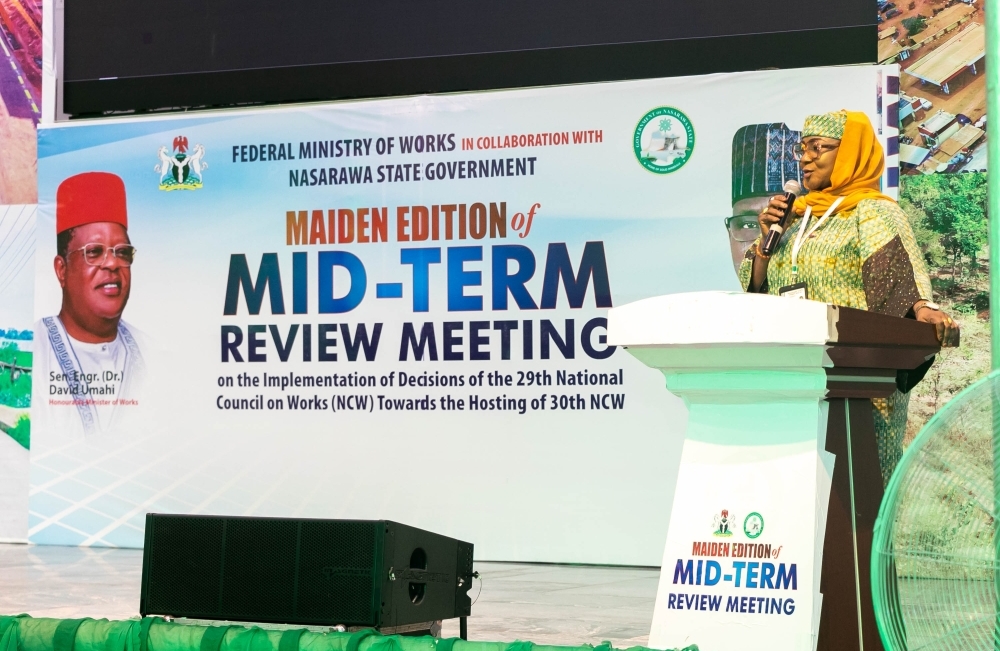
MID -TERM REVIEW MEETING ON THE IMPLIMENTATION OF THE DECISIONS REACHED AT THE 29TH NATIONAL COUNCIL ON WORKS (NCW) DAY 1
MID -TERM REVIEW MEETING ON THE IMPLIMENTATION OF THE DECISIONS REACHED AT THE 29TH NATIONAL COUNCIL ON WORKS (NCW) DAY 1