GORONYO COMMENDS SOKOTO GOVERNOR FOR DONATING 10 HILUX VEHICLES TO STRENGTHEN SECURITY ALONG SOKOTO–BADAGRY SUPERHIGHWAY
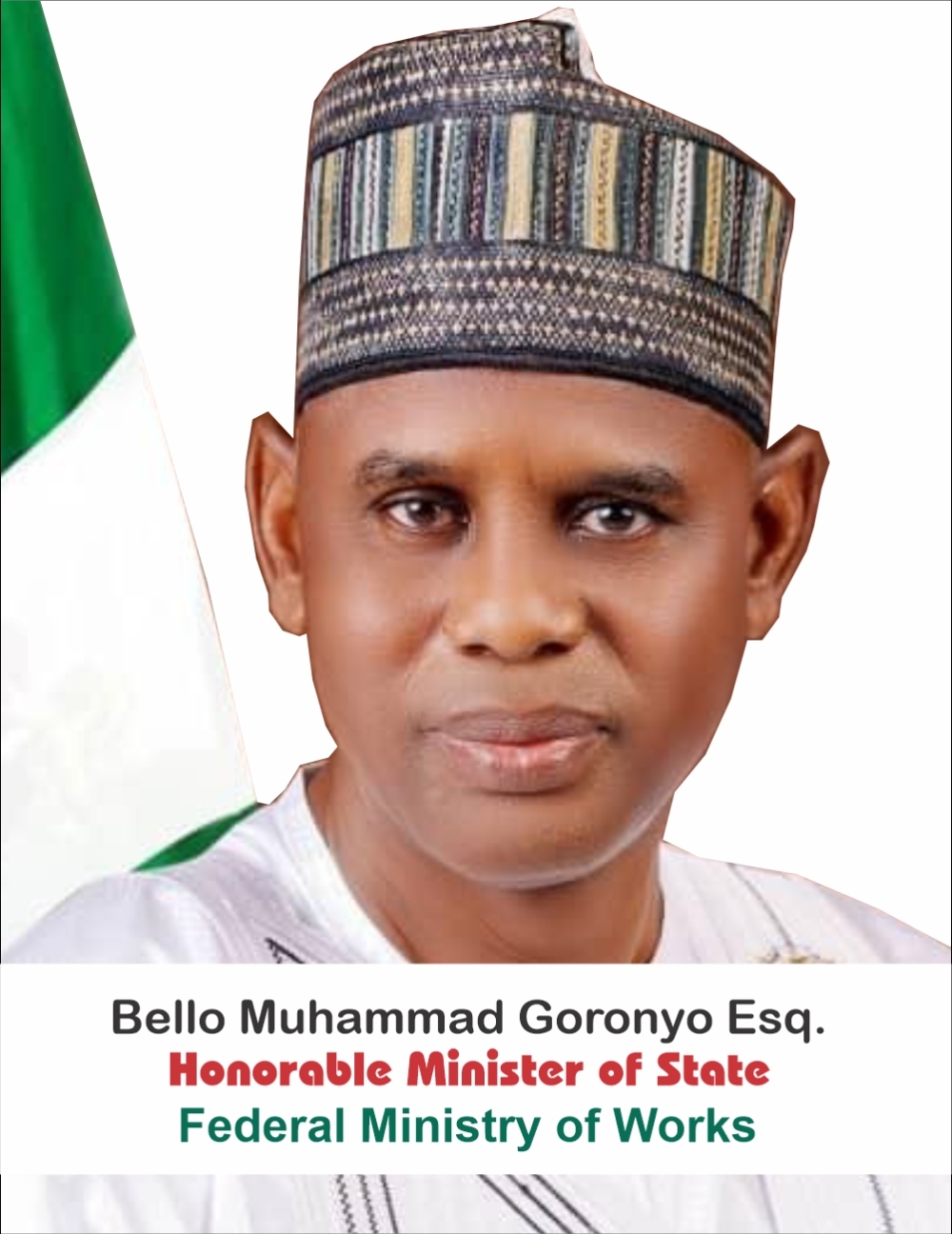
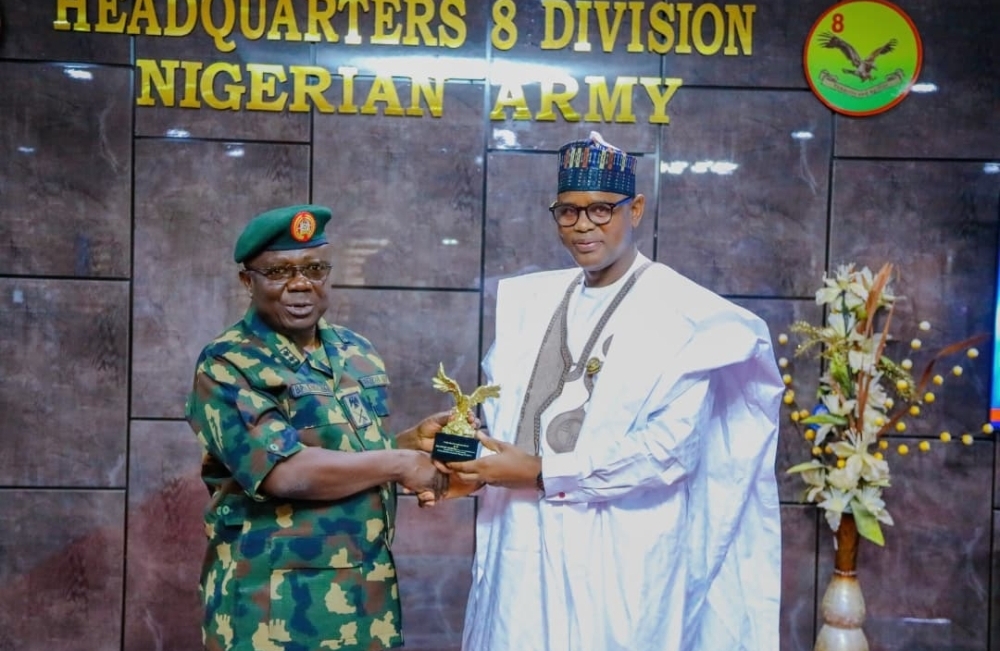
The Honourable Minister of State for Works, Rt. Hon. Bello Muhammad Goronyo, Esq., has commended the Governor of Sokoto State, Dr. Ahmed Aliyu Sokoto, PhD, for donating 10 operational Toyota Hilux vehicles to strengthen security operations along the Sokoto–Badagry Superhighway and other strategic infrastructure corridors.
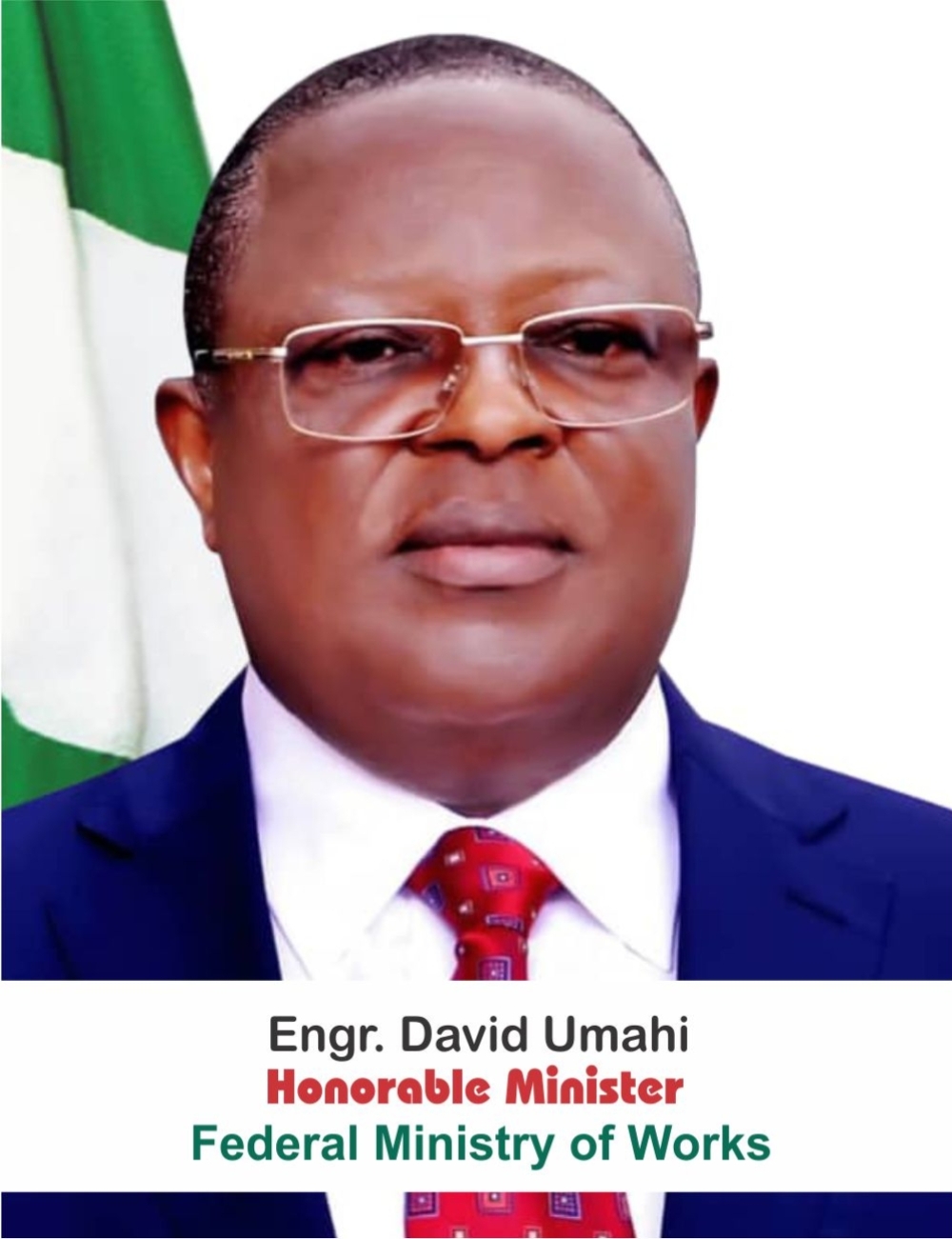
The vehicles were formally commissioned and handed over to the Nigerian Army at the Headquarters of the 8 Division, Nigerian Army, Sokoto, on Thursday, October 8, 2026, by the Honourable Minister of State for Works, on behalf of the Honourable Minister of Works, Engr. David Nweze Umahi, CON, FNSE.
The donation is expected to enhance the operational capacity of military personnel and other security agencies responsible for protecting construction workers, contractors, equipment and host communities along the highway corridor.
Speaking during the ceremony, Goronyo described the donation as a demonstration of the Sokoto State Government’s commitment to national development and the successful implementation of President Bola Ahmed Tinubu, GCFR’s Renewed Hope Agenda, particularly its landmark infrastructure projects.
The Minister emphasised that the Sokoto–Badagry Superhighway represents a long-standing national infrastructure vision that dates back several decades, with its conception traced to the era of former President Shehu Shagari in the 1970s. However, the vision remained unrealised for decades until the administration of President Bola Ahmed Tinubu, GCFR, initiated the construction of the 1,068-kilometre highway in October 2024.
He described the project as a significant step towards translating a historic aspiration into tangible infrastructure that will connect communities, expand economic opportunities and strengthen national integration.
According to Goronyo, President Tinubu’s commitment to the project demonstrates the Federal Government’s determination to bridge critical infrastructure gaps and improve connectivity between northern and southern Nigeria.
He noted that the superhighway, which traverses Sokoto, Kebbi, Niger, Kwara, Oyo, Ogun and Lagos states, is designed to facilitate the movement of people and goods, reduce transportation costs, stimulate trade, create employment and open up new economic opportunities along its route.
The Minister added that the highway would improve access to markets, schools, healthcare facilities and other essential services while supporting agriculture, commerce, industry and the development of communities across the corridor.
He stressed that the successful delivery of the project would require sustained commitment, effective coordination and cooperation among the Federal Government, state governments, security agencies, contractors and host communities.
Goronyo maintained that effective security remained essential to the timely and successful completion of the Sokoto–Badagry Superhighway. He explained that the provision of operational vehicles would strengthen the mobility and response capabilities of security personnel deployed to safeguard the project and its surrounding communities.
The Minister highlighted other strategic infrastructure projects being undertaken by the Federal Government, including the Lagos–Calabar Coastal Highway, the Calabar–Abuja/Trans-Saharan corridor, the Akwanga–Jos–Bauchi–Gombe corridor, the Abuja–Kaduna–Zaria–Kano route and the Zaria–Gusau–Sokoto corridor.
He explained that these projects form part of the Federal Government’s broader commitment to developing an integrated road network capable of supporting commerce, strengthening inter-state connections and accelerating national economic growth.
Rt. Hon. Goronyo further noted that the use of continuously reinforced concrete pavement on the Sokoto–Badagry Superhighway was intended to provide durable road infrastructure capable of serving Nigerians for decades. He added that complementary environmental and safety measures, including tree planting and solar-powered street lighting where provided for in the project, would contribute to environmental sustainability, visibility and road safety.
Goronyo commended the Nigerian Army and other security agencies for their resilience, professionalism and sacrifices in protecting lives, property and critical national infrastructure. He acknowledged the difficult conditions under which security personnel operate and urged them to remain steadfast in carrying out their constitutional responsibilities.
The Honourable Minister also expressed deep condolences to the Nigerian military over the reported loss of personnel in a bandit attack while on official duty the previous day. He described the loss as painful and extended his sympathy to the affected personnel, their colleagues and bereaved families, while praying for the peaceful repose of the departed and strength for their loved ones.
He further acknowledged the support of the National Security Adviser in addressing security challenges associated with the project, particularly through assistance and coordination aimed at strengthening security operations along the highway corridor.
Reaffirming his commitment to the Federal Government’s infrastructure development agenda, Goronyo said the Ministry of Works would continue to support the implementation of strategic projects under President Tinubu’s leadership, working in collaboration with relevant stakeholders to ensure their successful delivery.
He expressed optimism that the continued implementation of the Federal Government’s development programmes would bring lasting benefits to Nigerians, while acknowledging the complementary role of the Sokoto State Government in supporting infrastructure development and security.
In his remarks, the General Officer Commanding (GOC), 8 Division, Nigerian Army, Sokoto, Major General Bengba Paul Koughna, expressed appreciation to the Federal Government, the Federal Ministry of Works and the Sokoto State Government for the donation of the 10 Hilux vehicles.
The GOC noted that the vehicles would significantly enhance the operational mobility and response capabilities of troops deployed along the highway corridor, particularly across the approximately 440-kilometre section extending through Sokoto and Kebbi states.
He explained that troops conduct regular patrols and maintain multiple deployment points along the corridor, making the additional vehicles a valuable boost to their operational effectiveness.
He assured the Minister that the vehicles would be deployed appropriately to support security operations and protect construction workers, contractors, equipment and other stakeholders involved in the project.
The GOC also commended the representative of Hitech Construction Company, retired General Sa'ad Abubakar, for the company's involvement in the project.
The event was attended by retired Assistant Inspector-General of Police (AIG) Aliyu Garba, officials of the Federal Ministry of Works, representatives of the Sokoto State Government and other stakeholders.
The donation underscores the importance of sustained collaboration among the Federal Government, state governments, security agencies, contractors and host communities in addressing security challenges and ensuring the safe and timely delivery of strategic infrastructure projects.
The Federal Ministry of Works reiterates its commitment to working with all relevant stakeholders to protect national infrastructure and advance the objectives of President Bola Ahmed Tinubu, GCFR’s Renewed Hope Agenda for sustainable economic growth and development.

GORONYO COMMENDS SOKOTO GOVERNOR FOR DONATING 10 HILUX VEHICLES TO STRENGTHEN SECURITY ALONG SOKOTO–BADAGRY SUPERHIGHWAY The Honourable Minister of State for Works, Rt. Hon. Bello Muhammad Goronyo, Esq., has commended the Governor of Sokoto State, Dr. Ahmed Aliyu Sokoto, PhD, for donating 10 operational Toyota Hilux vehicles to strengthen security operations along the Sokoto–Badagry Superhighway and other strategic infrastructure corridors. The vehicles were formally commissioned and handed over to the Nigerian Army at the Headquarters of the 8 Division, Nigerian Army, Sokoto, on Thursday, October 8, 2026, by the Honourable Minister of State for Works, on behalf of the Honourable Minister of Works, Engr. David Nweze Umahi, CON, FNSE. Speaking during the ceremony, Goronyo described the donation as a demonstration of the Sokoto State Government’s commitment to national development and the successful implementation of President Bola Ahmed Tinubu, GCFR’s Renewed Hope Agenda, particularly its landmark infrastructure projects. The Minister emphasised that the Sokoto–Badagry Superhighway represents a long-standing national infrastructure vision that dates back several decades, with its conception traced to the era of former President Shehu Shagari in the 1970s. However, the vision remained unrealised for decades until the administration of President Bola Ahmed Tinubu, GCFR, initiated the construction of the 1,068-kilometre highway in October 2024. He described the project as a significant step towards translating a historic aspiration into tangible infrastructure that will connect communities, expand economic opportunities and strengthen national integration. According to Goronyo, President Tinubu’s commitment to the project demonstrates the Federal Government’s determination to bridge critical infrastructure gaps and improve connectivity between northern and southern Nigeria. The Minister added that the highway would improve access to markets, schools, healthcare facilities and other essential services while supporting agriculture, commerce, industry and the development of communities across the corridor. Goronyo maintained that effective security remained essential to the timely and successful completion of the Sokoto–Badagry Superhighway. He explained that the provision of operational vehicles would strengthen the mobility and response capabilities of security personnel deployed to safeguard the project and its surrounding communities. The Minister highlighted other strategic infrastructure projects being undertaken by the Federal Government, including the Lagos–Calabar Coastal Highway, the Calabar–Abuja/Trans-Saharan corridor, the Akwanga–Jos–Bauchi–Gombe corridor, the Abuja–Kaduna–Zaria–Kano route and the Zaria–Gusau–Sokoto corridor. Rt. Hon. Goronyo further noted that the use of continuously reinforced concrete pavement on the Sokoto–Badagry Superhighway was intended to provide durable road infrastructure capable of serving Nigerians for decades. He added that complementary environmental and safety measures, including tree planting and solar-powered street lighting where provided for in the project, would contribute to environmental sustainability, visibility and road safety. Goronyo commended the Nigerian Army and other security agencies for their resilience, professionalism and sacrifices in protecting lives, property and critical national infrastructure. He acknowledged the difficult conditions under which security personnel operate and urged them to remain steadfast in carrying out their constitutional responsibilities. The Honourable Minister also expressed deep condolences to the Nigerian military over the reported loss of personnel in a bandit attack while on official duty the previous day. He described the loss as painful and extended his sympathy to the affected personnel, their colleagues and bereaved families, while praying for the peaceful repose of the departed and strength for their loved ones. He further acknowledged the support of the National Security Adviser in addressing security challenges associated with the project, particularly through assistance and coordination aimed at strengthening security operations along the highway corridor. Reaffirming his commitment to the Federal Government’s infrastructure development agenda, Goronyo said the Ministry of Works would continue to support the implementation of strategic projects under President Tinubu’s leadership, working in collaboration with relevant stakeholders to ensure their successful delivery. He expressed optimism that the continued implementation of the Federal Government’s development programmes would bring lasting benefits to Nigerians, while acknowledging the complementary role of the Sokoto State Government in supporting infrastructure development and security. In his remarks, the General Officer Commanding (GOC), 8 Division, Nigerian Army, Sokoto, Major General Bengba Paul Koughna, expressed appreciation to the Federal Government, the Federal Ministry of Works and the Sokoto State Government for the donation of the 10 Hilux vehicles. The GOC noted that the vehicles would significantly enhance the operational mobility and response capabilities of troops deployed along the highway corridor, particularly across the approximately 440-kilometre section extending through Sokoto and Kebbi states. He explained that troops conduct regular patrols and maintain multiple deployment points along the corridor, making the additional vehicles a valuable boost to their operational effectiveness. He assured the Minister that the vehicles would be deployed appropriately to support security operations and protect construction workers, contractors, equipment and other stakeholders involved in the project. The GOC also commended the representative of Hitech Construction Company, retired General Sa'ad Abubakar, for the company's involvement in the project. The event was attended by retired Assistant Inspector-General of Police (AIG) Aliyu Garba, officials of the Federal Ministry of Works, representatives of the Sokoto State Government and other stakeholders. The Federal Ministry of Works reiterates its commitment to working with all relevant stakeholders to protect national infrastructure and advance the objectives of President Bola Ahmed Tinubu, GCFR’s Renewed Hope Agenda for sustainable economic growth and development.
The donation is expected to enhance the operational capacity of military personnel and other security agencies responsible for protecting construction workers, contractors, equipment and host communities along the highway corridor.
He noted that the superhighway, which traverses Sokoto, Kebbi, Niger, Kwara, Oyo, Ogun and Lagos states, is designed to facilitate the movement of people and goods, reduce transportation costs, stimulate trade, create employment and open up new economic opportunities along its route.
He stressed that the successful delivery of the project would require sustained commitment, effective coordination and cooperation among the Federal Government, state governments, security agencies, contractors and host communities.
He explained that these projects form part of the Federal Government’s broader commitment to developing an integrated road network capable of supporting commerce, strengthening inter-state connections and accelerating national economic growth.
The donation underscores the importance of sustained collaboration among the Federal Government, state governments, security agencies, contractors and host communities in addressing security challenges and ensuring the safe and timely delivery of strategic infrastructure projects.
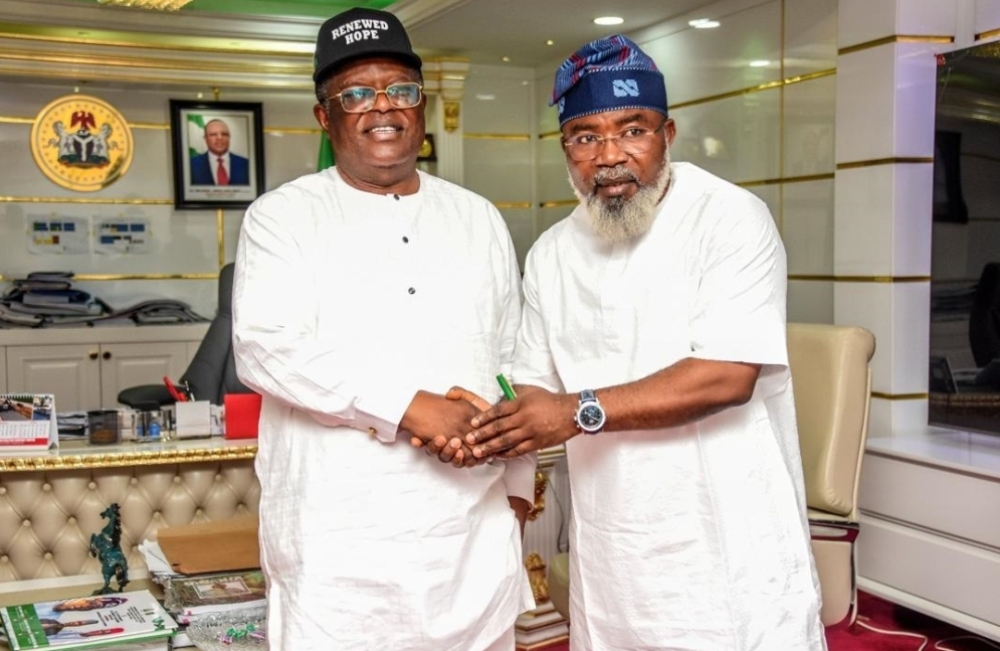
FG REAFFIRMS STRONG COMMITMENT TO KOGI ROADS AS UMAHI, DEEDAT PUSH FOR ACCELERATED INFRASTRUCTURE DELIVERY, SECURITY INTEGRATION ACROSS KEY CORRIDORS A high-level engagement between the Honourable Minister of Works, Sen. Engr. David Umahi, CON, FNSE, FNATE, and the Honourable Commissioner for Works, Kogi State, Hon. Salam Ozige Deedat, have reaffirmed the commitment of both the Federal Government and the Kogi State Government to the sustained development of critical road infrastructure across the state. At the meeting, the Honourable Commissioner expressed appreciation for the ongoing federal interventions on major road corridors, particularly the Abuja–Lokoja–Okene axis and other adjoining routes, noting that successive administrations have contributed to these projects, but observing that recent efforts under the current Renewed Hope Administration have demonstrated greater visibility and impact. He further commended the Minister for his prompt visit to Kogi State upon assumption of office, describing it as a clear demonstration of his connection and commitment to the state despite it not being his place of origin. In addition, he acknowledged the consistent presence of federal teams and contractors on sites, while also pointing out that although progress on key corridors such as the Abuja–Lokoja and Lokoja–Okene are evident, delays in some sections and flyover construction have created traffic challenges that require urgent attention. Moreover, he highlighted other strategic routes, including Okene–Ajaokuta, Takete–Mopa–Isanlu–Egbe towards Kwara State, as well as the Lokoja–Okene corridor, stressing that they all demand accelerated intervention, especially given Kogi State’s strategic proximity to the Federal Capital Territory. In response, the Honourable Minister explained that the major challenge confronting infrastructure delivery nationwide remains funding, even as the Federal Government continues to intensify efforts to address infrastructure deficits across all regions. He emphasised that the current administration is undertaking unprecedented road construction and rehabilitation works, noting that if past administrations had achieved similar levels of development, the present infrastructure pressure across the country would have been significantly reduced. He also reiterated that all parts of the country are demanding attention, adding that ongoing works are being systematically reviewed and restructured to ensure proper delivery and accountability. Specifically addressing the Abuja–Lokoja corridor, the Minister stated that the road, which was previously in a deplorable condition, is now undergoing extensive reconstruction, with several contractors handling different sections. He explained that a 48-kilometre stretch formerly handled by Bulletine Construction is being restructured under concrete pavement due to funding and durability considerations, while an 86-kilometre section previously executed by Gitto has also been re-awarded and reorganised for renewed construction works. Similarly, he disclosed that additional sections, including a 56-kilometre stretch, are being rescoped from asphalt to concrete pavement after contractors voluntarily agreed to adopt a more durable construction method within the available cost framework. Furthermore, he noted that about 50 kilometres remain, which have now been divided between contractors such as JRB and Trucrete to accelerate completion. In the same vein, he explained that other contractors, including CGC, CCECC, BUA, and CBC, are actively working on various segments of the corridor, with several portions already completed or ongoing under concrete pavement technology. He stressed that this transition to concrete construction is deliberate, as it ensures long-term durability and reduces maintenance costs, unlike previous asphalt methods that deteriorate quickly due to water penetration and inadequate shoulder protection. While addressing concerns raised about national security, the Minister acknowledged the strong relationship between infrastructure and security, noting that poor road networks often exacerbate insecurity. Consequently, he revealed that the Ministry is considering integrating solar-powered lighting and CCTV surveillance systems along critical highways such as Abuja–Lokoja Expressway to enhance monitoring, safety, and response capabilities. He further assured that similar interventions will be extended to other strategic corridors to improve security and protect road users. Additionally, he provided updates on several ongoing and planned national projects, including the Trans-Saharan Highway, which forms part of the President’s Legacy Road Infrastructure initiative and passes through Kogi, Benue, and Nasarawa States before terminating at Apo in the FCT. He also referenced the Makurdi–9th Mile corridor, the Kabba–Ado Ekiti road project, and other interventions under the Renewed Hope Infrastructure Programme, noting that several of these projects are captured within the 2024–2026 budget cycle, with funding already allocated but awaiting full mobilisation or contractor deployment in some cases. Moreover, he urged stronger collaboration between the federal and state governments, encouraging sub-national governments to complement federal efforts by undertaking basic interventions such as stone-base construction and maintenance works, where necessary. He also advocated for the adoption of more durable road construction methods, particularly concrete pavement and reinforced mesh technology, which have proven effective in states where they have been implemented. ...
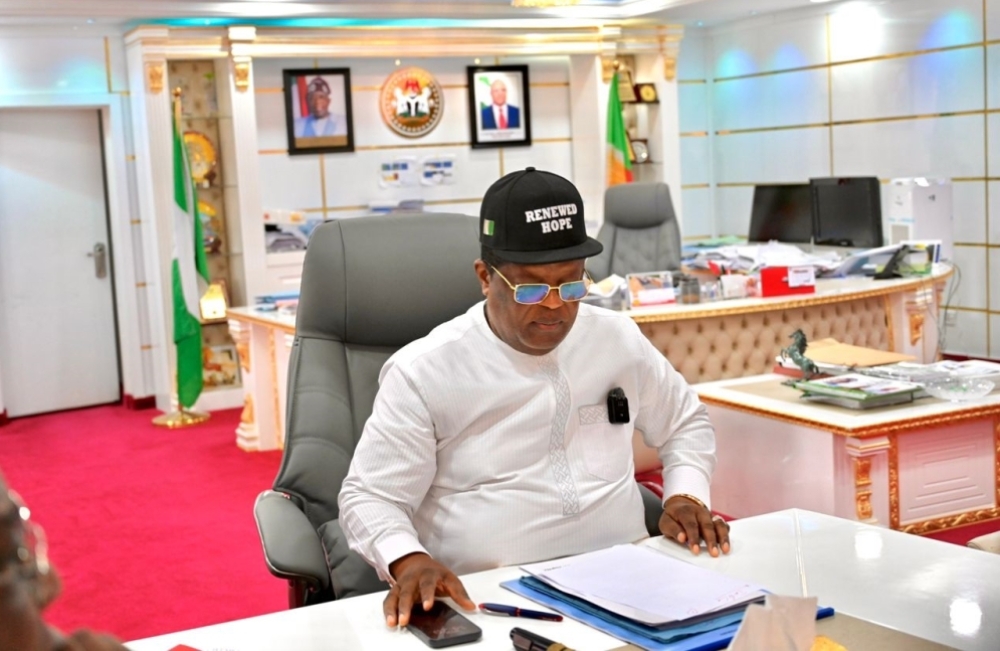
UMAHI RECEIVES NEW NLNG CEO, ANNOUNCES PRESIDENT’S APPROVAL FOR DUALISATION OF ROAD LINKING BODO-BONNY TO EAST-WEST ROAD The Minister of Works, Senator Engr. David Umahi, CON, has received the new Managing Director and Chief Executive Officer of Nigeria Liquefied Natural Gas, Adeleye Falade, at the Ministry’s headquarters in Abuja, using the occasion to announce fresh approval for a major road project in Rivers State. The meeting, held on Wednesday, focused on the completed Bodo-Bonny Road and the next phase of development that will link it to the East-West Road, an important route for movement of people and goods in the Niger Delta. Speaking during the visit, the Minister revealed that the President, HE Senator Bola Ahmed Tinubu, CON has approved the dualisation of the 8.9-kilometre road connecting Bodo-Bonny to the East-West Road. The project will be constructed with concrete and will include two flyovers, solar-powered streetlights, and modern monitoring systems. “I have listed that project for the president, he will tell me when he is ready for the commissioning and I will let you know and graciously he has also approved the 8.9km dualized and this time on concrete with two flyovers. We are working with Julius Berger since they are on site, it is more economical for us for them to continue. With the information I’m having from PPP I think the cost is about 150billion because it is a very terrible terrain, two flyovers and solar powered light, tree planting and also some rest house where we will stay and monitor the CCTV.” Umahi explained that part of the funds saved from the Bodo-Bonny Road project has already been redirected to improve the road with solar lights and tree planting. “We made some savings from the Bodo-Bonny and we directed them to use this savings to put solar light and then plant trees within that axis. So, I want to assure you that we work very closely with you and we are not going to be on that project when awarded for more then twelve months and the price will not be reviewed. So make it very clear in our agreement with you and us and them.” The Minister said the Tinubu administration is focused on building durable roads that will last for decades, while also improving safety and boosting economic activities. “I want to commend you very highly and I say that the president infrastructure revolution in Nigeria is quite unprecedented. There is no part of this country that you don’t see solid work going on and we are not talking about just road construction, he is building a road that will last between 50-100years with minimal maintenance and that is what he stands for. For the first time you see road is built, it has solar light. So that people can travel at night and it will increase commercial activity and also safety on the road. He has also directed to start mapping out our to put CCTV on our roads and have viewing points so that response them at every point in time will not be more than 10mins.” Earlier, Abdul Humaru introduced the NLNG team, saying: “We are here to introduce our new managing director and CEO and for a courtesy visit as well.” In his remarks, the NLNG boss, Adeleye Falade, thanked the Federal Government for its support, especially on the Bodo-Bonny Road, which he said is already making life easier for residents and businesses. “Just like Abdul said it is a courtesy visit but it is more than courtesy, we want to take this privilege to express gratitude particularly on Bodo Bonny road. I want to thank you for the support. The road as we have communicated is completed now, we are actually waiting for when you will give us a date for official commissioning but we know people are already using it. The road changed a lot of things about the activities on the Island. I went on the road myself from my office in Port Harcourt. It took me one and a half hours from my office to Bonny that is something that will ordinarily take us four hours.” He also expressed readiness for continued collaboration on the new road project. “We are grateful for the support. We are also grateful for the consideration of that 8.9km that leads into the East west road that enables us to maximize that particular road. We are still waiting for advice, who is going to handle that going forward. We are ready to provide support as well. So, today we have come to show gratitude for the support that we have gotten from you.” ...
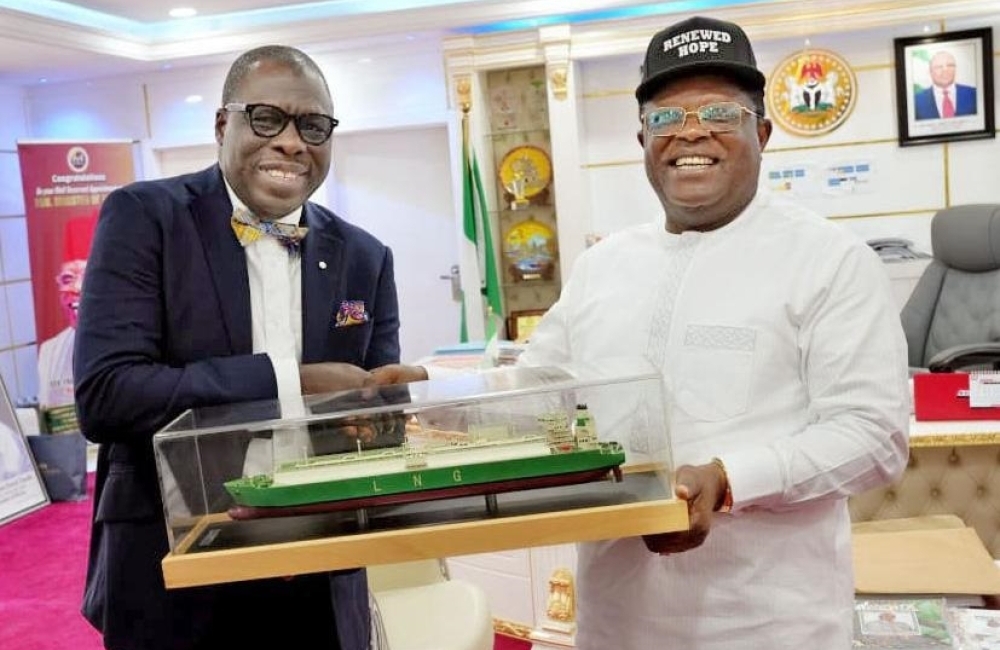
FG ADVANCES INFRASTRUCTURE DRIVE WITH APPROVAL OF NEW PPP ROAD PROJECTS, SOLAR LIGHTING, LANDSCAPING, AND ENHANCED SECURITY FEATURES The Federal Government has reaffirmed its commitment to delivering durable, innovative, and economically impactful infrastructure across Nigeria, following key approvals and policy directions aimed at accelerating national development. This was disclosed during a courtesy visit by the Management of the Nigeria Liquefied Natural Gas (NLNG) Limited to the Honourable Minister of Works on Wednesday. The Honourable Minister of Works, H. E. Sen. (Engr.) David Umahi, CON, FNSE, FNATE disclosed that the President has approved the commencement of an extension of the recently completed Bodo-Bonny Road and Bridges Project in Rivers State to be executed under a Public-Private Partnership (PPP) arrangement, with an estimated cost of about ₦150 billion. The project is expected to incorporate modern engineering solutions, including the use of concrete technology to ensure long-term durability and minimal maintenance over a lifespan of 50 to 100 years. The Minister further revealed that the project has been slated for presentation to the Federal Executive Council (FEC) for formal ratification, underscoring the administration’s commitment to due process and transparency in project execution. As part of efforts to enhance safety, aesthetics, and economic activity along the nation’s road corridors, the government has approved the installation of solar-powered street lighting and the planting of trees. These initiatives are designed to improve night-time visibility, boost security, beautify the corridor, and stimulate commercial activities across the host communities. In addition, plans are underway to deploy a Closed-Circuit Television (CCTV) surveillance system along major highways, complemented by strategically located monitoring centres. This measure is expected to significantly reduce emergency response time to under 10 minutes, thereby strengthening road safety and security management. The project design also includes the construction of rest areas/relief stations and service facilities to support effective monitoring and maintenance operations. Contractors have been directed to utilise savings from project costs to further enhance infrastructure through the provision of solar lighting and tree planting, thereby contributing to environmental sustainability. In a bid to improve logistics and reduce congestion, the government has emphasised the inclusion of truck parking yards at key locations along the project’s corridor. Engagements with host communities are ongoing to secure suitable land for these facilities, ensuring smooth implementation and community participation. The government has also set a strict project delivery timeline of not more than 12 months from the date of award, with firm provisions to prevent cost variations. This is aimed at ensuring efficiency, accountability, and value for money. Commending stakeholders involved in the project, the Honourable Minister noted that the ongoing infrastructure revolution under the current Renewed Hope Administration is unprecedented with a visible impact across all regions of the country. He emphasised that the government is not only focused on constructing roads but on delivering world-class infrastructure that supports economic growth, enhances safety, and improves the quality of life of Nigerians. The Federal Government reiterated its resolve to continue exploring innovative solutions, fostering investment, and ensuring that infrastructure development directly benefits communities nationwide. The Managing Director of NLNG, Engr. Adeleye Falade, in the company of some officials presented a model of a Compressed Natural Gas (CNG) ship to the Minister, symbolising NLNG’s commitment to innovation and the promotion of cleaner energy solutions in Nigeria’s transportation and maritime sectors. The meeting also provided an opportunity for both parties to discuss areas of mutual interest and collaboration in advancing sustainable infrastructure development. ...
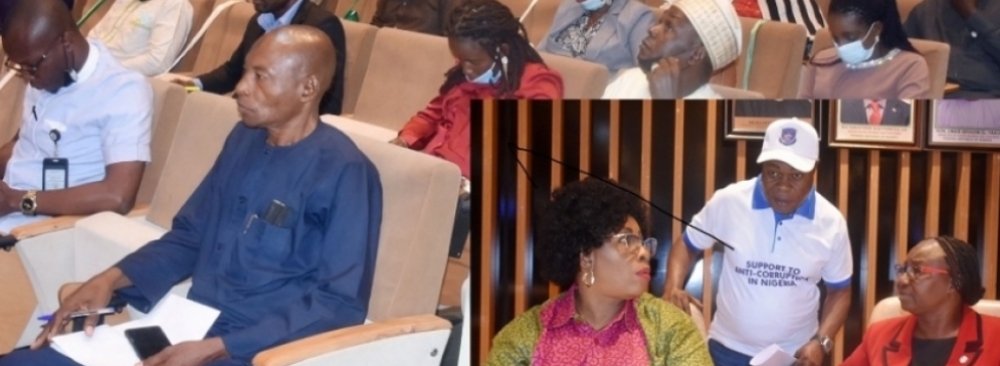
Works Ministry Sensitizes Staff On Corruption Trends In The Public Service
In a bid to ensure a corrupt free public service, the Federal Ministry of Works and Housing has organized a sensitization seminar for its officers on corruption trends in the public service.
The theme of the seminar is "Corruption Trends in Public Service, Causes and Impact on National Development,” was organised by the Anti- Corruption and Transparency Unit, ACTU at the headquarters of the Federal Ministry of Works and Housing, Mabushi, Abuja.
Declaring the workshop open, the Minister of Works and Housing, Mr. Babatunde Fashola advised participants to be transparent and obey the rules and regulations guiding the operations of their schedules as they carry out their assignments.
Fashola, represented by the Director Press and Public Relations of the Ministry, Mrs. Blessings Lere-Adams, emphasized that corruption is crime and urged participants to shun it in a bid to live a peaceful retirement life devoid of incessant invitations from anti-corruption agencies after retirement.
He added that adopting a corrupt free attitude in the course of duty would enhance Nigeria's overall development as a nation.
Presenting her paper tagged, "Corruption and Its Impact,” a facilitator from the Independent Corrupt Practices and Other Related Matters Commission, ICPC, Mrs. Adebimpe Abodunrin, “explained to the participants that every civil servant has been trusted with the assignment given to him and should not be seen betraying it by being corrupt. 'Public Service is a position of trust, don’t betray it," she said.
She urged participants to exhibit good characters while carrying out their duties as the public service was vitally important and majorly counted when any country was being adjudged corrupt or not by the ranking of Transparency International. "Public Service contributes to the perception," Abiodun remarked.
According to her the act of corruption which included abuse of office, dishonesty, breaking of rules and regulations, evil and immoral acts among others were major hindrances to any nation's development and should be shunned completely by Nigerians in all sectors if Nigeria must develop in all areas, noting that individual actions in workplace could either have a negative or positive impact on the entire system.
Mrs. Abodunrin further gave the effects of corruption on national development to include; lack of development, high rate of unemployment, lack of qualified personnel, high cost of living, lack of basic amenities, all of these dents Nigeria's reputation and enhances stigmatization of its citizens, loss of welfare system, adding that the monetization policy was introduced because of the high rate of corruption within the public service.
Another Facilitator from ICPC, Mrs Joy Ebbah, while taking the participants through ethical behaviour in workplace, explained that the ethics of an organisation are the statues and policies of that organisation.
She noted that maintaining an ethical workplace simply means maintaining professional workplace as well as ability to obey rules and regulations guiding their offices.
Ebbah, while calling on ACTU to constantly review and update, if necessary, the code of ethics of the Federal Ministry of Works and Housing, affirmed that Nations have failed due to the workers' failure to abide by ethical rules by developing good and professional characters such as transparency and obedience.
Ebbah urged participants to develop a mindset of commitment and obedience if Nigeria must attain its national development.
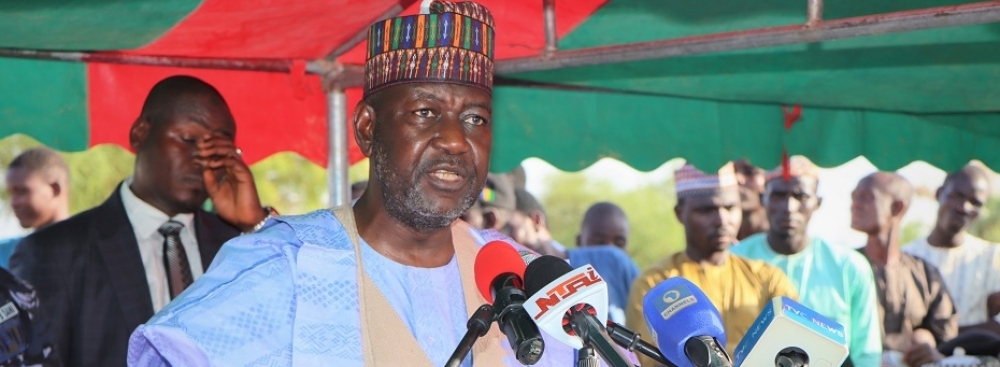
Speech by President Muhammadu Buhari represented by the Honourable Minister of Power, Engr Abubakar D. Aliyu at The Completion and Handover of Nguru-Gashua-Bayamari Road in Yobe State on Saturday, 2nd July, 2022
On behalf of the Federal Government and President Muhammadu Buhari, I bring best wishes to the Government and people of Yobe State.
Our commitment to improving road transport infrastructure, our determination to improve the ease of doing business, create jobs and prosperity to lift people out of poverty brings us here today because the results of our investment are manifesting.
I can confidently say that as we enter the final lap of the tenure of the Buhari administration we are also entering a season of completion and delivery of projects.
As you can all see, we are handing over today the 55 Kilometre Road, which links Nguru-Gashua-Bayamari in Yobe State to Jigawa and Borno States. A very important Road that connects agrarian and trading communities to ease the movement of their farm products.
By linking these communities together, this road becomes a critical component of our national road network.
This road has been built to the highest quality of design and workmanship and if is well used and not abused, it should last for the designed service life.
Road abuse takes many forms such as overloading of vehicles and trucks which accelerates pavement damage, spilling of petroleum products, which dissolves all the components and allows water to penetrate, and converting the road shoulders to permanent parking places, that brings the onset of road failure from the shoulder.
We must all do our best to avoid these practices, report them when they occur and act in a lawful manner to stop them.
The road is also a story of the capacity of our people. The patriotic Nigerians who were employed directly to build this road, the scores of suppliers employed indirectly who are responsible for providing the machines utilized in the construction.
These are not only nation builders to whom we offer our salutations, they are the heart of the Nigerian economy, the micro, small and medium enterprises that drive our economic growth.
This road is also a statement of economic efficiency and ease of doing business.
This is because the travel time before construction has now reduced since the completion of the road.
Of course, this road is part of our many roads to prosperity because reduced journey times means reduced expense on travel, because time is money.
This road also symbolizes change as you will observe in the road furniture, such as the lane markings and Route Assurance signs.
These components had all but disappeared on our highways but our commitment to change has restored them, with the markings helping drivers to achieve better lane management and control of their vehicles; while the Route Assurance signs provide information about how much further or longer, the drivers and commuters have to travel and the distance to the next village, town or state.
Of course, another element of change is the travel experience on a new and well-built road from the old and previously unmotorable road.
Now that we have this new and well-built road, we have duties to ourselves and to other road users.
One of those duties is to ensure that we drive in accordance with the law as stipulated in the Highway Code.
Accordingly, for the avoidance of any doubt, I wish to reiterate that the maximum driving speed on this and other Federal Highways nationwide is 100 (ONE HUNDRED) KM PER HOUR and no more.
On behalf of the Federal Government and President Muhammadu Buhari, I formally declare this Nguru-Gashua-Bayamari Road in Yobe State completed and open for public use.
For your safety and that of other road users, I implore you not to exceed 100 KM PER HOUR.
We want you alive to witness and be part of the prosperity and promise of Nigeria.
I wish you safe and happy motoring.
Engr. Abubakar D. Aliyu, FNSE
Honourable Minister of Power
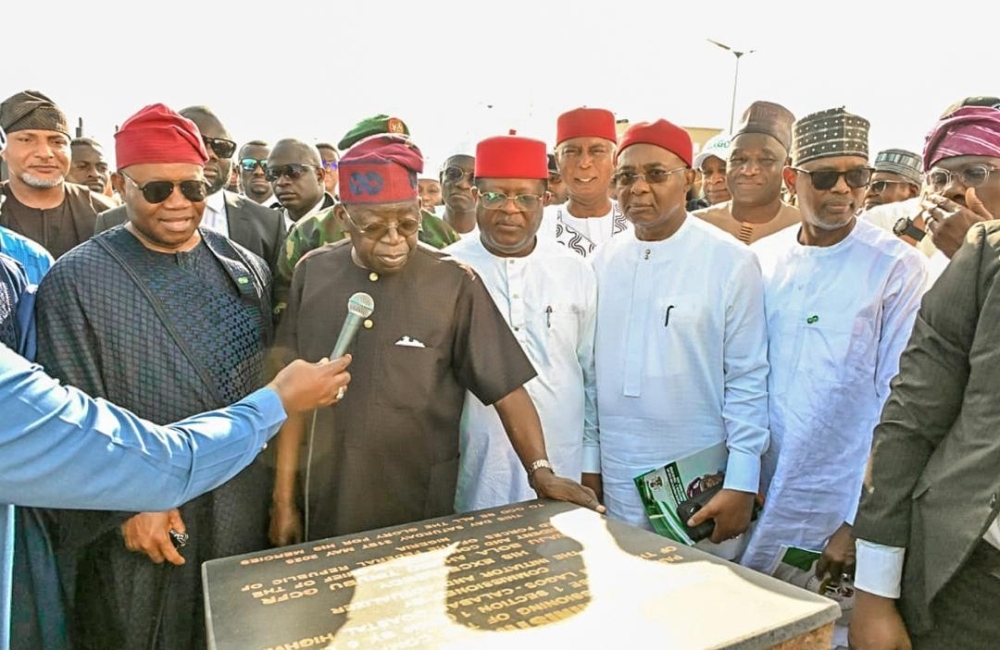
DRIVING NIGERIA’S FUTURE: CELEBRATING TWO YEARS OF TRANSFORMATIVE LEADERSHIP AND THE LAGOS-CALABAR COASTAL HIGHWAY MILESTONE
DRIVING NIGERIA’S FUTURE: CELEBRATING TWO YEARS OF TRANSFORMATIVE LEADERSHIP AND THE LAGOS-CALABAR COASTAL HIGHWAY MILESTONE
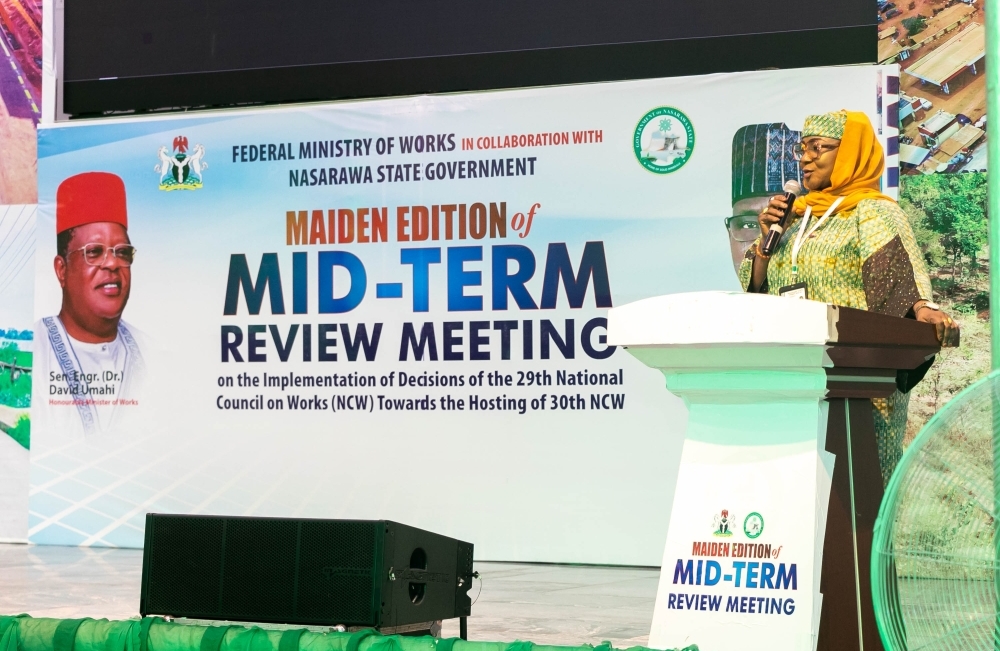
MID -TERM REVIEW MEETING ON THE IMPLIMENTATION OF THE DECISIONS REACHED AT THE 29TH NATIONAL COUNCIL ON WORKS (NCW) DAY 1
MID -TERM REVIEW MEETING ON THE IMPLIMENTATION OF THE DECISIONS REACHED AT THE 29TH NATIONAL COUNCIL ON WORKS (NCW) DAY 1