GORONYO COMMENDS SOKOTO GOVERNOR FOR DONATING 10 HILUX VEHICLES TO STRENGTHEN SECURITY ALONG SOKOTO–BADAGRY SUPERHIGHWAY
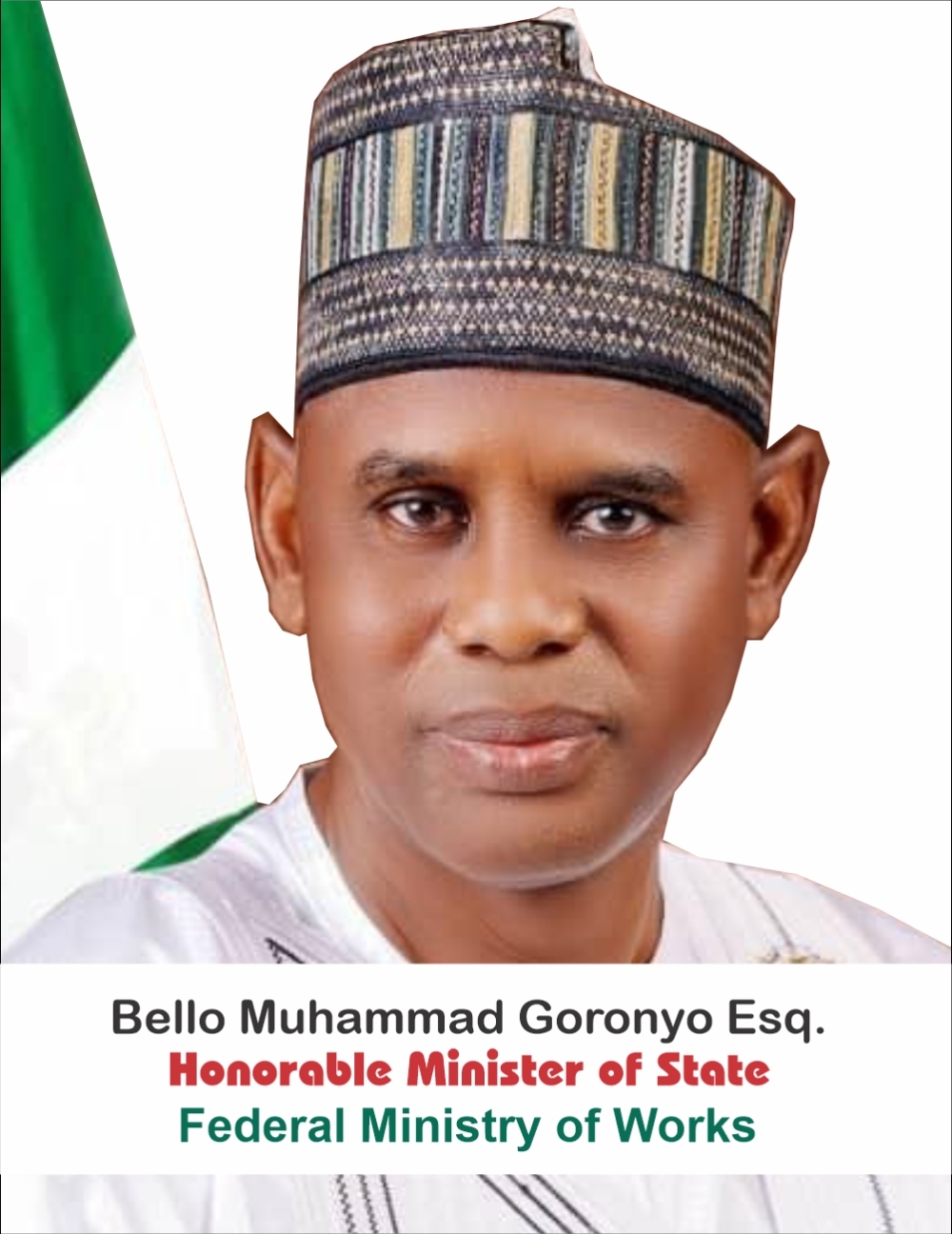
The Honourable Minister of State for Works, Rt. Hon. Bello Muhammad Goronyo, Esq., has commended the Governor of Sokoto State, Dr. Ahmed Aliyu Sokoto, PhD, for donating 10 operational Toyota Hilux vehicles to strengthen security operations along the Sokoto–Badagry Superhighway and other strategic infrastructure corridors.
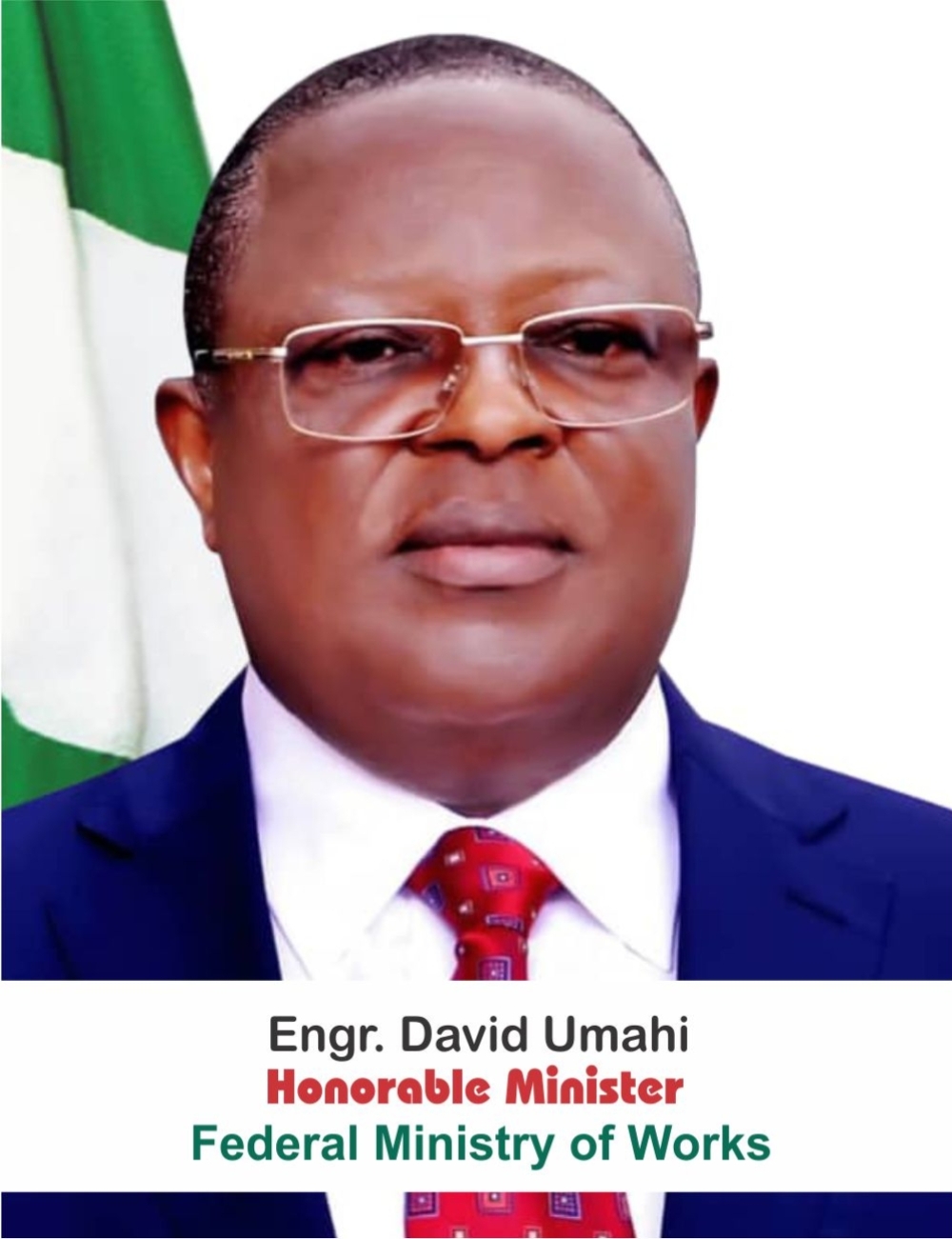
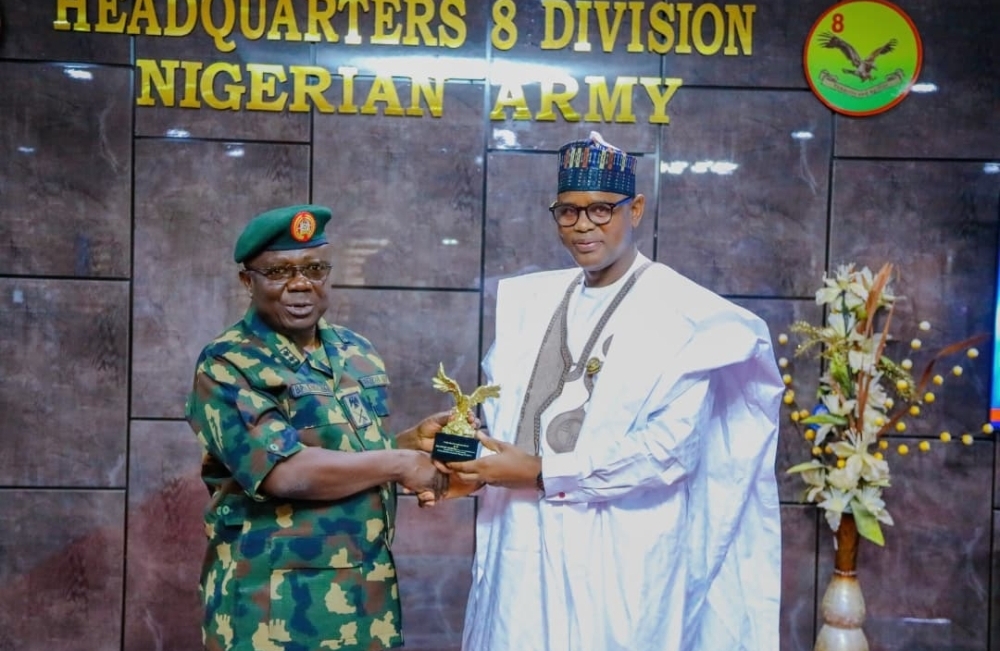
The vehicles were formally commissioned and handed over to the Nigerian Army at the Headquarters of the 8 Division, Nigerian Army, Sokoto, on Thursday, October 8, 2026, by the Honourable Minister of State for Works, on behalf of the Honourable Minister of Works, Engr. David Nweze Umahi, CON, FNSE.
The donation is expected to enhance the operational capacity of military personnel and other security agencies responsible for protecting construction workers, contractors, equipment and host communities along the highway corridor.
Speaking during the ceremony, Goronyo described the donation as a demonstration of the Sokoto State Government’s commitment to national development and the successful implementation of President Bola Ahmed Tinubu, GCFR’s Renewed Hope Agenda, particularly its landmark infrastructure projects.
The Minister emphasised that the Sokoto–Badagry Superhighway represents a long-standing national infrastructure vision that dates back several decades, with its conception traced to the era of former President Shehu Shagari in the 1970s. However, the vision remained unrealised for decades until the administration of President Bola Ahmed Tinubu, GCFR, initiated the construction of the 1,068-kilometre highway in October 2024.
He described the project as a significant step towards translating a historic aspiration into tangible infrastructure that will connect communities, expand economic opportunities and strengthen national integration.
According to Goronyo, President Tinubu’s commitment to the project demonstrates the Federal Government’s determination to bridge critical infrastructure gaps and improve connectivity between northern and southern Nigeria.
He noted that the superhighway, which traverses Sokoto, Kebbi, Niger, Kwara, Oyo, Ogun and Lagos states, is designed to facilitate the movement of people and goods, reduce transportation costs, stimulate trade, create employment and open up new economic opportunities along its route.
The Minister added that the highway would improve access to markets, schools, healthcare facilities and other essential services while supporting agriculture, commerce, industry and the development of communities across the corridor.
He stressed that the successful delivery of the project would require sustained commitment, effective coordination and cooperation among the Federal Government, state governments, security agencies, contractors and host communities.
Goronyo maintained that effective security remained essential to the timely and successful completion of the Sokoto–Badagry Superhighway. He explained that the provision of operational vehicles would strengthen the mobility and response capabilities of security personnel deployed to safeguard the project and its surrounding communities.
The Minister highlighted other strategic infrastructure projects being undertaken by the Federal Government, including the Lagos–Calabar Coastal Highway, the Calabar–Abuja/Trans-Saharan corridor, the Akwanga–Jos–Bauchi–Gombe corridor, the Abuja–Kaduna–Zaria–Kano route and the Zaria–Gusau–Sokoto corridor.
He explained that these projects form part of the Federal Government’s broader commitment to developing an integrated road network capable of supporting commerce, strengthening inter-state connections and accelerating national economic growth.
Rt. Hon. Goronyo further noted that the use of continuously reinforced concrete pavement on the Sokoto–Badagry Superhighway was intended to provide durable road infrastructure capable of serving Nigerians for decades. He added that complementary environmental and safety measures, including tree planting and solar-powered street lighting where provided for in the project, would contribute to environmental sustainability, visibility and road safety.
Goronyo commended the Nigerian Army and other security agencies for their resilience, professionalism and sacrifices in protecting lives, property and critical national infrastructure. He acknowledged the difficult conditions under which security personnel operate and urged them to remain steadfast in carrying out their constitutional responsibilities.
The Honourable Minister also expressed deep condolences to the Nigerian military over the reported loss of personnel in a bandit attack while on official duty the previous day. He described the loss as painful and extended his sympathy to the affected personnel, their colleagues and bereaved families, while praying for the peaceful repose of the departed and strength for their loved ones.
He further acknowledged the support of the National Security Adviser in addressing security challenges associated with the project, particularly through assistance and coordination aimed at strengthening security operations along the highway corridor.
Reaffirming his commitment to the Federal Government’s infrastructure development agenda, Goronyo said the Ministry of Works would continue to support the implementation of strategic projects under President Tinubu’s leadership, working in collaboration with relevant stakeholders to ensure their successful delivery.
He expressed optimism that the continued implementation of the Federal Government’s development programmes would bring lasting benefits to Nigerians, while acknowledging the complementary role of the Sokoto State Government in supporting infrastructure development and security.
In his remarks, the General Officer Commanding (GOC), 8 Division, Nigerian Army, Sokoto, Major General Bengba Paul Koughna, expressed appreciation to the Federal Government, the Federal Ministry of Works and the Sokoto State Government for the donation of the 10 Hilux vehicles.
The GOC noted that the vehicles would significantly enhance the operational mobility and response capabilities of troops deployed along the highway corridor, particularly across the approximately 440-kilometre section extending through Sokoto and Kebbi states.
He explained that troops conduct regular patrols and maintain multiple deployment points along the corridor, making the additional vehicles a valuable boost to their operational effectiveness.
He assured the Minister that the vehicles would be deployed appropriately to support security operations and protect construction workers, contractors, equipment and other stakeholders involved in the project.
The GOC also commended the representative of Hitech Construction Company, retired General Sa'ad Abubakar, for the company's involvement in the project.
The event was attended by retired Assistant Inspector-General of Police (AIG) Aliyu Garba, officials of the Federal Ministry of Works, representatives of the Sokoto State Government and other stakeholders.
The donation underscores the importance of sustained collaboration among the Federal Government, state governments, security agencies, contractors and host communities in addressing security challenges and ensuring the safe and timely delivery of strategic infrastructure projects.
The Federal Ministry of Works reiterates its commitment to working with all relevant stakeholders to protect national infrastructure and advance the objectives of President Bola Ahmed Tinubu, GCFR’s Renewed Hope Agenda for sustainable economic growth and development.

GORONYO COMMENDS SOKOTO GOVERNOR FOR DONATING 10 HILUX VEHICLES TO STRENGTHEN SECURITY ALONG SOKOTO–BADAGRY SUPERHIGHWAY The Honourable Minister of State for Works, Rt. Hon. Bello Muhammad Goronyo, Esq., has commended the Governor of Sokoto State, Dr. Ahmed Aliyu Sokoto, PhD, for donating 10 operational Toyota Hilux vehicles to strengthen security operations along the Sokoto–Badagry Superhighway and other strategic infrastructure corridors. The vehicles were formally commissioned and handed over to the Nigerian Army at the Headquarters of the 8 Division, Nigerian Army, Sokoto, on Thursday, October 8, 2026, by the Honourable Minister of State for Works, on behalf of the Honourable Minister of Works, Engr. David Nweze Umahi, CON, FNSE. Speaking during the ceremony, Goronyo described the donation as a demonstration of the Sokoto State Government’s commitment to national development and the successful implementation of President Bola Ahmed Tinubu, GCFR’s Renewed Hope Agenda, particularly its landmark infrastructure projects. The Minister emphasised that the Sokoto–Badagry Superhighway represents a long-standing national infrastructure vision that dates back several decades, with its conception traced to the era of former President Shehu Shagari in the 1970s. However, the vision remained unrealised for decades until the administration of President Bola Ahmed Tinubu, GCFR, initiated the construction of the 1,068-kilometre highway in October 2024. He described the project as a significant step towards translating a historic aspiration into tangible infrastructure that will connect communities, expand economic opportunities and strengthen national integration. According to Goronyo, President Tinubu’s commitment to the project demonstrates the Federal Government’s determination to bridge critical infrastructure gaps and improve connectivity between northern and southern Nigeria. The Minister added that the highway would improve access to markets, schools, healthcare facilities and other essential services while supporting agriculture, commerce, industry and the development of communities across the corridor. Goronyo maintained that effective security remained essential to the timely and successful completion of the Sokoto–Badagry Superhighway. He explained that the provision of operational vehicles would strengthen the mobility and response capabilities of security personnel deployed to safeguard the project and its surrounding communities. The Minister highlighted other strategic infrastructure projects being undertaken by the Federal Government, including the Lagos–Calabar Coastal Highway, the Calabar–Abuja/Trans-Saharan corridor, the Akwanga–Jos–Bauchi–Gombe corridor, the Abuja–Kaduna–Zaria–Kano route and the Zaria–Gusau–Sokoto corridor. Rt. Hon. Goronyo further noted that the use of continuously reinforced concrete pavement on the Sokoto–Badagry Superhighway was intended to provide durable road infrastructure capable of serving Nigerians for decades. He added that complementary environmental and safety measures, including tree planting and solar-powered street lighting where provided for in the project, would contribute to environmental sustainability, visibility and road safety. Goronyo commended the Nigerian Army and other security agencies for their resilience, professionalism and sacrifices in protecting lives, property and critical national infrastructure. He acknowledged the difficult conditions under which security personnel operate and urged them to remain steadfast in carrying out their constitutional responsibilities. The Honourable Minister also expressed deep condolences to the Nigerian military over the reported loss of personnel in a bandit attack while on official duty the previous day. He described the loss as painful and extended his sympathy to the affected personnel, their colleagues and bereaved families, while praying for the peaceful repose of the departed and strength for their loved ones. He further acknowledged the support of the National Security Adviser in addressing security challenges associated with the project, particularly through assistance and coordination aimed at strengthening security operations along the highway corridor. Reaffirming his commitment to the Federal Government’s infrastructure development agenda, Goronyo said the Ministry of Works would continue to support the implementation of strategic projects under President Tinubu’s leadership, working in collaboration with relevant stakeholders to ensure their successful delivery. He expressed optimism that the continued implementation of the Federal Government’s development programmes would bring lasting benefits to Nigerians, while acknowledging the complementary role of the Sokoto State Government in supporting infrastructure development and security. In his remarks, the General Officer Commanding (GOC), 8 Division, Nigerian Army, Sokoto, Major General Bengba Paul Koughna, expressed appreciation to the Federal Government, the Federal Ministry of Works and the Sokoto State Government for the donation of the 10 Hilux vehicles. The GOC noted that the vehicles would significantly enhance the operational mobility and response capabilities of troops deployed along the highway corridor, particularly across the approximately 440-kilometre section extending through Sokoto and Kebbi states. He explained that troops conduct regular patrols and maintain multiple deployment points along the corridor, making the additional vehicles a valuable boost to their operational effectiveness. He assured the Minister that the vehicles would be deployed appropriately to support security operations and protect construction workers, contractors, equipment and other stakeholders involved in the project. The GOC also commended the representative of Hitech Construction Company, retired General Sa'ad Abubakar, for the company's involvement in the project. The event was attended by retired Assistant Inspector-General of Police (AIG) Aliyu Garba, officials of the Federal Ministry of Works, representatives of the Sokoto State Government and other stakeholders. The Federal Ministry of Works reiterates its commitment to working with all relevant stakeholders to protect national infrastructure and advance the objectives of President Bola Ahmed Tinubu, GCFR’s Renewed Hope Agenda for sustainable economic growth and development.
The donation is expected to enhance the operational capacity of military personnel and other security agencies responsible for protecting construction workers, contractors, equipment and host communities along the highway corridor.
He noted that the superhighway, which traverses Sokoto, Kebbi, Niger, Kwara, Oyo, Ogun and Lagos states, is designed to facilitate the movement of people and goods, reduce transportation costs, stimulate trade, create employment and open up new economic opportunities along its route.
He stressed that the successful delivery of the project would require sustained commitment, effective coordination and cooperation among the Federal Government, state governments, security agencies, contractors and host communities.
He explained that these projects form part of the Federal Government’s broader commitment to developing an integrated road network capable of supporting commerce, strengthening inter-state connections and accelerating national economic growth.
The donation underscores the importance of sustained collaboration among the Federal Government, state governments, security agencies, contractors and host communities in addressing security challenges and ensuring the safe and timely delivery of strategic infrastructure projects.
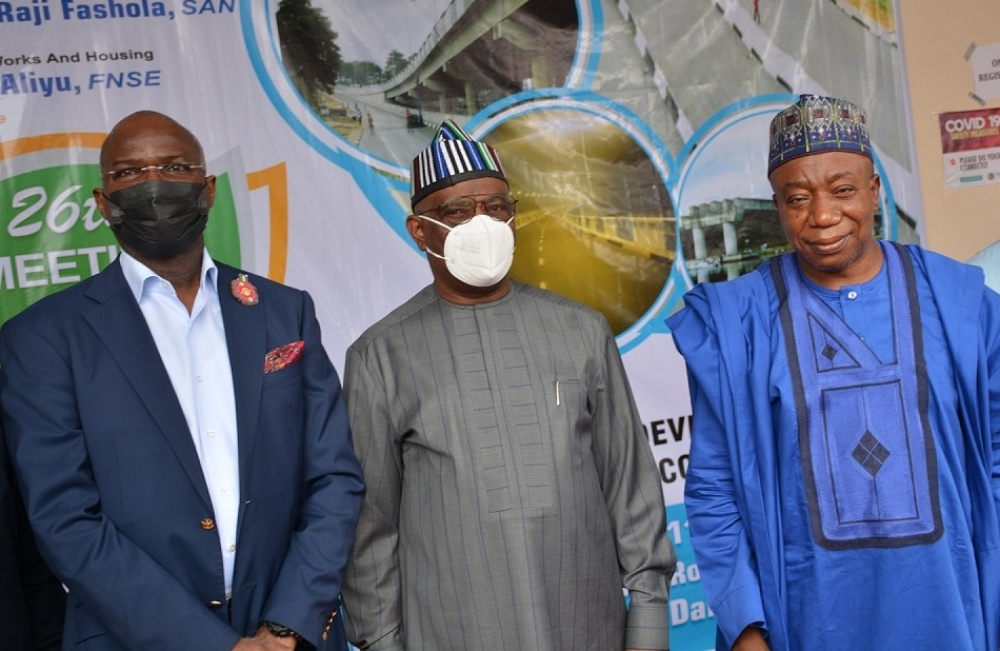
How We Are Mitigating the Impact of Covid 19 - Fashola The Minister of Works and Housing, Mr. Babatunde Fashola, SAN has revealed the contribution of his Ministry to the efforts of the Federal Government to overcome the economic downturn occasioned by the impact of Covid 19. Fashola made this disclosure in his address at the 26th National Council on Works in Port-Harcourt, Rivers State which took place from December 7- 11,2020. Fashola said the impact of the disease on livelihood and the global economy led countries across the globe to design and implement measures and policies to keep their economies going and reflate them. The Minister said the Federal Government under President Muhammadu Buhari developed the Economic Sustainability Plan in order to provide work, increase opportunities and sustain productivity with the Ministry of Works and Housing as one of the focal MDAS for the implementation of the policy. Fashola said by May, 2020 11 of the biggest contractors of government returned to work in 26 states in addition to maintenance work by the Federal Road Maintenence Agency in 92 locations across 24 states of the Federation. All these according to Fashola contributed greatly to economic recovery with an increase of 41.81% in7 quarrying and other mineral deposits, 11.96% in cement manufacturing and 2.64% in construction. He added that there is an increase in wealth distribution as a result of increased economic activities and job creation in communities where construction works are going on. In his speech, the Rivers State Governor, Barrister Nyesom Wike who expressed happiness over the opportunity given to his state to host the event said, "Because most developed countries understand the critical link between transport infrastructure and economic advancement, they have successfully built their economic prosperity on the back of investing in adequate and modern transport infrastructure." Governor Wike said Nigeria cannot be an exception if it must realise basic developmental goals and make life more meaningful for the people. The Chairman Senate Committee on Works, Senator Adamu Aliero in his remarks commended the Federal Government under the leadership of President Buhari for initiating various financial mechanisms such as the SUKUK Fund, the Presidential Initiative on Infrastructure Development Fund for road construction and rehabilitation to complement budgetary provisions which was grossly inadequate. He expressed the determination of the National Assembly to continue to support the developmental initiatives of the government. ...
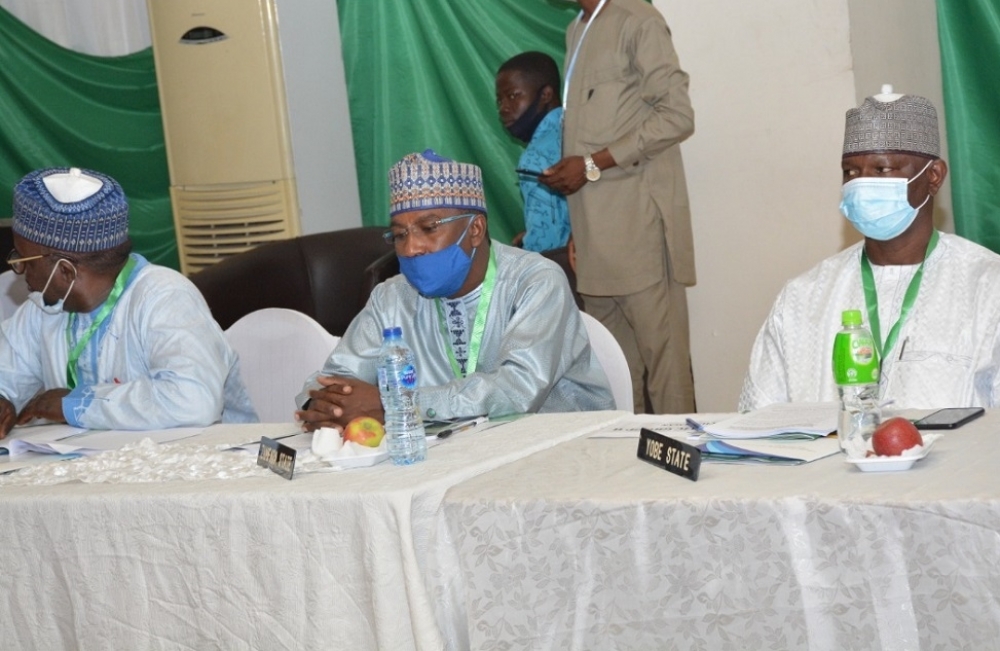
FG Reaffirms Commitment to Complete All Iconic Road Projects Across the Country The Permanent Secretary Federal Ministry of Works and Housing, Mr. Ernest Umakhihe has reaffirmed the commitment of the Federal Government to complete on-going iconic road infrastructure across the country. The Permanent Secretary made this known this morning while delivering a speech at the on-going 26th National Council on Works in Port Harcourt, Rivers State which started on Monday, December 7, 2020. Mr Umakhihe said, "The Federal Government is committed to completing some iconic projects such as the 2nd Niger Bridge, Bodo-Bonny Road, Abuja-Kaduna- Kano Express Way and Obajana-Kabba Road in Kogi State." "In the same vein, Government is also committed to completing the Sukuk Bond financed roads projects across the six geo-political zones of the country and maintain schedule maintenance of 5,000 kilometers of roads annually." He disclosed that the Ministry has over 700 on-going road projects across the country including road intervention projects in higher institutions of learning. Mr. Umakhihe explained that the commitment of government was premised on the determination to reduce poverty by creating wealth through road infrastructure development in both rural and urban areas of the country, adding that the objective of this year's Council was to propose viable actions to impact positively on national economic development in the country. Earlier in his address, the Rivers State Commissioner of Works, Elloka Tasie-Amadi Esq stated that the Rivers State Government was delighted to host the meeting because the theme of the Council meeting echoed one of the policy thrust of the Rivers State Government, which is road infrastructure development. Citing the saying of the Chinese thus "If you want to be rich, build roads first" the Commissioner said his state government was aware that every positive step taken in the area of road infrastructure development impacts on the entire nation and its citizens. Tasie- Amadi further said the indices upon which the development of a nation is judged are based on the happenings in the states that make up the nation added that Rivers State Government was adding value to the development of the nation. He said, "For every infrastructure project we embark upon, we are fully aware that these contribute to the National Economic Growth be it a state or federal project." The Council meeting continues tomorrow with the meeting of Commissioners of Works in the 36 States and FCT to be Chaired by the Hon. Minister of Works and Housing, Mr. Babatunde Raji Fashola, SAN. ...
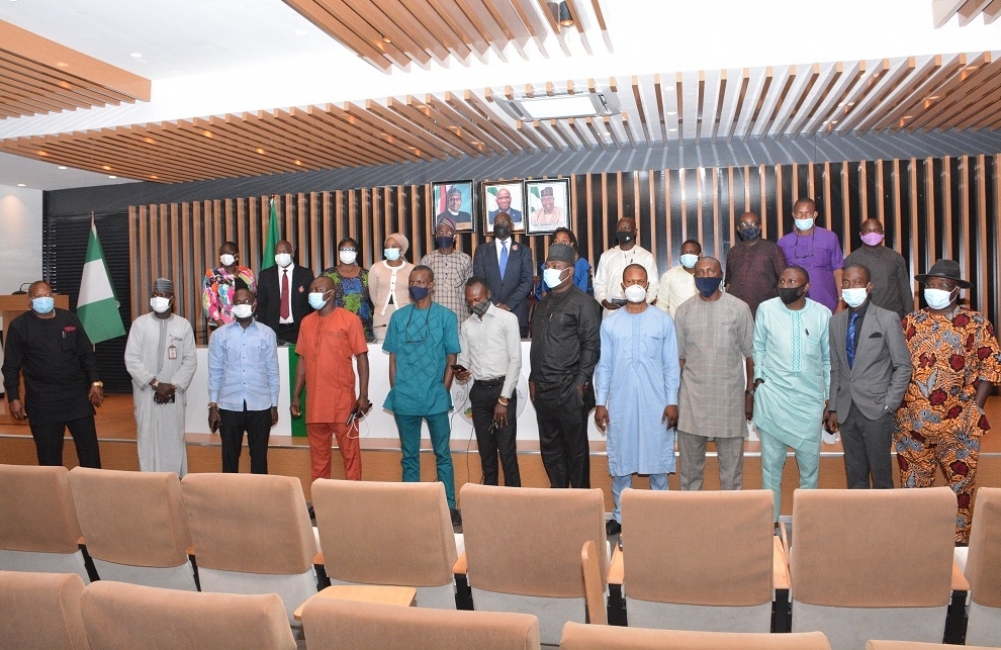
FG Doing A Lot Under the Special Projects Unit –Fashola The Minister of Works and Housing, Mr. Babatunde R Fashola, SAN has disclosed that the Federal Government is executing a lot of projects under the Special Projects Unit. The Minister made the disclosure during an interactive session with a group of journalists under the auspices of the All Progressive Congress, (APC), Press Corps who paid him a visit at the headquarters of the Federal Ministry of Works and Housing in Mabushi, Abuja. The Minister said a total of 3,109 projects had been executed between 2016 and 2019 consisting of 1,100 classrooms, 179 road projects, 79 maternity and healthcare centres and 6,656 solar light projects installed across one hundred and four locations as well as some solar powered water facilities. The Minster who explained that currently, rehabilitation and maintenance work on highways is going on across the nation said, out of 35,000 kilometres road networks in the country, 13,000 kilometres were currently at various stages of repair. Adding that work on some roads have been completed and being used. Disclosing that the reason for the delay in Auchi – Okpella Road is ecological and environmental, Fashola added, “The contractor is funded but there is a drainage problem there, if we choose the option we have, it will flood an entire community. The alternative is to build a bypass around the community, it becomes a longer road that has to be designed. It is an environmental and ecological problem we have to find a way to solve it”. The Minister explained that because roads and road materials will behave differently in different parts of the country as a result of ecological and environmental conditions that was why concrete roads were being introduced in some places. While speaking on bridge construction and repairs the Minister said that a surveillance of all bridges in the country had been conducted and work had started from the most critical ones. He gave examples of the Kotonkarfe Bridge, Tambuwal Bridge, Eko Bridge, 3rd Mainland Bridge, Marine Bridge, Chachangi Bridge and the old Niger Bridge which he said were being maintained while work is ongoing in the new bridge. Earlier, the chairman of the Corps Mr. Jide Orintunsi who works with the Nation Newspapers said they were in the Ministry to interact with him on the activities of his Ministry as part of stewardship in public administration. ...
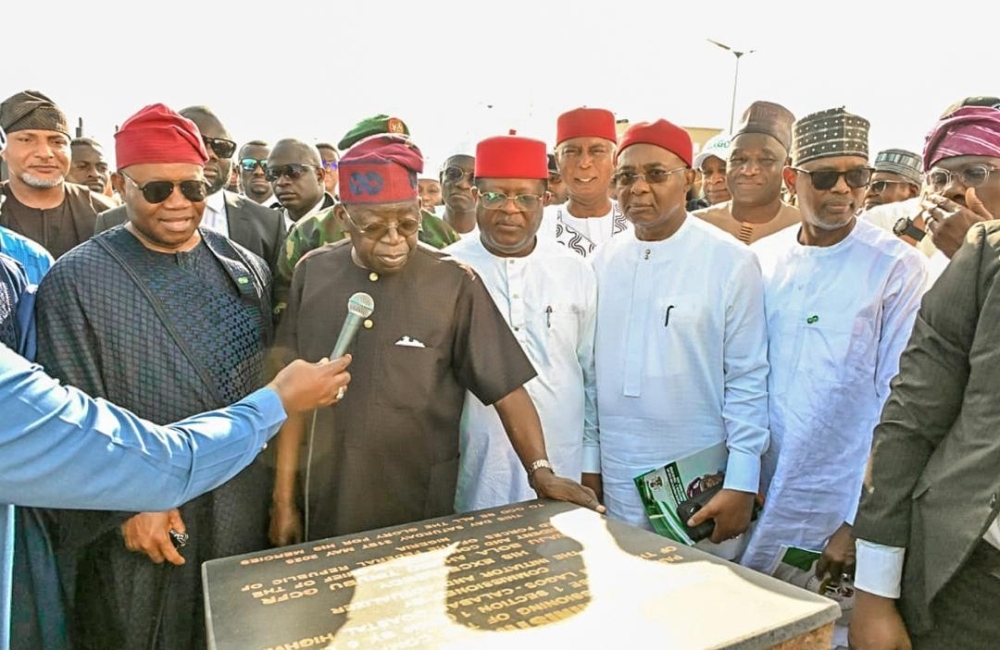
DRIVING NIGERIA’S FUTURE: CELEBRATING TWO YEARS OF TRANSFORMATIVE LEADERSHIP AND THE LAGOS-CALABAR COASTAL HIGHWAY MILESTONE
DRIVING NIGERIA’S FUTURE: CELEBRATING TWO YEARS OF TRANSFORMATIVE LEADERSHIP AND THE LAGOS-CALABAR COASTAL HIGHWAY MILESTONE
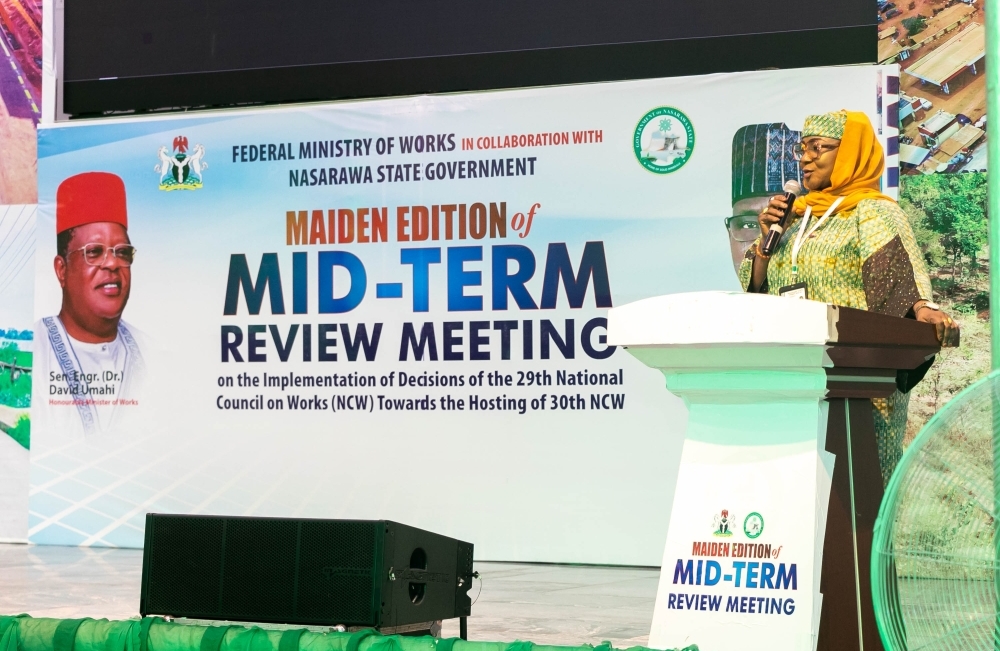
MID -TERM REVIEW MEETING ON THE IMPLIMENTATION OF THE DECISIONS REACHED AT THE 29TH NATIONAL COUNCIL ON WORKS (NCW) DAY 1
MID -TERM REVIEW MEETING ON THE IMPLIMENTATION OF THE DECISIONS REACHED AT THE 29TH NATIONAL COUNCIL ON WORKS (NCW) DAY 1