PRESIDENT TINUBU REITERATES COMMITMENT TO QUALITY INFRASTRUCTURE DELIVERY AT THE 34TH COREN ENGINEERING ASSEMBLY
President Bola Ahmed Tinubu, GCFR, has reaffirmed the Federal Government's unwavering commitment to strengthening engineering regulations, promoting quality infrastructure, and safeguarding public safety across Nigeria.
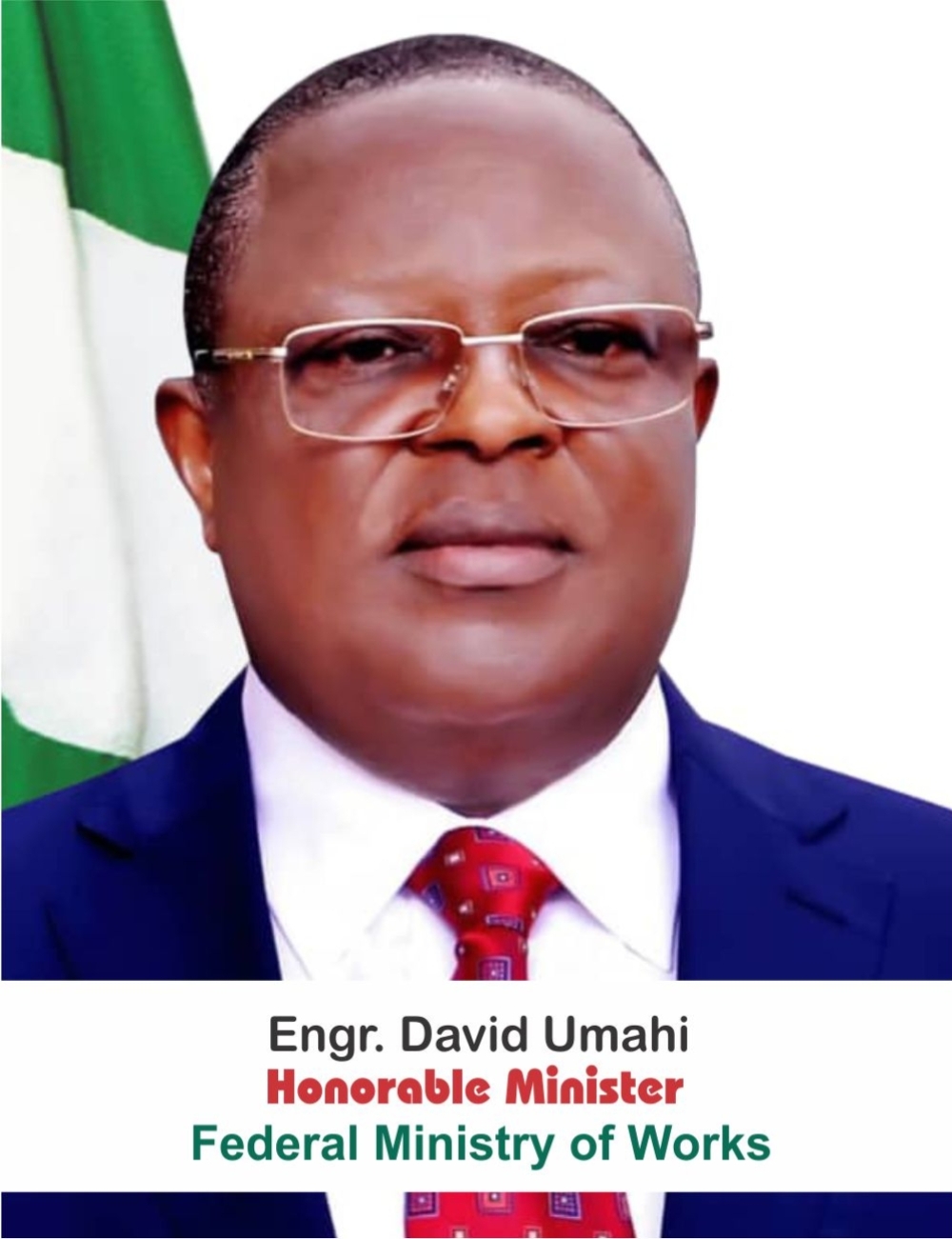
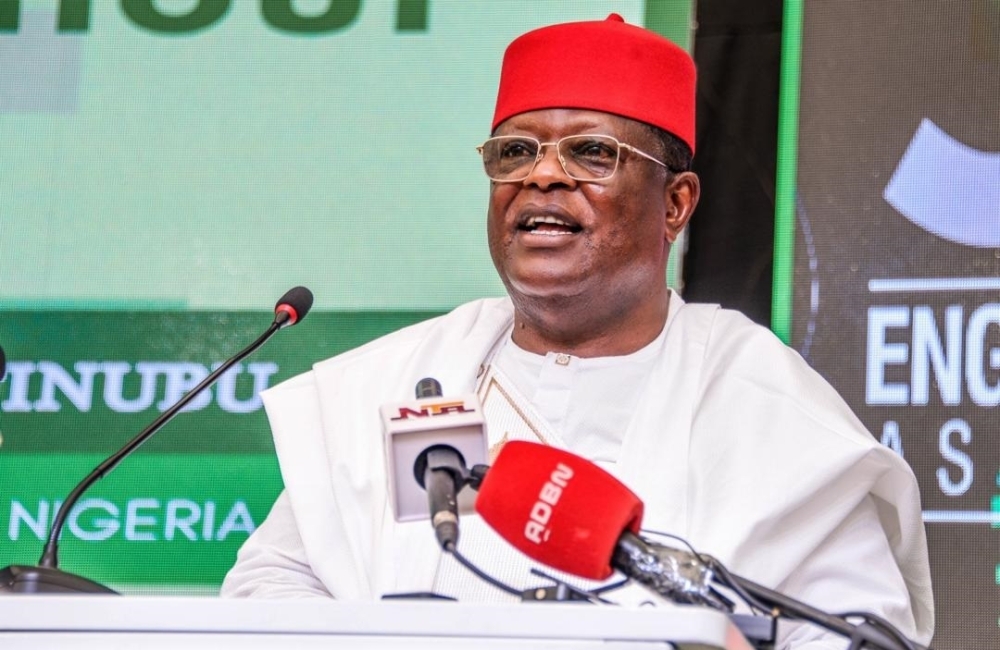
Represented by the Honourable Minister of Works, *Engr. David Umahi, CON, FNSE, FNATE *, while declaring open the 34th COREN Engineering Assembly, the President described the Assembly’s theme, *"Advancing Public Safety in Nigeria through Strategic Engineering Regulatory Enforcement and a Tiered Sanctioning Regime,"* as timely and relevant to the nation’s developmental aspirations.
The President stated that engineering remains the backbone of national development and that effective regulatory enforcement is essential for protecting lives, ensuring quality infrastructure, and restoring public confidence in the engineering profession.
He stressed that regulations are not intended to punish professionals but to protect public interest, noting that *” no road, bridge, or building is more valuable than human life.”*
President Tinubu assured participants that his administration remains fully committed to completing the four (4) Legacy Road Projects across the six geopolitical zones, under the Renewed Hope Agenda. He described them as strategic investments that will transform the nation’s economy, improve connectivity, and stimulate sustainable development.
The Honourable Minister of Works commended the Council for the Regulation of Engineering in Nigeria (COREN) for choosing an apt theme that aligns with the Federal Government’s vision for quality infrastructure delivery and adherence to public safety.
He noted that engineering is a profession where mistakes can cost human lives, emphasising that, unlike many other professions, there is often no opportunity for appeal after a structural failure. He, therefore, called for stronger regulations, strict enforcement, and effective sanctions against unqualified practitioners and professionals, who compromise ethics and standards.
Engr. Umahi stressed that site engineers must discharge their responsibilities professionally and should never allow contractors to dictate engineering decisions. He urged Council to strengthen its disciplinary mechanisms, similar to other professional regulatory bodies, to ensure that only qualified engineers are allowed to practice.
The Minister highlighted the achievements of President Tinubu’s administration, especially the ongoing Legacy Road Projects spread across all the geopolitical zones, designed to improve economic integration, enhance national security, create employment opportunities, and stimulate investment.
He expressed confidence that with continued discipline, transparency, and adherence to engineering ethos, Nigeria’s infrastructure deficit would be significantly reduced within the coming years.
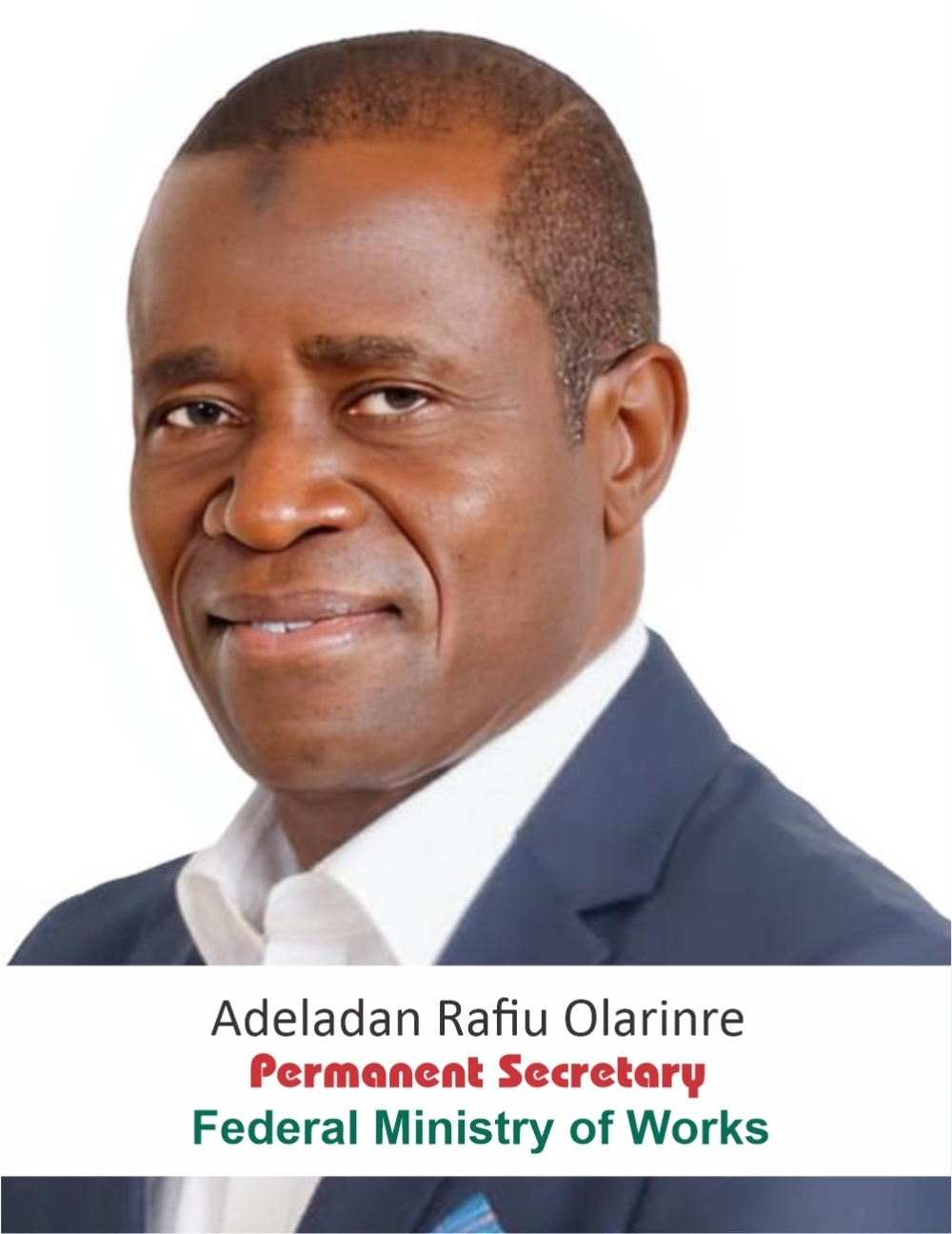
Presenting the *Keynote Address* on behalf of the Honourable Minister, the *Permanent Secretary, Federal Ministry of Works, Mr. Rafiu Adeladan,* stated that the Renewed Hope Agenda places infrastructure development at the centre of Nigeria’s economic transformation. He explained that the Ministry is implementing four major Legacy Projects across the geopolitical zones to connect communities, promote commerce, improve national integration, and encourage investment.
The Permanent Secretary emphasised that quality assurance, competence, professionalism, and independence amongst stakeholders remain fundamental requirements for sustainable infrastructure development. He urged engineers to uphold ethical standards, comply strictly with engineering regulations and best practices, and strengthen resilience through adherence to due process
The Chairman of the occasion, *Alhaji Aliko Dangote, GCON,* represented by *Prof. Hassan Umaru* described the Assembly as timely and significant, noting that engineering excellence remains the foundation of public trust, industrial competitiveness, and national development.
He observed that every infrastructure project must be executed according to approved standards and maintained throughout its lifespan. Drawing from the experience of the *Dangote Refinery* project, he explained that rigorous engineering design, quality control, technical discipline, and strict compliance with standards were critical to its successful delivery.
The Chairman called for sustained excellence within the engineering profession and urged COREN to continue strengthening regulatory frameworks, while enforcing disciplinary measures against erring practitioners, in order to safeguard lives and property.
In his *Welcome Address,* the *President of COREN, Engr. Prof. Sadiq Zubair Abubakar, FNSE,* outlined the Council’s statutory responsibility of regulating engineering education and practice in Nigeria, in line with international standards and recommended practices.
He explained that engineering graduates are expected to undergo mandatory industrial training before participating in the National Youth Service Corps (NYSC), describing practical exposure as critical to professional competence.
Prof. Abubakar further disclosed that COREN has successfully introduced digital verification and enforcement systems to improve transparency, eliminate fraudulent practices, and strengthen regulatory compliance.
He assured members that the Council would continue to uphold integrity, professionalism, and accountability, while addressing attempts by some practitioners to circumvent established standards. According to him, engineering regulation must remain transparent, sustainable, and effective in preventing infrastructure failures across the country.
In his introductory remarks, *Prof. O. A. U. Uche* emphasised the importance of sustaining quality infrastructure development through continuous improvement in engineering practice. He described infrastructure development as a collective responsibility requiring collaboration among government, professional bodies, academia, industry, and private sector stakeholders. In this vein, he, therefore, called for stronger synergy in advancing engineering excellence and national development.
The *Honourable Minister of Innovation, Science and Technology, Dr. Bosun Tijjani*, stated that science, technology, and engineering remain critical drivers of economic growth, innovation, and public safety. He pledged continued collaboration between the Ministry and engineering regulatory agencies.
Representing the Nigeria Governors' Forum, the *Governor of Plateau State, Barr. Caleb Mutfwang,* opined that engineering is one of the most respected professions globally and emphasised the need to create an enabling environment for engineers to thrive, while sustaining public safety and economic development.
The *National Chairman of the All Progressives Congress (APC), Professor Nentawe Yilwatda*, commended COREN for its achievements in regulating engineering practice. He described engineers as the backbone of national development and praised the Federal Ministry of Works, under the leadership of Engr. David Umahi for the remarkable progress recorded on the four Legacy Road Projects and others across the six geopolitical zones.
He congratulated the Ministry for its commitment to quality infrastructure and affirmed that Nigerian engineers continue to distinguish themselves through professionalism and excellence both nationally and internationally.
The 34th Engineering Assembly reaffirms
COREN’s commitment to strengthening engineering regulations, enforcement, and a tiered sanctioning regime to ensure public safety and sustainable infrastructure development in Nigeria.

President Bola Ahmed Tinubu, GCFR, has reaffirmed the Federal Government's unwavering commitment to strengthening engineering regulations, promoting quality infrastructure, and safeguarding public safety across Nigeria. Represented by the Honourable Minister of Works, *Engr. David Umahi, CON, FNSE, FNATE *, while declaring open the 34th COREN Engineering Assembly, the President described the Assembly’s theme, *"Advancing Public Safety in Nigeria through Strategic Engineering Regulatory Enforcement and a Tiered Sanctioning Regime,"* as timely and relevant to the nation’s developmental aspirations. The President stated that engineering remains the backbone of national development and that effective regulatory enforcement is essential for protecting lives, ensuring quality infrastructure, and restoring public confidence in the engineering profession. He stressed that regulations are not intended to punish professionals but to protect public interest, noting that *” no road, bridge, or building is more valuable than human life.”* President Tinubu assured participants that his administration remains fully committed to completing the four (4) Legacy Road Projects across the six geopolitical zones, under the Renewed Hope Agenda. He described them as strategic investments that will transform the nation’s economy, improve connectivity, and stimulate sustainable development. The Honourable Minister of Works commended the Council for the Regulation of Engineering in Nigeria (COREN) for choosing an apt theme that aligns with the Federal Government’s vision for quality infrastructure delivery and adherence to public safety. He noted that engineering is a profession where mistakes can cost human lives, emphasising that, unlike many other professions, there is often no opportunity for appeal after a structural failure. He, therefore, called for stronger regulations, strict enforcement, and effective sanctions against unqualified practitioners and professionals, who compromise ethics and standards. Engr. Umahi stressed that site engineers must discharge their responsibilities professionally and should never allow contractors to dictate engineering decisions. He urged Council to strengthen its disciplinary mechanisms, similar to other professional regulatory bodies, to ensure that only qualified engineers are allowed to practice. The Minister highlighted the achievements of President Tinubu’s administration, especially the ongoing Legacy Road Projects spread across all the geopolitical zones, designed to improve economic integration, enhance national security, create employment opportunities, and stimulate investment. He expressed confidence that with continued discipline, transparency, and adherence to engineering ethos, Nigeria’s infrastructure deficit would be significantly reduced within the coming years. Presenting the *Keynote Address* on behalf of the Honourable Minister, the *Permanent Secretary, Federal Ministry of Works, Mr. Rafiu Adeladan,* stated that the Renewed Hope Agenda places infrastructure development at the centre of Nigeria’s economic transformation. He explained that the Ministry is implementing four major Legacy Projects across the geopolitical zones to connect communities, promote commerce, improve national integration, and encourage investment. The Permanent Secretary emphasised that quality assurance, competence, professionalism, and independence amongst stakeholders remain fundamental requirements for sustainable infrastructure development. He urged engineers to uphold ethical standards, comply strictly with engineering regulations and best practices, and strengthen resilience through adherence to due process The Chairman of the occasion, *Alhaji Aliko Dangote, GCON,* represented by *Prof. Hassan Umaru* described the Assembly as timely and significant, noting that engineering excellence remains the foundation of public trust, industrial competitiveness, and national development. He observed that every infrastructure project must be executed according to approved standards and maintained throughout its lifespan. Drawing from the experience of the *Dangote Refinery* project, he explained that rigorous engineering design, quality control, technical discipline, and strict compliance with standards were critical to its successful delivery. The Chairman called for sustained excellence within the engineering profession and urged COREN to continue strengthening regulatory frameworks, while enforcing disciplinary measures against erring practitioners, in order to safeguard lives and property. In his *Welcome Address,* the *President of COREN, Engr. Prof. Sadiq Zubair Abubakar, FNSE,* outlined the Council’s statutory responsibility of regulating engineering education and practice in Nigeria, in line with international standards and recommended practices. He explained that engineering graduates are expected to undergo mandatory industrial training before participating in the National Youth Service Corps (NYSC), describing practical exposure as critical to professional competence. Prof. Abubakar further disclosed that COREN has successfully introduced digital verification and enforcement systems to improve transparency, eliminate fraudulent practices, and strengthen regulatory compliance. He assured members that the Council would continue to uphold integrity, professionalism, and accountability, while addressing attempts by some practitioners to circumvent established standards. According to him, engineering regulation must remain transparent, sustainable, and effective in preventing infrastructure failures across the country. In his introductory remarks, *Prof. O. A. U. Uche* emphasised the importance of sustaining quality infrastructure development through continuous improvement in engineering practice. He described infrastructure development as a collective responsibility requiring collaboration among government, professional bodies, academia, industry, and private sector stakeholders. In this vein, he, therefore, called for stronger synergy in advancing engineering excellence and national development. The *Honourable Minister of Innovation, Science and Technology, Dr. Bosun Tijjani*, stated that science, technology, and engineering remain critical drivers of economic growth, innovation, and public safety. He pledged continued collaboration between the Ministry and engineering regulatory agencies. Representing the Nigeria Governors' Forum, the *Governor of Plateau State, Barr. Caleb Mutfwang,* opined that engineering is one of the most respected professions globally and emphasised the need to create an enabling environment for engineers to thrive, while sustaining public safety and economic development. The *National Chairman of the All Progressives Congress (APC), Professor Nentawe Yilwatda*, commended COREN for its achievements in regulating engineering practice. He described engineers as the backbone of national development and praised the Federal Ministry of Works, under the leadership of Engr. David Umahi for the remarkable progress recorded on the four Legacy Road Projects and others across the six geopolitical zones. He congratulated the Ministry for its commitment to quality infrastructure and affirmed that Nigerian engineers continue to distinguish themselves through professionalism and excellence both nationally and internationally. The 34th Engineering Assembly reaffirms
PRESIDENT TINUBU REITERATES COMMITMENT TO QUALITY INFRASTRUCTURE DELIVERY AT THE 34TH COREN ENGINEERING ASSEMBLY
COREN’s commitment to strengthening engineering regulations, enforcement, and a tiered sanctioning regime to ensure public safety and sustainable infrastructure development in Nigeria.
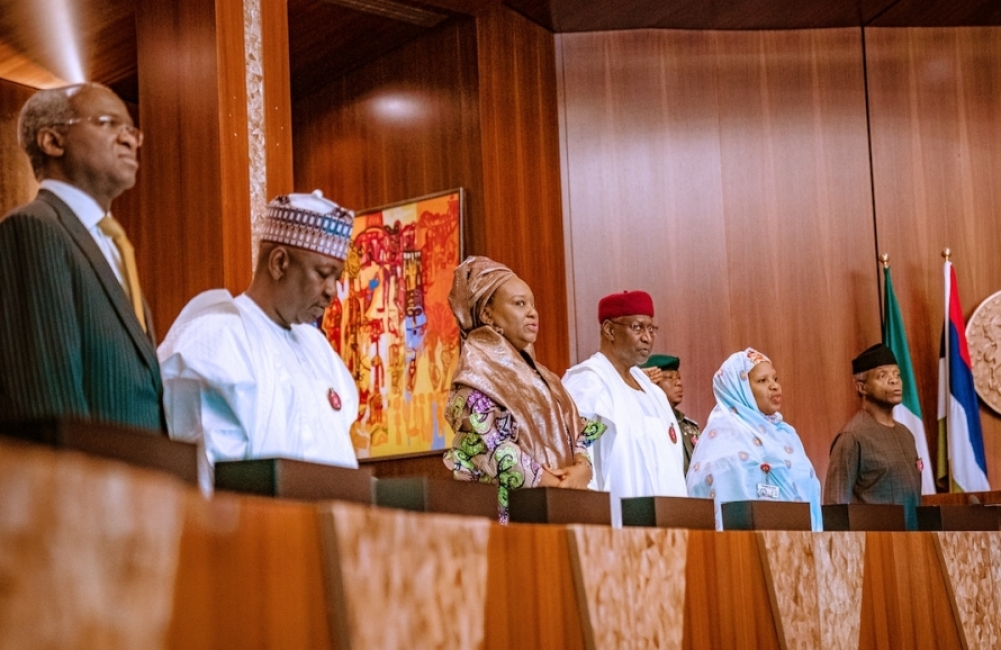
Day Fashola Dazzled At FEC Meeting Our Ministers have been giving their performance reports for the last quarter, and it was the turn of Mr Babatunde Raji Fashola last week, at the Federal Executive Council (FEC) meeting. The day a Minister gives performance report is akin to Judgement Day, as President Muhammadu Buhari listens raptly, asks probing questions, and then gives all the other FEC members opportunity to contribute. A reporting Minister may, therefore, leave the session, either walking tall, or like a rain beaten chicken. Fashola’s performance got everyone applauding. This is a government that has an unwavering focus on infrastructure: roads, bridges, rail, power, airports, houses, and many others. It is determined to reverse the severe deficit the country has, despite the humongous money we made from oil in the past two decades. Infrastructure is rickety and decrepit. As Minister for Works and Housing, a lot of the infrastructure projects fall within Fashola’s purview. And what did he tell the council meeting, with pictorial and video evidences, that got everyone applauding? Plenty, I tell you. When Ministers were sworn in August 2019, they were all given performance mandates. And the expectations from Fashola, as head of the Works and Housing sector include the following: * Build quality houses for Nigerians at lowest possible cost. * Construct at least 200,000 housing units a year by establishing modular construction facilities across the country. * Ensure completion of the 2nd Niger Bridge, Abuja-Kaduna-Kano Expressway, Obajana-Kabba Road. * Complete 64km of Sukuk Bond financed road projects. * Implement scheduled maintenance of 5,000 kilometers of roads annually * Actively collaborate with the private sector to create a large number of well-paying jobs for Nigerian youths. * Implement a strategy towards the realization of Mr President’s June 12 promise to take 100 million Nigerians out of poverty in the next 10 years. So, what has Fashola delivered so far? Utilizing pictures and video, he showed ongoing work on Abuja-Kaduna-Zaria-Kano road. Money being well spent. Second Niger Bridge? It has roared to life, after many decades of promises by many governments, which never did anything. But the Ekwueme (one that promises and delivers) is here now. Under President Buhari, the Bridge will be delivered, and no mistake. What’s the state of the 2nd Niger Bridge project? With videos and pictures, the Executive Council was brought up to speed with the scope of the works. Total length is 11.9Km, with the bridge itself being an approximate length of 1.6Km. Main works and associated infrastructure are in progress, and the chrysalis is bursting forth. In the words of colorful First Republic politician, K.O Mbadiwe, “come has finally come to become” for 2nd Niger Bridge. And history will record that Buhari did it, and Fashola was the midwife. I remember a private trip I made to Onitsha last December 30. I had been on the same flight with the Obi of Onitsha, His Royal Highness Nnaemeka Alfred Achebe, and with pride, he had told me: “While passing on the bridge, just look to your right, and you would see the 2nd Niger Bridge coming up. We are very grateful to President Muhammadu Buhari.” We also saw the state of Lokoja-Obajana-Kabba-Ilorin road, Oju/Loko-Oweto Bridge, Bida-Lambata road, Dualisation of Suleja-Minna road, Kano-Maiduguri road, Enugu-Port Harcort dual carriageway , Onitsha-Enugu Expressway, Bodo-Bonny project, Lagos-Ibadan Expressway, and many others round the country. The land has become one huge construction site, and from later this year, to 2021 and beyond, most of the projects will come out in bold relief, completed. What will the naysayers then say next? Instead of eating their words, and saluting the government, they will surely create other criticisms. There are also road projects in tertiary institutions round the country. Can you beat that? Even our schools are not forgotten. These include Universities of Benin, Bayero in Kano, Oye, in Ekiti, Maiduguri, Borno State, Lokoja, Kogi State, Ibadan, Owerri, Otuoke, in Bayelsa State, and many others. As the Minister made his presentation, I observed the President smiling in delight, grinning broadly at some other times, shaking his legs and rubbing his palms together. He saw money being well spent, the dividends of democracy being delivered to the people, and he was quite glad. On housing, over 1,094 housing units have been completed across the country under the first phase, and construction works are ongoing in 34 states and the Federal Capital Territory. Advertisement for the sale of the houses will soon be published. Video evidences of all the housing projects were made available. In all the housing projects, 455,048 direct jobs have been created, with 61,950 indirect ones. In the highway construction sector, 49,080 direct jobs were created, with 95,315 indirect ones. The Minister concluded: “It is undebatable that the government has made a very clear commitment for renewing and expanding Nigeria’s stock of infrastructure as a well thought out strategy for economic renaissance, diversification and delivery of sustained and inclusive growth. This commitment includes the delivery of roads, bridges, affordable housing and public buildings, which has exerted a huge strain on government resources that has compelled some borrowing.” Well, this is borrowing for development, and not borrowing to line individual pockets. So, it will be worth it at the end of the day. You know that Fashola has the gift of the gab. It is one thing to prepare a good report, it is another to deliver it well. He did both, and the necessary commendations followed. Minister of Interior, Rauf Aregbesola, described the report as “beautiful, well delivered, with good articulation.” He added: “Lawyers must have ability to deliver as part of their training.” Minister of Labour and Employment, Dr Chris Ngige, said Fashola’s delivery “is always as if he’s in court,” while Chief Godswill Akpabio, Minister of Niger Delta, commended President Buhari for a job well done, as seen in the activities of the Ministry of Works and Housing. Some leaders have passed through this country, and you can hardly point to two or three landmark projects they left behind. With President Buhari, it sure won’t be so. He’s the Ekwueme, the one who promises and delivers. ...
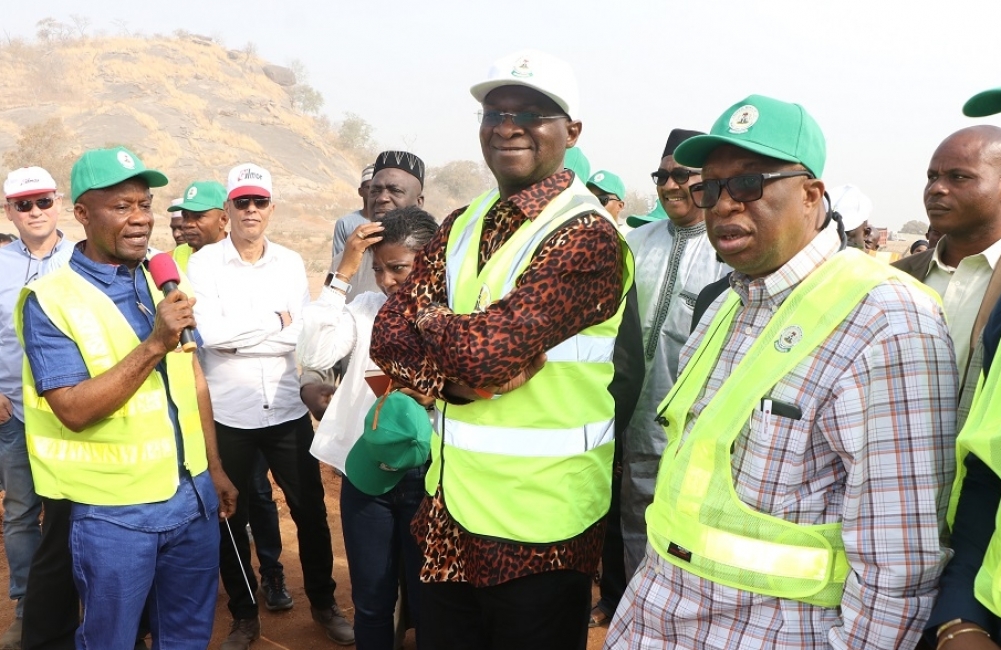
Buhari Making Economy Front And Centre Of Next Level Agenda- Fashola * Says concerns of Nigerians about borrowing and national debt, though legitimate, must be balanced with what citizens ask for * “The President is getting the job done; the economy is the front and centre with commitment to infrastructure”, says Minister * Advocates cooperation of host communities for successful completion of infrastructural projects * Underscores voluntary compliance as he warns truck drivers against parking and dumping petroleum products on highways The Minister of Works and Housing, Mr. Babatunde Fashola SAN, Tuesday concluded a two-day inspection tour of on-going Highway Projects in Niger State stating that President Muhammadu Buhari was making the Nation’s economy the front and centre of his administration’s Next Level Agenda. Speaking at Bokani Junction in Niger State where he was briefed on the progress of work on the Dualization of Jebba-Mokwa-Bokani Road (Section II), Fashola said the President, in making this decision, has chosen the development of infrastructure as anchor to achieve economic growth more quickly adding that the passing of the 2020 Budget in the first week of January was a clear indication of that decision. The Minister told hundreds of residents of Mokwa Community who trooped out to welcome him at the site, “Whether you notice or not, the President has been very clear in his commitment to build infrastructure”, adding that the passing of the annual budget in the first month of the year has not happened in the country for a very long time. “From the first day of the year, we already have a budget in place. That hasn’t happened for a budget to be in place in January in Nigeria for a long time”, he said adding that the economy forms “a very front and centre issue for the President and his Team”. Underscoring the readiness of the government to pursue the goal, Fashola, however advocated the cooperation of the communities hosting infrastructural projects across the country saying nothing would be achieved without the cooperation of the communities by way of peace and readiness to cede portions of their lands through which road projects must pass. The Minister, who noted that the present Dry Season, which, according to him is expected to last for the next five to six months, was the best time to work and make progress on the road projects, said the cooperation of the people would be paramount in order not to lose the advantage provided by the period. He told the community members, “This is the dry weather when we can do a lot of work if the communities cooperate with us”, adding that although the President has directed that states hosting Federal road projects should handle all compensation issues, the Federal Government could always come back and deal with such issues. He added, “But we will lose the dry weather if we don’t get that cooperation quickly”. Reiterating the commitment of President Buhari in getting the job done, Fashola declared, “The economy is the front and centre issue for the President “, adding that he and his team were in the State to inspect road projects as a demonstration of the commitment to infrastructure development. “My team and I have been in Niger State since yesterday. We have done the Suleja-Minna Road ; we have gone to Lapai and Lambata Road, we have gone to Agaie-Barro Port Road, we have gone to New Bussa-Kaiama Road this morning and now we are on this road (Jebba-Mokwa-Bokani Section 2). These are just about five of the 16 road projects that we have in Niger State”, he said. The Minister, who emphasized the need for the cooperation of the host communities in the successful completion of the project, told the people, “So it is a lot of work going on here and we need people’s cooperation now to deliver it because that is what you are expecting. But we can’t do it alone”. While interacting with newsmen on the first day of the inspection, Fashola expressed his displeasure at the illegal parking of trucks on the nation’s highways, noting that the dumping of fuel and diesel on ongoing road projects was responsible for the premature deterioration of the roads adding that the petroleum products destroy the binding capacity of asphalt. Reacting to the parking of trucks and dumping of fuel and diesel on a portion of the ongoing Suleja-Minna road where, according to him, asphalt was laid just two weeks earlier by the contractors, Messrs Salini Nigeria Limited, the Minister said this has been one of the major challenges facing road construction in the country. He added, “And the uninformed will say the roads are not well built. But the roads are well built; but because of the petroleum products dumped on them, the asphalt loses their binding capacity. The chemicals and asphalt do not mix”. Emphasizing the urgent need for trucks to relocate from the nation’s highways as a means to safeguard the roads to last their lifespan, the Minister declared, “We want all of the truck users, owners, NARTO, Drivers Associations and Petroleum Tanker Drivers to direct their members to leave our highways alone”. He said, however, that as much as government would apply sanctions on defaulters, it would prefer voluntary compliance from the drivers pointing out that there was need for them to understand that by doing so they would also be helping to preserve the road on which they carry out their daily business. “Ideally, the law enforcement should remove them with penalties for obstructing the Federal Highways. But if you look at the Federal Highway Act, I think it is about forty something or fifty-something years old: those are the laws that are under consideration in terms of amendment”, he said adding that the first thing would be to create an awareness as, according to him, “Law enforcement does not succeed if you begin to chase everybody”. Fashola ,who had also met and interacted with some of the truck Operators whose vehicles were parked on the road, advocated continued engagement by Government and the Press with the truck drivers to create an awareness that it was in their best interest that they comply with the law. “Approved axial tonnage load is about 46 tonnes and I know that some people are doing more than that. Again there will be enforcement because that damages the roads and give uneven runways on our roads and shortens the lifespan of the roads. So contrary to the news that the roads were not well built it is abuse that shortens the lifespan of the roads.” Speaking on other challenges faced by the contractors as earlier presented by the Project Manager of the contracting company, Fashola reiterated the directive of President Muhammadu Buhari that states wanting Federal road projects in their jurisdictions to be completed, should take up the responsibility arising from compensation issues. “It is the responsibility of these state Governors to acquire these lands and also pay the compensations. I believe that we will help where we can but the position of government is that states that want these roads delivered must settle the compensation issues at the local government so that we can face the sundry challenges”, he said. Listing the projects already covered by the team on the first day of the inspection, Fashola continued, “Of course from that Suleja-Minna Road we turned off to Lapai-Lambata-Bida Road and again you see the work going on there. That road has given us some kind of challenge during the Rainy Season”, he said adding that a study of the status of the soil was being carried out at the moment to see how the structure of the pavement could be redesigned. “Our target is that this Rainy Season, which is about four or five months away commuters here should have a better experience subject to our ability to fix that critical section around Saminaka”, he said adding that from the road, the team turned off into the Agaie-Barro Road which leads to Barro Port that was commissioned recently and which the government wants to complete so that the Port could be fully operational. Drawing the attention of the newsmen to the fact that the Port project was inherited, the Minister explained further, “It turned out that before we came the road was awarded to a different contractor from the Port itself, so they finished at different times. So it is a kind of sequencing that needs to be done now. It is an example that we must now have to learn from so that in the future these kinds of project, if we have to do them, we have to integrate them as turnkey projects so that we finish them together.” Responding to the question of funding which was also part of the challenges raised by the contractors, Fashola, who said it was part of the reason the newsmen were invited to be part of the tour, added, “We want you to take these images back to the Nigerian people. The concerns of Nigerians about borrowing and national debt are legitimate concerns. But it is Important to also let them know that those concerns must be balanced with what they themselves ask for”. “They want these infrastructure and I believe that if they know that these borrowings are for infrastructure in a way that they see that the money will come to deliver a road, I believe that those concerns will be appropriately assuaged, I think we will have a better conversation. The country is not yet the rich country that it should be”, he said adding that if the decision to build infrastructure was pursued vigorously now, the country would be the better for it. Ongoing projects inspected during the two-day tour include Dualization of Suleja-Minna Road Phase I and II, reconstruction of Bida-Lapai-Lambata Road, construction of Agaie-Katchia-Barro Road, Dualization of Jebba-Mokwa-Bokani Road-Junction Road in Kwara and Niger States, Section II, and rehabilitation of New Bussa-Kaiama Road. The Minister was accompanied on the tour, which began on Monday morning till Tuesday evening, by top officials of the Ministry including Director of Highways, Construction and Rehabilitation, Engr. Yemi Oguntominiyi, the Director Planning, Research and Statistics, Dr. Famous Eseduwo, the Deputy Director, North Central, Engr. Bora Aganaba and the Federal Controller of Works, Niger State, Engr. Iheanacho Felix Umeh who gave detailed reports on the various Federal projects within the State, among others. Also on the tour were members of the Press from the Print and Electronic Media. ...
Borrowing To Be Invested In Infrastructure Development-Fashola The Honourable Minister of Works and Housing, Babatunde Raji Fashola, SAN has said that Federal Government's borrowing would be invested in the development of the nation's infrastructure. Fashola disclosed this during his inspection tour of Highway projects in Niger State. The projects the Minister inspected were: the dualization of Suleja-Minna Phase I and phase II, the reconstruction of Bida-Lapai-Lambata road, the construction of Agaie-Katcha-Barro road, dualization of Jebba-Mokwa-Bokani road and rehabilitation of New Bussa-Kaiama road. Speaking during the inspection, he explained that borrowing invested on infrastructure would create jobs and help the country achieve self- sustaining economy. He said, "a nation 's wealth is measured by its infrastructure. " According to him: " the concern of Nigerians on government borrowing is legitimate, but borrowing should be weighed with the problem they are used to solve", he said. He said that, "people need infrastructure if they can see that the money borrowed is used to deliver critical infrastructure, then their queries can be assuaged." Each of the road projects inspected has the capacity to employ over a thousand workforce. This would help the Federal Government's drive in creating jobs for its teaming unemployment youths.According to the Project Manager of Salini Nigeria Limited the company handling the dualization of the Suleja-Mina road, Mr. Paolo Canpanella said that his company has over 300 staff in their payroll and that they are committed to completing the road on or before the completion date of January 2023. The dualization of Jebba-Mokwa-Bakani road in Niger State will ease transportation of agricultural produce, reduce the pressure on existing single-carriage road facilities, reduce travel time and ultimately reduce vehicle operating costs. ...
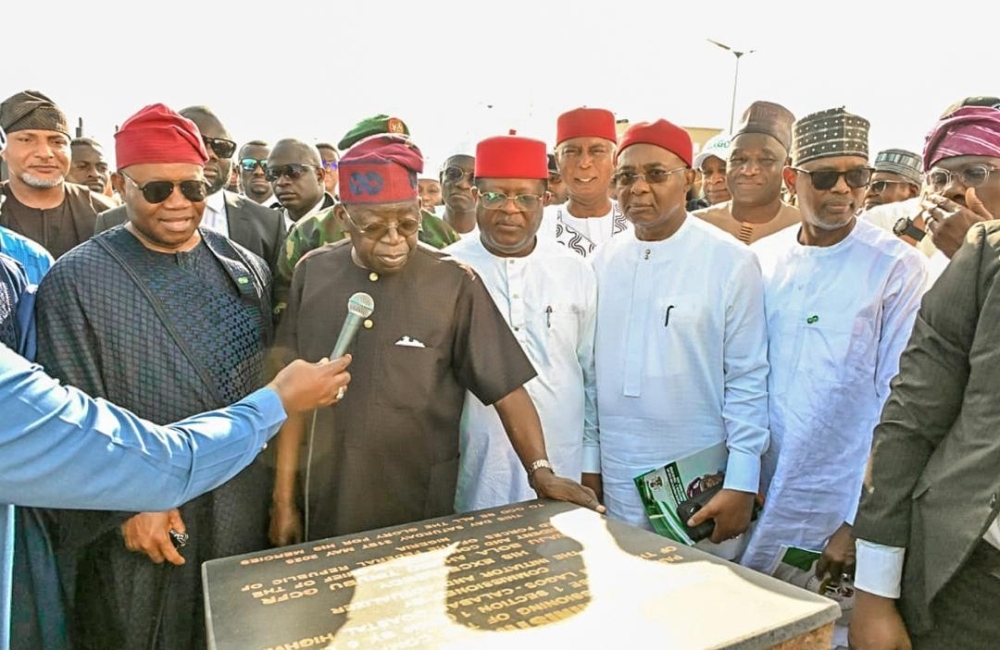
DRIVING NIGERIA’S FUTURE: CELEBRATING TWO YEARS OF TRANSFORMATIVE LEADERSHIP AND THE LAGOS-CALABAR COASTAL HIGHWAY MILESTONE
DRIVING NIGERIA’S FUTURE: CELEBRATING TWO YEARS OF TRANSFORMATIVE LEADERSHIP AND THE LAGOS-CALABAR COASTAL HIGHWAY MILESTONE
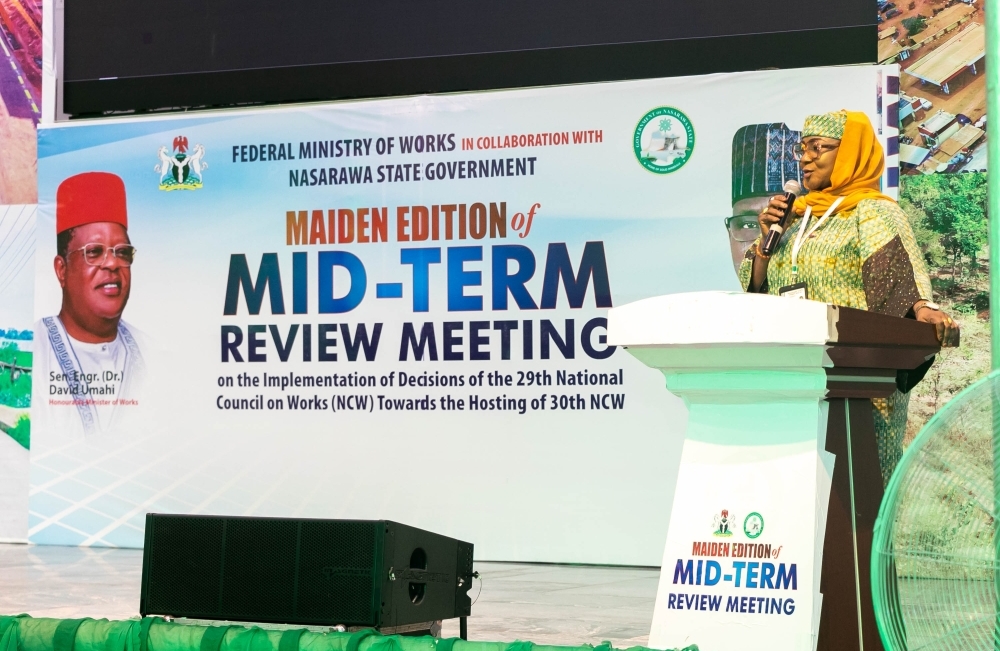
MID -TERM REVIEW MEETING ON THE IMPLIMENTATION OF THE DECISIONS REACHED AT THE 29TH NATIONAL COUNCIL ON WORKS (NCW) DAY 1
MID -TERM REVIEW MEETING ON THE IMPLIMENTATION OF THE DECISIONS REACHED AT THE 29TH NATIONAL COUNCIL ON WORKS (NCW) DAY 1