PRESIDENT TINUBU REITERATES COMMITMENT TO QUALITY INFRASTRUCTURE DELIVERY AT THE 34TH COREN ENGINEERING ASSEMBLY
President Bola Ahmed Tinubu, GCFR, has reaffirmed the Federal Government's unwavering commitment to strengthening engineering regulations, promoting quality infrastructure, and safeguarding public safety across Nigeria.
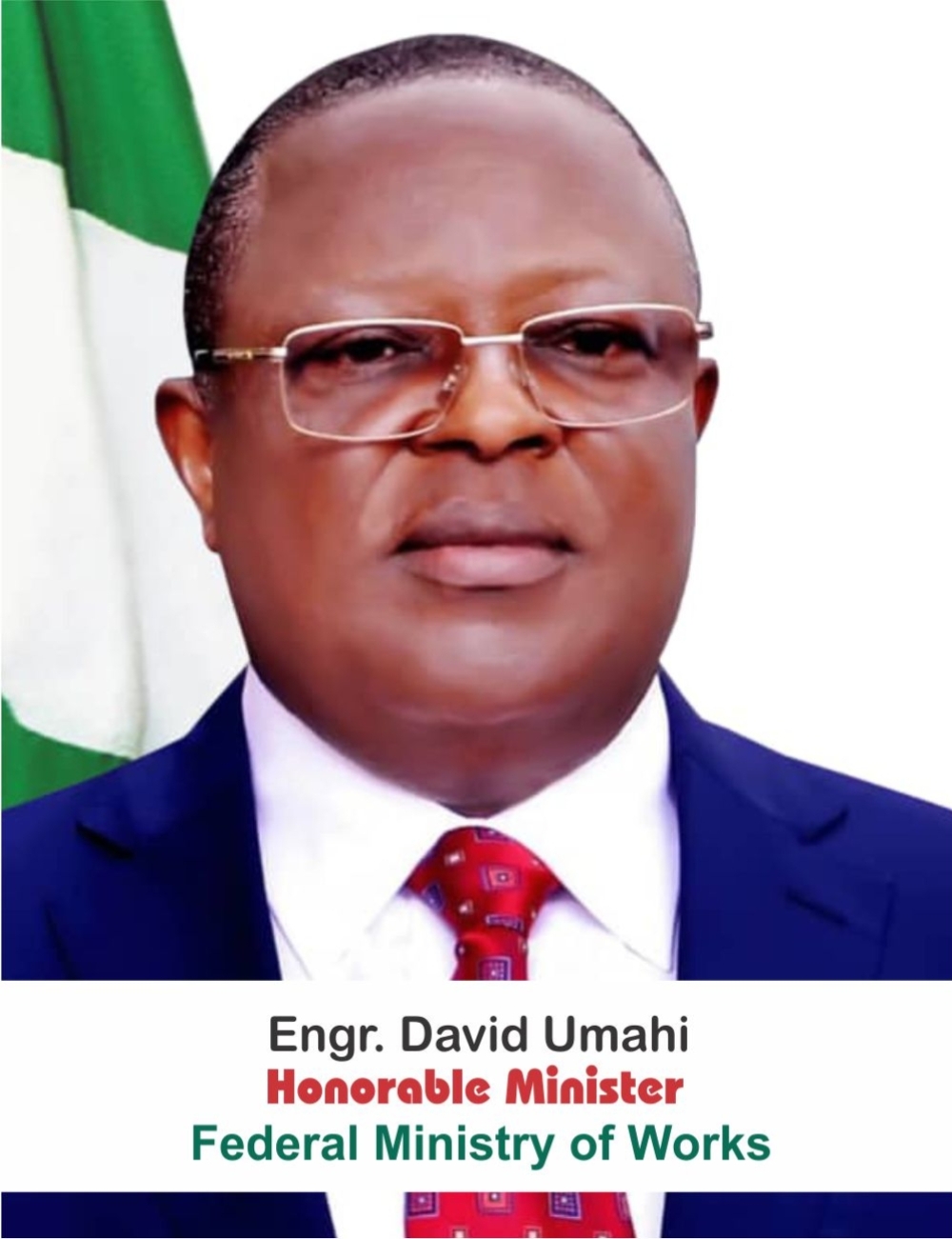
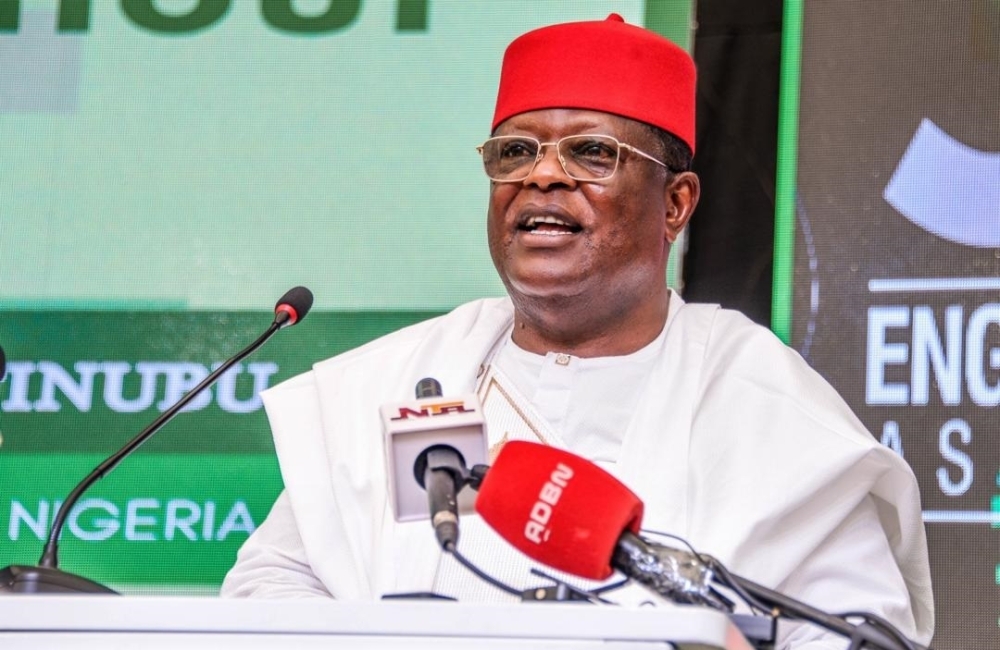
Represented by the Honourable Minister of Works, *Engr. David Umahi, CON, FNSE, FNATE *, while declaring open the 34th COREN Engineering Assembly, the President described the Assembly’s theme, *"Advancing Public Safety in Nigeria through Strategic Engineering Regulatory Enforcement and a Tiered Sanctioning Regime,"* as timely and relevant to the nation’s developmental aspirations.
The President stated that engineering remains the backbone of national development and that effective regulatory enforcement is essential for protecting lives, ensuring quality infrastructure, and restoring public confidence in the engineering profession.
He stressed that regulations are not intended to punish professionals but to protect public interest, noting that *” no road, bridge, or building is more valuable than human life.”*
President Tinubu assured participants that his administration remains fully committed to completing the four (4) Legacy Road Projects across the six geopolitical zones, under the Renewed Hope Agenda. He described them as strategic investments that will transform the nation’s economy, improve connectivity, and stimulate sustainable development.
The Honourable Minister of Works commended the Council for the Regulation of Engineering in Nigeria (COREN) for choosing an apt theme that aligns with the Federal Government’s vision for quality infrastructure delivery and adherence to public safety.
He noted that engineering is a profession where mistakes can cost human lives, emphasising that, unlike many other professions, there is often no opportunity for appeal after a structural failure. He, therefore, called for stronger regulations, strict enforcement, and effective sanctions against unqualified practitioners and professionals, who compromise ethics and standards.
Engr. Umahi stressed that site engineers must discharge their responsibilities professionally and should never allow contractors to dictate engineering decisions. He urged Council to strengthen its disciplinary mechanisms, similar to other professional regulatory bodies, to ensure that only qualified engineers are allowed to practice.
The Minister highlighted the achievements of President Tinubu’s administration, especially the ongoing Legacy Road Projects spread across all the geopolitical zones, designed to improve economic integration, enhance national security, create employment opportunities, and stimulate investment.
He expressed confidence that with continued discipline, transparency, and adherence to engineering ethos, Nigeria’s infrastructure deficit would be significantly reduced within the coming years.
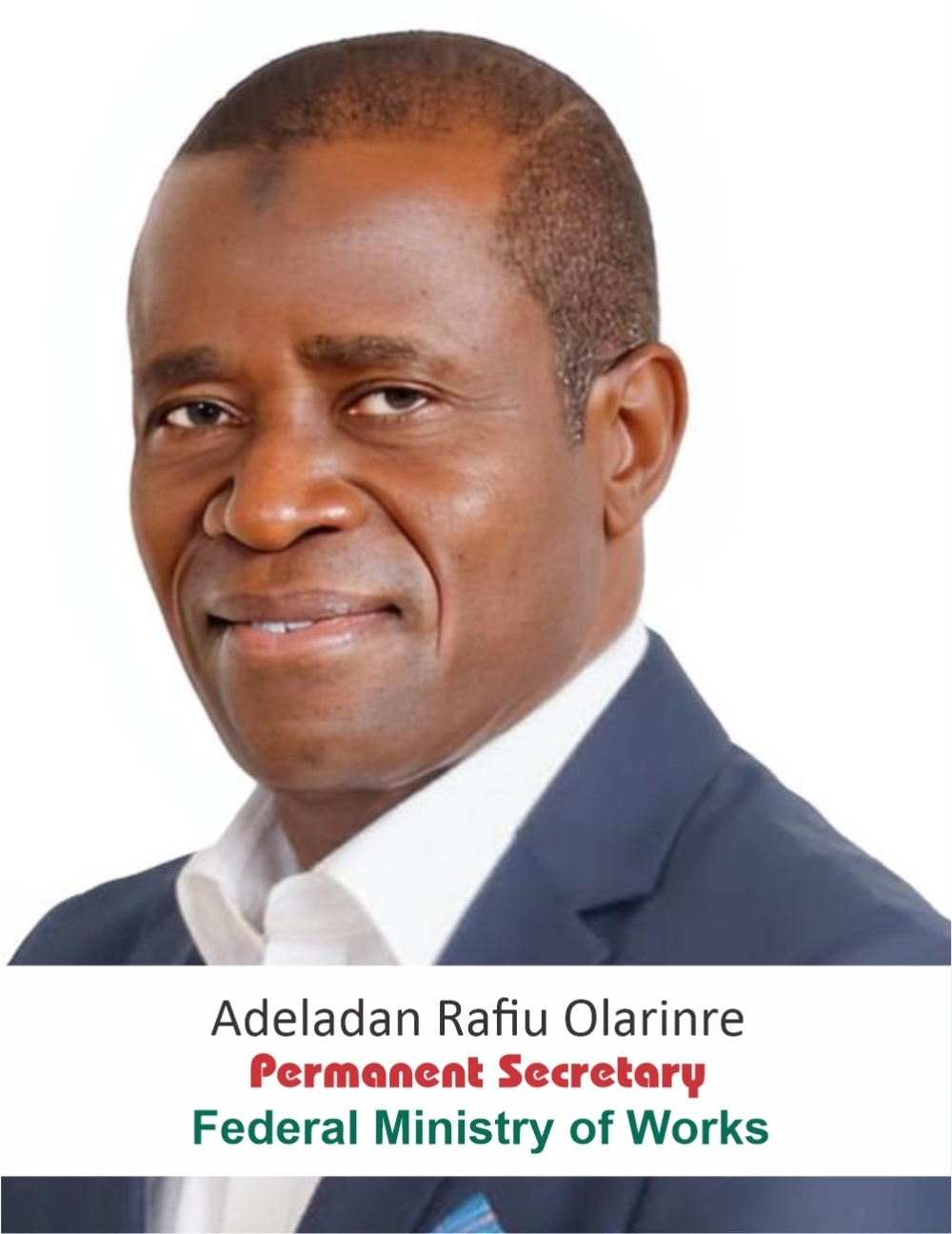
Presenting the *Keynote Address* on behalf of the Honourable Minister, the *Permanent Secretary, Federal Ministry of Works, Mr. Rafiu Adeladan,* stated that the Renewed Hope Agenda places infrastructure development at the centre of Nigeria’s economic transformation. He explained that the Ministry is implementing four major Legacy Projects across the geopolitical zones to connect communities, promote commerce, improve national integration, and encourage investment.
The Permanent Secretary emphasised that quality assurance, competence, professionalism, and independence amongst stakeholders remain fundamental requirements for sustainable infrastructure development. He urged engineers to uphold ethical standards, comply strictly with engineering regulations and best practices, and strengthen resilience through adherence to due process
The Chairman of the occasion, *Alhaji Aliko Dangote, GCON,* represented by *Prof. Hassan Umaru* described the Assembly as timely and significant, noting that engineering excellence remains the foundation of public trust, industrial competitiveness, and national development.
He observed that every infrastructure project must be executed according to approved standards and maintained throughout its lifespan. Drawing from the experience of the *Dangote Refinery* project, he explained that rigorous engineering design, quality control, technical discipline, and strict compliance with standards were critical to its successful delivery.
The Chairman called for sustained excellence within the engineering profession and urged COREN to continue strengthening regulatory frameworks, while enforcing disciplinary measures against erring practitioners, in order to safeguard lives and property.
In his *Welcome Address,* the *President of COREN, Engr. Prof. Sadiq Zubair Abubakar, FNSE,* outlined the Council’s statutory responsibility of regulating engineering education and practice in Nigeria, in line with international standards and recommended practices.
He explained that engineering graduates are expected to undergo mandatory industrial training before participating in the National Youth Service Corps (NYSC), describing practical exposure as critical to professional competence.
Prof. Abubakar further disclosed that COREN has successfully introduced digital verification and enforcement systems to improve transparency, eliminate fraudulent practices, and strengthen regulatory compliance.
He assured members that the Council would continue to uphold integrity, professionalism, and accountability, while addressing attempts by some practitioners to circumvent established standards. According to him, engineering regulation must remain transparent, sustainable, and effective in preventing infrastructure failures across the country.
In his introductory remarks, *Prof. O. A. U. Uche* emphasised the importance of sustaining quality infrastructure development through continuous improvement in engineering practice. He described infrastructure development as a collective responsibility requiring collaboration among government, professional bodies, academia, industry, and private sector stakeholders. In this vein, he, therefore, called for stronger synergy in advancing engineering excellence and national development.
The *Honourable Minister of Innovation, Science and Technology, Dr. Bosun Tijjani*, stated that science, technology, and engineering remain critical drivers of economic growth, innovation, and public safety. He pledged continued collaboration between the Ministry and engineering regulatory agencies.
Representing the Nigeria Governors' Forum, the *Governor of Plateau State, Barr. Caleb Mutfwang,* opined that engineering is one of the most respected professions globally and emphasised the need to create an enabling environment for engineers to thrive, while sustaining public safety and economic development.
The *National Chairman of the All Progressives Congress (APC), Professor Nentawe Yilwatda*, commended COREN for its achievements in regulating engineering practice. He described engineers as the backbone of national development and praised the Federal Ministry of Works, under the leadership of Engr. David Umahi for the remarkable progress recorded on the four Legacy Road Projects and others across the six geopolitical zones.
He congratulated the Ministry for its commitment to quality infrastructure and affirmed that Nigerian engineers continue to distinguish themselves through professionalism and excellence both nationally and internationally.
The 34th Engineering Assembly reaffirms
COREN’s commitment to strengthening engineering regulations, enforcement, and a tiered sanctioning regime to ensure public safety and sustainable infrastructure development in Nigeria.



President Bola Ahmed Tinubu, GCFR, has reaffirmed the Federal Government's unwavering commitment to strengthening engineering regulations, promoting quality infrastructure, and safeguarding public safety across Nigeria. Represented by the Honourable Minister of Works, *Engr. David Umahi, CON, FNSE, FNATE *, while declaring open the 34th COREN Engineering Assembly, the President described the Assembly’s theme, *"Advancing Public Safety in Nigeria through Strategic Engineering Regulatory Enforcement and a Tiered Sanctioning Regime,"* as timely and relevant to the nation’s developmental aspirations. The President stated that engineering remains the backbone of national development and that effective regulatory enforcement is essential for protecting lives, ensuring quality infrastructure, and restoring public confidence in the engineering profession. He stressed that regulations are not intended to punish professionals but to protect public interest, noting that *” no road, bridge, or building is more valuable than human life.”* President Tinubu assured participants that his administration remains fully committed to completing the four (4) Legacy Road Projects across the six geopolitical zones, under the Renewed Hope Agenda. He described them as strategic investments that will transform the nation’s economy, improve connectivity, and stimulate sustainable development. The Honourable Minister of Works commended the Council for the Regulation of Engineering in Nigeria (COREN) for choosing an apt theme that aligns with the Federal Government’s vision for quality infrastructure delivery and adherence to public safety. He noted that engineering is a profession where mistakes can cost human lives, emphasising that, unlike many other professions, there is often no opportunity for appeal after a structural failure. He, therefore, called for stronger regulations, strict enforcement, and effective sanctions against unqualified practitioners and professionals, who compromise ethics and standards. Engr. Umahi stressed that site engineers must discharge their responsibilities professionally and should never allow contractors to dictate engineering decisions. He urged Council to strengthen its disciplinary mechanisms, similar to other professional regulatory bodies, to ensure that only qualified engineers are allowed to practice. The Minister highlighted the achievements of President Tinubu’s administration, especially the ongoing Legacy Road Projects spread across all the geopolitical zones, designed to improve economic integration, enhance national security, create employment opportunities, and stimulate investment. He expressed confidence that with continued discipline, transparency, and adherence to engineering ethos, Nigeria’s infrastructure deficit would be significantly reduced within the coming years. Presenting the *Keynote Address* on behalf of the Honourable Minister, the *Permanent Secretary, Federal Ministry of Works, Mr. Rafiu Adeladan,* stated that the Renewed Hope Agenda places infrastructure development at the centre of Nigeria’s economic transformation. He explained that the Ministry is implementing four major Legacy Projects across the geopolitical zones to connect communities, promote commerce, improve national integration, and encourage investment. The Permanent Secretary emphasised that quality assurance, competence, professionalism, and independence amongst stakeholders remain fundamental requirements for sustainable infrastructure development. He urged engineers to uphold ethical standards, comply strictly with engineering regulations and best practices, and strengthen resilience through adherence to due process The Chairman of the occasion, *Alhaji Aliko Dangote, GCON,* represented by *Prof. Hassan Umaru* described the Assembly as timely and significant, noting that engineering excellence remains the foundation of public trust, industrial competitiveness, and national development. He observed that every infrastructure project must be executed according to approved standards and maintained throughout its lifespan. Drawing from the experience of the *Dangote Refinery* project, he explained that rigorous engineering design, quality control, technical discipline, and strict compliance with standards were critical to its successful delivery. The Chairman called for sustained excellence within the engineering profession and urged COREN to continue strengthening regulatory frameworks, while enforcing disciplinary measures against erring practitioners, in order to safeguard lives and property. In his *Welcome Address,* the *President of COREN, Engr. Prof. Sadiq Zubair Abubakar, FNSE,* outlined the Council’s statutory responsibility of regulating engineering education and practice in Nigeria, in line with international standards and recommended practices. He explained that engineering graduates are expected to undergo mandatory industrial training before participating in the National Youth Service Corps (NYSC), describing practical exposure as critical to professional competence. Prof. Abubakar further disclosed that COREN has successfully introduced digital verification and enforcement systems to improve transparency, eliminate fraudulent practices, and strengthen regulatory compliance. He assured members that the Council would continue to uphold integrity, professionalism, and accountability, while addressing attempts by some practitioners to circumvent established standards. According to him, engineering regulation must remain transparent, sustainable, and effective in preventing infrastructure failures across the country. In his introductory remarks, *Prof. O. A. U. Uche* emphasised the importance of sustaining quality infrastructure development through continuous improvement in engineering practice. He described infrastructure development as a collective responsibility requiring collaboration among government, professional bodies, academia, industry, and private sector stakeholders. In this vein, he, therefore, called for stronger synergy in advancing engineering excellence and national development. The *Honourable Minister of Innovation, Science and Technology, Dr. Bosun Tijjani*, stated that science, technology, and engineering remain critical drivers of economic growth, innovation, and public safety. He pledged continued collaboration between the Ministry and engineering regulatory agencies. Representing the Nigeria Governors' Forum, the *Governor of Plateau State, Barr. Caleb Mutfwang,* opined that engineering is one of the most respected professions globally and emphasised the need to create an enabling environment for engineers to thrive, while sustaining public safety and economic development. The *National Chairman of the All Progressives Congress (APC), Professor Nentawe Yilwatda*, commended COREN for its achievements in regulating engineering practice. He described engineers as the backbone of national development and praised the Federal Ministry of Works, under the leadership of Engr. David Umahi for the remarkable progress recorded on the four Legacy Road Projects and others across the six geopolitical zones. He congratulated the Ministry for its commitment to quality infrastructure and affirmed that Nigerian engineers continue to distinguish themselves through professionalism and excellence both nationally and internationally. The 34th Engineering Assembly reaffirms
PRESIDENT TINUBU REITERATES COMMITMENT TO QUALITY INFRASTRUCTURE DELIVERY AT THE 34TH COREN ENGINEERING ASSEMBLY
COREN’s commitment to strengthening engineering regulations, enforcement, and a tiered sanctioning regime to ensure public safety and sustainable infrastructure development in Nigeria.
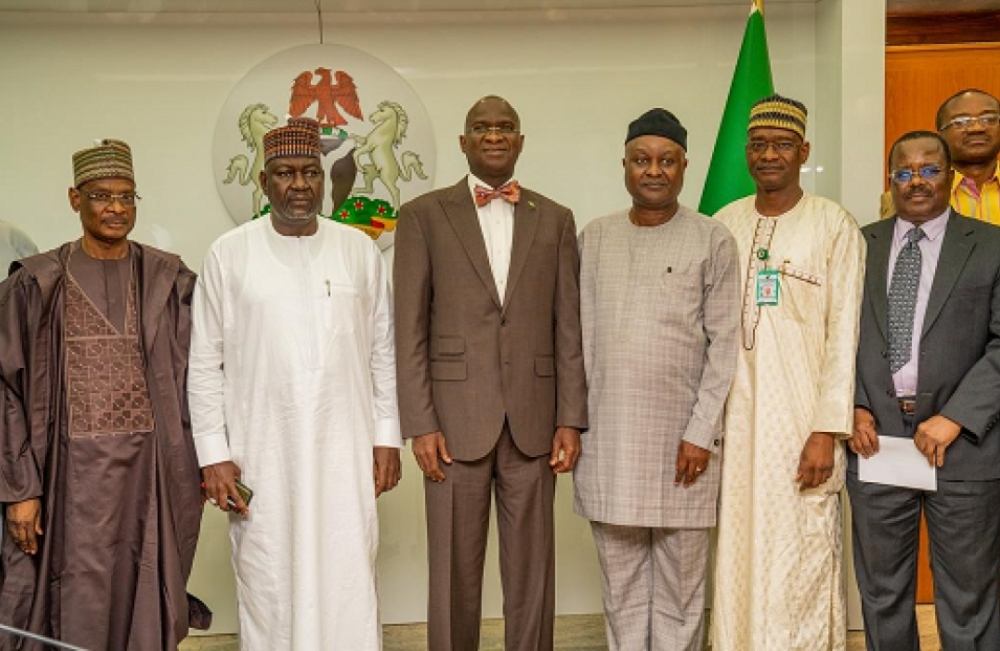
FG To Operationalize Weighbridges The Honourable Minister of Works and Housing, Babatunde Ragi Fashola SAN has disclosed that the first set of weigh bridges will be rolled out across the Country to protect Nigerian roads by guarding against excess cargo weights.. The Minister made this disclosure when he received the Board members of the Federal Road Maintenance Agency,(FERMA) led by its Chairman, Mr Babatunde Lemo in his office. While acknowledging FERMA’s mandate to maintain roads, Fashola urged them to pay more attention to the protection of road while carrying out the maintenance. He warned road users against willful damage of roads through overloading. He also said thatonce the weigh bridges were in place, excess loads would be offloaded and owners surcharged. He noted that the country was at the peak of the raining season where the roads were prone to damages. The Minister explained that, the consequences of bad weather were harmful to every country's infrastructure architecture leaving behind devastating effectsand assured that the government was aware of these challenges and responding to them, even though the rains have slowed down activities in the construction sector generally. While urging FERMA to collaborate more with the Federal Controllers of Works in the state to improve the quality of Nigerian roads, he also promised to empower the Controllers to take ownership and full responsibility of the Ministry's strategy of road protection to secure lives and properties, adding that FERMA should leverage on the wealth of experience of these controllers in road repairs and maintenance. In the words of Fashola, "Maintenance of highways is very crucial to government, as this would facilitate economic growth and job creation. FERMA is an important component of the government strategy for maintaining the road network". Earlier, the FERMA Board Chairman, Mr Babatunde Lemo assured the Minister of the Board’s continuing partnership and collaboration with the Ministry to attain its objective He requested the Ministry to factor in the Agency's role in all road investments, stressing the need for the Ministry's continuous support in ensuring adequate appropriations and budget releases from time to time. Among the team from the Ministry that received the Governing Board Members were: the Minister of State Works and Housing, Engr. Abubakar Aliyu, the Permanent Secretary Alhaji Mohammad Bukar as well as the management staff of the Ministry. ...

Fashola Warns Against Use Of Fake Facebook Account In His Name …Urges members of the public not to fall victim of the antics of scammers The Minister of Works and Housing, Mr. Babatunde Fashola SAN, has again disclaimed as fake a Facebook account set up in his name alongside his picture warning members of the public against being deceived by dupes and scammers. Fashola, who on several occasions in the past disclaimed such fake accounts, reiterated that his verified Facebook account remains @BABATUNDEFASHOLA. With several reported and deleted in the past , the latest addition to the fake accounts set up in the former Lagos State Governor’s name along with his picture reads “FasholaRajiFashola” and the scammers wrote that the Federal Government was giving out the sum of N700,000 to youths and young adults to enable them pay school fees, set up businesses and invest in businesses, among others. Part of the publication written in very poor English by the scammers read, “All the Nigeria Citozings of All the and Local Government in Nigeria Are Beneficiary of the Federal Government Money Enpwoerment to Empower the Youth to Pay There School. Adult to do Business Etc. Contact Number 09035339533). Good News…To All Nigeria Youth and Adult… Federal Government is Giving Out N700,000 Free Cash Transfer To All To Empower the Youth Further Their Educations, Open Good Business and Learn Good Works. Call Mr. Adebayo Kola , the Federal Government Cashier on 09035339533. All the Nigerian Citizens of All the States and Local Governments …” According to a statement signed by his Special Adviser on Communications, Mr. Hakeem Bello, the Minister described as unfortunate the fact that despite repeated warnings and disclaimers, certain unscrupulous elements still engage in the act of defrauding unsuspecting members of the public through different social media platforms falsely linked to him. The call, he said, coming perhaps for the umpteenth time, had become necessary in view of the increasing activities of the scammers . Advising members of the public to always clarify with the appropriate agencies of government at all levels before engaging in any dealings with people purportedly working for them, the statement urged people to report to the law enforcement agencies so that those involved in the nefarious acts could be brought to justice. ...
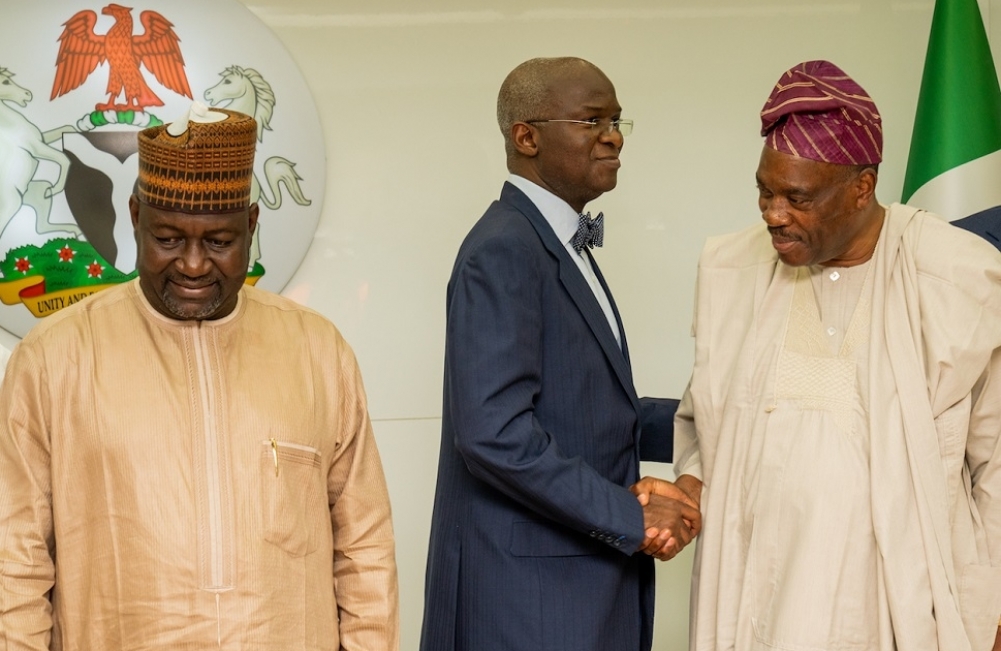
FG To Complete Ongoing, Abandoned Projects - Fashola The Minister of Works and Housing, Mr. Babatunde Fashola SAN, has reiterated Federal Government’s commitment to the completion of all on-going and abandoned projects across the country. Speaking on Thursday when the Management team of Federal Mortgage Bank of Nigeria (FCMB) paid him a courtesy visit in his office, Fashola said the policy direction of the present administration was on completing all on-going and abandoned projects. The Minister, who was responding to the remarks of the Board Chairman of FMBN, Dr. Adewale Adeeyo, on the uncompleted re-capitalization of the Bank, said the Ministry would see that the process was completed as the government of the day placed importance on Housing and Consumers Credit. According to him, ”It is one of those areas of urgent focus by the President as a way of creating prosperity and as a way of enhancing the dignity of Nigerians”. Fashola said there was a lot that could be jointly done by the Ministry and the Bank in the actualization of the Next Level Agenda of Mr. President assuring the Bank of the Ministry’s readiness to look at its projects that are on-going and fashion out ways of completing them. Charging the Bank to do more on publicity as most Nigerians were currently not well informed that the Bank grants construction loans with more competitive interest rate than those offered by commercial banks, Fashola declared, “You must find a strategy to pass information on platforms that people take information from and that include, not only the conventional platforms like television, newspapers and radio, but also markets, places where people gather; sports clubs, social clubs and so on. You must reach out”. “You must also engage the appropriate skill sets in getting this message out”, adding that the bank must also seek to reach the people at the bottom of the pyramid who, according to him, “also save money in their small businesses, in their small cooperatives”. “ So why not open accounts for them too”, he said. Earlier, Dr.Adeeyo, who led the team of the top Management of the Bank on the visit, had solicited for the completion of the re-capitalization process of the bank ...
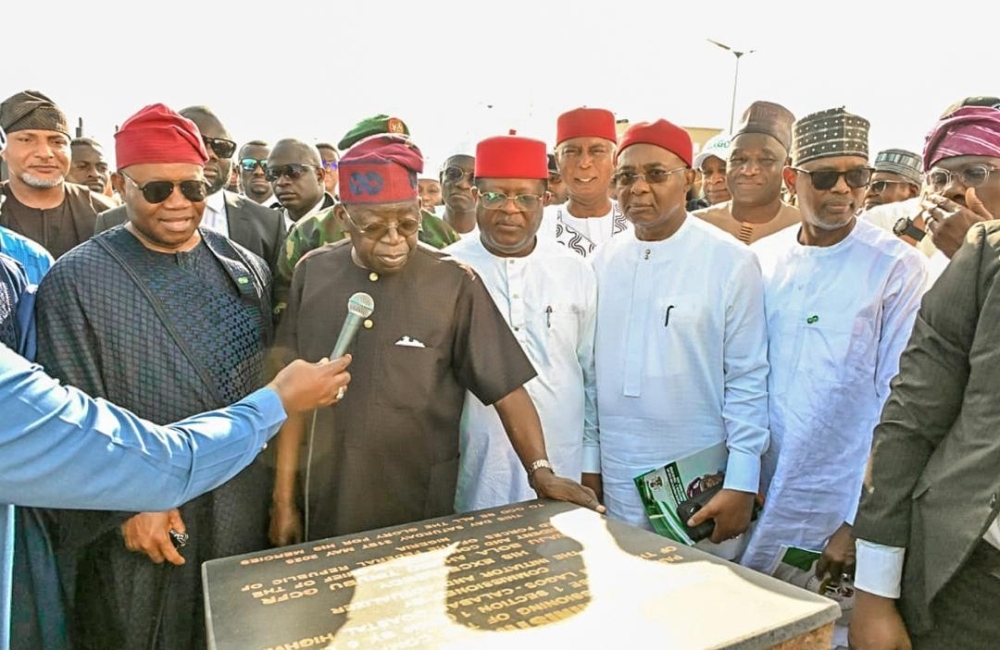
DRIVING NIGERIA’S FUTURE: CELEBRATING TWO YEARS OF TRANSFORMATIVE LEADERSHIP AND THE LAGOS-CALABAR COASTAL HIGHWAY MILESTONE
DRIVING NIGERIA’S FUTURE: CELEBRATING TWO YEARS OF TRANSFORMATIVE LEADERSHIP AND THE LAGOS-CALABAR COASTAL HIGHWAY MILESTONE
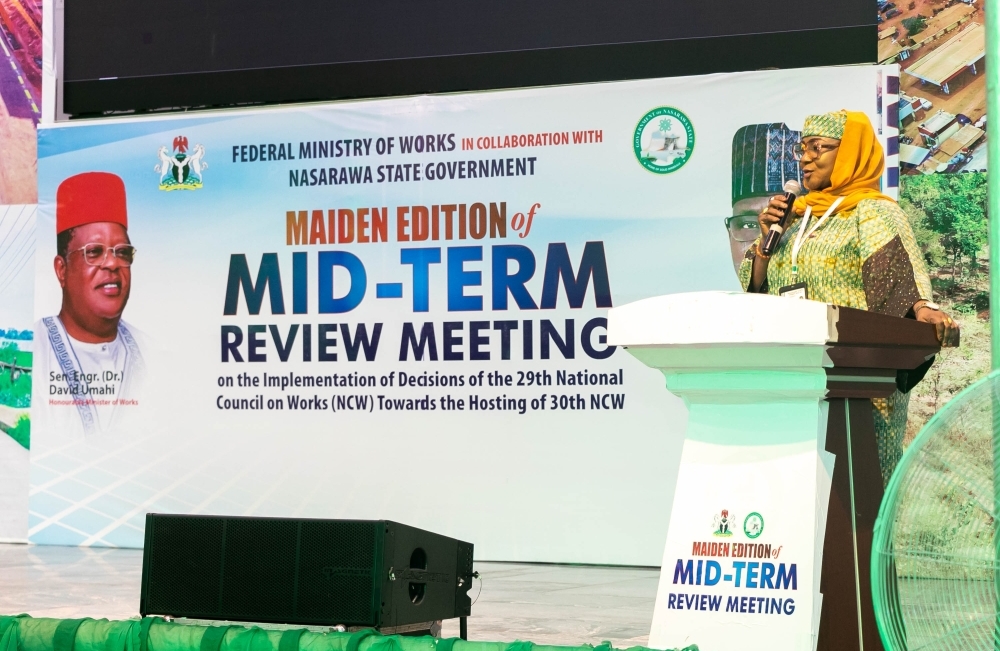
MID -TERM REVIEW MEETING ON THE IMPLIMENTATION OF THE DECISIONS REACHED AT THE 29TH NATIONAL COUNCIL ON WORKS (NCW) DAY 1
MID -TERM REVIEW MEETING ON THE IMPLIMENTATION OF THE DECISIONS REACHED AT THE 29TH NATIONAL COUNCIL ON WORKS (NCW) DAY 1