PRESIDENT TINUBU REITERATES COMMITMENT TO QUALITY INFRASTRUCTURE DELIVERY AT THE 34TH COREN ENGINEERING ASSEMBLY
President Bola Ahmed Tinubu, GCFR, has reaffirmed the Federal Government's unwavering commitment to strengthening engineering regulations, promoting quality infrastructure, and safeguarding public safety across Nigeria.
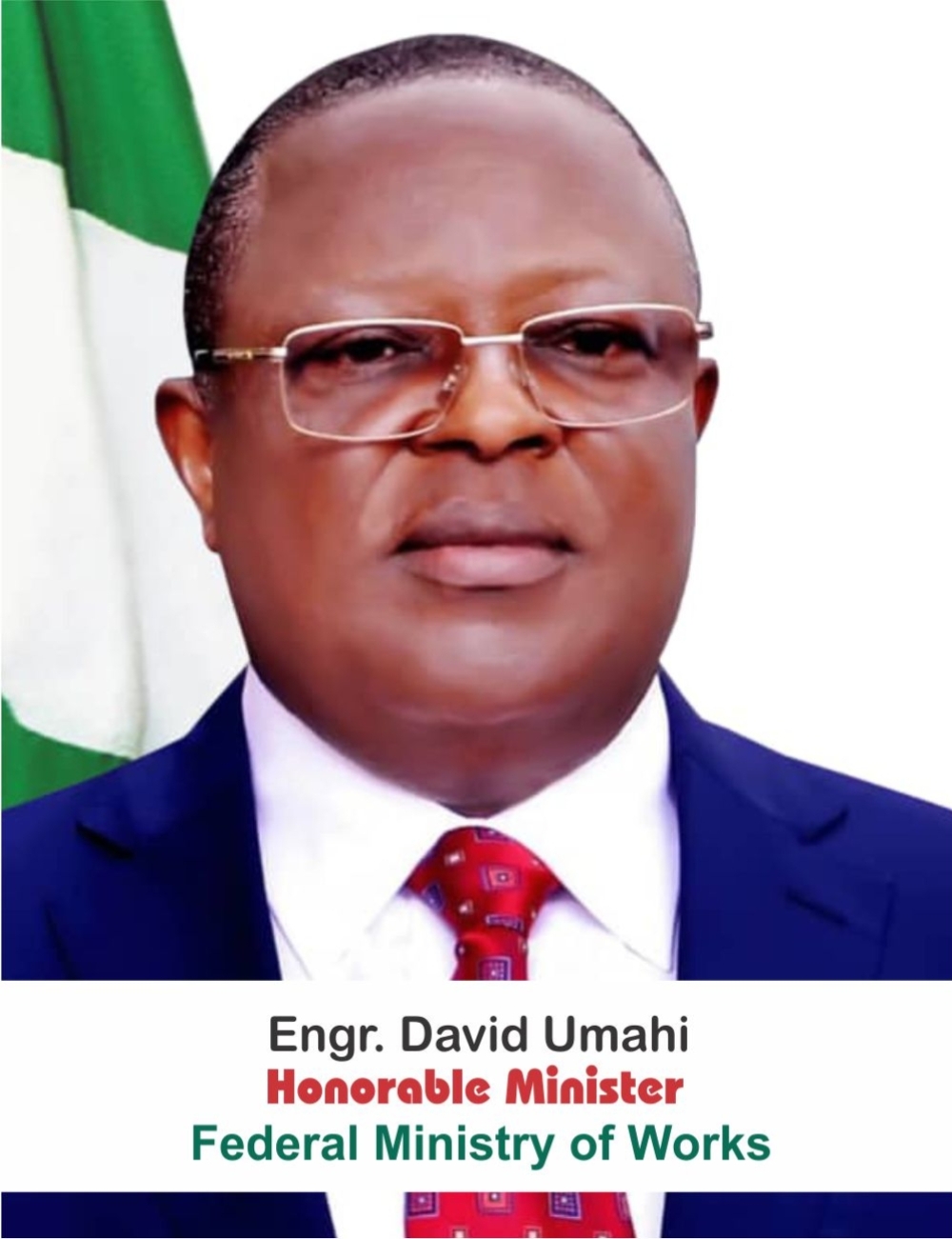
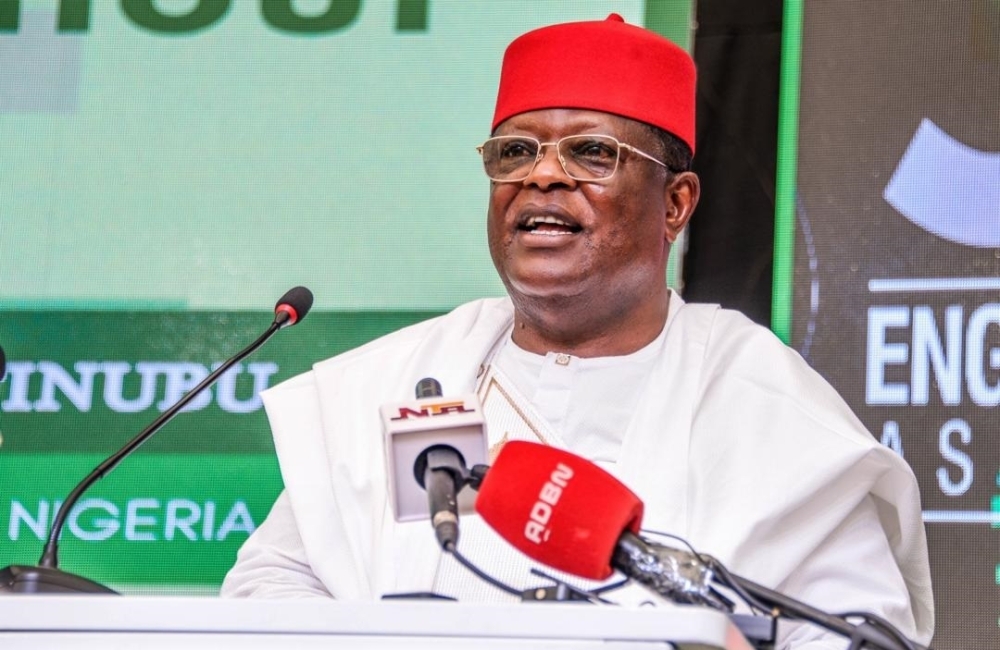
Represented by the Honourable Minister of Works, *Engr. David Umahi, CON, FNSE, FNATE *, while declaring open the 34th COREN Engineering Assembly, the President described the Assembly’s theme, *"Advancing Public Safety in Nigeria through Strategic Engineering Regulatory Enforcement and a Tiered Sanctioning Regime,"* as timely and relevant to the nation’s developmental aspirations.
The President stated that engineering remains the backbone of national development and that effective regulatory enforcement is essential for protecting lives, ensuring quality infrastructure, and restoring public confidence in the engineering profession.
He stressed that regulations are not intended to punish professionals but to protect public interest, noting that *” no road, bridge, or building is more valuable than human life.”*
President Tinubu assured participants that his administration remains fully committed to completing the four (4) Legacy Road Projects across the six geopolitical zones, under the Renewed Hope Agenda. He described them as strategic investments that will transform the nation’s economy, improve connectivity, and stimulate sustainable development.
The Honourable Minister of Works commended the Council for the Regulation of Engineering in Nigeria (COREN) for choosing an apt theme that aligns with the Federal Government’s vision for quality infrastructure delivery and adherence to public safety.
He noted that engineering is a profession where mistakes can cost human lives, emphasising that, unlike many other professions, there is often no opportunity for appeal after a structural failure. He, therefore, called for stronger regulations, strict enforcement, and effective sanctions against unqualified practitioners and professionals, who compromise ethics and standards.
Engr. Umahi stressed that site engineers must discharge their responsibilities professionally and should never allow contractors to dictate engineering decisions. He urged Council to strengthen its disciplinary mechanisms, similar to other professional regulatory bodies, to ensure that only qualified engineers are allowed to practice.
The Minister highlighted the achievements of President Tinubu’s administration, especially the ongoing Legacy Road Projects spread across all the geopolitical zones, designed to improve economic integration, enhance national security, create employment opportunities, and stimulate investment.
He expressed confidence that with continued discipline, transparency, and adherence to engineering ethos, Nigeria’s infrastructure deficit would be significantly reduced within the coming years.
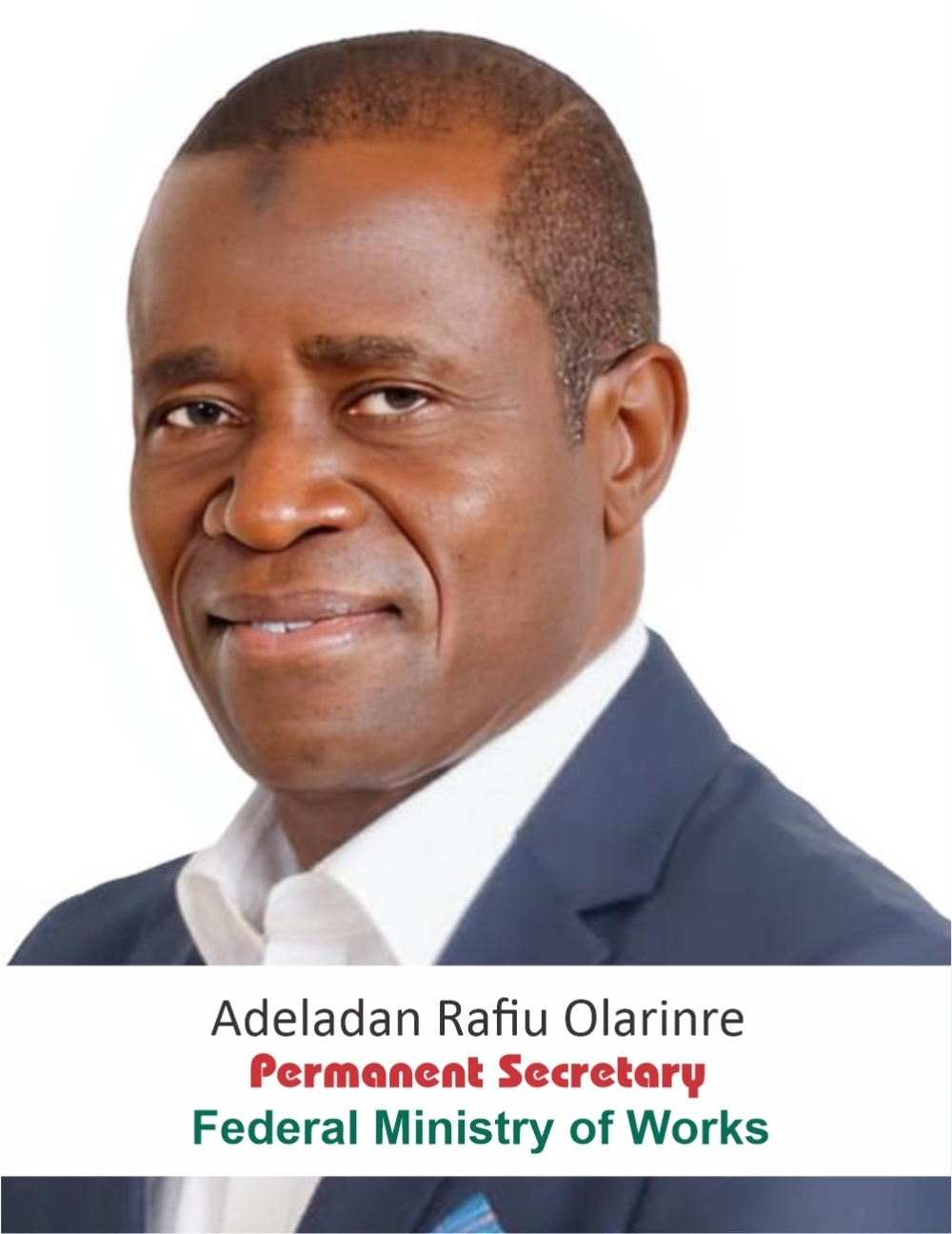
Presenting the *Keynote Address* on behalf of the Honourable Minister, the *Permanent Secretary, Federal Ministry of Works, Mr. Rafiu Adeladan,* stated that the Renewed Hope Agenda places infrastructure development at the centre of Nigeria’s economic transformation. He explained that the Ministry is implementing four major Legacy Projects across the geopolitical zones to connect communities, promote commerce, improve national integration, and encourage investment.
The Permanent Secretary emphasised that quality assurance, competence, professionalism, and independence amongst stakeholders remain fundamental requirements for sustainable infrastructure development. He urged engineers to uphold ethical standards, comply strictly with engineering regulations and best practices, and strengthen resilience through adherence to due process
The Chairman of the occasion, *Alhaji Aliko Dangote, GCON,* represented by *Prof. Hassan Umaru* described the Assembly as timely and significant, noting that engineering excellence remains the foundation of public trust, industrial competitiveness, and national development.
He observed that every infrastructure project must be executed according to approved standards and maintained throughout its lifespan. Drawing from the experience of the *Dangote Refinery* project, he explained that rigorous engineering design, quality control, technical discipline, and strict compliance with standards were critical to its successful delivery.
The Chairman called for sustained excellence within the engineering profession and urged COREN to continue strengthening regulatory frameworks, while enforcing disciplinary measures against erring practitioners, in order to safeguard lives and property.
In his *Welcome Address,* the *President of COREN, Engr. Prof. Sadiq Zubair Abubakar, FNSE,* outlined the Council’s statutory responsibility of regulating engineering education and practice in Nigeria, in line with international standards and recommended practices.
He explained that engineering graduates are expected to undergo mandatory industrial training before participating in the National Youth Service Corps (NYSC), describing practical exposure as critical to professional competence.
Prof. Abubakar further disclosed that COREN has successfully introduced digital verification and enforcement systems to improve transparency, eliminate fraudulent practices, and strengthen regulatory compliance.
He assured members that the Council would continue to uphold integrity, professionalism, and accountability, while addressing attempts by some practitioners to circumvent established standards. According to him, engineering regulation must remain transparent, sustainable, and effective in preventing infrastructure failures across the country.
In his introductory remarks, *Prof. O. A. U. Uche* emphasised the importance of sustaining quality infrastructure development through continuous improvement in engineering practice. He described infrastructure development as a collective responsibility requiring collaboration among government, professional bodies, academia, industry, and private sector stakeholders. In this vein, he, therefore, called for stronger synergy in advancing engineering excellence and national development.
The *Honourable Minister of Innovation, Science and Technology, Dr. Bosun Tijjani*, stated that science, technology, and engineering remain critical drivers of economic growth, innovation, and public safety. He pledged continued collaboration between the Ministry and engineering regulatory agencies.
Representing the Nigeria Governors' Forum, the *Governor of Plateau State, Barr. Caleb Mutfwang,* opined that engineering is one of the most respected professions globally and emphasised the need to create an enabling environment for engineers to thrive, while sustaining public safety and economic development.
The *National Chairman of the All Progressives Congress (APC), Professor Nentawe Yilwatda*, commended COREN for its achievements in regulating engineering practice. He described engineers as the backbone of national development and praised the Federal Ministry of Works, under the leadership of Engr. David Umahi for the remarkable progress recorded on the four Legacy Road Projects and others across the six geopolitical zones.
He congratulated the Ministry for its commitment to quality infrastructure and affirmed that Nigerian engineers continue to distinguish themselves through professionalism and excellence both nationally and internationally.
The 34th Engineering Assembly reaffirms
COREN’s commitment to strengthening engineering regulations, enforcement, and a tiered sanctioning regime to ensure public safety and sustainable infrastructure development in Nigeria.


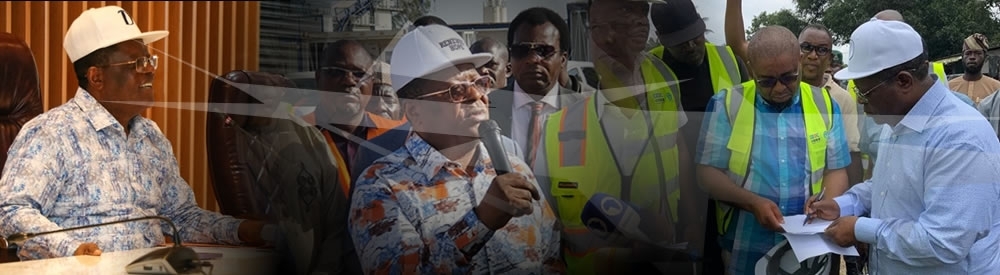
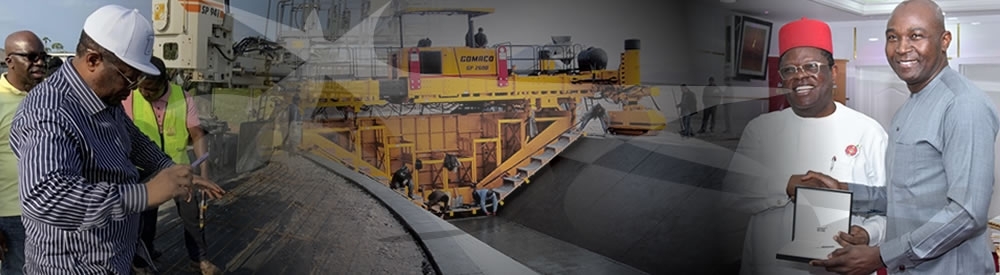
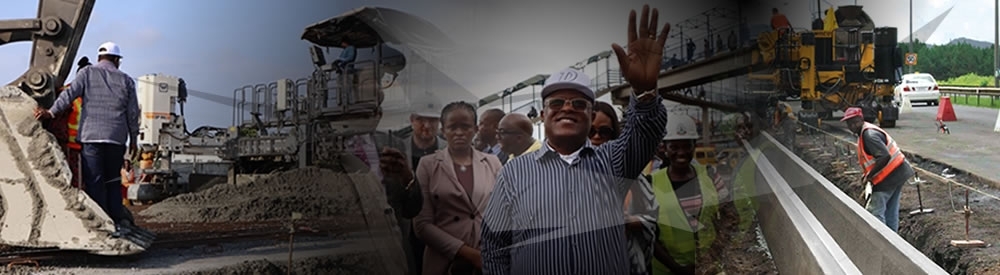
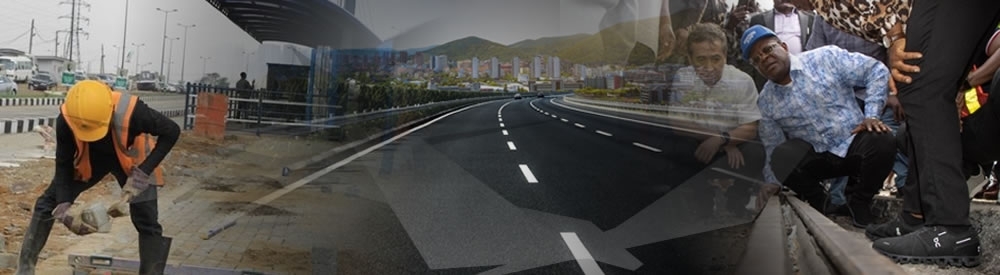
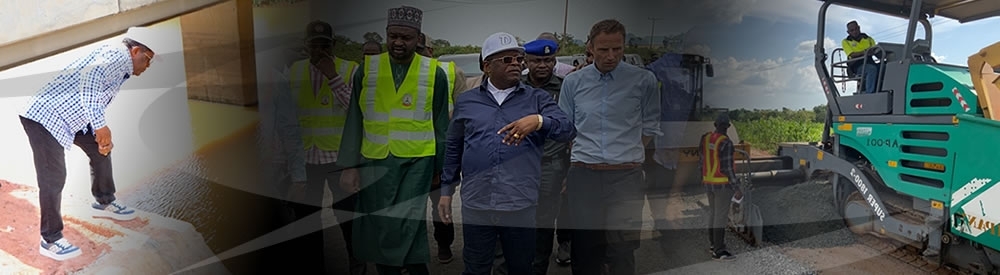
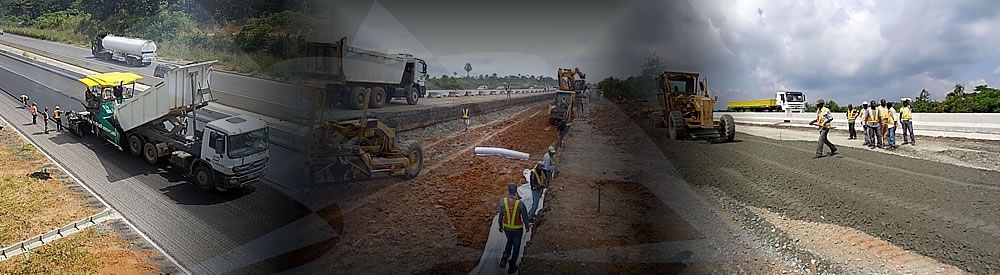
President Bola Ahmed Tinubu, GCFR, has reaffirmed the Federal Government's unwavering commitment to strengthening engineering regulations, promoting quality infrastructure, and safeguarding public safety across Nigeria. Represented by the Honourable Minister of Works, *Engr. David Umahi, CON, FNSE, FNATE *, while declaring open the 34th COREN Engineering Assembly, the President described the Assembly’s theme, *"Advancing Public Safety in Nigeria through Strategic Engineering Regulatory Enforcement and a Tiered Sanctioning Regime,"* as timely and relevant to the nation’s developmental aspirations. The President stated that engineering remains the backbone of national development and that effective regulatory enforcement is essential for protecting lives, ensuring quality infrastructure, and restoring public confidence in the engineering profession. He stressed that regulations are not intended to punish professionals but to protect public interest, noting that *” no road, bridge, or building is more valuable than human life.”* President Tinubu assured participants that his administration remains fully committed to completing the four (4) Legacy Road Projects across the six geopolitical zones, under the Renewed Hope Agenda. He described them as strategic investments that will transform the nation’s economy, improve connectivity, and stimulate sustainable development. The Honourable Minister of Works commended the Council for the Regulation of Engineering in Nigeria (COREN) for choosing an apt theme that aligns with the Federal Government’s vision for quality infrastructure delivery and adherence to public safety. He noted that engineering is a profession where mistakes can cost human lives, emphasising that, unlike many other professions, there is often no opportunity for appeal after a structural failure. He, therefore, called for stronger regulations, strict enforcement, and effective sanctions against unqualified practitioners and professionals, who compromise ethics and standards. Engr. Umahi stressed that site engineers must discharge their responsibilities professionally and should never allow contractors to dictate engineering decisions. He urged Council to strengthen its disciplinary mechanisms, similar to other professional regulatory bodies, to ensure that only qualified engineers are allowed to practice. The Minister highlighted the achievements of President Tinubu’s administration, especially the ongoing Legacy Road Projects spread across all the geopolitical zones, designed to improve economic integration, enhance national security, create employment opportunities, and stimulate investment. He expressed confidence that with continued discipline, transparency, and adherence to engineering ethos, Nigeria’s infrastructure deficit would be significantly reduced within the coming years. Presenting the *Keynote Address* on behalf of the Honourable Minister, the *Permanent Secretary, Federal Ministry of Works, Mr. Rafiu Adeladan,* stated that the Renewed Hope Agenda places infrastructure development at the centre of Nigeria’s economic transformation. He explained that the Ministry is implementing four major Legacy Projects across the geopolitical zones to connect communities, promote commerce, improve national integration, and encourage investment. The Permanent Secretary emphasised that quality assurance, competence, professionalism, and independence amongst stakeholders remain fundamental requirements for sustainable infrastructure development. He urged engineers to uphold ethical standards, comply strictly with engineering regulations and best practices, and strengthen resilience through adherence to due process The Chairman of the occasion, *Alhaji Aliko Dangote, GCON,* represented by *Prof. Hassan Umaru* described the Assembly as timely and significant, noting that engineering excellence remains the foundation of public trust, industrial competitiveness, and national development. He observed that every infrastructure project must be executed according to approved standards and maintained throughout its lifespan. Drawing from the experience of the *Dangote Refinery* project, he explained that rigorous engineering design, quality control, technical discipline, and strict compliance with standards were critical to its successful delivery. The Chairman called for sustained excellence within the engineering profession and urged COREN to continue strengthening regulatory frameworks, while enforcing disciplinary measures against erring practitioners, in order to safeguard lives and property. In his *Welcome Address,* the *President of COREN, Engr. Prof. Sadiq Zubair Abubakar, FNSE,* outlined the Council’s statutory responsibility of regulating engineering education and practice in Nigeria, in line with international standards and recommended practices. He explained that engineering graduates are expected to undergo mandatory industrial training before participating in the National Youth Service Corps (NYSC), describing practical exposure as critical to professional competence. Prof. Abubakar further disclosed that COREN has successfully introduced digital verification and enforcement systems to improve transparency, eliminate fraudulent practices, and strengthen regulatory compliance. He assured members that the Council would continue to uphold integrity, professionalism, and accountability, while addressing attempts by some practitioners to circumvent established standards. According to him, engineering regulation must remain transparent, sustainable, and effective in preventing infrastructure failures across the country. In his introductory remarks, *Prof. O. A. U. Uche* emphasised the importance of sustaining quality infrastructure development through continuous improvement in engineering practice. He described infrastructure development as a collective responsibility requiring collaboration among government, professional bodies, academia, industry, and private sector stakeholders. In this vein, he, therefore, called for stronger synergy in advancing engineering excellence and national development. The *Honourable Minister of Innovation, Science and Technology, Dr. Bosun Tijjani*, stated that science, technology, and engineering remain critical drivers of economic growth, innovation, and public safety. He pledged continued collaboration between the Ministry and engineering regulatory agencies. Representing the Nigeria Governors' Forum, the *Governor of Plateau State, Barr. Caleb Mutfwang,* opined that engineering is one of the most respected professions globally and emphasised the need to create an enabling environment for engineers to thrive, while sustaining public safety and economic development. The *National Chairman of the All Progressives Congress (APC), Professor Nentawe Yilwatda*, commended COREN for its achievements in regulating engineering practice. He described engineers as the backbone of national development and praised the Federal Ministry of Works, under the leadership of Engr. David Umahi for the remarkable progress recorded on the four Legacy Road Projects and others across the six geopolitical zones. He congratulated the Ministry for its commitment to quality infrastructure and affirmed that Nigerian engineers continue to distinguish themselves through professionalism and excellence both nationally and internationally. The 34th Engineering Assembly reaffirms
PRESIDENT TINUBU REITERATES COMMITMENT TO QUALITY INFRASTRUCTURE DELIVERY AT THE 34TH COREN ENGINEERING ASSEMBLY
COREN’s commitment to strengthening engineering regulations, enforcement, and a tiered sanctioning regime to ensure public safety and sustainable infrastructure development in Nigeria.
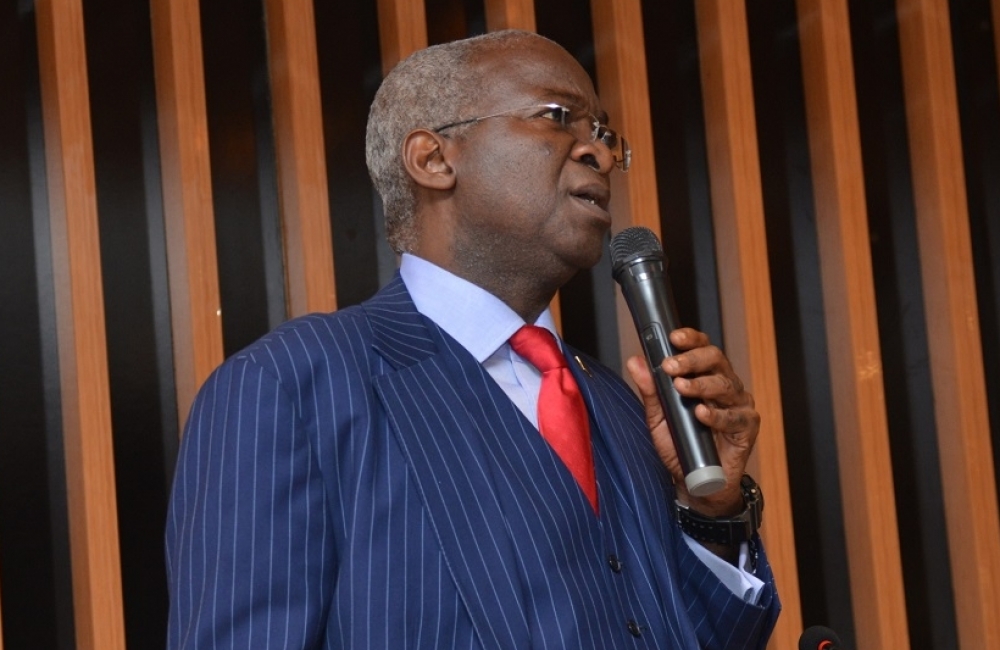
There’s A Lot Of Work Ahead Of Us, In Spite Of What We’ve Done Before, Says Fashola * As he assumes duty as Minister of Works and Housing * Calls for readiness among staff of the Ministry to work towards achieving Presidential mandate of economic prosperity for all * Expresses joy that staff have continued some of the projects left behind at the expiration of last administration * Suspends all travels, leave of absence to ensure the working out of the budget for the Ministry in the next two weeks The new Minister of Works and Housing, Mr. Babatunde Fashola SAN, has called for readiness among the staff of the Ministry in order to achieve the mandate of the Federal Government for economic growth and development as well as job creation in the country expressing his resolve to provide the needed leadership. Fashola who was the immediate past Minister of Power, Works and Housing, said the need to achieve the mandate was in line with the clear mandate of President Muhammadu Buhari who in his speech, while swearing in the Ministers earlier, had made it clear that he wanted the Ministers to further grow and stabilize the nation’s economy. Addressing the senior management staff of the Ministry at the Conference Room in Mabushi soon after the inauguration at the State House, Fashola expressed joy that the staff had remained faithful to some of the works left behind by his team during the last administration but warned that that there was still work to be done to consolidate on the foundation so far laid. The Minister declared, “I am happy to see that some of the works we left you have remained faithful and that is in the spirit of continuity and development which is what the nation needs”. He added, however, “There is still a lot of work ahead of us in spite of what we have done before and I offer myself ready and willing to do my part by providing leadership and I trust that all of you are ready as well”. “The mandate of Mr. President is very clear and it derives from his mandate to the people of Nigeria. And if you watched the Swearing-in ceremony today and listened to his speech, he wants us to be his eyes and ears and his agents to serve all the people of Nigeria and that is what we must set out to achieve”, Fashola said pointing out that the President was unequivocal on the urgent need to stabilize the economy. According to the Minister, the President was clear about the need to sustain the growth already experienced in the economy, adding, “The economy has grown from recession and out of recession and it has grown for consecutive eight quarters. But we need to double that growth and even multiply it , but that will depend on how we work this time. The central purpose is to create prosperity and to create jobs and I think this is possible”. Fashola, who said the immediate need was to work out a budget for the Ministry in the next two weeks, urged all the agencies and departments of the Ministry to work closely with the Permanent Secretary to achieve the feat adding that the budget remained the article of faith between the government and the governed. He declared, “One of the first things we have to do is to quickly work out the budget for the Ministry of Works and Housing and we have to do that in the next two weeks”, adding that because the budget was the article of faith in governance, all agencies and departments of the Ministry must work together to produce a budget worthy of note by the Ministry. Pointing out that the leadership of the National Assembly has expressed commitment to conduct all the budget defenses in the month of October, Fashola said in order to ensure that this was achieved and all documents were made ready for the defense, all leaves, travels and other less compelling engagements must be put aside for now. He stressed the need for the nation’s professionals to be more committed and dedicated to the service of the country pointing out that the fortunes of every nation was determined by how their professionals engage in national service. He said the central purpose of public service was to create prosperity and deliver better life to the people. Welcoming the new Minister of State, Engineer Aliyu Abubakar, Fashola, who expressed joy that he is reuniting with the new Minister , “in the service of our fatherland” after many years, disclosed that aside working with him at the level of Governors' Forum they also worked together in the formative years of the All Progressives Congress. Describing him as a very strong Party Man, Fashola, who said the speech rendered by the Minister of State was the longest he ever heard him give, added, “What is instructive about it is that he has laid himself bare to those of you who don`t know him. This was plain in all he has said.” The Minister said in terms of professional qualifications, the new Minister of State was bringing a lot of experience that would be beneficial to the Ministry, adding, “I heard a very rousing applause when he said he is a civil engineer and also when he included his water engineering background. And so, of course, he brings a lot of experience that is beneficial to the Ministry.” The inaugural meeting with management staff of the Ministry was attended by the Permanent Secretary Works, Directors, heads of departments and agencies of the Ministry as well as Special Advisers and other top government functionaries. ...
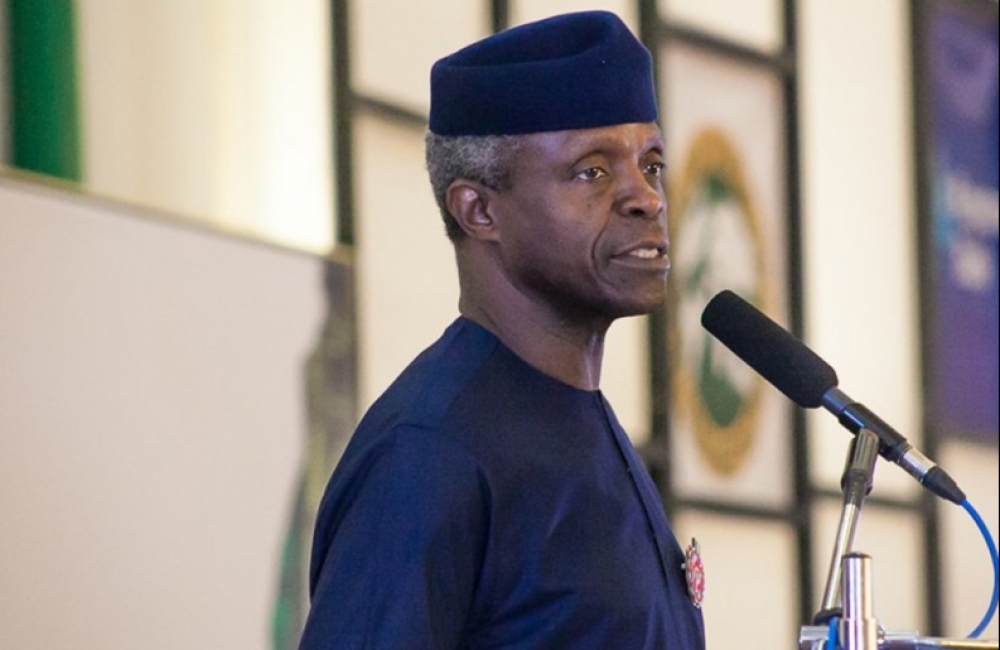
FG Committed To Delivering Effective Power Supply To Nigerians – Osinbajo Vice-President Yemi Osinbajo on Thursday reassured Nigerians that Federal Government was committed to ensuring effective and cost reflective power supply in the country. Osinbanjo gave the assurance during the official inauguration of the Niger Delta Power Holding Company (NDPHC) new 2×60MVA, 132/33KV substation and associated 132KV transmission lines in Abeokuta, Ogun. The News Agency of Nigeria (NAN) reports the vice president inaugurated the 2×60MVA, 132/33KV relief substation for Abeokuta; line bay extension works at Otta, Papalantoro and old Abeokuta 132/33KV substation. According to Osinbajo, this commissioning is an important part of government effort to improve supply and quality of power to homes and businesses in Nigeria. “In past few years, resolving the power problem has been top priority of government of Nigeria. “Today, we have about 13,427 megawatts installed capacity and available capacity of 8,342 megawatts. “This was achieved through the effort of government and private sector partnership on rehabilitation of turbines in Shiroro Egbin, Delta, Sapele, among others,” he said. He assured Nigerians that before the end of 2019, new generation was expected to be injected into the national grid to boost and increase power supply in the country. Osinbajo said the distribution capacity in the 11 Discos were significantly low, hovering at around 4,000 megawatts on average with a peak at about 5,400MW. He added that despite all the availability of about 8,000MW of generation and 7,000MW of transmission capacity, the lack of Disco infrastructure to absorb and deliver grid power to end-users had largely restricted generation to an average of about 4,000MW, and sometimes even falling below 4,000MW. “It is evident that despite all efforts that has been put into trying to expand the grid, the structure of the market today cannot deliver on government’s promises to provide power for domestic and industrial use. “A substantial change of strategy is necessary. There is clearly need for a change of strategy. “What we have done in the past has taken us to a point where there is clearly a change of strategy,” he said. The Chief Executive Officer of the NDPHC, Mr Chiedu Ugbo, said he the new 2×60MVA, 132/33KV substation of Abeokuta, when fully come on stream, would provide reliable power off-take via six 33KV distribution feeders to the state capital (Abeokuta) and its environs. He explained further that the 1×60MVA transformer at Otta would provide additional power supply via three 33KV feeders to Otta and its environs. Besides, Ugbo underscored the importance of the projects and said they would impact positively on power supply to Abeokuta, Otta axis and Papalanto. “NDPHC’s contribution to the tansmission grid system has transformed the hitherto radial 330Kv/132KV grid into a more robust grid system with significant provision of alternative power flow routes which now serve as redundancies and which has resulted in a more reliable and stable Nigeria grid. “Of note in these respects are the commissioning of the over 220KM long 330KV Double Circuit (DC) lines providing alternative supply route into Abuja and the FCT from Geregu. “Through a new Lokoja substation, a new Gwagwalada substation into the existing TCN Katampe and Apo substations with several significant expansion works on existing substation developments along this route,” he said. Agbo said electricity supply to those parts of Ogun along the axis of Otta right up to Abeokuta the state capital were initially via a double circuit 132kV line into Otta, from the mega 330/132/33kV transformer substation at Ikeja west which serves as a marshalling station for several power plant inflows into Lagos. *A 2X40MVA 132/33kV substation was built at this Otta location for supply to Otta and environs. “Out of Otta, a single circuit lower capacity 132kV line was built to connect Abeokuta via an intermediate 132/33kV Substation at Papalanto within the premises of Lafarge Cement Company. “The Abeokuta Substation was also equipped with 2X40MVA 132/33kV Transformers for supplying Abeokuta and its environs. “Over time, all these facilities became overloaded and lacking capacity to cater to growing demands in these locations, necessitating NDPHC intervention. “A schematic overview of the old status and NDPH intervention is attached for visual clarity,” he added. The NDPHC boss said the company constructed a total of 77.5kms high capacity 132kV transmission Lines, thus providing near quadrupling of the supply (wheeling) capacity out of Otta (from 70MW to 250MW) and thereby eliminating supply constraints and attendant load shedding that had existed before at Otta, and Abeokuta. He said that additionally, the NIPP 2X60MVA 132/33kV Substation at New Abeokuta provided reliable 6nos. 33kV distribution feeders to Abeokuta environs, while the added 1X60MVA 132/33kV Transformer at Otta provided additional 3nos. 33kV feeders to Otta environs. The Managing Director, Transmission Company of Nigeria (TCN), Mr Usman Mohammed, said 1.66 billion dollars had been secured from the World Bank and other multilateral financing agencies on network projects. Usman said the financing was raised for the expansion of the national power grid. He said the Nigeria Electricity Transmission Project, which sought to redress certain deficiencies and operating constraints of the power transmission system, was financed by the World Bank and was worth 486 million dollars. “The project is in three stages; two phases have passed pre-qualification state while the third is still on pre-qualification stage. He said the pre-qualification of the Northern Corridor project being funded by the French Development Agency (Agence Française de Développement) was almost completed. Mohammed said: “The project will cover the closing of loop in-between Sokoto to Kaura Namoda and Katsina. “Environmental Impact Assessment is on-going, verification for compensation for the right of way is also on-going. The project loan is 300 million dollars,” he said. According to him, the Lagos-Ogun transmission project, which is worth $238m, is being financed by Japan International Cooperation Agency. Usman said the project design, EIA studies, technical studies and resettlement action plan had been concluded. He said compensation request had been forwarded to the Bureau of Public Procurement for due diligence which was expected to be concluded in the third quarter of the year. Source: (NAN) ...
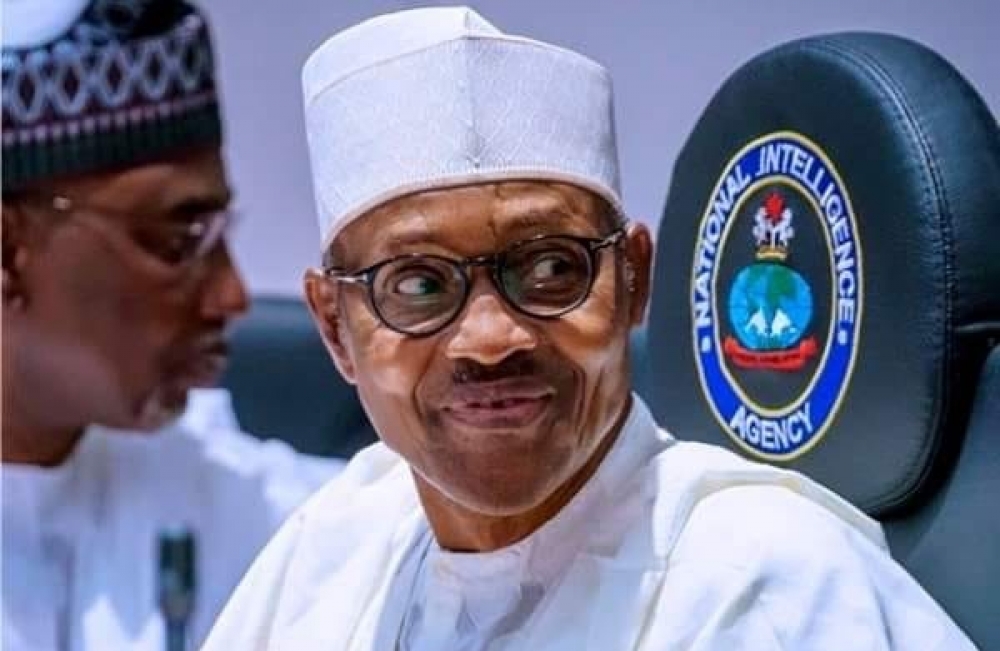
Our Priority Investments In Infrastructure Paying Off - President Buhari President Muhammadu Buhari says his administration’s investment in infrastructure like rails, roads, bridges and waterways have started yielding positive results with tangible evidence for all to see. Speaking at the commissioning of the reconstructed Shinkafi-Yandaki-Gafiya—Abdallawa-Dankaba road in Katsina, as part of activities during his visit to the state, the President said the special attention given to infrastructure by his administration will be intensified, since the investments had been justified with more people benefiting. “Infrastructure is vital to economic development. As you are aware, this administration has given special attention to infrastructural transformation of our country. “This is in consonance with the change philosophy of the administration. Such projects and programs form part of our contribution to national development, which are tangible for all to see,” he said. He commended the strategy by Governor Aminu Bello Masari’s administration to make roads motorable throughout the year for citizens, adding “we all know that the economy of Katsina State is agrarian. Our wealth is farming and livestock rearing. Hence the need to open it up through and across all communities so as to maximally tap the abundant agricultural and livestock resources the state is endowed with.” In his remark, Governor Masari said the government “had all along been mindful of the need for infrastructural development across the nooks and crannies of the state.’’ He said the decision had “efficiently and effectively facilitated smooth movement of people, goods and services on trade and commerce, not only within Katsina State but across other neighbouring states.’’ The governor noted that the economy of the state and wellbeing of the people had improved with the focus on infrastructure. President Buhari will commission more projects in the state on Thursday. ...
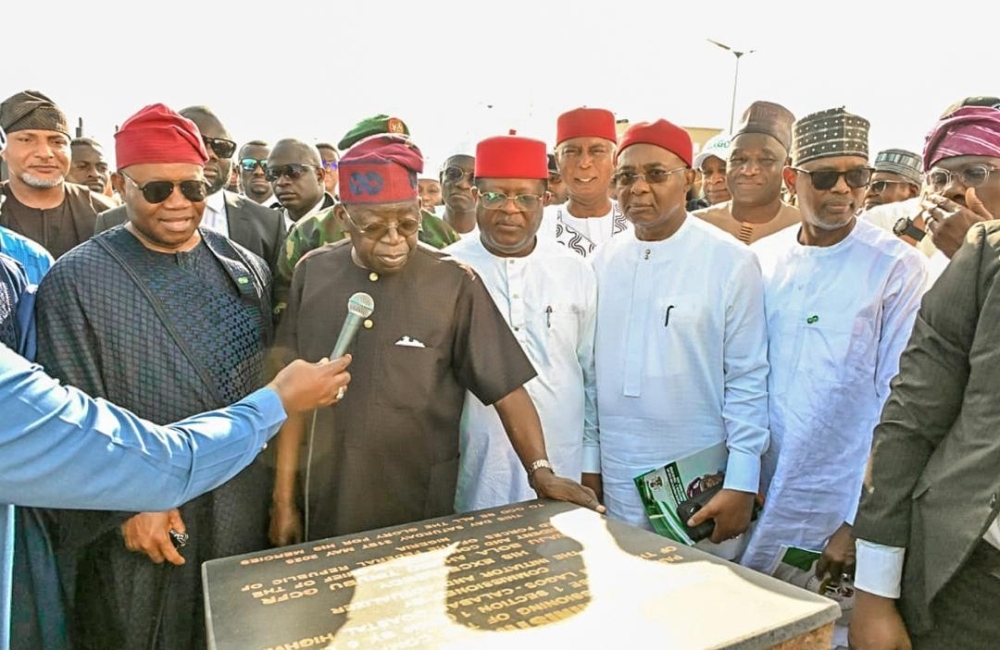
DRIVING NIGERIA’S FUTURE: CELEBRATING TWO YEARS OF TRANSFORMATIVE LEADERSHIP AND THE LAGOS-CALABAR COASTAL HIGHWAY MILESTONE
DRIVING NIGERIA’S FUTURE: CELEBRATING TWO YEARS OF TRANSFORMATIVE LEADERSHIP AND THE LAGOS-CALABAR COASTAL HIGHWAY MILESTONE
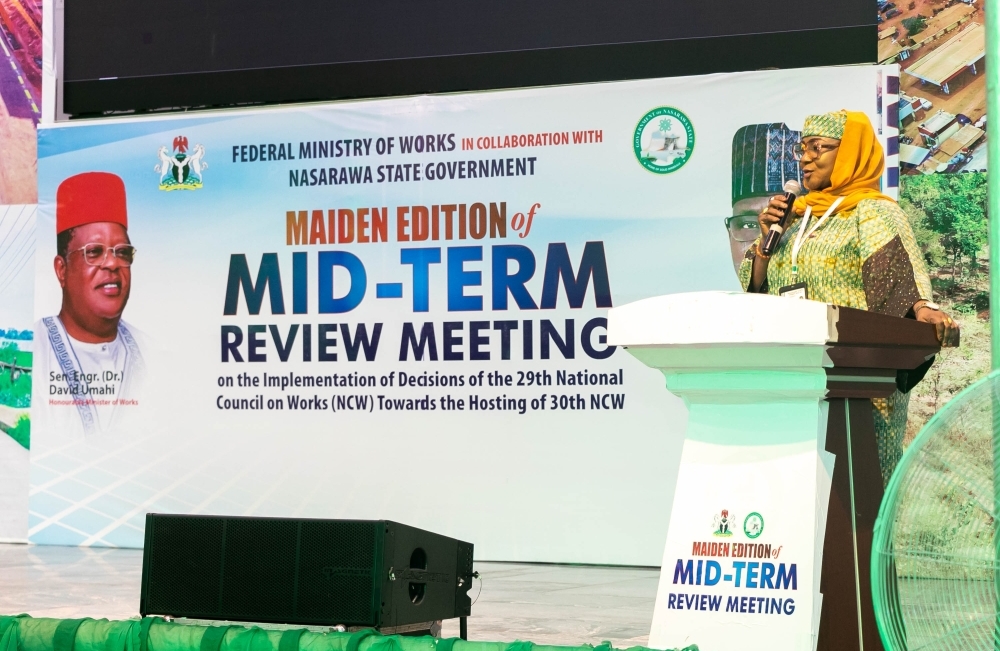
MID -TERM REVIEW MEETING ON THE IMPLIMENTATION OF THE DECISIONS REACHED AT THE 29TH NATIONAL COUNCIL ON WORKS (NCW) DAY 1
MID -TERM REVIEW MEETING ON THE IMPLIMENTATION OF THE DECISIONS REACHED AT THE 29TH NATIONAL COUNCIL ON WORKS (NCW) DAY 1