PRESIDENT TINUBU REITERATES COMMITMENT TO QUALITY INFRASTRUCTURE DELIVERY AT THE 34TH COREN ENGINEERING ASSEMBLY
President Bola Ahmed Tinubu, GCFR, has reaffirmed the Federal Government's unwavering commitment to strengthening engineering regulations, promoting quality infrastructure, and safeguarding public safety across Nigeria.
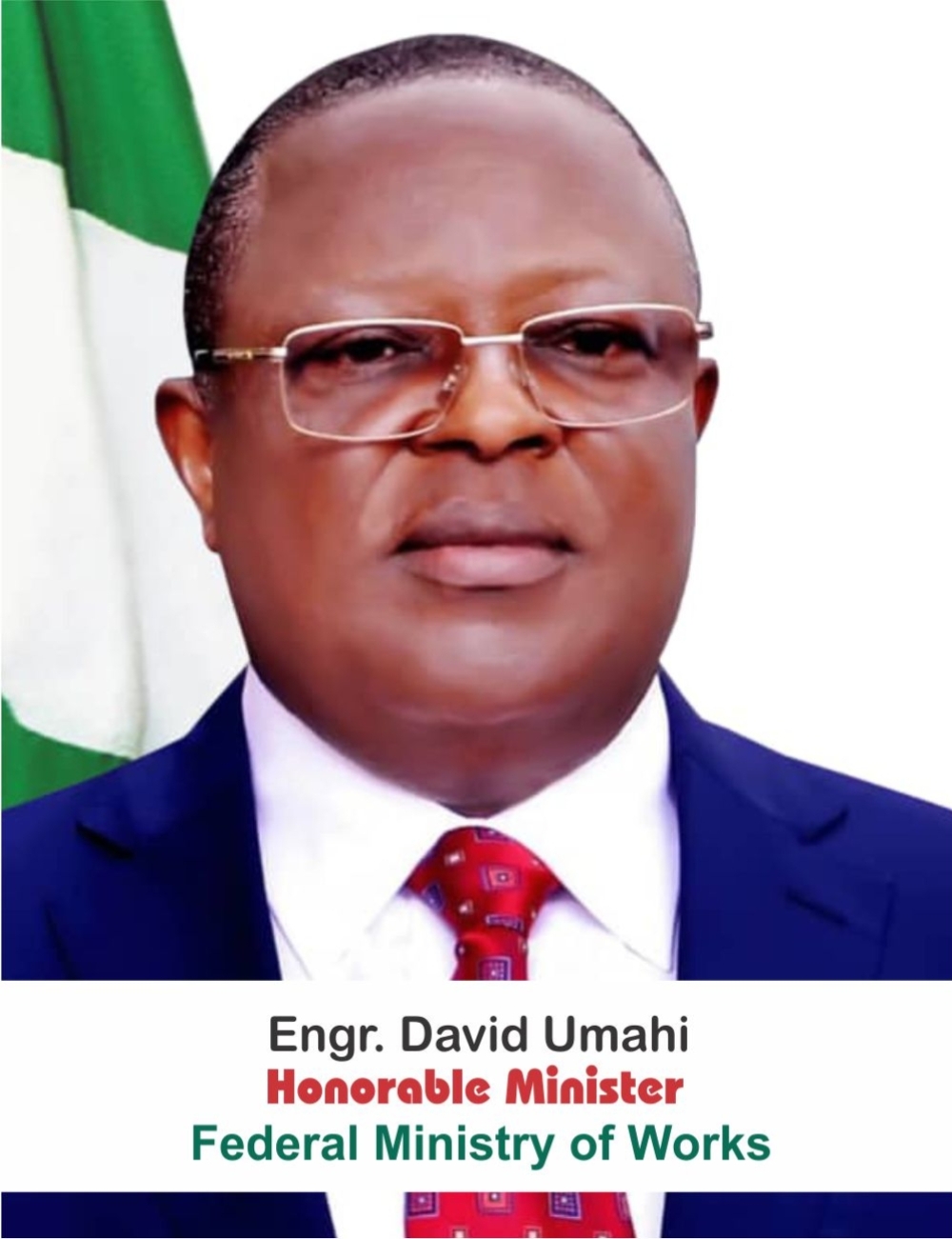
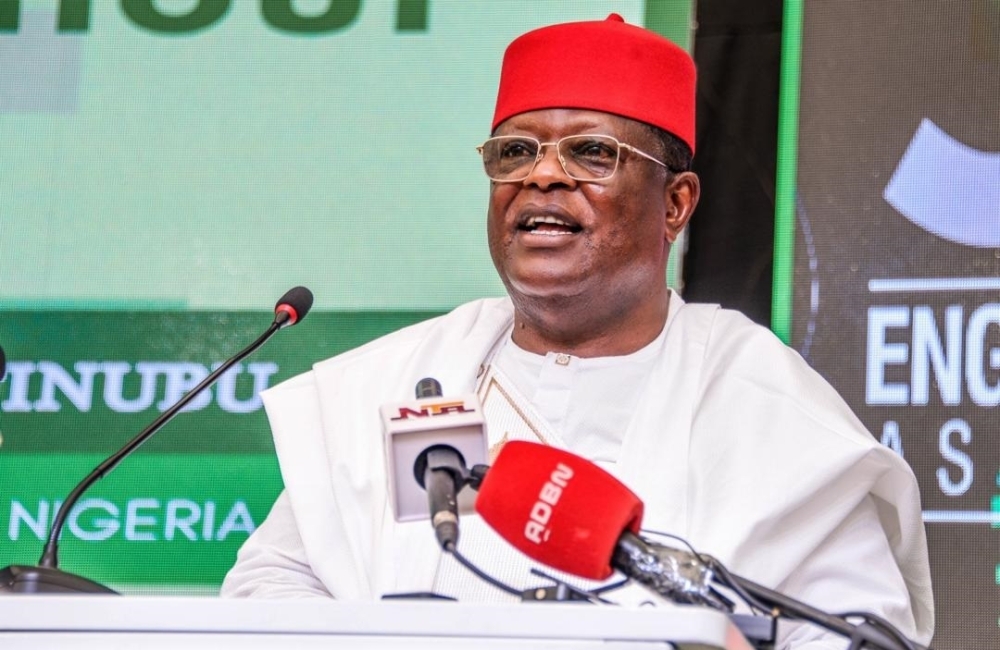
Represented by the Honourable Minister of Works, *Engr. David Umahi, CON, FNSE, FNATE *, while declaring open the 34th COREN Engineering Assembly, the President described the Assembly’s theme, *"Advancing Public Safety in Nigeria through Strategic Engineering Regulatory Enforcement and a Tiered Sanctioning Regime,"* as timely and relevant to the nation’s developmental aspirations.
The President stated that engineering remains the backbone of national development and that effective regulatory enforcement is essential for protecting lives, ensuring quality infrastructure, and restoring public confidence in the engineering profession.
He stressed that regulations are not intended to punish professionals but to protect public interest, noting that *” no road, bridge, or building is more valuable than human life.”*
President Tinubu assured participants that his administration remains fully committed to completing the four (4) Legacy Road Projects across the six geopolitical zones, under the Renewed Hope Agenda. He described them as strategic investments that will transform the nation’s economy, improve connectivity, and stimulate sustainable development.
The Honourable Minister of Works commended the Council for the Regulation of Engineering in Nigeria (COREN) for choosing an apt theme that aligns with the Federal Government’s vision for quality infrastructure delivery and adherence to public safety.
He noted that engineering is a profession where mistakes can cost human lives, emphasising that, unlike many other professions, there is often no opportunity for appeal after a structural failure. He, therefore, called for stronger regulations, strict enforcement, and effective sanctions against unqualified practitioners and professionals, who compromise ethics and standards.
Engr. Umahi stressed that site engineers must discharge their responsibilities professionally and should never allow contractors to dictate engineering decisions. He urged Council to strengthen its disciplinary mechanisms, similar to other professional regulatory bodies, to ensure that only qualified engineers are allowed to practice.
The Minister highlighted the achievements of President Tinubu’s administration, especially the ongoing Legacy Road Projects spread across all the geopolitical zones, designed to improve economic integration, enhance national security, create employment opportunities, and stimulate investment.
He expressed confidence that with continued discipline, transparency, and adherence to engineering ethos, Nigeria’s infrastructure deficit would be significantly reduced within the coming years.
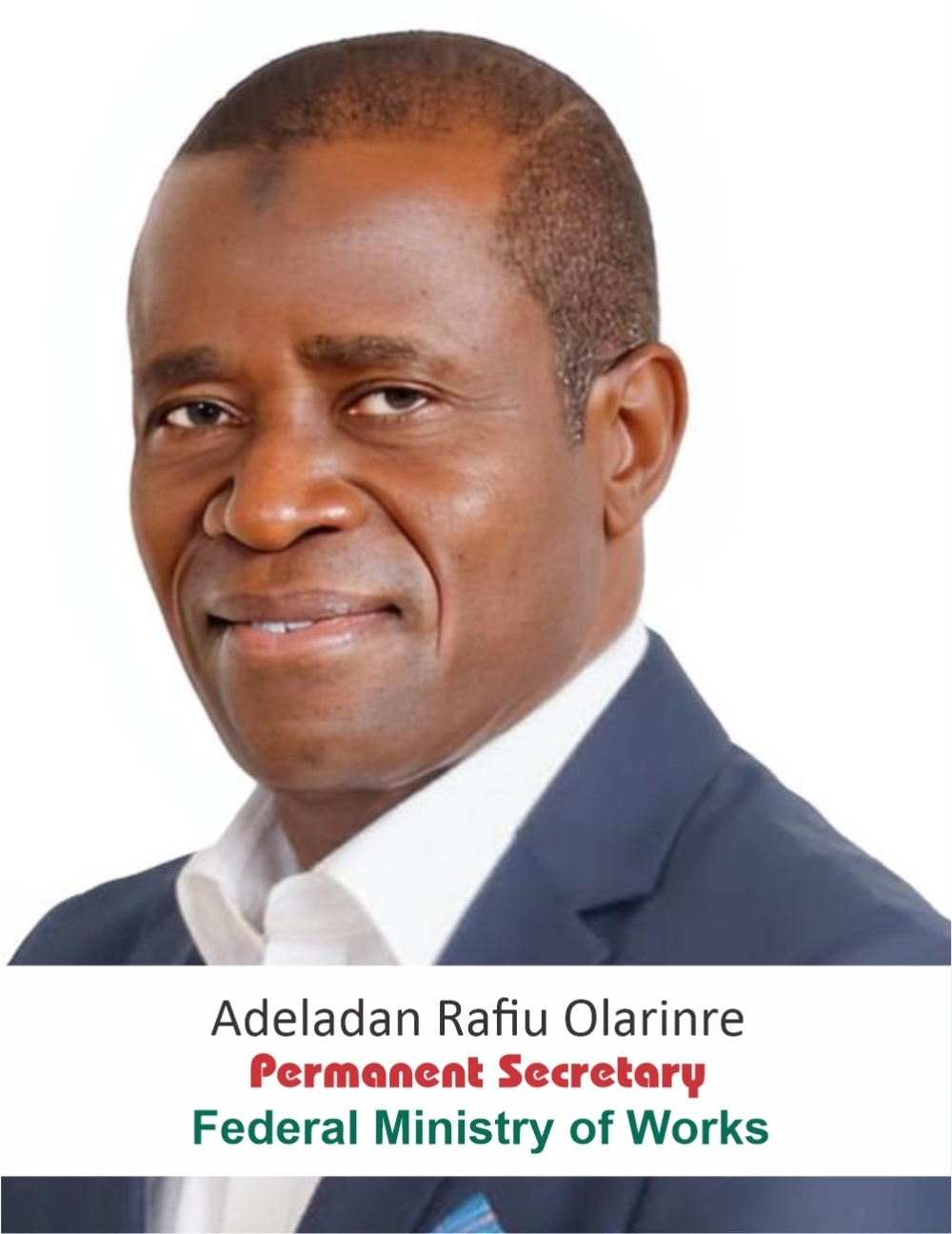
Presenting the *Keynote Address* on behalf of the Honourable Minister, the *Permanent Secretary, Federal Ministry of Works, Mr. Rafiu Adeladan,* stated that the Renewed Hope Agenda places infrastructure development at the centre of Nigeria’s economic transformation. He explained that the Ministry is implementing four major Legacy Projects across the geopolitical zones to connect communities, promote commerce, improve national integration, and encourage investment.
The Permanent Secretary emphasised that quality assurance, competence, professionalism, and independence amongst stakeholders remain fundamental requirements for sustainable infrastructure development. He urged engineers to uphold ethical standards, comply strictly with engineering regulations and best practices, and strengthen resilience through adherence to due process
The Chairman of the occasion, *Alhaji Aliko Dangote, GCON,* represented by *Prof. Hassan Umaru* described the Assembly as timely and significant, noting that engineering excellence remains the foundation of public trust, industrial competitiveness, and national development.
He observed that every infrastructure project must be executed according to approved standards and maintained throughout its lifespan. Drawing from the experience of the *Dangote Refinery* project, he explained that rigorous engineering design, quality control, technical discipline, and strict compliance with standards were critical to its successful delivery.
The Chairman called for sustained excellence within the engineering profession and urged COREN to continue strengthening regulatory frameworks, while enforcing disciplinary measures against erring practitioners, in order to safeguard lives and property.
In his *Welcome Address,* the *President of COREN, Engr. Prof. Sadiq Zubair Abubakar, FNSE,* outlined the Council’s statutory responsibility of regulating engineering education and practice in Nigeria, in line with international standards and recommended practices.
He explained that engineering graduates are expected to undergo mandatory industrial training before participating in the National Youth Service Corps (NYSC), describing practical exposure as critical to professional competence.
Prof. Abubakar further disclosed that COREN has successfully introduced digital verification and enforcement systems to improve transparency, eliminate fraudulent practices, and strengthen regulatory compliance.
He assured members that the Council would continue to uphold integrity, professionalism, and accountability, while addressing attempts by some practitioners to circumvent established standards. According to him, engineering regulation must remain transparent, sustainable, and effective in preventing infrastructure failures across the country.
In his introductory remarks, *Prof. O. A. U. Uche* emphasised the importance of sustaining quality infrastructure development through continuous improvement in engineering practice. He described infrastructure development as a collective responsibility requiring collaboration among government, professional bodies, academia, industry, and private sector stakeholders. In this vein, he, therefore, called for stronger synergy in advancing engineering excellence and national development.
The *Honourable Minister of Innovation, Science and Technology, Dr. Bosun Tijjani*, stated that science, technology, and engineering remain critical drivers of economic growth, innovation, and public safety. He pledged continued collaboration between the Ministry and engineering regulatory agencies.
Representing the Nigeria Governors' Forum, the *Governor of Plateau State, Barr. Caleb Mutfwang,* opined that engineering is one of the most respected professions globally and emphasised the need to create an enabling environment for engineers to thrive, while sustaining public safety and economic development.
The *National Chairman of the All Progressives Congress (APC), Professor Nentawe Yilwatda*, commended COREN for its achievements in regulating engineering practice. He described engineers as the backbone of national development and praised the Federal Ministry of Works, under the leadership of Engr. David Umahi for the remarkable progress recorded on the four Legacy Road Projects and others across the six geopolitical zones.
He congratulated the Ministry for its commitment to quality infrastructure and affirmed that Nigerian engineers continue to distinguish themselves through professionalism and excellence both nationally and internationally.
The 34th Engineering Assembly reaffirms
COREN’s commitment to strengthening engineering regulations, enforcement, and a tiered sanctioning regime to ensure public safety and sustainable infrastructure development in Nigeria.

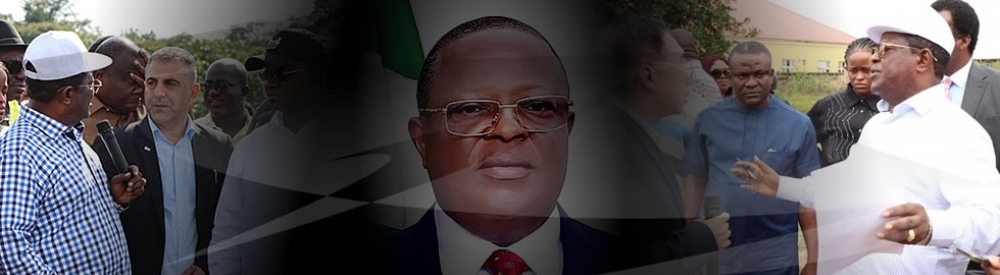
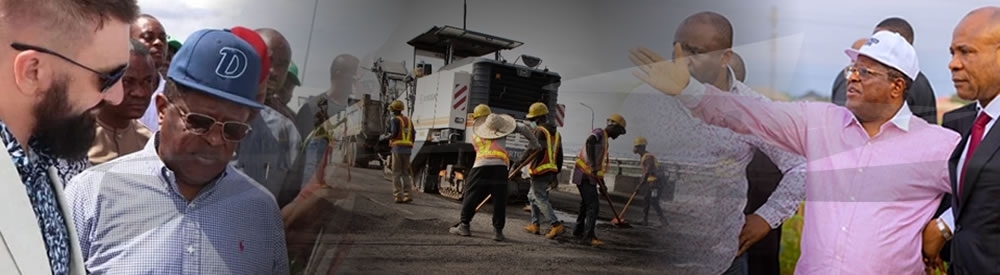

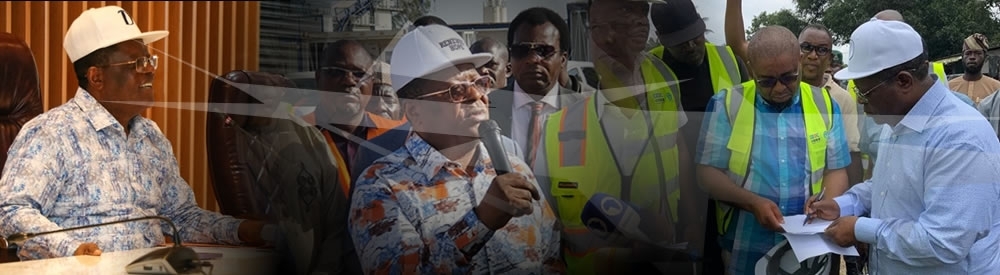
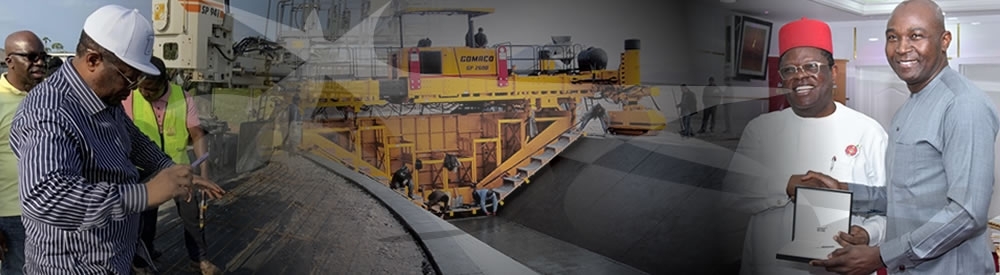
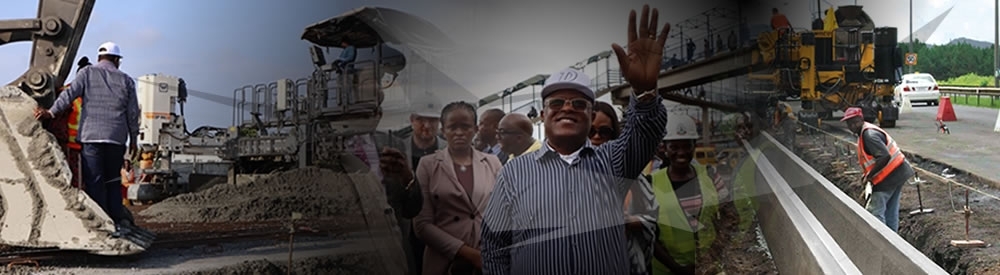
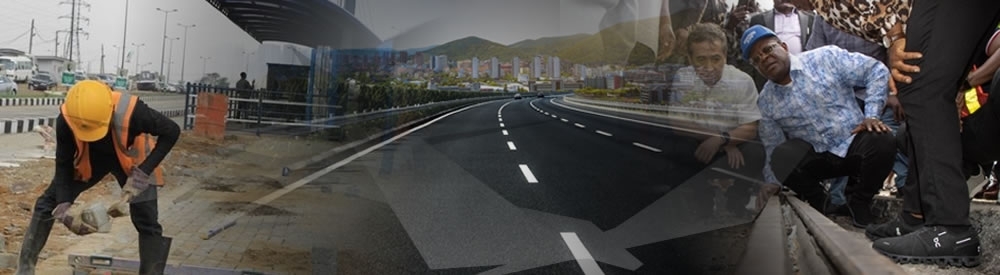
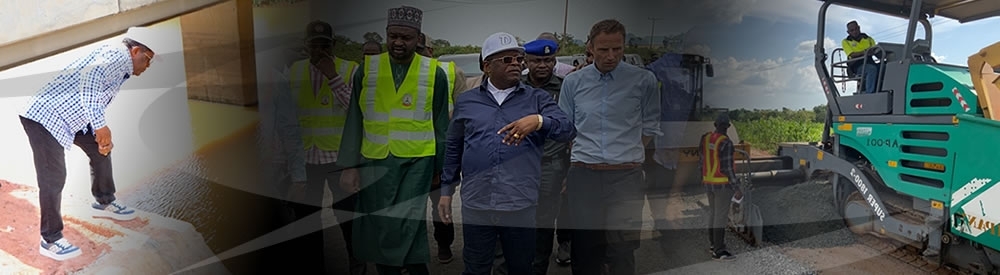
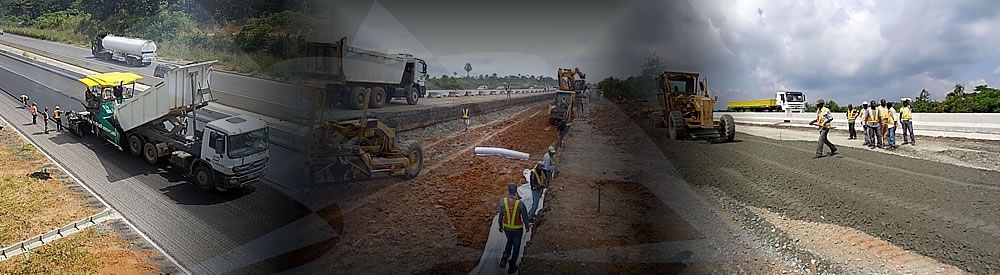
President Bola Ahmed Tinubu, GCFR, has reaffirmed the Federal Government's unwavering commitment to strengthening engineering regulations, promoting quality infrastructure, and safeguarding public safety across Nigeria. Represented by the Honourable Minister of Works, *Engr. David Umahi, CON, FNSE, FNATE *, while declaring open the 34th COREN Engineering Assembly, the President described the Assembly’s theme, *"Advancing Public Safety in Nigeria through Strategic Engineering Regulatory Enforcement and a Tiered Sanctioning Regime,"* as timely and relevant to the nation’s developmental aspirations. The President stated that engineering remains the backbone of national development and that effective regulatory enforcement is essential for protecting lives, ensuring quality infrastructure, and restoring public confidence in the engineering profession. He stressed that regulations are not intended to punish professionals but to protect public interest, noting that *” no road, bridge, or building is more valuable than human life.”* President Tinubu assured participants that his administration remains fully committed to completing the four (4) Legacy Road Projects across the six geopolitical zones, under the Renewed Hope Agenda. He described them as strategic investments that will transform the nation’s economy, improve connectivity, and stimulate sustainable development. The Honourable Minister of Works commended the Council for the Regulation of Engineering in Nigeria (COREN) for choosing an apt theme that aligns with the Federal Government’s vision for quality infrastructure delivery and adherence to public safety. He noted that engineering is a profession where mistakes can cost human lives, emphasising that, unlike many other professions, there is often no opportunity for appeal after a structural failure. He, therefore, called for stronger regulations, strict enforcement, and effective sanctions against unqualified practitioners and professionals, who compromise ethics and standards. Engr. Umahi stressed that site engineers must discharge their responsibilities professionally and should never allow contractors to dictate engineering decisions. He urged Council to strengthen its disciplinary mechanisms, similar to other professional regulatory bodies, to ensure that only qualified engineers are allowed to practice. The Minister highlighted the achievements of President Tinubu’s administration, especially the ongoing Legacy Road Projects spread across all the geopolitical zones, designed to improve economic integration, enhance national security, create employment opportunities, and stimulate investment. He expressed confidence that with continued discipline, transparency, and adherence to engineering ethos, Nigeria’s infrastructure deficit would be significantly reduced within the coming years. Presenting the *Keynote Address* on behalf of the Honourable Minister, the *Permanent Secretary, Federal Ministry of Works, Mr. Rafiu Adeladan,* stated that the Renewed Hope Agenda places infrastructure development at the centre of Nigeria’s economic transformation. He explained that the Ministry is implementing four major Legacy Projects across the geopolitical zones to connect communities, promote commerce, improve national integration, and encourage investment. The Permanent Secretary emphasised that quality assurance, competence, professionalism, and independence amongst stakeholders remain fundamental requirements for sustainable infrastructure development. He urged engineers to uphold ethical standards, comply strictly with engineering regulations and best practices, and strengthen resilience through adherence to due process The Chairman of the occasion, *Alhaji Aliko Dangote, GCON,* represented by *Prof. Hassan Umaru* described the Assembly as timely and significant, noting that engineering excellence remains the foundation of public trust, industrial competitiveness, and national development. He observed that every infrastructure project must be executed according to approved standards and maintained throughout its lifespan. Drawing from the experience of the *Dangote Refinery* project, he explained that rigorous engineering design, quality control, technical discipline, and strict compliance with standards were critical to its successful delivery. The Chairman called for sustained excellence within the engineering profession and urged COREN to continue strengthening regulatory frameworks, while enforcing disciplinary measures against erring practitioners, in order to safeguard lives and property. In his *Welcome Address,* the *President of COREN, Engr. Prof. Sadiq Zubair Abubakar, FNSE,* outlined the Council’s statutory responsibility of regulating engineering education and practice in Nigeria, in line with international standards and recommended practices. He explained that engineering graduates are expected to undergo mandatory industrial training before participating in the National Youth Service Corps (NYSC), describing practical exposure as critical to professional competence. Prof. Abubakar further disclosed that COREN has successfully introduced digital verification and enforcement systems to improve transparency, eliminate fraudulent practices, and strengthen regulatory compliance. He assured members that the Council would continue to uphold integrity, professionalism, and accountability, while addressing attempts by some practitioners to circumvent established standards. According to him, engineering regulation must remain transparent, sustainable, and effective in preventing infrastructure failures across the country. In his introductory remarks, *Prof. O. A. U. Uche* emphasised the importance of sustaining quality infrastructure development through continuous improvement in engineering practice. He described infrastructure development as a collective responsibility requiring collaboration among government, professional bodies, academia, industry, and private sector stakeholders. In this vein, he, therefore, called for stronger synergy in advancing engineering excellence and national development. The *Honourable Minister of Innovation, Science and Technology, Dr. Bosun Tijjani*, stated that science, technology, and engineering remain critical drivers of economic growth, innovation, and public safety. He pledged continued collaboration between the Ministry and engineering regulatory agencies. Representing the Nigeria Governors' Forum, the *Governor of Plateau State, Barr. Caleb Mutfwang,* opined that engineering is one of the most respected professions globally and emphasised the need to create an enabling environment for engineers to thrive, while sustaining public safety and economic development. The *National Chairman of the All Progressives Congress (APC), Professor Nentawe Yilwatda*, commended COREN for its achievements in regulating engineering practice. He described engineers as the backbone of national development and praised the Federal Ministry of Works, under the leadership of Engr. David Umahi for the remarkable progress recorded on the four Legacy Road Projects and others across the six geopolitical zones. He congratulated the Ministry for its commitment to quality infrastructure and affirmed that Nigerian engineers continue to distinguish themselves through professionalism and excellence both nationally and internationally. The 34th Engineering Assembly reaffirms
PRESIDENT TINUBU REITERATES COMMITMENT TO QUALITY INFRASTRUCTURE DELIVERY AT THE 34TH COREN ENGINEERING ASSEMBLY
COREN’s commitment to strengthening engineering regulations, enforcement, and a tiered sanctioning regime to ensure public safety and sustainable infrastructure development in Nigeria.
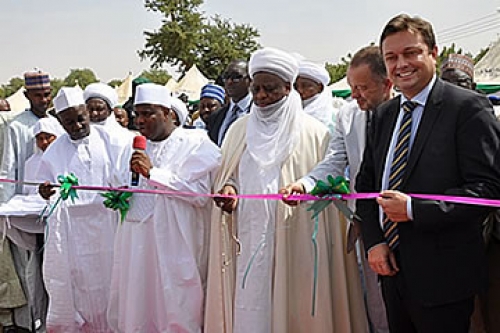
Tambuwal Commissions 80KWp Solar Electricity Project Governor Aminu Waziri Tambuwal of Sokoto State has commissioned the 80KWp solar mini – grid electricity project which will provide uninterrupted power supply to Kurudla Village in Gudu Local Government Area of Sokoto State on Friday 19th January, 2018. Tambuwal said more than 500 households would benefit from clean electricity supply. In his words, he said “today’s event marks the beginning of a great collaborative effort towards ensuring sustainable growth through renewable energy sector development. It has now become absolutely necessary to take advantage of the ongoing renewable energy effort to ensure self – sufficiency in energy for economic development”. He added that “mini – grid powered by renewable sources is the best option for us to expand electricity access in the rural areas where the national grid is not available”. The governor used the occasion and appealed to the community leaders and residents to ensure adequate security of the equipment and personnel handling the project, while disclosing that the project is co – funded by the European Union, and jointly implemented by the Federal Ministry of Power, Works and Housing and the German International Development Agency, Deutsche Geseuschaft fur Internationale Zusammenarbeit (GIZ) through the Nigerian Energy Support Programme (NESP) which partnered with the Sokoto State Government and a private investor, GoSolar Africa Energy Limited to develop the project. Also speaking at the occasion, the Minister of State II, Power, Works and Housing, Suleiman Hassan Zarma, expressed the readiness of the Buhari’s led administration to work with development partners and the private sector on energy solutions so that those at the remote and underserved rural communities would also have access to reliable and sustainable electricity supply at affordable prices. To this effect, the Minister said “in May 2016, the Federal government initiated the Road map of Incremental, Steady and Uninterrupted Power Supply and adopted the policy of diversifying the Nigerian Energy Mix”. Adding that the Federal government have in the last two years developed several policies and action plans aimed at developing our renewable energy resources which include: the National Renewable Energy Action Plans (NREAP) and Sustainable Energy for All (SE4ALL) action agenda in line with the Federal government’s commitment to the Paris Agreement and United Nation Sustainable Development Goals (SDG) and particularly to serve as implementation tool for the National Renewable Energy and Energy Efficiency (NREEEP) approved by the Federal Executive Council ( FEC) IN 2015. He said “Federal government have also recently developed a Power Sector Recovery Plan (PSRP) which is aimed at addressing some of the core problems facing the power industry”. Earlier, the German Ambassador to Nigeria, Mr. Dietmar Kreusel, had expressed optimism that the introduction of solar mini grid would expand access to electricity not just in Kurudla, but in other areas of the country. In a similar vein, the European Union Ambassador to Nigeria, Mr. Ketil Karlsen, said that over 1.5 billion people globally lacked access to cheap, affordable and steady electricity, which Nigeria falls into. In his part, the country’s representative of a private firm, GoSolar Africa Energy Limited, Mr. Femi Oye said the provision of the solar project has led to improved life of the people of Kurudla community through improved education, water and jobs as a lot of economic activities such as millers, iron benders as well as shops and saloons have started springing up in the area. ...
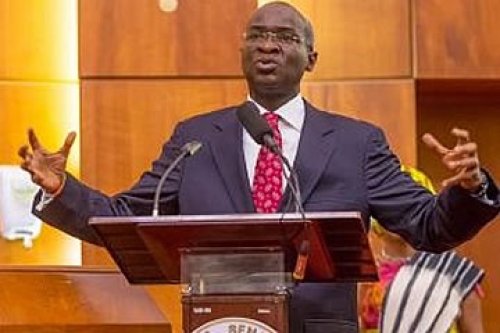
Senate Committee Members Applaud As Fashola Reports 71.58% Q2 Performance For 2017 Budget * ’’I will like to say here that I have not seen any Budget of that magnitude funded up to 71 per cent; never’’, says Member * Members agree on necessity for bulk budgeting to fund roads but ask that the current budget plan continue until the process is changed The Senate Committee on Works Tuesday applauded as the Minister of Power, Works and Housing, Mr Babatunde Fashola SAN, reported that the 2017 Budget for his Ministry has achieved 71.58 per cent implementation as at December 2017. Fashola, who had gone to the Committee Meeting to defend the 2018 Budget proposal for his Ministry, told Members of the Committee that based on all the payments made to contractors for all the works done since the commencement of the projects to date, the current Budget Performance for the second release of the Budget year now stood at 71.58 per cent. Recalling that he first reported a performance of 15.3 per cent based on payments of N57Billion made after the first release of money, the Minister, who explained that he could not quote the full performance then because, although the works had been completed and the certificates in, they were yet to be paid for, pointed out that based on some payments that were made between December 2017 and January 2018, the Performance had now gone up to 71.58 per cent. He told the Committee, ’’As I said in my introductory remarks, as at December 2017, we could only report what we had paid for, which was a lot less than the work that had actually been done; because the releases that we had for first release under 2017, was made in August 2017 and it was for N57Billion as you could see. So it was not until December 2017 that we got the second allocation of N120Billion and we also got some disbursements from the SUKUK in the sum of N57Billion’’. ’’Now, based on some payments that have been made between December 2017 and now (January 17th 2018), after the second release came to hand, we have paid out N57Billion as I said in the first release, N57.4Billion also released under the SUKUK and N120Billion. So this takes the Budget Performance up from 15.3 per cent in Q1 to 71.58 per cent as at today’’, he said eliciting applause from the Committee Members. He noted that this is the first time the Federal Government has recorded such impressive performance. The Minister, who noted that the budget has run just a little above two Quarters (June 2017 – January 2018), declared, ’’Our new performance now is 71.58 per cent. The details of those payments are what is broken down in Annex 1 covering, I believe, about 526 projects at various levels’’. He added that the Overhead Costs of the Ministry and its Parastatals currently stood at 62 per cent while the Personnel Cost which, according to him, was being implemented would be reported through the Office of the Accountant General of the Federation. Referring the Members to Annexure 1 of the document, Fashola said it contains details of the 526 projects listed there and various roads across the six geopolitical zones including breakdown of payments, physical progress of work, the certificates and the amount that have been paid, the budget performance and the progress of work achieved. The Minister reiterated that the 2017 Budget was in the sum of N586.535Billion for the Ministry of Power, Works and Housing and its parastatals. Also contained in Annexure 1, he said, were Overhead Costs in the sum of N15.047Billion, broken down in Paragraph B for the main Ministry, Parastatals and Agencies like FERMA and so on and so forth, the Personnel Costs amounting to N13,556,553,547 also itemized for the three sectors of the Ministry as well as the breakdown between the Main Ministry and the other sectors. Responding to questions from members, especially on the status of roads in the 2017 Budget which were not awarded in the Budget year, Fashola reiterated his earlier call for a bulk amount to be provided in the annual budget to fund roads adding that it would make for the continuous funding of the roads not awarded during the budget year. According to the Minister, this would also solve the recurring problem of a project meant for one annual budget reappearing in the budget for the following year or being abandoned adding that the present process whereby the Procurement Law stipulates a process that takes up to six months as well as other processes involved before the award of a contract was responsible for the aforementioned situation. ’’The truth is that I don’t see any self-respecting public officer, not the least of the people who are with me here, that want to start a project and not complete it; that I can say on their behalf, they don’t want to abandon any project. But from their experience, which I have come to share, is that in some budget years, when budget is passed they find zero location for some projects. So their enthusiasm is lost if their tool is taken away”, he said adding, however, that things have changed in the last two years. The Minister continued, “The question we must ask ourselves is, can we finance new projects every year? We are constructing roads in a very limited weather window and a very long drawn Procurement process of about six months every year and without completing one, we go to another because our constituents want them”. Fashola, who also noted that some of the roads being constructed run from 50km to about 500 kilometres, added that if in a state where they have three to five kilometre roads, it usually took 24 months to finish. Would it be physically possible to expect such lengthy roads to start and finish in one budget year? He advised that that it was necessary to adopt a process that would work for the country. “Our resources are not increasing in the same exponential manner in which we are committing to new projects and we have projects that will have to be completed”, the Minister said. Commenting on the budget performance, Chairman of the Committee Senator Kabir Gaya, commended the Minister for the performance saying in the history of budget performance in the country in the last ten years there has not been such achievement adding that the budget for Works in 2014, which, according to him was much smaller than the 2017 budget could not achieve up to half performance while the 2017 budget of over N500Billion had performed so much in just two quarters. “I want to say that in the history of our budget performance for the last ten years we have not seen such but in just two years we are seeing systematic progress. There was a budget of N20Billion I think in 2015 and the budget in the last two years has tripled that. This shows that this Government is concerned about improving the state of infrastructure”, the Chairman said. Noting that there have been some projects abandoned for 10 years before the coming of the present administration, the Chairman declared, “This administration has graciously put money into them. So I think Honourable Minister, I believe you are equal to the task you will continue to handle it and we know you are capable”. Also commenting on the performance, another member of the Committee, Sen. Barnabas Gemade, from Benue State, described it as something that had never happened before in the country. His words, ’’In line with the Chairman’s comments, I will like to say here that I have not seen any Budget of that magnitude funded up to 71 per cent; never’’. Most of the Committee members were, however, agreed that although the idea of creating a bulk budget to fund roads was good, it was necessary that the Government continued to function with the existing Procurement Law, Budget practice until such a time a new and acceptable Budget plan would be put in place. With the Minister at the Budget Defense were the Permanent Secretary, Works and Housing, Mr Muhammed Bukar, the Director, Finance and Accounts, Mr Ibrahim Tumsah, the Director, Public Procurement, Mr Ibrahim Badeiri, the Director Highways, Planning and Development, Engr. Chuks Uzo, and the Director Highways, Construction and Rehabilitation, Engr. Yemi Oguntominiyi among other senior officials of the Ministry. ...
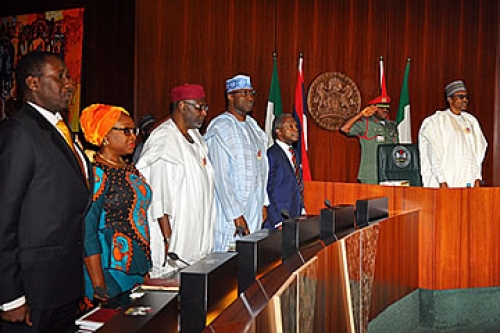
FEC Approves Projects in Water, Aviation and Power Sectors The Federal Executive Council (FEC) has approved N3.7 billion for the rehabilitation of Kazaure water project and N656 million for upgrading of obsolete Flight Safety Laboratory and framework for investment in the nation’s power sector. Minister of Water Resources, Alhaji Suleiman Adamu, who alongside the Minister of State for Aviation, Sen. Hadi Sirika, and the Minister of Power, Works and Housing, Babatunde Fashola, made this known while briefing State House correspondents on the outcome of the Council’s meeting. He said the Kazaure water project which was started in 1997 and abandoned in 2000 would soon be resuscitated under the on-going Federal Government’s programme of resuscitating all irrigable land across the country. Minister of State for Aviation, Hadi Sirika, said that the upgrading of the flight laboratory was necessitated by the fact that the equipment which was established in 2012 had become obsolete. Babatunde Fashola, the Minister of Power, Works and Housing said the Council approved a framework of investment at the 33KVA and 11KVA line in expanding the national distribution network, to deliver an extra 2000Megawatts of electricity (to consumers) which is currently not getting to the grid. ...
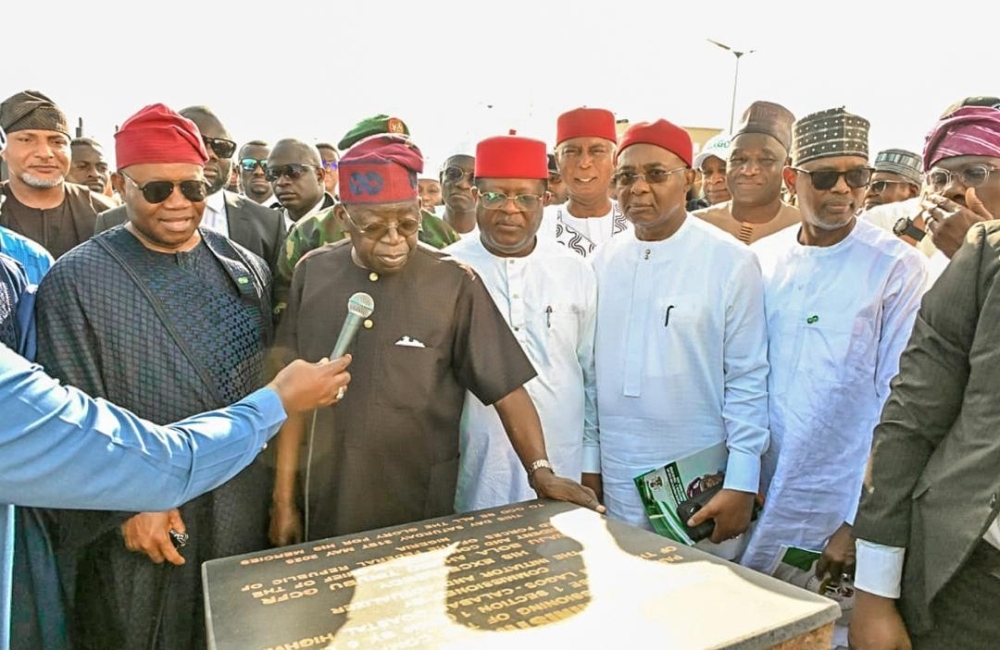
DRIVING NIGERIA’S FUTURE: CELEBRATING TWO YEARS OF TRANSFORMATIVE LEADERSHIP AND THE LAGOS-CALABAR COASTAL HIGHWAY MILESTONE
DRIVING NIGERIA’S FUTURE: CELEBRATING TWO YEARS OF TRANSFORMATIVE LEADERSHIP AND THE LAGOS-CALABAR COASTAL HIGHWAY MILESTONE
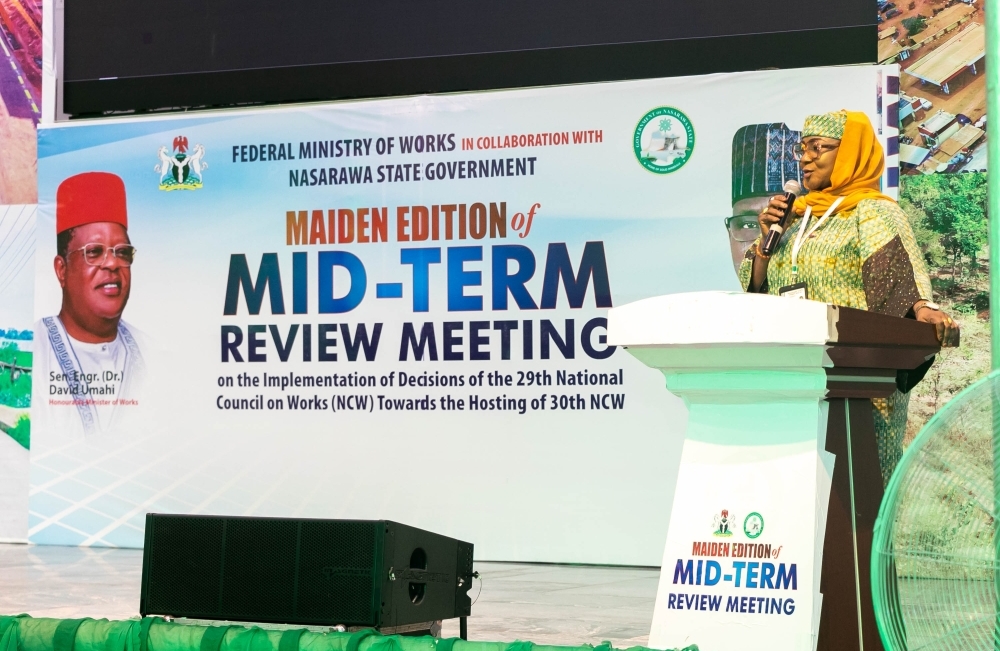
MID -TERM REVIEW MEETING ON THE IMPLIMENTATION OF THE DECISIONS REACHED AT THE 29TH NATIONAL COUNCIL ON WORKS (NCW) DAY 1
MID -TERM REVIEW MEETING ON THE IMPLIMENTATION OF THE DECISIONS REACHED AT THE 29TH NATIONAL COUNCIL ON WORKS (NCW) DAY 1