PRESIDENT TINUBU REITERATES COMMITMENT TO QUALITY INFRASTRUCTURE DELIVERY AT THE 34TH COREN ENGINEERING ASSEMBLY
President Bola Ahmed Tinubu, GCFR, has reaffirmed the Federal Government's unwavering commitment to strengthening engineering regulations, promoting quality infrastructure, and safeguarding public safety across Nigeria.
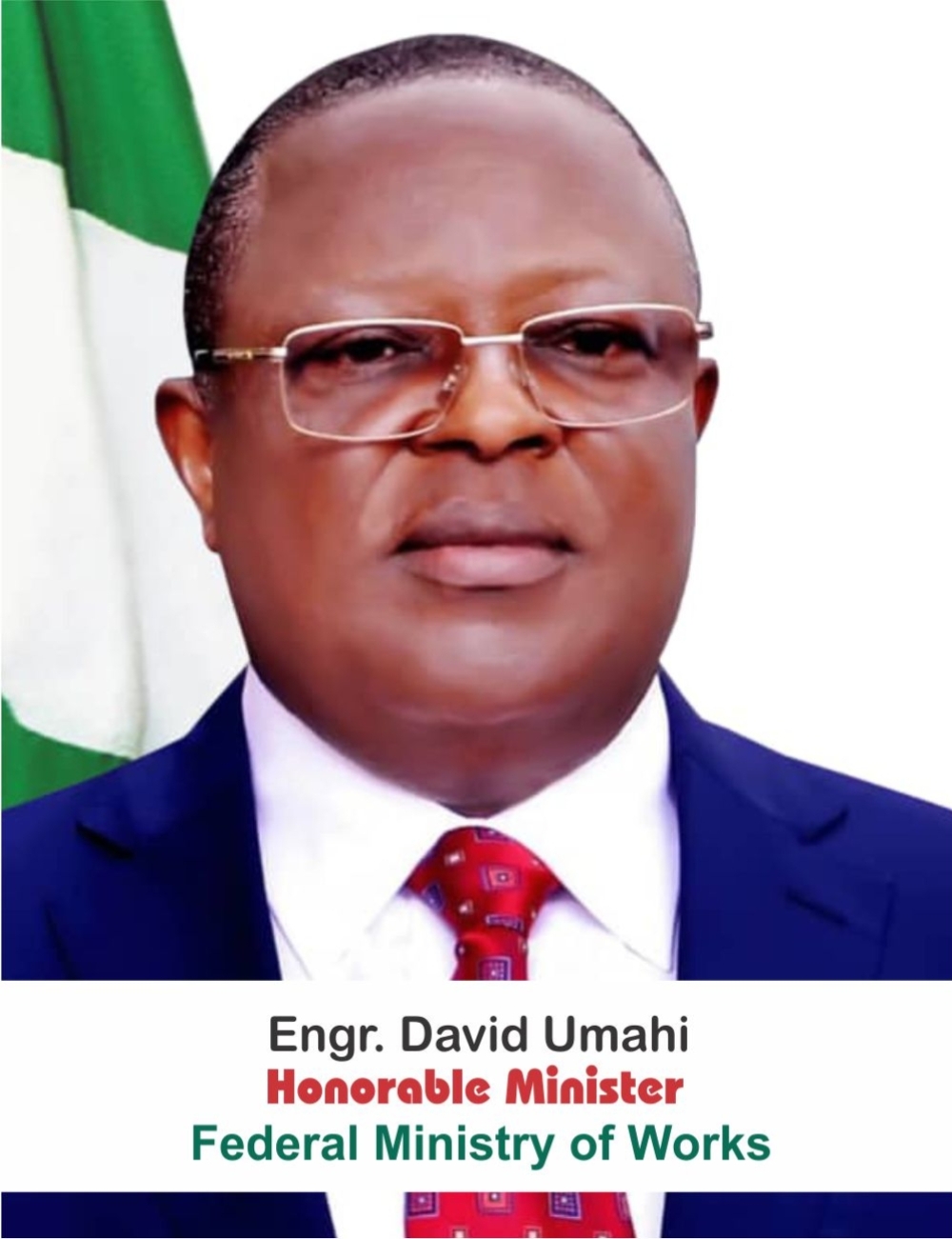
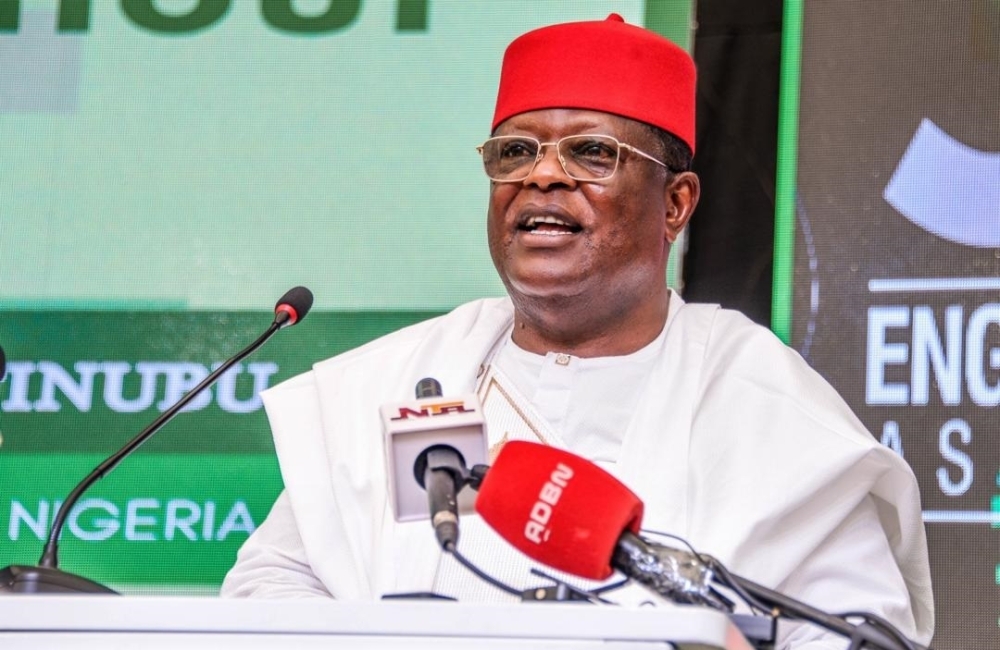
Represented by the Honourable Minister of Works, *Engr. David Umahi, CON, FNSE, FNATE *, while declaring open the 34th COREN Engineering Assembly, the President described the Assembly’s theme, *"Advancing Public Safety in Nigeria through Strategic Engineering Regulatory Enforcement and a Tiered Sanctioning Regime,"* as timely and relevant to the nation’s developmental aspirations.
The President stated that engineering remains the backbone of national development and that effective regulatory enforcement is essential for protecting lives, ensuring quality infrastructure, and restoring public confidence in the engineering profession.
He stressed that regulations are not intended to punish professionals but to protect public interest, noting that *” no road, bridge, or building is more valuable than human life.”*
President Tinubu assured participants that his administration remains fully committed to completing the four (4) Legacy Road Projects across the six geopolitical zones, under the Renewed Hope Agenda. He described them as strategic investments that will transform the nation’s economy, improve connectivity, and stimulate sustainable development.
The Honourable Minister of Works commended the Council for the Regulation of Engineering in Nigeria (COREN) for choosing an apt theme that aligns with the Federal Government’s vision for quality infrastructure delivery and adherence to public safety.
He noted that engineering is a profession where mistakes can cost human lives, emphasising that, unlike many other professions, there is often no opportunity for appeal after a structural failure. He, therefore, called for stronger regulations, strict enforcement, and effective sanctions against unqualified practitioners and professionals, who compromise ethics and standards.
Engr. Umahi stressed that site engineers must discharge their responsibilities professionally and should never allow contractors to dictate engineering decisions. He urged Council to strengthen its disciplinary mechanisms, similar to other professional regulatory bodies, to ensure that only qualified engineers are allowed to practice.
The Minister highlighted the achievements of President Tinubu’s administration, especially the ongoing Legacy Road Projects spread across all the geopolitical zones, designed to improve economic integration, enhance national security, create employment opportunities, and stimulate investment.
He expressed confidence that with continued discipline, transparency, and adherence to engineering ethos, Nigeria’s infrastructure deficit would be significantly reduced within the coming years.
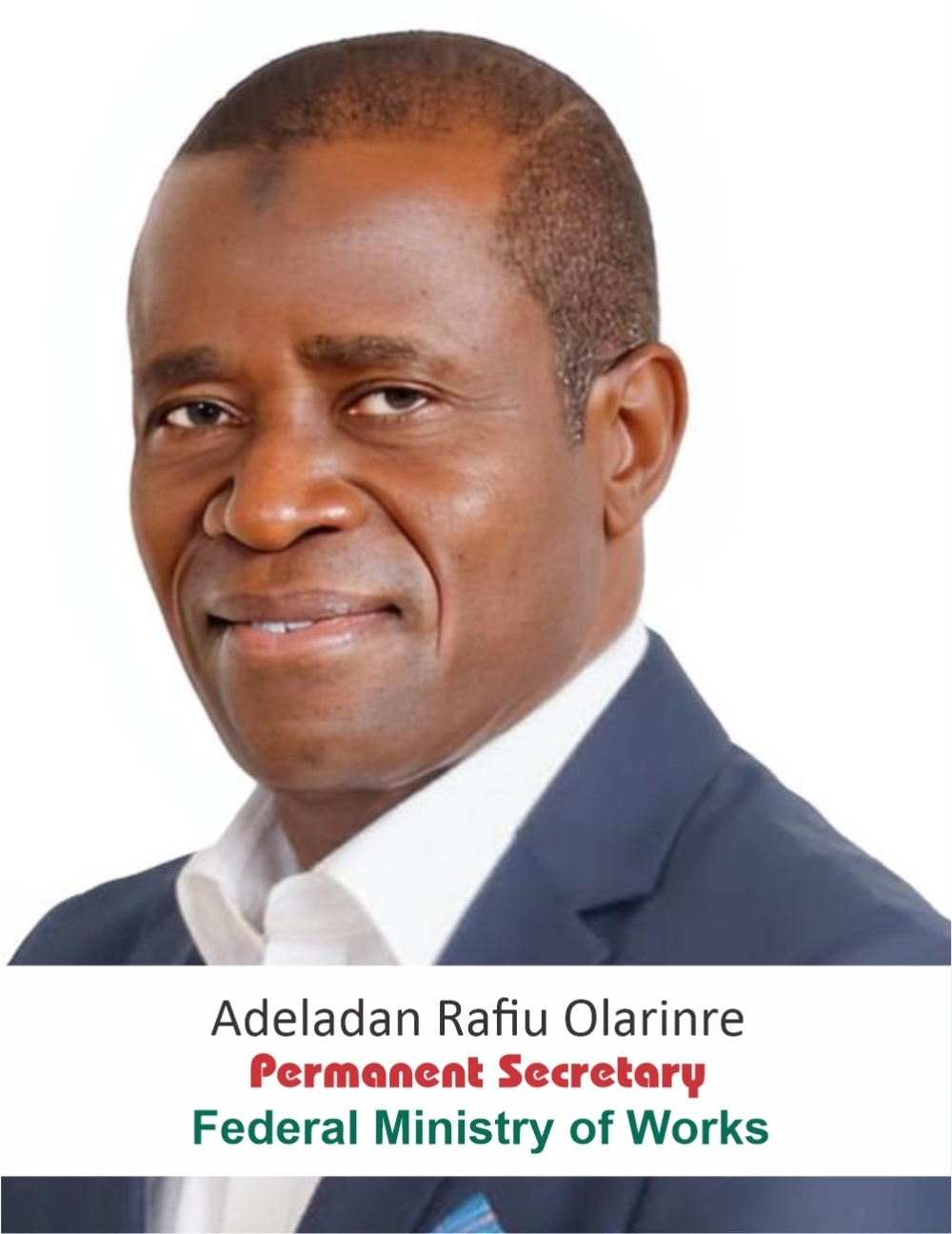
Presenting the *Keynote Address* on behalf of the Honourable Minister, the *Permanent Secretary, Federal Ministry of Works, Mr. Rafiu Adeladan,* stated that the Renewed Hope Agenda places infrastructure development at the centre of Nigeria’s economic transformation. He explained that the Ministry is implementing four major Legacy Projects across the geopolitical zones to connect communities, promote commerce, improve national integration, and encourage investment.
The Permanent Secretary emphasised that quality assurance, competence, professionalism, and independence amongst stakeholders remain fundamental requirements for sustainable infrastructure development. He urged engineers to uphold ethical standards, comply strictly with engineering regulations and best practices, and strengthen resilience through adherence to due process
The Chairman of the occasion, *Alhaji Aliko Dangote, GCON,* represented by *Prof. Hassan Umaru* described the Assembly as timely and significant, noting that engineering excellence remains the foundation of public trust, industrial competitiveness, and national development.
He observed that every infrastructure project must be executed according to approved standards and maintained throughout its lifespan. Drawing from the experience of the *Dangote Refinery* project, he explained that rigorous engineering design, quality control, technical discipline, and strict compliance with standards were critical to its successful delivery.
The Chairman called for sustained excellence within the engineering profession and urged COREN to continue strengthening regulatory frameworks, while enforcing disciplinary measures against erring practitioners, in order to safeguard lives and property.
In his *Welcome Address,* the *President of COREN, Engr. Prof. Sadiq Zubair Abubakar, FNSE,* outlined the Council’s statutory responsibility of regulating engineering education and practice in Nigeria, in line with international standards and recommended practices.
He explained that engineering graduates are expected to undergo mandatory industrial training before participating in the National Youth Service Corps (NYSC), describing practical exposure as critical to professional competence.
Prof. Abubakar further disclosed that COREN has successfully introduced digital verification and enforcement systems to improve transparency, eliminate fraudulent practices, and strengthen regulatory compliance.
He assured members that the Council would continue to uphold integrity, professionalism, and accountability, while addressing attempts by some practitioners to circumvent established standards. According to him, engineering regulation must remain transparent, sustainable, and effective in preventing infrastructure failures across the country.
In his introductory remarks, *Prof. O. A. U. Uche* emphasised the importance of sustaining quality infrastructure development through continuous improvement in engineering practice. He described infrastructure development as a collective responsibility requiring collaboration among government, professional bodies, academia, industry, and private sector stakeholders. In this vein, he, therefore, called for stronger synergy in advancing engineering excellence and national development.
The *Honourable Minister of Innovation, Science and Technology, Dr. Bosun Tijjani*, stated that science, technology, and engineering remain critical drivers of economic growth, innovation, and public safety. He pledged continued collaboration between the Ministry and engineering regulatory agencies.
Representing the Nigeria Governors' Forum, the *Governor of Plateau State, Barr. Caleb Mutfwang,* opined that engineering is one of the most respected professions globally and emphasised the need to create an enabling environment for engineers to thrive, while sustaining public safety and economic development.
The *National Chairman of the All Progressives Congress (APC), Professor Nentawe Yilwatda*, commended COREN for its achievements in regulating engineering practice. He described engineers as the backbone of national development and praised the Federal Ministry of Works, under the leadership of Engr. David Umahi for the remarkable progress recorded on the four Legacy Road Projects and others across the six geopolitical zones.
He congratulated the Ministry for its commitment to quality infrastructure and affirmed that Nigerian engineers continue to distinguish themselves through professionalism and excellence both nationally and internationally.
The 34th Engineering Assembly reaffirms
COREN’s commitment to strengthening engineering regulations, enforcement, and a tiered sanctioning regime to ensure public safety and sustainable infrastructure development in Nigeria.


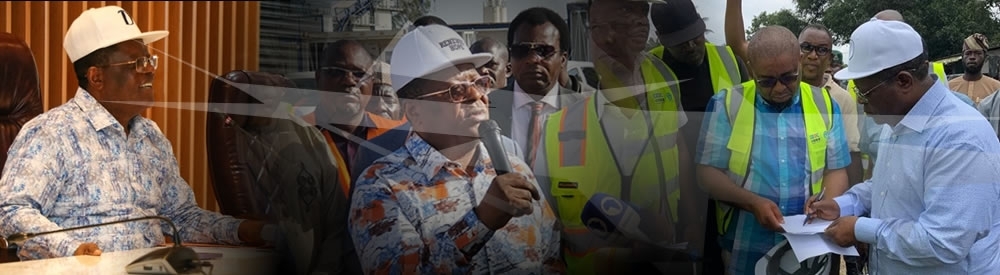
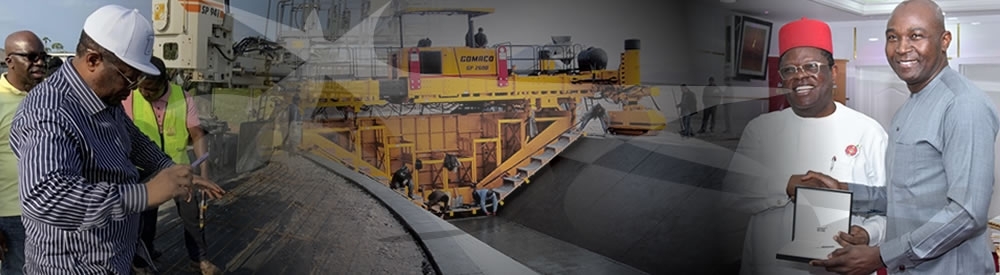
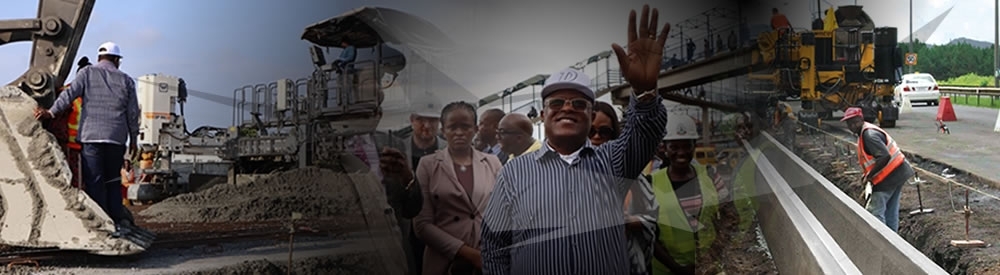
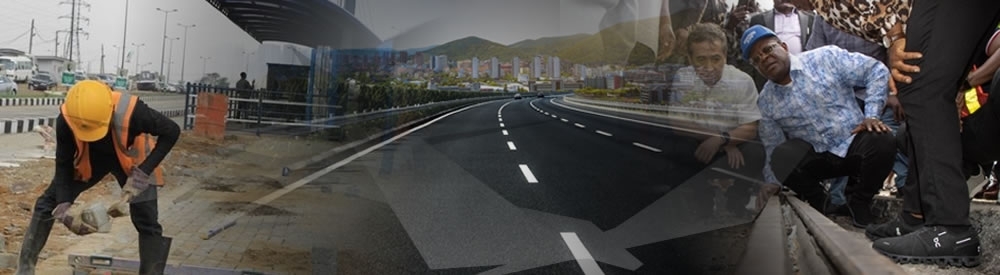
President Bola Ahmed Tinubu, GCFR, has reaffirmed the Federal Government's unwavering commitment to strengthening engineering regulations, promoting quality infrastructure, and safeguarding public safety across Nigeria. Represented by the Honourable Minister of Works, *Engr. David Umahi, CON, FNSE, FNATE *, while declaring open the 34th COREN Engineering Assembly, the President described the Assembly’s theme, *"Advancing Public Safety in Nigeria through Strategic Engineering Regulatory Enforcement and a Tiered Sanctioning Regime,"* as timely and relevant to the nation’s developmental aspirations. The President stated that engineering remains the backbone of national development and that effective regulatory enforcement is essential for protecting lives, ensuring quality infrastructure, and restoring public confidence in the engineering profession. He stressed that regulations are not intended to punish professionals but to protect public interest, noting that *” no road, bridge, or building is more valuable than human life.”* President Tinubu assured participants that his administration remains fully committed to completing the four (4) Legacy Road Projects across the six geopolitical zones, under the Renewed Hope Agenda. He described them as strategic investments that will transform the nation’s economy, improve connectivity, and stimulate sustainable development. The Honourable Minister of Works commended the Council for the Regulation of Engineering in Nigeria (COREN) for choosing an apt theme that aligns with the Federal Government’s vision for quality infrastructure delivery and adherence to public safety. He noted that engineering is a profession where mistakes can cost human lives, emphasising that, unlike many other professions, there is often no opportunity for appeal after a structural failure. He, therefore, called for stronger regulations, strict enforcement, and effective sanctions against unqualified practitioners and professionals, who compromise ethics and standards. Engr. Umahi stressed that site engineers must discharge their responsibilities professionally and should never allow contractors to dictate engineering decisions. He urged Council to strengthen its disciplinary mechanisms, similar to other professional regulatory bodies, to ensure that only qualified engineers are allowed to practice. The Minister highlighted the achievements of President Tinubu’s administration, especially the ongoing Legacy Road Projects spread across all the geopolitical zones, designed to improve economic integration, enhance national security, create employment opportunities, and stimulate investment. He expressed confidence that with continued discipline, transparency, and adherence to engineering ethos, Nigeria’s infrastructure deficit would be significantly reduced within the coming years. Presenting the *Keynote Address* on behalf of the Honourable Minister, the *Permanent Secretary, Federal Ministry of Works, Mr. Rafiu Adeladan,* stated that the Renewed Hope Agenda places infrastructure development at the centre of Nigeria’s economic transformation. He explained that the Ministry is implementing four major Legacy Projects across the geopolitical zones to connect communities, promote commerce, improve national integration, and encourage investment. The Permanent Secretary emphasised that quality assurance, competence, professionalism, and independence amongst stakeholders remain fundamental requirements for sustainable infrastructure development. He urged engineers to uphold ethical standards, comply strictly with engineering regulations and best practices, and strengthen resilience through adherence to due process The Chairman of the occasion, *Alhaji Aliko Dangote, GCON,* represented by *Prof. Hassan Umaru* described the Assembly as timely and significant, noting that engineering excellence remains the foundation of public trust, industrial competitiveness, and national development. He observed that every infrastructure project must be executed according to approved standards and maintained throughout its lifespan. Drawing from the experience of the *Dangote Refinery* project, he explained that rigorous engineering design, quality control, technical discipline, and strict compliance with standards were critical to its successful delivery. The Chairman called for sustained excellence within the engineering profession and urged COREN to continue strengthening regulatory frameworks, while enforcing disciplinary measures against erring practitioners, in order to safeguard lives and property. In his *Welcome Address,* the *President of COREN, Engr. Prof. Sadiq Zubair Abubakar, FNSE,* outlined the Council’s statutory responsibility of regulating engineering education and practice in Nigeria, in line with international standards and recommended practices. He explained that engineering graduates are expected to undergo mandatory industrial training before participating in the National Youth Service Corps (NYSC), describing practical exposure as critical to professional competence. Prof. Abubakar further disclosed that COREN has successfully introduced digital verification and enforcement systems to improve transparency, eliminate fraudulent practices, and strengthen regulatory compliance. He assured members that the Council would continue to uphold integrity, professionalism, and accountability, while addressing attempts by some practitioners to circumvent established standards. According to him, engineering regulation must remain transparent, sustainable, and effective in preventing infrastructure failures across the country. In his introductory remarks, *Prof. O. A. U. Uche* emphasised the importance of sustaining quality infrastructure development through continuous improvement in engineering practice. He described infrastructure development as a collective responsibility requiring collaboration among government, professional bodies, academia, industry, and private sector stakeholders. In this vein, he, therefore, called for stronger synergy in advancing engineering excellence and national development. The *Honourable Minister of Innovation, Science and Technology, Dr. Bosun Tijjani*, stated that science, technology, and engineering remain critical drivers of economic growth, innovation, and public safety. He pledged continued collaboration between the Ministry and engineering regulatory agencies. Representing the Nigeria Governors' Forum, the *Governor of Plateau State, Barr. Caleb Mutfwang,* opined that engineering is one of the most respected professions globally and emphasised the need to create an enabling environment for engineers to thrive, while sustaining public safety and economic development. The *National Chairman of the All Progressives Congress (APC), Professor Nentawe Yilwatda*, commended COREN for its achievements in regulating engineering practice. He described engineers as the backbone of national development and praised the Federal Ministry of Works, under the leadership of Engr. David Umahi for the remarkable progress recorded on the four Legacy Road Projects and others across the six geopolitical zones. He congratulated the Ministry for its commitment to quality infrastructure and affirmed that Nigerian engineers continue to distinguish themselves through professionalism and excellence both nationally and internationally. The 34th Engineering Assembly reaffirms
PRESIDENT TINUBU REITERATES COMMITMENT TO QUALITY INFRASTRUCTURE DELIVERY AT THE 34TH COREN ENGINEERING ASSEMBLY
COREN’s commitment to strengthening engineering regulations, enforcement, and a tiered sanctioning regime to ensure public safety and sustainable infrastructure development in Nigeria.

Programme To Provide Uninterrupted Power Supply For University Students, Not A Mere ‘Streetlighting’ Project - Ministry The Ministry of Power, Works and Housing wishes to restate that the Energizing Education Programme (EEP) of the Federal Government is aimed at rejuvenating the nation’s education system by providing uninterrupted power supply to a total of 37 federal universities and 7 university teaching hospitals. This clarification has become necessary in the light of the misrepresentation of the Programme as a mere “solar –powered streetlight project in nine universities across the country valued at N10bn,” by the Punch newspaper while purportedly reporting the proceedings of the 2018 Budget Defense Meeting of the Senate Committee on Power, Steel Development and Metallurgy attended by the Managing Director of the Rural Electrification Agency on Thursday, 14th December 2017. The Punch Newspaper in a report, which first appeared in its Online version , claimed that the Senate “criticized a solar-powered streetlight project” thereby deliberately misrepresenting the Energizing Education Programme (EEP).Far from being a “streetlight” project, the EEP in fact seeks to rejuvenate the education system through electrifying a total of 37 federal universities and 7 university teaching hospitals, with Independent Power Plants (IPPS), which will boost effective learning, innovation and advancement through uninterrupted power supply. In addition to helping to extend electrification to rural and underserved areas in which the institutions are located ultimately, the Programme will enable the institutions benefit from world-class training schools, for the training of students in renewable energy, as well as provide optimized security, for the safety and well being of students and staff, through the installation of streetlights on campus which is only a small component of the Project. Although implementation of this programme is led by the power sector, through the Rural Electrification Agency, the Vice Chancellors and the Ministry of Education have signed onto this as a critical investment in the education sector. The deliberate attempt to water down the significant impact this Programme will have on the enhanced education of Nigerian students is outright unpatriotic as it seeks to prevent the socio-economic development of our nation. In addition to the open and transparent coverage of the milestones attained preparatory to the take off of the Project like the Meetings and signing of the Memorandum of Understanding between the REA and the first set of participating tertiary institutions, the Ministry holds itself ready to provide further details to the media and any other interested entities to stem any further misrepresentation. ...
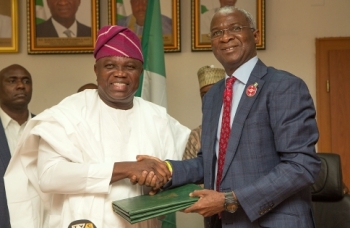
Hand Over Of Presidential Lodge To LASG : FG Keeping Its Promise As Done With Bodo-Bonny Bridge, Mambilla Hydro Power Project - Fashola * It s in fulfilment of commitment and promise by the President of Change Minister * Ambode expresses appreciation to Buhari, Osinbajo, Fashola * Says asset will be turned into National Monument, Tourist Centre The administration of President Muhammadu Buhari, on Tuesday further improved its rating as one that keeps its promises as the Federal Government signed and exchanged the documents that finally vests the ownership of the historic Presidential Lodge on the Marina in Central Lagos to the Lagos State Government almost two decades after the process began. In a brief but impressive ceremony at the Conference Hall of the Ministry of Power Works and Housing, the Minister, Mr. Babatunde Fashola SAN, said the event was taking place in fulfilment of the promise made by President Muhammadu Buhari at inception adding that the formal handover had brought to an end a journey that had lasted almost two decades. Reiterating that successive Governments of Lagos State had made strong representations to the Federal Government for the handover of the asset and others like it to the State, Fashola added, “This is a long journey that has come to an end. It is a journey that has taken almost two decades during which the Lagos State Government has asked that the ownership of this property be vested in it”. The Minister, who noted that events in the past had made it seem as if the handover would not happen, declared, “But the President of Change, the Promise Keeper, has made it possible”, adding that while the Lagos State Government has already taken possession, the event of the day was to formally sign and hand over documents that would establish the rights of the State Government to the ownership of the property. Congratulating the State Government on the occasion, Fashola, who also congratulated Governor Akinwumni Ambode for the 2018 Trillion Budget which he recently presented to the State House of Assembly, said the event was “consistent with President Buhari’s promise to respond to those many other things that had been left undone”. The Minister, who named such things that had been left undone to include the Bodo-Bonny Bridge, that waited for over 20 years and the Mambilla Hydro Power Project added that like Bodo and Bonny “which has brought hope to the people of Bonny” and the Mambilla Power Project to the people of Taraba, Lagos State had become a beneficiary of ä promise kept”. Responding, Governor Ambode acknowledged the spirited efforts made by the Minister, who was his immediate predecessor in Government, when he was Governor of the State, to get the ownership of the property back to Lagos adding that the State Government’s intention was to turn the asset to a National Monument as National Centre for Leadership and also a Tourist Centre. Expressing delight at “this historic day”, Ambode, who was accompanied by some members of his Cabinet, added, “This day actually finalizes the intention of Mr President to actually bring positive change to Lagos. We want to sincerely appreciate Mr. President, Muhammadu Buhari who has graciously approved that the Presidential Lodge be released to Lagos State”. The Governor also expressed appreciation to the Vice President, Prof. Yemi Osinbajo and the Chief of Staff to the President, Mallam Abba Kyari as well as everyone that played a role towards the realisation of the handover. “We have been trying to get this particular asset back to Lagos, just like the Minister had said, for the last 20 years”, the Governor said, describing it as both delightful and significant that “on this particular day, it is my Predecessor, and now the Minister of Power Works and Housing, who is now actually doing the final handing over of the property for which he, as Governor, fought hard to get back to Lagos State”. Also describing as, “actually gratifying” that the Minister was the one “positioned to happily do the documentation and handing over of the asset to Lagos State”, Ambode said it was “a sign of greater things and greater collaborations between Lagos State and the Federal Government”, adding, “We believe strongly that this singular gesture will improve the economy of not only Lagos State but that of the whole country”. Also present at the event were the Minister of State, Hon Mustapha Baba Shehuri, the Permanent Secretary Works and Housing, represented by the Director Finance and Accounts, Mr Ibrahim Tumsah, the Director Highways (Planning and Development), Engineer Uzo Chukwunwike , Director, Human Resources, Mrs Motunrayo Alimi, Director, Legal Services, Mrs Justina Shuwa, other Directors, Special advisers and other top functionaries in the Ministry as well as members of the Lagos State Executive Council such as the Secretary to the State Government, Mr Tunji Bello and Commissioner for Information and Strategy, Mr Steve Ayorinde among others. ...
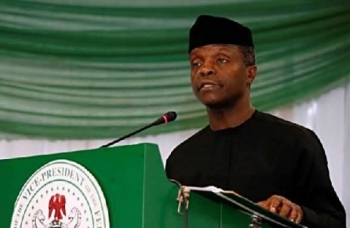
We Have Clearest Pathway to Reform Power Sector – VP Osinbajo * World Bank’s Senior Director praises FG for Ease of Business Ranking Feat The Buhari administration has now devised a clear pathway to achieving its power sector reform objectives, according to Vice President Yemi Osinbajo, SAN. The Vice President stated this today at the State House in Abuja when he met with a delegation of officials from the World Bank (WB) and the International Finance Corporation (IFC) led by Mr. Riccardo Puliti, Senior Director of the Bank’s Global Energy Practice. Speaking to the delegation at the meeting which had in attendance the Minister of Power, Works and Housing, Mr Babatunde Fashola and the Minister of Finance, Mrs Kemi Adeosun, the Vice President assured “we are completely committed to ensuring that we play our part in the arrangement and we think that this possibly one of the clearest pathways in a long time” He lauded the partnership between the Federal Government and the World Bank team for the commitment and support shown to the implementation of the Power sector recovery programme. Prof. Osinbajo noted that the partnership with the World Bank has “helped us a great deal with the timelines and milestones that have to be achieved and also a great deal in refining our own approach to the entire reform process”. During his remarks, the leader of the delegation and a Senior Director on Global Energy Practice at the World Bank, Mr Riccardo Puliti expressed satisfaction with Federal Government’s cooperation and commitment to the reform of the power sector. He noted that the partnership between the World Bank and the Federal Government is a model which would add great value to the power sector in Nigeria. Mr Puliti equally praised the Buhari Presidency for the remarkable feat achieved in the ease of business ranking released recently by the World Bank, noting that it is a major milestone for the country’s economic reform programme. Meanwhile, the Minister of Power, Works and Housing, Mr. Fashola told journalists after the meeting, that the delegation was in the State House to brief the Vice President on the progress made by the Federal Government working with the World Bank on the Power Sector Recovery Programme. He assured that the reform programme is intended to solve various problems confronting the sector and would make the sector effective, as well as make it responsive to consumers and customers who will be ultimate beneficiaries of the on-going reform programme. ...
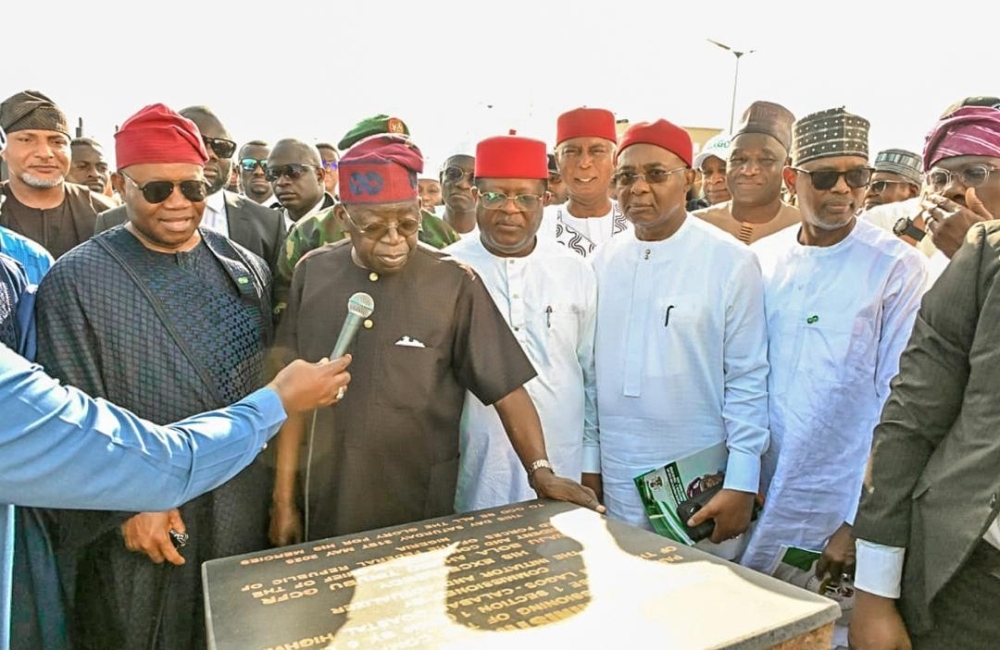
DRIVING NIGERIA’S FUTURE: CELEBRATING TWO YEARS OF TRANSFORMATIVE LEADERSHIP AND THE LAGOS-CALABAR COASTAL HIGHWAY MILESTONE
DRIVING NIGERIA’S FUTURE: CELEBRATING TWO YEARS OF TRANSFORMATIVE LEADERSHIP AND THE LAGOS-CALABAR COASTAL HIGHWAY MILESTONE
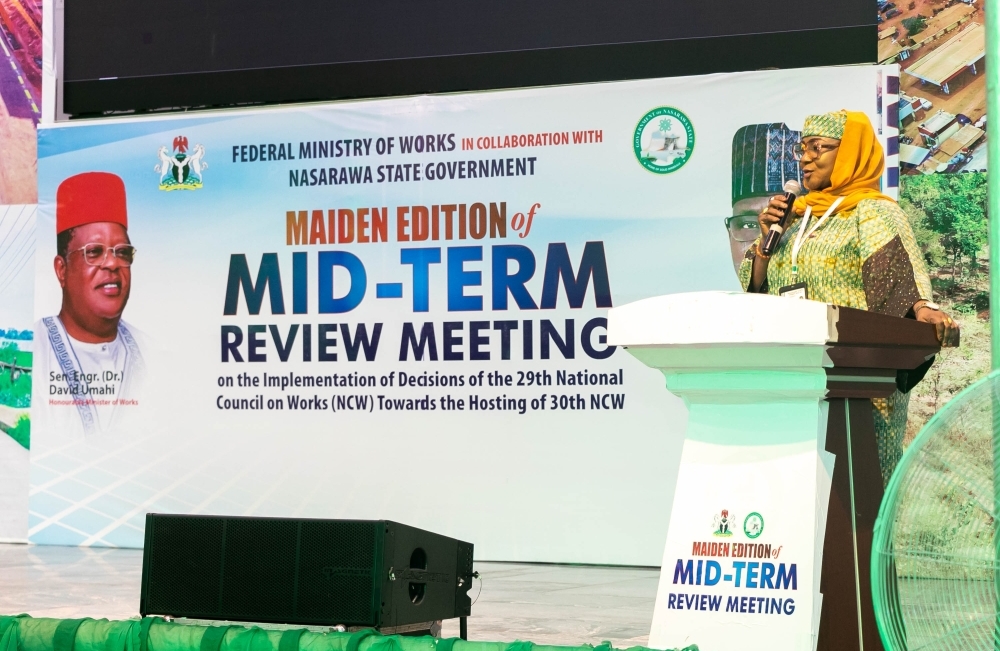
MID -TERM REVIEW MEETING ON THE IMPLIMENTATION OF THE DECISIONS REACHED AT THE 29TH NATIONAL COUNCIL ON WORKS (NCW) DAY 1
MID -TERM REVIEW MEETING ON THE IMPLIMENTATION OF THE DECISIONS REACHED AT THE 29TH NATIONAL COUNCIL ON WORKS (NCW) DAY 1