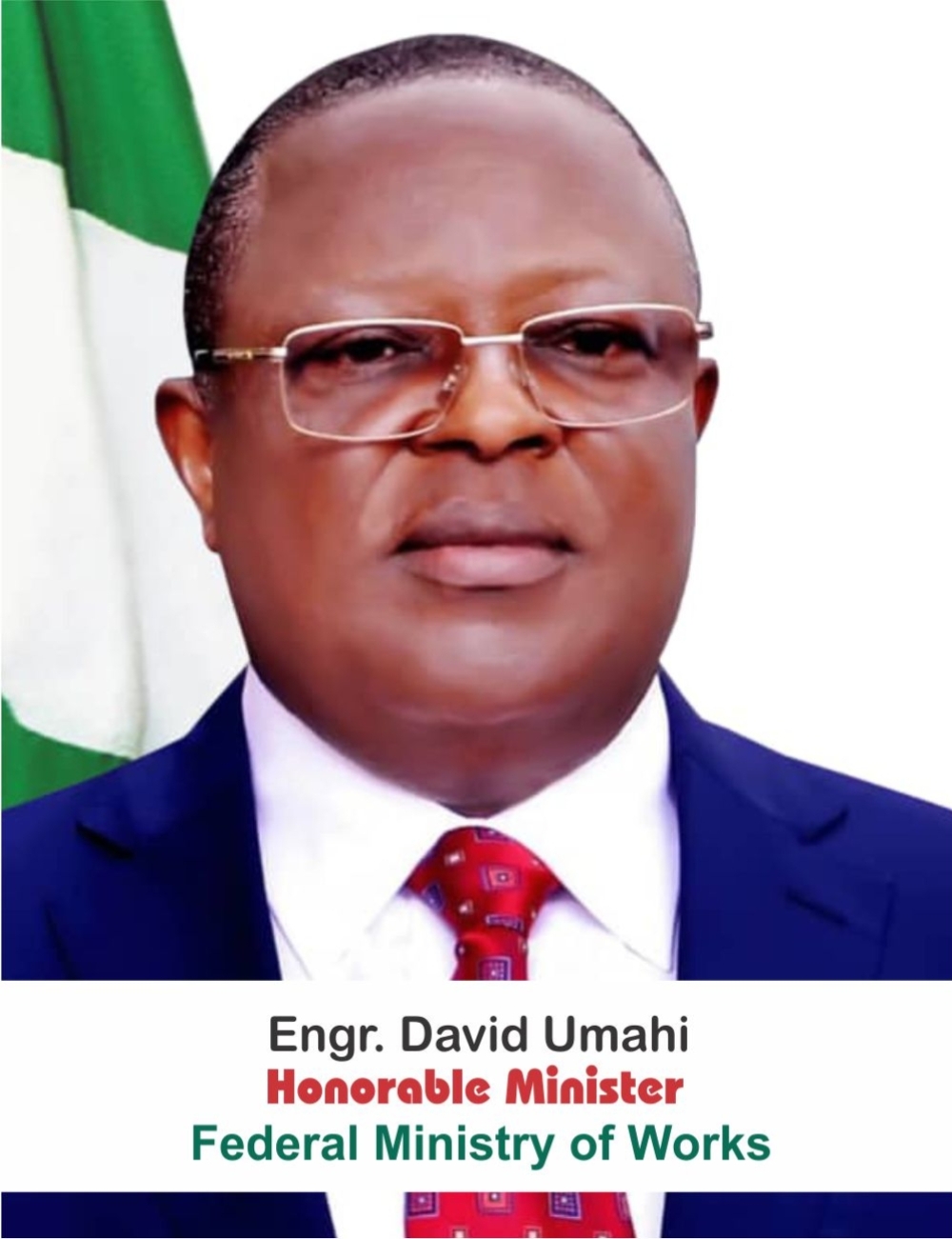
PRESIDENT TINUBU’S REFORMS ARE YIELDING RESULTS, SAYS UMAHI, AS FG FLAGS OFF 122KM KADUNA (MANDO)–BIRNIN GWARI ROAD
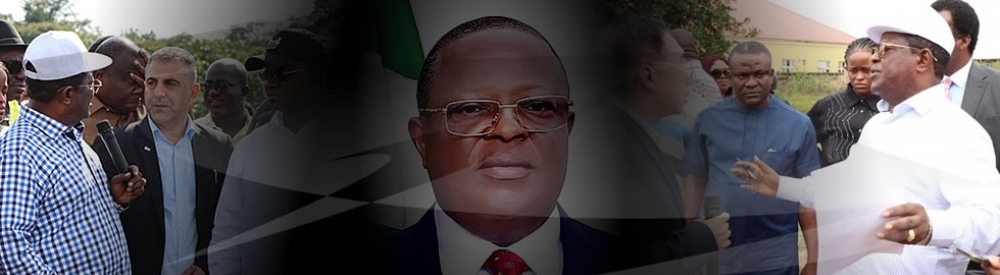
The Honourable Minister of Works, Senator Engr. David Umahi, CON, has affirmed that the economic reforms of President Bola Ahmed Tinubu, GCFR, are yielding results across the country, with strategic road infrastructure driving economic growth, improving security, reducing hunger and reconnecting communities.
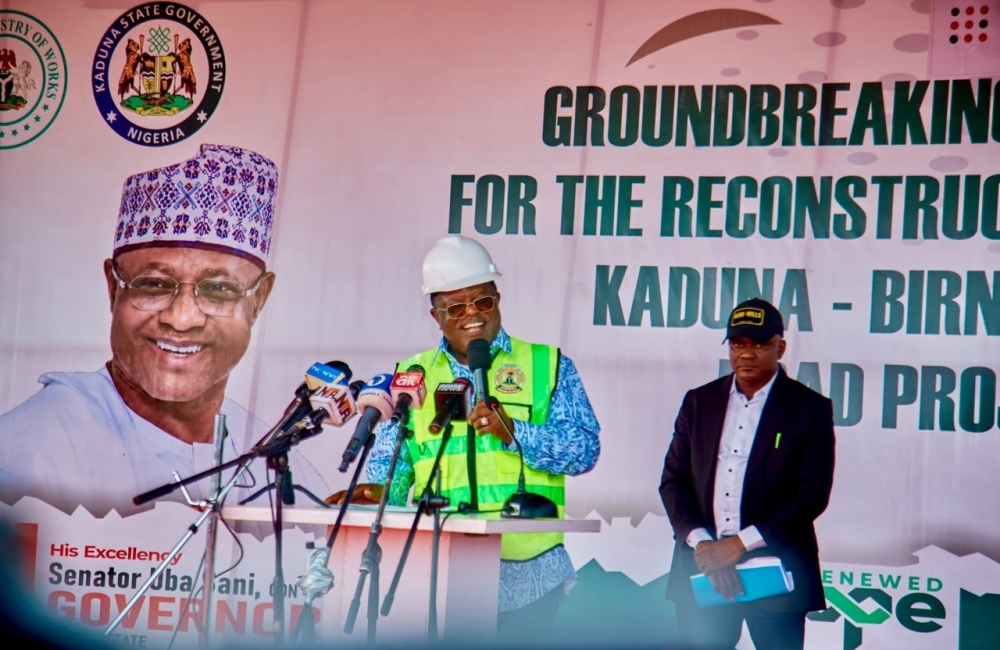
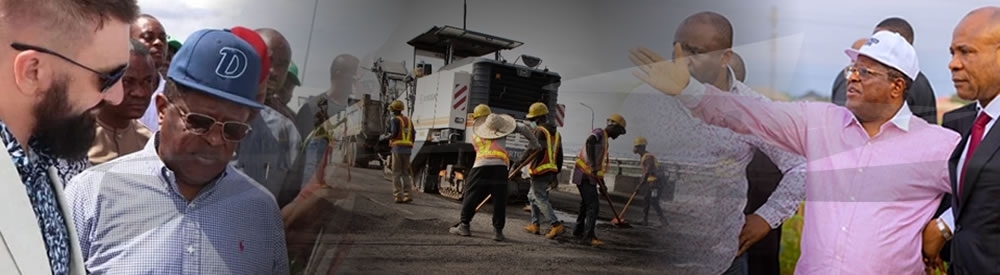
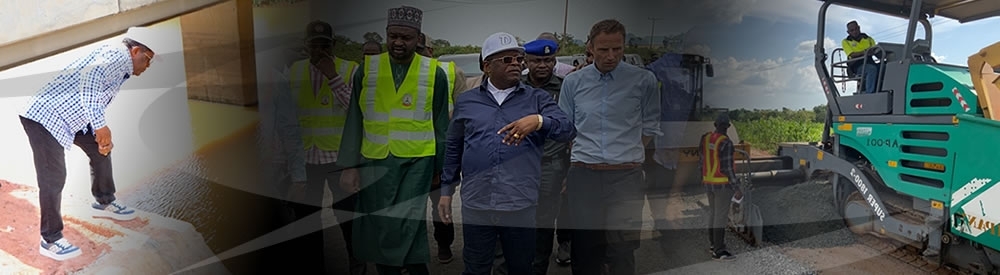
The Minister made the statement on Tuesday, August 4, 2026, during the official flag-off of the reconstruction of the 122KM Kaduna–Birnin Gwari Road at the Afaka Mando Arena in Kaduna State. He described the project as another fulfilled promise by President Tinubu and a major step towards strengthening regional connectivity, stimulating commerce and expanding economic opportunities under the Renewed Hope Agenda.
“We are using this road infrastructure to fix the economic problems we met on ground, we are using road infrastructure to fight the insecurity we met on the ground, we are using road building to fight hunger we met on the ground, we are using this road infrastructure to fight the injustices we met on ground where some state had no federal project like Plateau, Gombe, Ebonyi and even Kaduna.”
Umahi emphasized that the Kaduna–Birnin Gwari Road is one of President Tinubu’s promises fulfilled, noting that the project will significantly reduce travel time between Northern Nigeria and Lagos while opening up new economic routes. “By doing this road the president is shortening the distance between the north and Lagos. This is the shortest route to Lagos State. Because by the time it gets to Birnin Gwari, it leads to Niger then it connects Kwara, Osun, Oyo, and Lagos. What more can we say this is a very important road.”
The Minister also recalled the security challenges that once characterized the Abuja–Kaduna road, affirming that the reconstruction of the Abuja–Kaduna Road has changed the narrative. “I was told that before now it was a bad idea traveling from Abuja to Kaduna because of countless attacks but it is now a thing of the past since the Abuja-Kaduna road project started.”
Responding to claims that the Federal Government is abandoning existing roads in favour of new ones, Umahi dismissed the criticism, citing several major rehabilitation projects currently underway across the country.“People say that we are doing new roads and abandoning old roads, is this 122km a new road?… Is the Sokoto to Zamfara down to Funtua down to Zaria, is it a new road, is the Enugu to Onitsha costing the President 350 Billion, is it a new road? The road from Makurdi to 9th Mile, is it new? The Bodo Bonny road, is it new? And the Abuja-Kaduna-Zaria-Kano road.”
He further noted that road infrastructure remains the foundation for national development, explaining that investment in roads stimulates every sector of the economy. “When a road is built it is a catalyst. It is a GDP that grows other GDPs. When a road is built insecurity is minimized, there is an agricultural revolution. When a road is built there is an increase in commerce and education and that is what this Divine President Bola Ahmed Tinubu is doing.”
Umahi also congratulated Kaduna State Governor, Senator Uba Sani, for securing presidential approval for a 50-kilometre internal light rail project valued at $868 million. “Governor let me congratulate you a very big one internal light rail in Kaduna State has been approved by the President, it is a 50km light rail worth $868 million. This is a big one, you’re a goal getter.”
Calling for responsible democratic engagement, the Minister urged critics of the administration to offer constructive criticism that will help government improve service delivery. “Democracy is by choice, the people criticizing us should be constructive, it should not be insulting, deceitful, or saying mundane things. I can testify that when you criticize us constructively we have always gone to attend to such.”
President Bola Ahmed Tinubu, GCFR, was represented at the ceremony by the Governor of Kaduna State, Senator Uba Sani, who reaffirmed the President’s commitment to the people of Birnin Gwari.
Governor Sani recalled that before becoming President, Bola Ahmed Tinubu visited Birnin Gwari despite the severe security challenges in the area and promised to reconstruct the Kaduna–Birnin Gwari Road and restore lasting peace to the community. He noted that the flag-off of the project is a clear demonstration that the President keeps his promises.
Commending President Tinubu, Governor Sani explained that no previous administration has shown the level of commitment to Northern Nigeria demonstrated by the current President.“No President of the Federal Republic of Nigeria has done what President Bola Ahmed Tinubu has done for us here in Northern Nigeria and I challenge everyone to come up with anything contrary to what I am saying. President Bola Ahmed Tinubu has done a lot for us. We thank him for the love for the North, for the love for humanity, for the love for progress.”
Also speaking, the Emir of Birnin Gwari, His Royal Highness Alhaji (Dr.) Zubairu Jibril Maigwari II, commended President Tinubu and the governors of the affected states for the significant gains recorded in the fight against insecurity, noting that farmers have returned to their farms after years of fear and displacement.

PRESIDENT TINUBU’S REFORMS ARE YIELDING RESULTS, SAYS UMAHI, AS FG FLAGS OFF 122KM KADUNA (MANDO)–BIRNIN GWARI ROAD The Honourable Minister of Works, Senator Engr. David Umahi, CON, has affirmed that the economic reforms of President Bola Ahmed Tinubu, GCFR, are yielding results across the country, with strategic road infrastructure driving economic growth, improving security, reducing hunger and reconnecting communities. The Minister made the statement on Tuesday, August 4, 2026, during the official flag-off of the reconstruction of the 122KM Kaduna–Birnin Gwari Road at the Afaka Mando Arena in Kaduna State. He described the project as another fulfilled promise by President Tinubu and a major step towards strengthening regional connectivity, stimulating commerce and expanding economic opportunities under the Renewed Hope Agenda. Umahi emphasized that the Kaduna–Birnin Gwari Road is one of President Tinubu’s promises fulfilled, noting that the project will significantly reduce travel time between Northern Nigeria and Lagos while opening up new economic routes. “By doing this road the president is shortening the distance between the north and Lagos. This is the shortest route to Lagos State. Because by the time it gets to Birnin Gwari, it leads to Niger then it connects Kwara, Osun, Oyo, and Lagos. What more can we say this is a very important road.” The Minister also recalled the security challenges that once characterized the Abuja–Kaduna road, affirming that the reconstruction of the Abuja–Kaduna Road has changed the narrative. “I was told that before now it was a bad idea traveling from Abuja to Kaduna because of countless attacks but it is now a thing of the past since the Abuja-Kaduna road project started.” Responding to claims that the Federal Government is abandoning existing roads in favour of new ones, Umahi dismissed the criticism, citing several major rehabilitation projects currently underway across the country.“People say that we are doing new roads and abandoning old roads, is this 122km a new road?… Is the Sokoto to Zamfara down to Funtua down to Zaria, is it a new road, is the Enugu to Onitsha costing the President 350 Billion, is it a new road? The road from Makurdi to 9th Mile, is it new? The Bodo Bonny road, is it new? And the Abuja-Kaduna-Zaria-Kano road.” He further noted that road infrastructure remains the foundation for national development, explaining that investment in roads stimulates every sector of the economy. “When a road is built it is a catalyst. It is a GDP that grows other GDPs. When a road is built insecurity is minimized, there is an agricultural revolution. When a road is built there is an increase in commerce and education and that is what this Divine President Bola Ahmed Tinubu is doing.” Umahi also congratulated Kaduna State Governor, Senator Uba Sani, for securing presidential approval for a 50-kilometre internal light rail project valued at $868 million. “Governor let me congratulate you a very big one internal light rail in Kaduna State has been approved by the President, it is a 50km light rail worth $868 million. This is a big one, you’re a goal getter.” Calling for responsible democratic engagement, the Minister urged critics of the administration to offer constructive criticism that will help government improve service delivery. “Democracy is by choice, the people criticizing us should be constructive, it should not be insulting, deceitful, or saying mundane things. I can testify that when you criticize us constructively we have always gone to attend to such.” President Bola Ahmed Tinubu, GCFR, was represented at the ceremony by the Governor of Kaduna State, Senator Uba Sani, who reaffirmed the President’s commitment to the people of Birnin Gwari. Governor Sani recalled that before becoming President, Bola Ahmed Tinubu visited Birnin Gwari despite the severe security challenges in the area and promised to reconstruct the Kaduna–Birnin Gwari Road and restore lasting peace to the community. He noted that the flag-off of the project is a clear demonstration that the President keeps his promises. Commending President Tinubu, Governor Sani explained that no previous administration has shown the level of commitment to Northern Nigeria demonstrated by the current President.“No President of the Federal Republic of Nigeria has done what President Bola Ahmed Tinubu has done for us here in Northern Nigeria and I challenge everyone to come up with anything contrary to what I am saying. President Bola Ahmed Tinubu has done a lot for us. We thank him for the love for the North, for the love for humanity, for the love for progress.” Also speaking, the Emir of Birnin Gwari, His Royal Highness Alhaji (Dr.) Zubairu Jibril Maigwari II, commended President Tinubu and the governors of the affected states for the significant gains recorded in the fight against insecurity, noting that farmers have returned to their farms after years of fear and displacement.
“We are using this road infrastructure to fix the economic problems we met on ground, we are using road infrastructure to fight the insecurity we met on the ground, we are using road building to fight hunger we met on the ground, we are using this road infrastructure to fight the injustices we met on ground where some state had no federal project like Plateau, Gombe, Ebonyi and even Kaduna.”
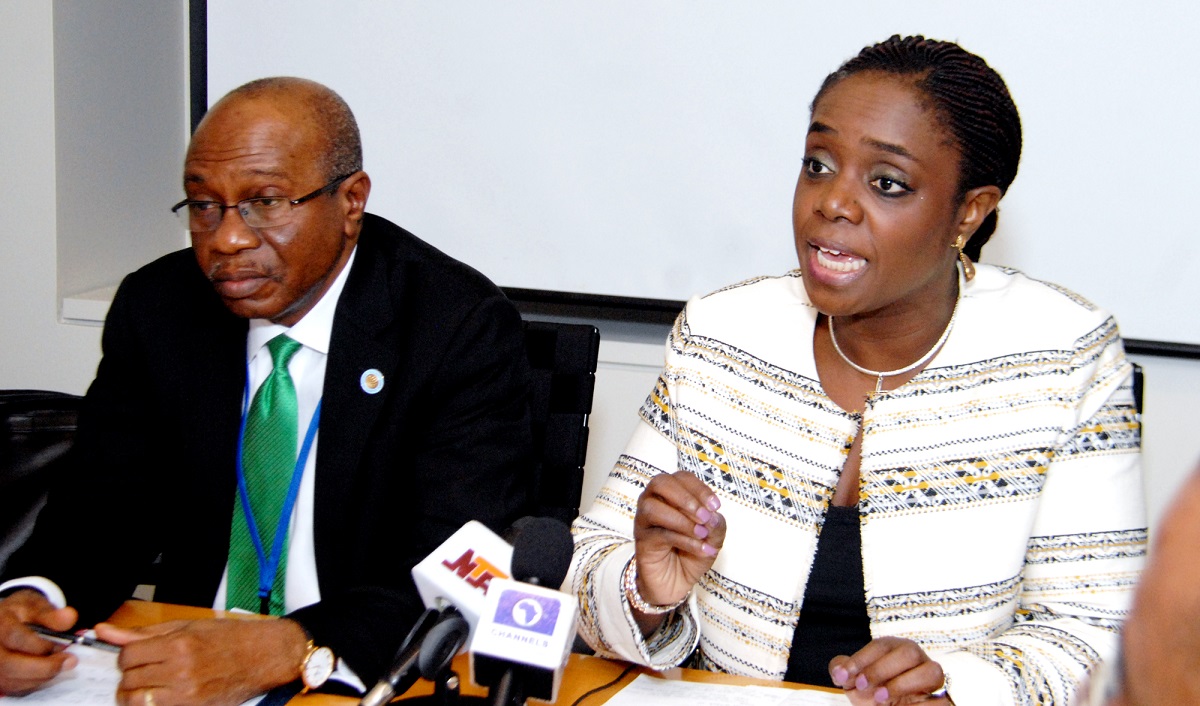
Nigeria won’t be reckless with foreign borrowings – Adeosun ….IMF, World Bank project higher growth for Sub-Saharan Africa, Global Economy in 2018 The Honourable Minister of Finance, Mrs. Kemi Adeosun, disclosed on Sunday that the Federal Government would not be reckless with foreign borrowings as it maintains an expansionary fiscal policy. The Minister also revealed that the International Monetary Fund (IMF) and the World Bank Group have projected a positive outlook of higher growth for the Sub-Saharan Africa and global economy in 2018. Adeosun made this known in Washington D.C. at a Joint Media Briefing with the Governor of the Central Bank of Nigeria, Mr. Godwin Emefiele, at the end of the 2017 Annual Meetings of the International Monetary Fund and the World Bank Group. She stated that the Federal Government adopted an expansionary fiscal policy with an enlarged budget in order to deliver a fundamental structural change to the economy, thereby reducing the country’s exposure to crude oil. “Why are we borrowing? Mobilising revenue aggressively was not advisable, nor indeed possible, in a recessed economy. But as Nigeria now reverts to growth, our revenue strategy will be accelerated. “This is being complimented by a medium-term debt strategy that is focusing more on external borrowings to avoid crowding out the private sector. “This would also reduce the cost of debt servicing and shift the balance of our debt portfolio from short-term to longer-term instruments. This Government will be very prudent around debt. We won’t borrow irresponsibly,” said Adeosun, who led the Nigerian delegation to the 2017 Annual Meetings of the IMF and the World Bank. The Minister participated in both the International Monetary and Financial Committee (IMFC) and Development Committee (DC) meetings, the two highest decision making organs of the Bretton-woods Institutions. She revealed that developments in the global economy since the Spring meetings were reviewed, noting that growth had picked up in 2017 even though not even. “Global growth is estimated to be 3.6 per cent for Fiscal Year 2017, while Sub-Saharan Africa (SSA) is projected to grow at 2.6 per cent and outlook is for higher growth in Fiscal Year 2018. “However, down side risks remain in the medium-term with high policy uncertainty, geopolitical tensions. Inflation remains subdued,” she added. Providing further details on the IMF and World Bank meeting, Minister Adeosun said the overarching policy priorities for the entire membership was to boost potential output and improve income distribution while improving financial sector resilience. The two Bretton-wood institutions, according to her, urged commodity exporters like Nigeria, to pursue structural policy reforms to unlock the country’s potentials and stimulate aggregate supply as well as enhance the diversification process. On the Development Committee (DC) meeting, she said members discussed the need to enhance the capacity of the International Bank for Reconstruction and Development (IBRD) and International Finance Corporation (IFC) to meet their obligations of supporting the financing needs of client countries and to prevent a slowdown in lending. “At the DC where I spoke on behalf of Angola, Nigeria and South Africa, I urged the international community particularly the Bretton-wood Institutions to change the narrative on Africa which always portray the continent as Low Income Countries (LIC). “Indeed, there are some Middle Income Countries represented by this constituency and so there is the need for the Bank to deploy instruments, policies and programs that will address the peculiar needs of these countries,” she said. Responding on the issue of investing in women, Adeosun remarked that the women remained the best investment any nation could make. “The multiplier effect of such investment is significant. We need to make more opportunities available to our women. They are the economic drivers of our nation. We have enormous talents in Nigeria, and the Federal Government will invest in human capital,” she added. The CBN Governor, Mr. Godwin Emefiele, who also participated at the IMF and World Bank meetings, confirmed improvement in the Nigerian economy. “The fundamentals we are seeing show that there is a lot of stability in the foreign exchange market, and having come down from high level to the level we are now, and the currency is just fluctuating between N359/N365 to dollar. “We think it is good level compared to where we are coming from. We think it is important to note that as reserves get stronger, as economic fundamentals get stronger, there is no doubt that the naira will get stronger and we will see more appreciation in the currency,” Emefiele said. He assured that the CBN would continue to focus on the banking system to ensure there were no significant threats that would affect the strategic health of the banking system. He further said that the CBN would continue to support the Federal Government’s efforts to reduce unemployment and create jobs. END ...
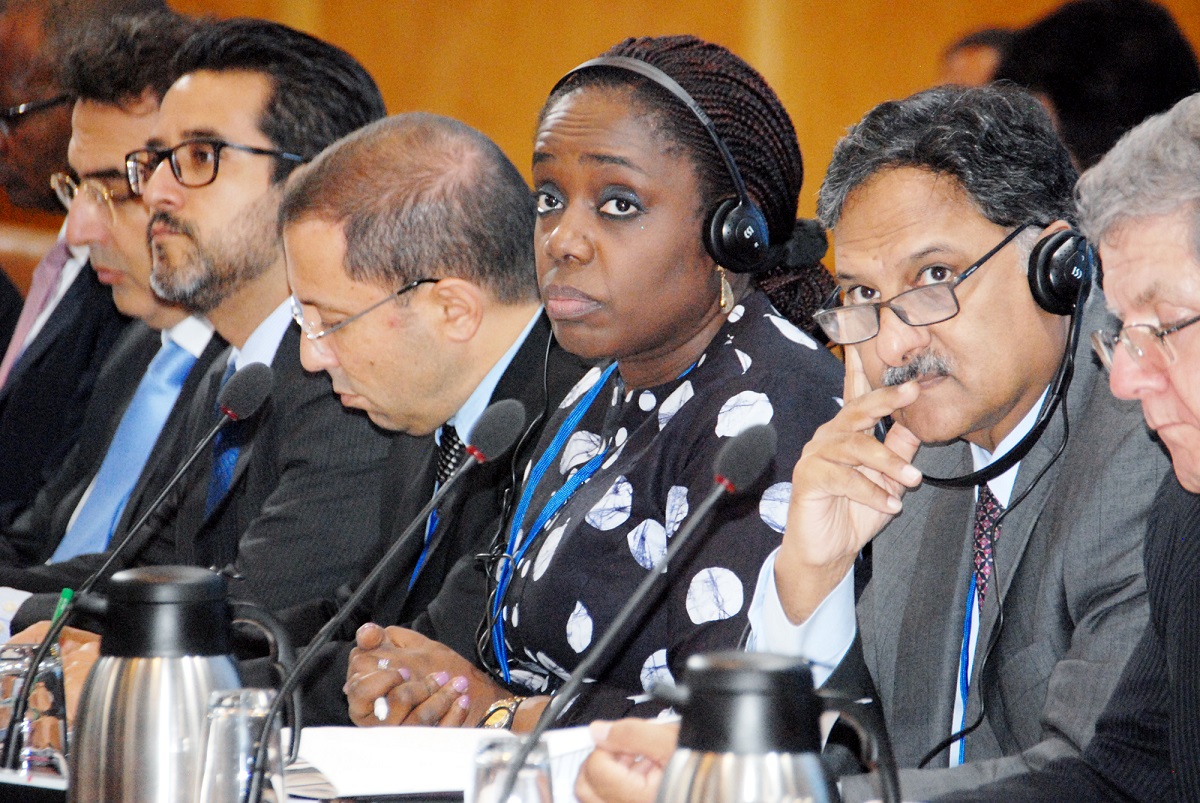
Infrastructural Devt: Nigeria asks World Bank, IMF to scale up Renewable Energy Nigeria has asked the World Bank Group and the International Monetary Fund (IMF) to scale up the provision of and access to renewable energy in order to deliver development results and meet global climate goals. Nigeria’s position on renewable energy and regional integration was presented by the Honourable Minister of Finance, Mrs. Kemi Adeosun, during the G24 Finance Ministers and Central Bank Governors meeting in Washington D.C., United States. Adeosun stated that scaling up renewable energy was a “win-win area” to deliver development results and contribute to the global climate goals. She said, “We have a major energy infrastructure gap to meet the needs of industrialization. Providing access to energy to all parts of Nigeria, both urban and rural, is a priority. “If we succeed, we estimate that this could unleash the development potentials of two-third of our population of 180 million.” The Minister added that generation of renewable energy was a financially attractive option for reaching rural populations. She further emphasized the need for business models from other countries to serve as a template in the provision of affordable energy. While canvassing the reinforcement of regional integration process by the World Bank and the IMF, Adeosun said the process would boost trade between countries and serve as a potential growth driver. “We believe that part of the solution must be regional, multi-country initiatives on infrastructure development. Though complex and often not easy to undertake, there are also successful cases of such projects. “For instance, a coastal super highway from Lagos to Dakar in West Africa would cut across 11 economic territories. Another Trans-Sahel highway from Northwest Nigeria to Mauritania would provide access and boost economic activities of land-lock countries like Niger, Burkina Faso and Mali,” stated Adeosun while speaking on behalf of Nigeria and 30 other countries during the G24 Ministers and Governors meeting. The IMF Managing Director, Christine Lagarde, advised low-income countries to be very cautious in dealing with investors, noting that there was a huge surge yields on the path of investors. The Chief Executive Officer of the World Bank, Kristalina Georgieva, urged developing countries to look at other sources of finance rather than dependence on the Paris Club. Georgieva said, “It is imperative for us to maximize finance for development and also critical for us think of comparative strength for significant finance to flow into developing countries.” On energy deficiency, she counselled developing countries to identify what could be done to create favourable environment for renewable energy. In a communiqué at the end of its meeting, the G24 Ministers and Governors urged the World Bank Group and the IMF to continue strengthening their assistance in improving domestic resource mobilisation and enhancing its contribution to inclusive growth through progressive tax policies, as well as more efficient and better targeted public spending. The Body reiterated the importance of scaling up infrastructure investments to achieve sustainable development goals. “We welcome the support of the IMF, the World Bank and other international Financial Institutions in increasing the efficiency of public investments in infrastructure, as well as their impact in improving connectivity, including at the regional level, and addressing distributional and climate objectives,” it stated. The G24 Ministers and Governors also called on Multilateral Development Banks (MDBs) to deliver on their ‘Joint Declaration of Aspirations on Actions to Support Infrastructure Investments’, including through concrete and time-bound actions. This, it added, will help to develop new risk mitigation instruments and infrastructure investment as an asset class. “We support a quota-based, adequately-resourced IMF that is less dependent on borrowed resources. We call for at least maintaining the current lending capacity of the IMF,” the group said. The group also called for strengthening the efforts of the IMF and the World Bank towards greater representation of under-represented regions and countries in recruitment and career progression, including at the managerial levels. END ...
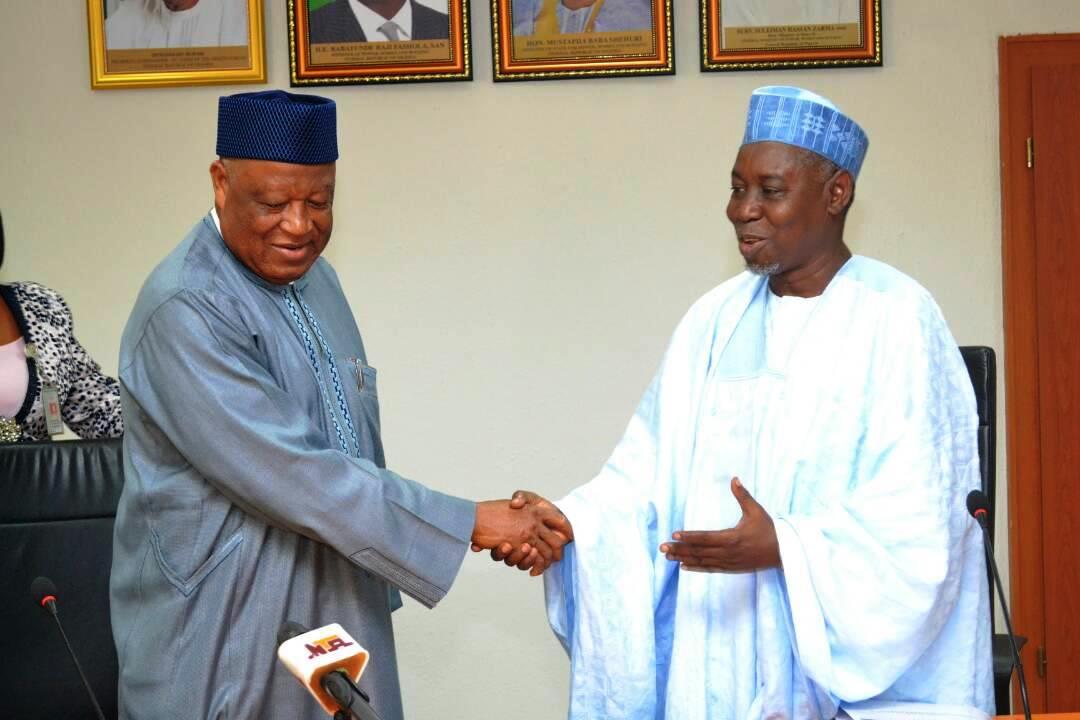
Senate Committee Appraises 2016 Budget Implementation Of The Housing Sector The Senate Committee on Lands, Housing and Urban Development paid an oversight visit to the Ministry’s Headquarters in Abuja to appraise the level of implementation of the 2016 budgetary provision to the Ministry. This is however the first time the Committee is visiting the Ministry to carry over its constitutional responsibilities of oversight of the Ministry’s operations of year 2016. The Honourable Minister of Power, Works and Housing, Babatunde Raji Fashola, SAN, who was represented by the Minister of State II, Surv. Suleiman Hassan Zarma, mnis, received and welcomed the Senate Committee to the Ministry. Suleiman expressed pleasure of the Ministry to have the Chairman, Senator Barnabas Gemade and other members of the committee on the oversight visit and solicited for their cooperation to guide and correct appropriately where necessary, so that the Nigerian electorates will enjoy the dividends of democracy under the present administration. He enjoined the Upper and Lower Chambers of the National Assembly to work in synergy on the implementation of Special Intervention of Constituency Projects in their various localities. In his remarks, the Chairman of the Senate Committee on Lands, Housing and Urban Development of the 8th Assembly, Senator Barnabas Gemade, thanked the Ministry for the warmth reception given to them. He stated that the principle of separation of powers in a constitutional democracy requires that law makers carry out this oversight function regularly on the Executive Branch of the Government. The chairman added that this vital function of the Parliament with the cooperation of the Executive arm of government will no doubt boost development and good governance in the country. According to him, ‘’our nation is in dire need of improved level of housing delivery to our people as the need remains enormous. We are keenly looking at how you are implementing new policies in enhancing this’’. Gemade also said that the Committee have paid similar visits to Federal Mortgage Bank of Nigeria (FMBN) and Federal Housing Authority (FHA) as Agencies under the supervision of the Ministry and stated the need for higher support to boost their operations in order to achieve their mandates. The Permanent Secretary (Works & Housing) Mohammed Bukar informed the Senate Committee that presentation of the 2016 budget implantation reports are segmented into seven parts and presented by directors and heads of the various units as follows: 2016 Budget Performance by the Director (Finance & Accounts), National Housing Programme by Director (Public Building), Provision of Infrastructure to the National Housing Programme by Director (Construction). Others are Public-Private Partnerships (PPP) in Housing Development by Head (PPP Unit), Lands under the Ministry’s Sites and Services Programme and the List of Titles issued by the Ministry Nationwide by Director (Lands & Housing) and Status of the Implementation of Special Projects by Head (Special Projects Units). In his presentation, the Director, Finance and Accounts, Ibrahim Tumsal informed the Senate Committee that only 43.7 per cent of budget implementation was recorded in 2016 based on funds released to the Housing sector of the Ministry. The Committee members took time to asked questions and clarifications on some grey areas of the budget implementation and necessary recommendations were made by the law makers for further improvement in subsequent budgetary provisions. Olatunji John Principal Information Officer (Housing) For: Director (Information) ...
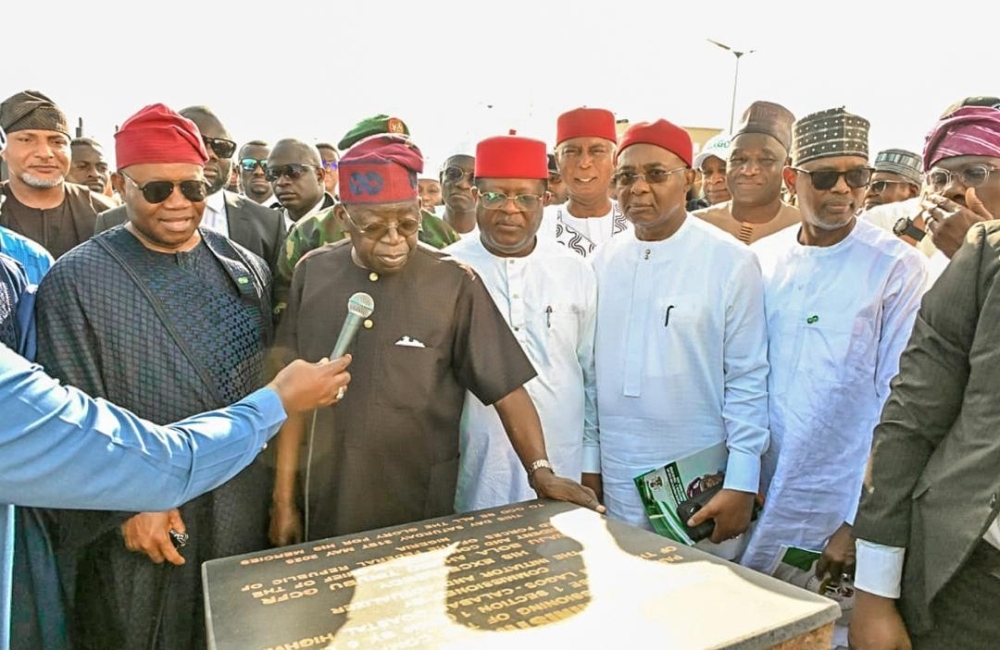
DRIVING NIGERIA’S FUTURE: CELEBRATING TWO YEARS OF TRANSFORMATIVE LEADERSHIP AND THE LAGOS-CALABAR COASTAL HIGHWAY MILESTONE
DRIVING NIGERIA’S FUTURE: CELEBRATING TWO YEARS OF TRANSFORMATIVE LEADERSHIP AND THE LAGOS-CALABAR COASTAL HIGHWAY MILESTONE
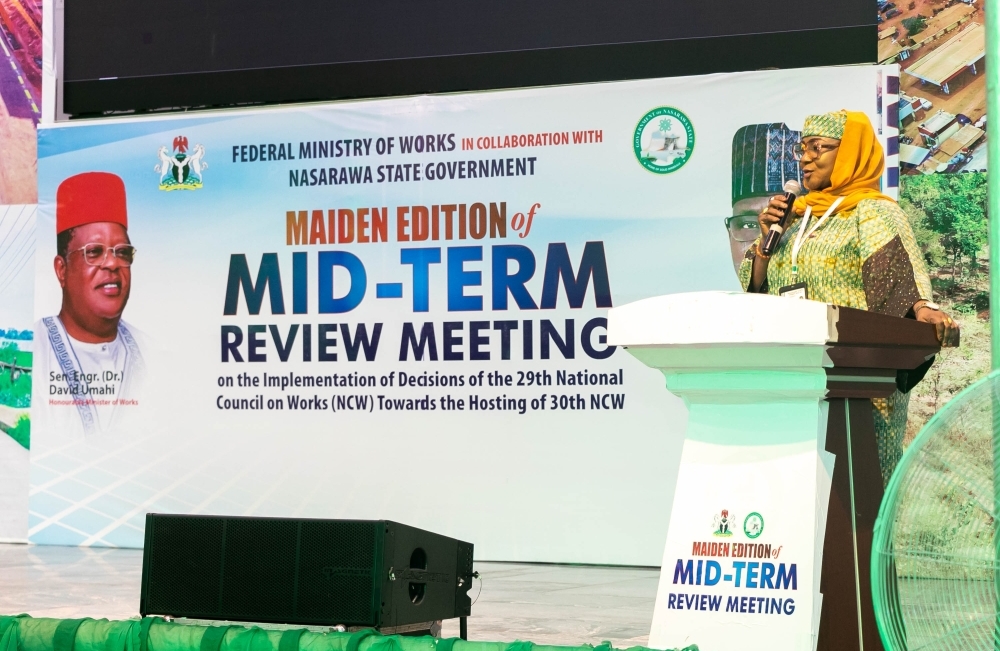
MID -TERM REVIEW MEETING ON THE IMPLIMENTATION OF THE DECISIONS REACHED AT THE 29TH NATIONAL COUNCIL ON WORKS (NCW) DAY 1
MID -TERM REVIEW MEETING ON THE IMPLIMENTATION OF THE DECISIONS REACHED AT THE 29TH NATIONAL COUNCIL ON WORKS (NCW) DAY 1