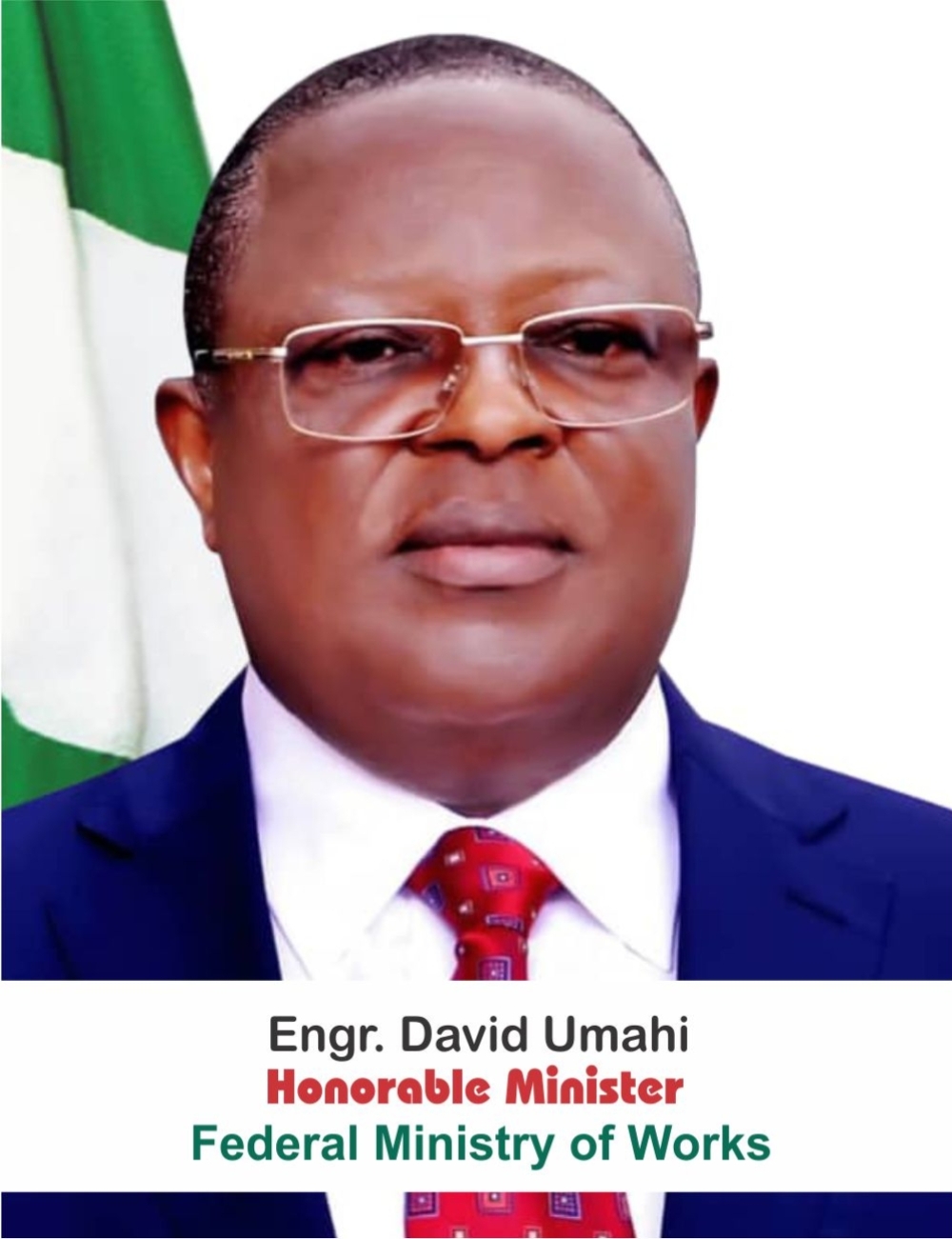
PRESIDENT TINUBU’S REFORMS ARE YIELDING RESULTS, SAYS UMAHI, AS FG FLAGS OFF 122KM KADUNA (MANDO)–BIRNIN GWARI ROAD
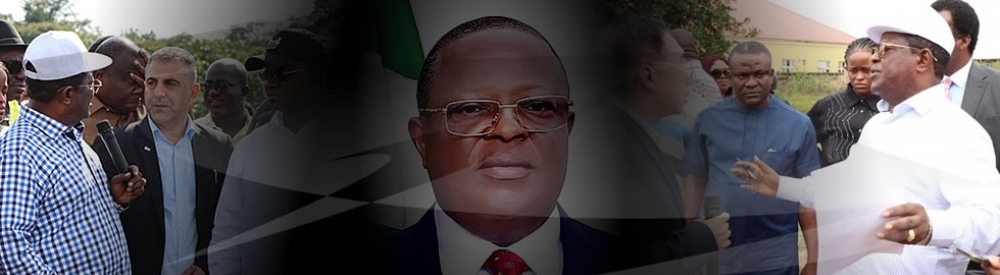
The Honourable Minister of Works, Senator Engr. David Umahi, CON, has affirmed that the economic reforms of President Bola Ahmed Tinubu, GCFR, are yielding results across the country, with strategic road infrastructure driving economic growth, improving security, reducing hunger and reconnecting communities.
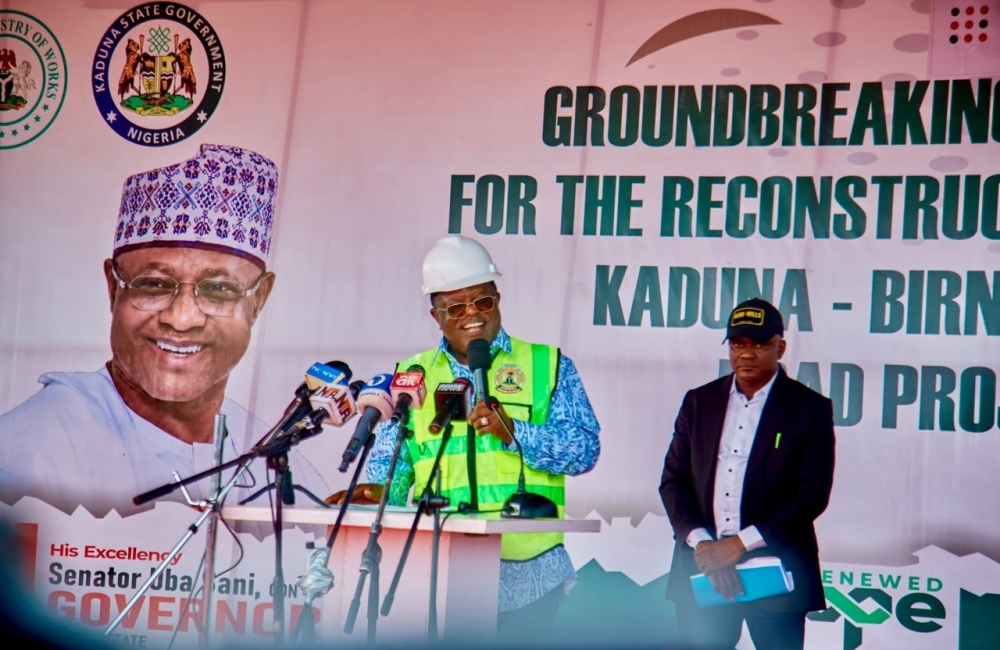
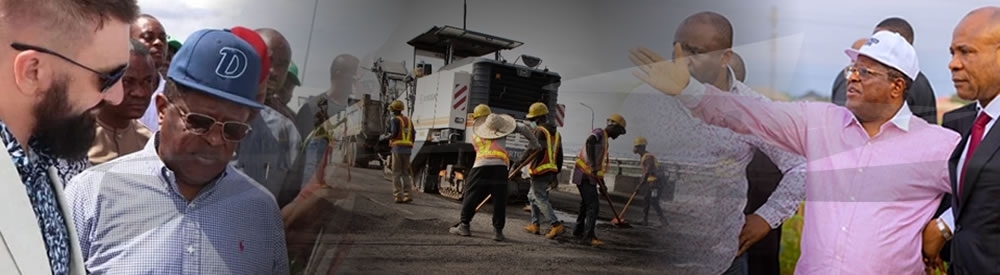
The Minister made the statement on Tuesday, August 4, 2026, during the official flag-off of the reconstruction of the 122KM Kaduna–Birnin Gwari Road at the Afaka Mando Arena in Kaduna State. He described the project as another fulfilled promise by President Tinubu and a major step towards strengthening regional connectivity, stimulating commerce and expanding economic opportunities under the Renewed Hope Agenda.
“We are using this road infrastructure to fix the economic problems we met on ground, we are using road infrastructure to fight the insecurity we met on the ground, we are using road building to fight hunger we met on the ground, we are using this road infrastructure to fight the injustices we met on ground where some state had no federal project like Plateau, Gombe, Ebonyi and even Kaduna.”
Umahi emphasized that the Kaduna–Birnin Gwari Road is one of President Tinubu’s promises fulfilled, noting that the project will significantly reduce travel time between Northern Nigeria and Lagos while opening up new economic routes. “By doing this road the president is shortening the distance between the north and Lagos. This is the shortest route to Lagos State. Because by the time it gets to Birnin Gwari, it leads to Niger then it connects Kwara, Osun, Oyo, and Lagos. What more can we say this is a very important road.”
The Minister also recalled the security challenges that once characterized the Abuja–Kaduna road, affirming that the reconstruction of the Abuja–Kaduna Road has changed the narrative. “I was told that before now it was a bad idea traveling from Abuja to Kaduna because of countless attacks but it is now a thing of the past since the Abuja-Kaduna road project started.”
Responding to claims that the Federal Government is abandoning existing roads in favour of new ones, Umahi dismissed the criticism, citing several major rehabilitation projects currently underway across the country.“People say that we are doing new roads and abandoning old roads, is this 122km a new road?… Is the Sokoto to Zamfara down to Funtua down to Zaria, is it a new road, is the Enugu to Onitsha costing the President 350 Billion, is it a new road? The road from Makurdi to 9th Mile, is it new? The Bodo Bonny road, is it new? And the Abuja-Kaduna-Zaria-Kano road.”
He further noted that road infrastructure remains the foundation for national development, explaining that investment in roads stimulates every sector of the economy. “When a road is built it is a catalyst. It is a GDP that grows other GDPs. When a road is built insecurity is minimized, there is an agricultural revolution. When a road is built there is an increase in commerce and education and that is what this Divine President Bola Ahmed Tinubu is doing.”
Umahi also congratulated Kaduna State Governor, Senator Uba Sani, for securing presidential approval for a 50-kilometre internal light rail project valued at $868 million. “Governor let me congratulate you a very big one internal light rail in Kaduna State has been approved by the President, it is a 50km light rail worth $868 million. This is a big one, you’re a goal getter.”
Calling for responsible democratic engagement, the Minister urged critics of the administration to offer constructive criticism that will help government improve service delivery. “Democracy is by choice, the people criticizing us should be constructive, it should not be insulting, deceitful, or saying mundane things. I can testify that when you criticize us constructively we have always gone to attend to such.”
President Bola Ahmed Tinubu, GCFR, was represented at the ceremony by the Governor of Kaduna State, Senator Uba Sani, who reaffirmed the President’s commitment to the people of Birnin Gwari.
Governor Sani recalled that before becoming President, Bola Ahmed Tinubu visited Birnin Gwari despite the severe security challenges in the area and promised to reconstruct the Kaduna–Birnin Gwari Road and restore lasting peace to the community. He noted that the flag-off of the project is a clear demonstration that the President keeps his promises.
Commending President Tinubu, Governor Sani explained that no previous administration has shown the level of commitment to Northern Nigeria demonstrated by the current President.“No President of the Federal Republic of Nigeria has done what President Bola Ahmed Tinubu has done for us here in Northern Nigeria and I challenge everyone to come up with anything contrary to what I am saying. President Bola Ahmed Tinubu has done a lot for us. We thank him for the love for the North, for the love for humanity, for the love for progress.”
Also speaking, the Emir of Birnin Gwari, His Royal Highness Alhaji (Dr.) Zubairu Jibril Maigwari II, commended President Tinubu and the governors of the affected states for the significant gains recorded in the fight against insecurity, noting that farmers have returned to their farms after years of fear and displacement.

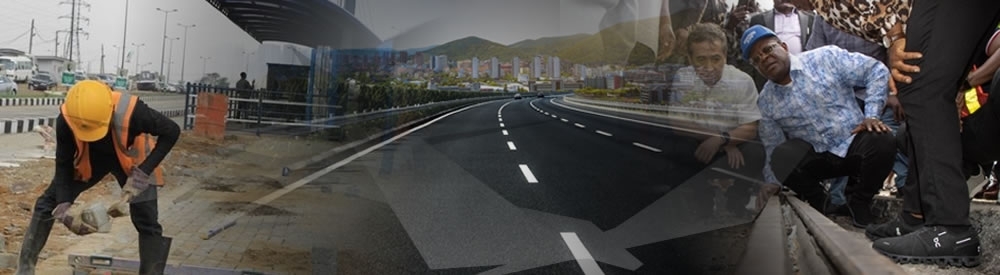
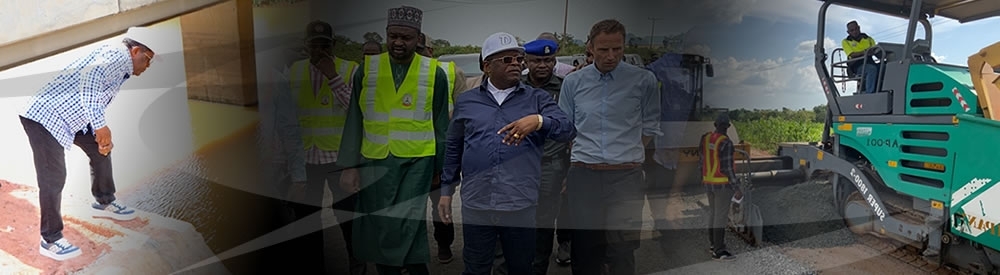
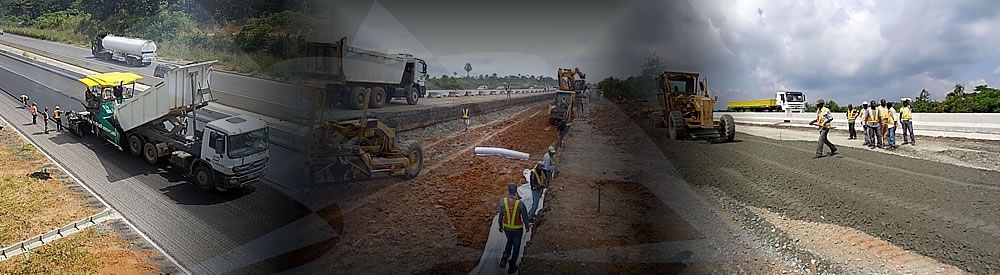
PRESIDENT TINUBU’S REFORMS ARE YIELDING RESULTS, SAYS UMAHI, AS FG FLAGS OFF 122KM KADUNA (MANDO)–BIRNIN GWARI ROAD The Honourable Minister of Works, Senator Engr. David Umahi, CON, has affirmed that the economic reforms of President Bola Ahmed Tinubu, GCFR, are yielding results across the country, with strategic road infrastructure driving economic growth, improving security, reducing hunger and reconnecting communities. The Minister made the statement on Tuesday, August 4, 2026, during the official flag-off of the reconstruction of the 122KM Kaduna–Birnin Gwari Road at the Afaka Mando Arena in Kaduna State. He described the project as another fulfilled promise by President Tinubu and a major step towards strengthening regional connectivity, stimulating commerce and expanding economic opportunities under the Renewed Hope Agenda. Umahi emphasized that the Kaduna–Birnin Gwari Road is one of President Tinubu’s promises fulfilled, noting that the project will significantly reduce travel time between Northern Nigeria and Lagos while opening up new economic routes. “By doing this road the president is shortening the distance between the north and Lagos. This is the shortest route to Lagos State. Because by the time it gets to Birnin Gwari, it leads to Niger then it connects Kwara, Osun, Oyo, and Lagos. What more can we say this is a very important road.” The Minister also recalled the security challenges that once characterized the Abuja–Kaduna road, affirming that the reconstruction of the Abuja–Kaduna Road has changed the narrative. “I was told that before now it was a bad idea traveling from Abuja to Kaduna because of countless attacks but it is now a thing of the past since the Abuja-Kaduna road project started.” Responding to claims that the Federal Government is abandoning existing roads in favour of new ones, Umahi dismissed the criticism, citing several major rehabilitation projects currently underway across the country.“People say that we are doing new roads and abandoning old roads, is this 122km a new road?… Is the Sokoto to Zamfara down to Funtua down to Zaria, is it a new road, is the Enugu to Onitsha costing the President 350 Billion, is it a new road? The road from Makurdi to 9th Mile, is it new? The Bodo Bonny road, is it new? And the Abuja-Kaduna-Zaria-Kano road.” He further noted that road infrastructure remains the foundation for national development, explaining that investment in roads stimulates every sector of the economy. “When a road is built it is a catalyst. It is a GDP that grows other GDPs. When a road is built insecurity is minimized, there is an agricultural revolution. When a road is built there is an increase in commerce and education and that is what this Divine President Bola Ahmed Tinubu is doing.” Umahi also congratulated Kaduna State Governor, Senator Uba Sani, for securing presidential approval for a 50-kilometre internal light rail project valued at $868 million. “Governor let me congratulate you a very big one internal light rail in Kaduna State has been approved by the President, it is a 50km light rail worth $868 million. This is a big one, you’re a goal getter.” Calling for responsible democratic engagement, the Minister urged critics of the administration to offer constructive criticism that will help government improve service delivery. “Democracy is by choice, the people criticizing us should be constructive, it should not be insulting, deceitful, or saying mundane things. I can testify that when you criticize us constructively we have always gone to attend to such.” President Bola Ahmed Tinubu, GCFR, was represented at the ceremony by the Governor of Kaduna State, Senator Uba Sani, who reaffirmed the President’s commitment to the people of Birnin Gwari. Governor Sani recalled that before becoming President, Bola Ahmed Tinubu visited Birnin Gwari despite the severe security challenges in the area and promised to reconstruct the Kaduna–Birnin Gwari Road and restore lasting peace to the community. He noted that the flag-off of the project is a clear demonstration that the President keeps his promises. Commending President Tinubu, Governor Sani explained that no previous administration has shown the level of commitment to Northern Nigeria demonstrated by the current President.“No President of the Federal Republic of Nigeria has done what President Bola Ahmed Tinubu has done for us here in Northern Nigeria and I challenge everyone to come up with anything contrary to what I am saying. President Bola Ahmed Tinubu has done a lot for us. We thank him for the love for the North, for the love for humanity, for the love for progress.” Also speaking, the Emir of Birnin Gwari, His Royal Highness Alhaji (Dr.) Zubairu Jibril Maigwari II, commended President Tinubu and the governors of the affected states for the significant gains recorded in the fight against insecurity, noting that farmers have returned to their farms after years of fear and displacement.
“We are using this road infrastructure to fix the economic problems we met on ground, we are using road infrastructure to fight the insecurity we met on the ground, we are using road building to fight hunger we met on the ground, we are using this road infrastructure to fight the injustices we met on ground where some state had no federal project like Plateau, Gombe, Ebonyi and even Kaduna.”
Minister Inspects National Housing Projects in the North Central Zone: Reinstates FG's Commitment to Deliver on Housing Mandate. The Hon. Minister of State for Power, Works and Housing, Hon Mustapha Baba Shehuri has said that President Muhammadu Buhari's administration is unequivocally committed to addressing the housing needs of Nigerians through the National Housing Programme (NHP). He said the Programme was part of Federal Government's campaign promise to provide critical infrastructure that would enhance the socio- economic development of the country. The Minister, who was in Minna, Niger State, on the first leg of his inspection tour of NHP sites in the North- Central geo-political zone, stated this during a courtesy call on the Governor of the State, who was represented by the Acting Governor, Alhaji Ahmad Muhammed Ketso. He informed him that the Ministry was constructing about 80 housing units in the state in the first phase of the Programme, while promising that the state would benefit more as government continues to drive the Programme. He thanked the Acting Governor for the magnanimity of the state in providing a 5 - acre plot of land for the NHP, adding that the location of the site is amongst the best in the country. In his response, His Excellency said the state will continue to collaborate with the Federal Government in bringing development to the people geared towards improving their living standards. He, however, observed that local contractors in the state were not being considered in the Programme and appealed to the Minister to consider them in subsequent phases of the Programme in accordance with the "local content" component of the laudable initiative. He also advised that the Ministry should maintain quality supervision of all its projects in its quest to deliver enduring and quality services to the people. The Federal Controller of Housing, Niger State, Mr Felix Appia, while commending the collaborative efforts between the State and the Federal Government in the execution of Federal Government projects, disclosed that the Ministry apart from the housing Programme, is also undertaking other projects such as solar - powered boreholes and construction of classroom blocks, under the Sustainable Development Goals (SDGs) projects and the renovation of the Federal Secretariat Complex. The Minister later proceeded to inspect the construction site situated within the Three Arms Zone, where he met with contractors, artisans, suppliers of building materials, food and allied items vendors. They expressed appreciation to the Federal Government for the laudable initiative, stating that the Programme has opened up new vistas of opportunity for them to revive their means of livelihood. Hon. Shehuri expressed satisfaction at the pace and quality of on-going works at the construction site, while urging the contractors to sustain the tempo and be consistent in the use of the best quality materials for the buildings. The 80 - unit Housing Estate comprises of 4 units of one-bedroom, 52 units of two-bedroom and 24 units of three-bedroom, which are at various stages of completion. In Ilorin, Kwara State, the Minister, while on a courtesy call on the Executive Governor, His Excellency, Abdulfatah Ahmed, who was represented by the Deputy Governor, Elder Peter Kisira (JP) reemphasize the need for collaboration between the state and the Federal Government in the provision of affordable housing to Nigerians. He equally appreciated the effort of the state government in the provision of choice land for the NHP. While at the 72-unit on-going construction site, Hon. Shehuri, in an interactive session with Ministry's officials, contractors, artisans, labourers, suppliers of building materials, food vendors and others, stated that the essence of NHP, apart from the provision of affordable housing, is to add value to the wellbeing of Nigerians by creating employment as well as encourage standardization of building materials which will boost local content. The Federal Controller of Housing, Kwara state, Arc. Felix Ale, while briefing the Minister on progress of work, disclosed that the Estate comprise of 4 units of one-bedroom flats, 44 units of two-bedroom and 24 units of three-bedroom apartments, promising that with sustained funding of the project, speed and quality are assured. Also, at the construction site of a 76-unit Housing Estate in Lokoja, the Kogi State capital, the Federal Controller of Housing, Arc. Veronica Enesi gave the break down as 4 units of one-bedroom, 48 units of two-bedroom and 24 units of three-bedroom apartments. The Minister assured the contractors of prompt payment for satisfied jobs, while admonishing officials supervising the project to adhere strictly to specifications and timelines of the contract. ...
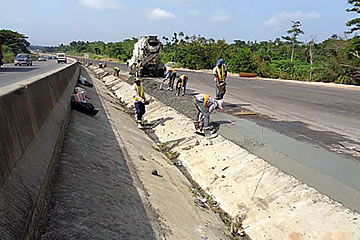
Ibadan Disco Commends FG, Fashola Over On Going Work On Lagos-Ibadan Expressway * Say rehabilitation has eased access to majority of its franchise, shortened travel times for its business and staff * Expresses confidence that on completion the road will boost commercial activities, quality of life of Nigerians and neighbouring countries With work rapidly progressing on the rehabilitation, reconstruction and expansion of the Lagos-Ibadan Expressway, acknowledgments of its benefits in terms of shorter travel times and better journey experiences and appreciation from road users have started coming the way of the Federal Government. In a recent commendation letter, the Ibadan Distribution Company (IBEDC) expressed delight and gratitude to the Hon. Minister of Power, Works and Housing, Mr Babatunde Fashola SAN for the rehabilitation work being carried out on the road saying it had not only eased accessibility to the company’s franchise majority of whom, it said, could only be achieved through the road, but had also made it possible for most of its staff to enjoy shorter travel times and better journey experiences as they visit their families at weekends. The commendation letter signed by the Managing Director of the Company, Mr. John Donnachie, also noted that the exigencies of the company’s business demanded that a number of official trips were often undertaken via the expressway which it described as one of the busiest within the country. The letter read in part, “The entire Management and staff of the Ibadan Electricity Distribution Company Plc (IBEDC) write to recognize and acknowledge the herculean task being undertaken by the Office of the Minister of Power, Works & Housing in the on-going rehabilitation work on the Lagos-Ibadan Expressway. “Our commendation and gratitude for the good work which your office is undertaking on behalf of the entire citizens of Nigeria cannot be expressed enough. As you are aware, the large portion of the franchise area of IBEDC can only be accessed through this road and many of our staff had in the past undertaken the arduous task of plying this expressway in order to spend time with their families and friends over the weekend. The exigencies of our business also demands that a number of official trips are undertaken via this route which one could rightly classify as one of the busiest expressways within Nigeria”. Acknowledging that the repair works initially posed some challenges to road users, the company noted with delight that as the repair work nears completion, “the previous hardship, wear-and-tear on commuters and vehicles has been greatly reduced in addition to the millions of lives and money that have been saved as a consequence of this much needed rehabilitation”. Expressing its “support and gratitude for a job well done”, the company declared, “There is no doubt that this project on completion, will boost commercial activities and the quality of life to the inhabitants primarily of Lagos and Ibadan with significant gains recorded by all other road users from other states and neighbouring countries”. It would be recalled that recently while inspecting the on going reconstruction and rehabilitation work on the Lagos-Ibadan Expressway as part of his inspection tour of Federal Highways and other projects in the South West Zone, Fashola had alluded to the fact that reports of shorter travel times and better journey experiences had been coming in as commuters testified to making the journey from Ibadan to Lagos in less than two hours even as the project was still on-going. The Minister, who also recalled similar reports on other Federal roads across the country during the 2016 Christmas and New Year festivals, promised that both travel times and journey experiences would be even better during the 2017 festivities as many of the road projects across the country would have been substantially completed. ...
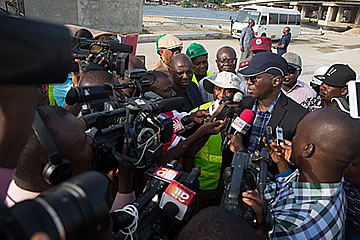
“We Commit To Do More And To Make Your Lives Better”, Fashola Assures Nigerians * Says Administration is gaining momentum and results of Government policies, programmes and action are beginning to manifest * Dedicates ‘Minister of the Year Award’ to President, Vice President, FEC, National Assembly, Judiciary, FMPWH Staff Even as the nation begins to experience a gradual turnaround in its economic fortunes, Minister of Power Works and Housing, Mr. Babatunde Fashola SAN, has assured Nigerians of yet greater things to come saying the Federal Government was committed to making their lives better. Fashola, who was represented in Lagos on Sunday at the 20th City People Awards for Excellence by his Special Adviser on Housing, Mr Abiodun Oki, said although the Government was gaining momentum as the results of its policies, programmes and actions were beginning to manifest, the All Progressive Congress, the architects of Change, knew that the work was not yet done but just beginning adding that even those working in the government also knew that it could be a lot better. The Minister, who was presented the ‘Minister of the Year Award’ at the occasion, dedicated the Award to the entire Government body whom he likened to a football team saying just like in a football march, there would be no good striker, midfielder and defender in a team that did not do well. Dedicating the Award, first to the President Muhammadu Buhari for “picking a team of Ministers whose commitment to change is unquestionable” and the Vice President for demonstrating “his ability to complement this vision of change and his dedication to help midwife it”, Fashola noted that “it is the team and the work they do together that allows any striker, midfielder or defender to thrive”. The Minister declared, “Therefore collective success must be, and is indeed, more important than individual recognition”, adding, “A Government is no different from a football club, to the extent that they comprise individuals of different talents, passions and experiences who must work together to deliver service to the public”. “A successful team is led by a Great and resourceful manager, who often has a dependable assistant. In our Government team, President Muhammadu Buhari has discharged that role effectively by picking a team of Ministers whose commitment to change is unquestionable and the Vice President has demonstrated his ability to complement this vision of change and his dedication to help midwife it. On their behalf I accept this Award”, he said. Acknowledging that every goal scored by a striker was the result of co-ordinated team play, and interchange of passes, Fashola also dedicated the Award to the Federal Executive Council, the Secretary to the Government of the Federation, Cabinet Office and the Office of the Chief of Staff, saying his Ministry had benefitted from “a well-planned Budget, well-timed cash backing, very massive support and contributions to our Council Memoranda”. And because of their support and cooperation in financing the various projects of his Ministry, Fashola also dedicated the Award “to those who exercise the power of appropriation in the National Assembly” the Senators, House of Representatives members and all their Committee Chairmen, members and staff, adding that they were the real owners of the Award. Others on behalf of whom he accepted the Award, according to the Minister, were the Judiciary “as members of the team of change” without whose prompt and efficient determination of some court cases the progress so far achieved would have been hindered. “No team is complete without the army of backroom staff who we never get to see, but who help the players enormously. The Ministry of Power, Works and Housing is blessed with an army of hardworking civil servants, led by two Permanent Secretaries, Directors, the Heads of our parastatals, Deputy Directors, Controllers and other staff who have signed up for change and are daily working towards it. I accept this Award on their behalf”, he said. Reiterating that no individual recognition was worthy of note if the team was not delivering results, Fashola declared, “My Brother, the Hon. Minister of State in the Ministry of Power, Works and Housing, Mustapha Baba Shehuri and I accept this Award on behalf of Government as proof that our team is gaining momentum, and the results of Government policies, programmes and action are beginning to manifest”. Thanking City People and its management for inspiring the administration to pursue change, the Minister also acknowledged the All Progressive Congress, whom he described as “the architects of Change”, saying that although some significant progress has been made, the Party knew that the work was just beginning. “We the team members also know this. We know that it can be a lot better, we commit to do more and to make your lives better”, he said. ...
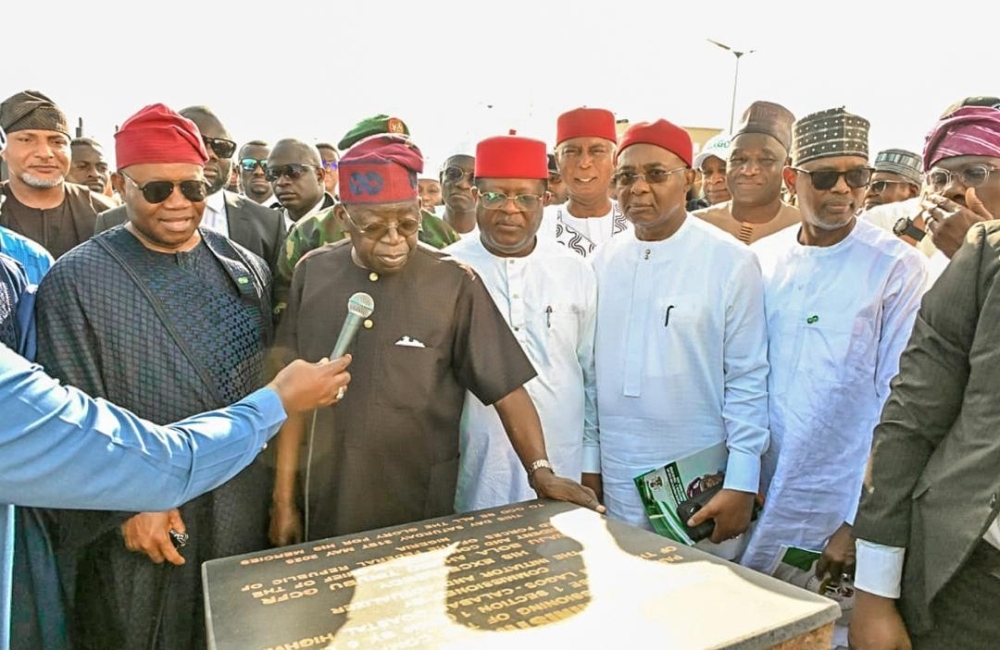
DRIVING NIGERIA’S FUTURE: CELEBRATING TWO YEARS OF TRANSFORMATIVE LEADERSHIP AND THE LAGOS-CALABAR COASTAL HIGHWAY MILESTONE
DRIVING NIGERIA’S FUTURE: CELEBRATING TWO YEARS OF TRANSFORMATIVE LEADERSHIP AND THE LAGOS-CALABAR COASTAL HIGHWAY MILESTONE
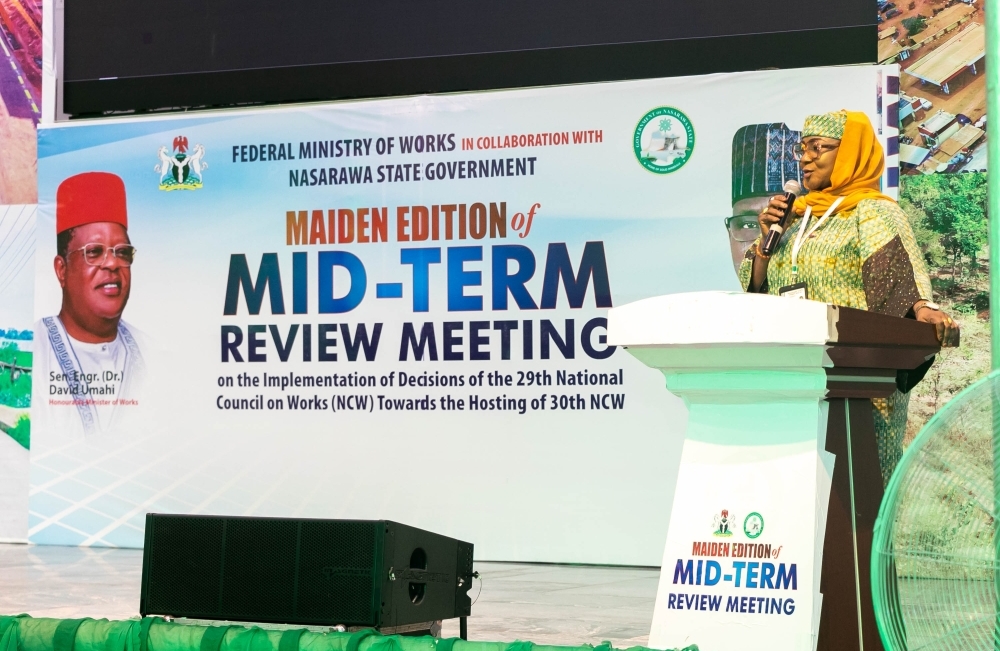
MID -TERM REVIEW MEETING ON THE IMPLIMENTATION OF THE DECISIONS REACHED AT THE 29TH NATIONAL COUNCIL ON WORKS (NCW) DAY 1
MID -TERM REVIEW MEETING ON THE IMPLIMENTATION OF THE DECISIONS REACHED AT THE 29TH NATIONAL COUNCIL ON WORKS (NCW) DAY 1