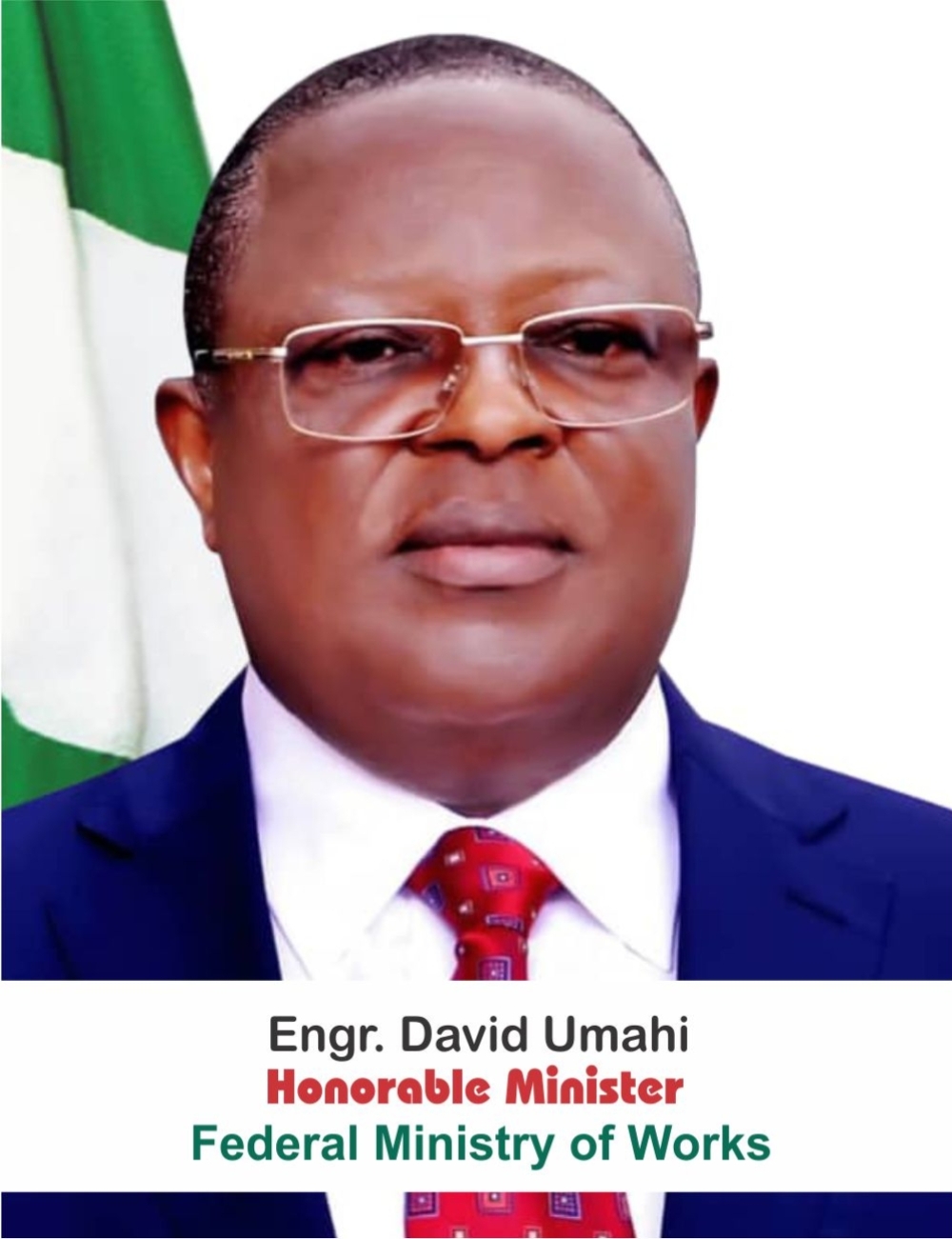
PRESIDENT TINUBU’S REFORMS ARE YIELDING RESULTS, SAYS UMAHI, AS FG FLAGS OFF 122KM KADUNA (MANDO)–BIRNIN GWARI ROAD
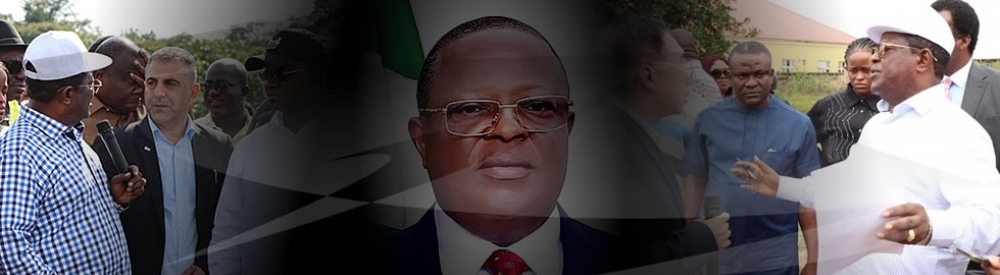
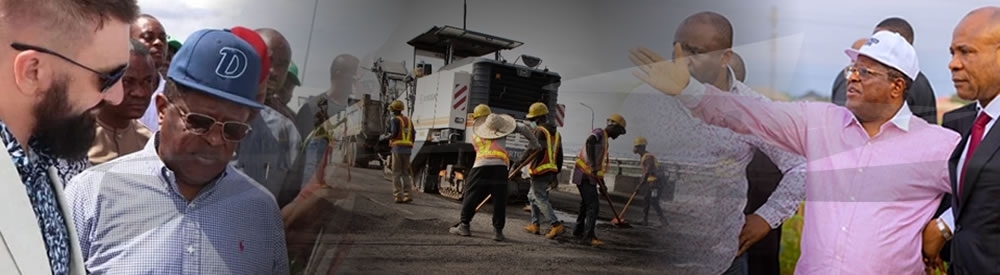
The Honourable Minister of Works, Senator Engr. David Umahi, CON, has affirmed that the economic reforms of President Bola Ahmed Tinubu, GCFR, are yielding results across the country, with strategic road infrastructure driving economic growth, improving security, reducing hunger and reconnecting communities.
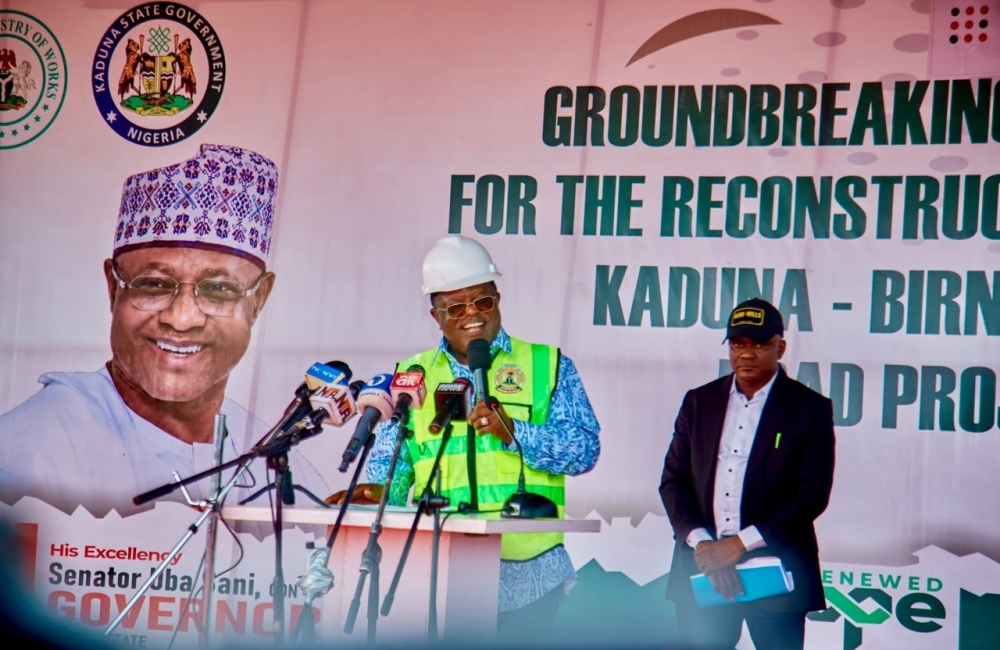
The Minister made the statement on Tuesday, August 4, 2026, during the official flag-off of the reconstruction of the 122KM Kaduna–Birnin Gwari Road at the Afaka Mando Arena in Kaduna State. He described the project as another fulfilled promise by President Tinubu and a major step towards strengthening regional connectivity, stimulating commerce and expanding economic opportunities under the Renewed Hope Agenda.
“We are using this road infrastructure to fix the economic problems we met on ground, we are using road infrastructure to fight the insecurity we met on the ground, we are using road building to fight hunger we met on the ground, we are using this road infrastructure to fight the injustices we met on ground where some state had no federal project like Plateau, Gombe, Ebonyi and even Kaduna.”
Umahi emphasized that the Kaduna–Birnin Gwari Road is one of President Tinubu’s promises fulfilled, noting that the project will significantly reduce travel time between Northern Nigeria and Lagos while opening up new economic routes. “By doing this road the president is shortening the distance between the north and Lagos. This is the shortest route to Lagos State. Because by the time it gets to Birnin Gwari, it leads to Niger then it connects Kwara, Osun, Oyo, and Lagos. What more can we say this is a very important road.”
The Minister also recalled the security challenges that once characterized the Abuja–Kaduna road, affirming that the reconstruction of the Abuja–Kaduna Road has changed the narrative. “I was told that before now it was a bad idea traveling from Abuja to Kaduna because of countless attacks but it is now a thing of the past since the Abuja-Kaduna road project started.”
Responding to claims that the Federal Government is abandoning existing roads in favour of new ones, Umahi dismissed the criticism, citing several major rehabilitation projects currently underway across the country.“People say that we are doing new roads and abandoning old roads, is this 122km a new road?… Is the Sokoto to Zamfara down to Funtua down to Zaria, is it a new road, is the Enugu to Onitsha costing the President 350 Billion, is it a new road? The road from Makurdi to 9th Mile, is it new? The Bodo Bonny road, is it new? And the Abuja-Kaduna-Zaria-Kano road.”
He further noted that road infrastructure remains the foundation for national development, explaining that investment in roads stimulates every sector of the economy. “When a road is built it is a catalyst. It is a GDP that grows other GDPs. When a road is built insecurity is minimized, there is an agricultural revolution. When a road is built there is an increase in commerce and education and that is what this Divine President Bola Ahmed Tinubu is doing.”
Umahi also congratulated Kaduna State Governor, Senator Uba Sani, for securing presidential approval for a 50-kilometre internal light rail project valued at $868 million. “Governor let me congratulate you a very big one internal light rail in Kaduna State has been approved by the President, it is a 50km light rail worth $868 million. This is a big one, you’re a goal getter.”
Calling for responsible democratic engagement, the Minister urged critics of the administration to offer constructive criticism that will help government improve service delivery. “Democracy is by choice, the people criticizing us should be constructive, it should not be insulting, deceitful, or saying mundane things. I can testify that when you criticize us constructively we have always gone to attend to such.”
President Bola Ahmed Tinubu, GCFR, was represented at the ceremony by the Governor of Kaduna State, Senator Uba Sani, who reaffirmed the President’s commitment to the people of Birnin Gwari.
Governor Sani recalled that before becoming President, Bola Ahmed Tinubu visited Birnin Gwari despite the severe security challenges in the area and promised to reconstruct the Kaduna–Birnin Gwari Road and restore lasting peace to the community. He noted that the flag-off of the project is a clear demonstration that the President keeps his promises.
Commending President Tinubu, Governor Sani explained that no previous administration has shown the level of commitment to Northern Nigeria demonstrated by the current President.“No President of the Federal Republic of Nigeria has done what President Bola Ahmed Tinubu has done for us here in Northern Nigeria and I challenge everyone to come up with anything contrary to what I am saying. President Bola Ahmed Tinubu has done a lot for us. We thank him for the love for the North, for the love for humanity, for the love for progress.”
Also speaking, the Emir of Birnin Gwari, His Royal Highness Alhaji (Dr.) Zubairu Jibril Maigwari II, commended President Tinubu and the governors of the affected states for the significant gains recorded in the fight against insecurity, noting that farmers have returned to their farms after years of fear and displacement.

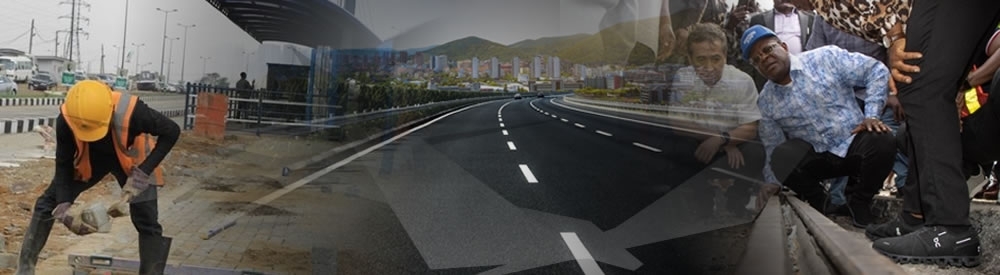
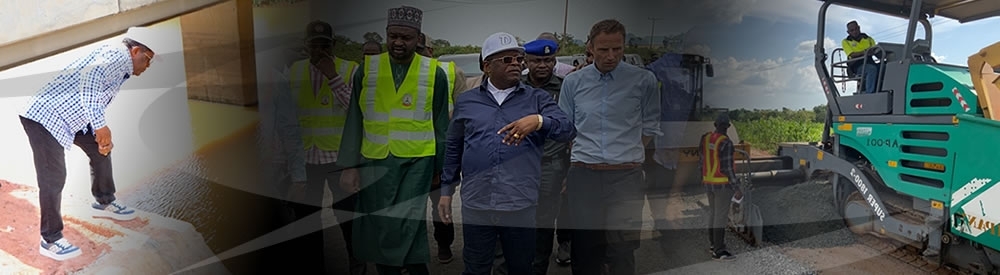
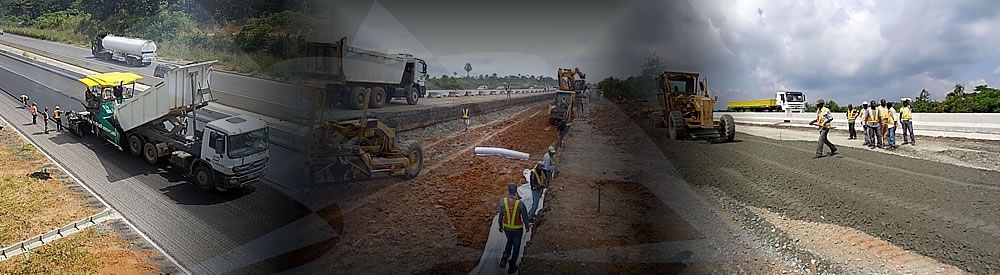
PRESIDENT TINUBU’S REFORMS ARE YIELDING RESULTS, SAYS UMAHI, AS FG FLAGS OFF 122KM KADUNA (MANDO)–BIRNIN GWARI ROAD The Honourable Minister of Works, Senator Engr. David Umahi, CON, has affirmed that the economic reforms of President Bola Ahmed Tinubu, GCFR, are yielding results across the country, with strategic road infrastructure driving economic growth, improving security, reducing hunger and reconnecting communities. The Minister made the statement on Tuesday, August 4, 2026, during the official flag-off of the reconstruction of the 122KM Kaduna–Birnin Gwari Road at the Afaka Mando Arena in Kaduna State. He described the project as another fulfilled promise by President Tinubu and a major step towards strengthening regional connectivity, stimulating commerce and expanding economic opportunities under the Renewed Hope Agenda. Umahi emphasized that the Kaduna–Birnin Gwari Road is one of President Tinubu’s promises fulfilled, noting that the project will significantly reduce travel time between Northern Nigeria and Lagos while opening up new economic routes. “By doing this road the president is shortening the distance between the north and Lagos. This is the shortest route to Lagos State. Because by the time it gets to Birnin Gwari, it leads to Niger then it connects Kwara, Osun, Oyo, and Lagos. What more can we say this is a very important road.” The Minister also recalled the security challenges that once characterized the Abuja–Kaduna road, affirming that the reconstruction of the Abuja–Kaduna Road has changed the narrative. “I was told that before now it was a bad idea traveling from Abuja to Kaduna because of countless attacks but it is now a thing of the past since the Abuja-Kaduna road project started.” Responding to claims that the Federal Government is abandoning existing roads in favour of new ones, Umahi dismissed the criticism, citing several major rehabilitation projects currently underway across the country.“People say that we are doing new roads and abandoning old roads, is this 122km a new road?… Is the Sokoto to Zamfara down to Funtua down to Zaria, is it a new road, is the Enugu to Onitsha costing the President 350 Billion, is it a new road? The road from Makurdi to 9th Mile, is it new? The Bodo Bonny road, is it new? And the Abuja-Kaduna-Zaria-Kano road.” He further noted that road infrastructure remains the foundation for national development, explaining that investment in roads stimulates every sector of the economy. “When a road is built it is a catalyst. It is a GDP that grows other GDPs. When a road is built insecurity is minimized, there is an agricultural revolution. When a road is built there is an increase in commerce and education and that is what this Divine President Bola Ahmed Tinubu is doing.” Umahi also congratulated Kaduna State Governor, Senator Uba Sani, for securing presidential approval for a 50-kilometre internal light rail project valued at $868 million. “Governor let me congratulate you a very big one internal light rail in Kaduna State has been approved by the President, it is a 50km light rail worth $868 million. This is a big one, you’re a goal getter.” Calling for responsible democratic engagement, the Minister urged critics of the administration to offer constructive criticism that will help government improve service delivery. “Democracy is by choice, the people criticizing us should be constructive, it should not be insulting, deceitful, or saying mundane things. I can testify that when you criticize us constructively we have always gone to attend to such.” President Bola Ahmed Tinubu, GCFR, was represented at the ceremony by the Governor of Kaduna State, Senator Uba Sani, who reaffirmed the President’s commitment to the people of Birnin Gwari. Governor Sani recalled that before becoming President, Bola Ahmed Tinubu visited Birnin Gwari despite the severe security challenges in the area and promised to reconstruct the Kaduna–Birnin Gwari Road and restore lasting peace to the community. He noted that the flag-off of the project is a clear demonstration that the President keeps his promises. Commending President Tinubu, Governor Sani explained that no previous administration has shown the level of commitment to Northern Nigeria demonstrated by the current President.“No President of the Federal Republic of Nigeria has done what President Bola Ahmed Tinubu has done for us here in Northern Nigeria and I challenge everyone to come up with anything contrary to what I am saying. President Bola Ahmed Tinubu has done a lot for us. We thank him for the love for the North, for the love for humanity, for the love for progress.” Also speaking, the Emir of Birnin Gwari, His Royal Highness Alhaji (Dr.) Zubairu Jibril Maigwari II, commended President Tinubu and the governors of the affected states for the significant gains recorded in the fight against insecurity, noting that farmers have returned to their farms after years of fear and displacement.
“We are using this road infrastructure to fix the economic problems we met on ground, we are using road infrastructure to fight the insecurity we met on the ground, we are using road building to fight hunger we met on the ground, we are using this road infrastructure to fight the injustices we met on ground where some state had no federal project like Plateau, Gombe, Ebonyi and even Kaduna.”
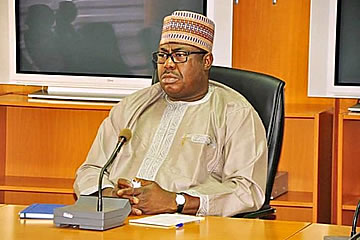
FG Waives Payment Of 10% Equity On Mortgages Below 5 Million Naira 1. As a demonstration of its resolute commitment to the provision of affordable housing to Nigerians, especially the low income earners, the Federal Government has graciously approved that henceforth mortgages below N5m (five million naira) will not attract the initial payment of 10% equity from offtakers. 2. This was made known by the Minister of State for Power, Works and Housing, Hon. Mustapha Baba Shehuri while commissioning a 125- unit Housing Estate being financed by the Federal Mortgage Bank of Nigeria (FMBN) and developed by a private developer, Messrs LCK Projects (Nigeria) Limited, in Enugu, Enugu State, recently. 3. Hon. Baba Shehuri stated that in view of the challenge of housing deficit in Nigeria, which has been put at 16 – 17 million, the Ministry plans to build mass houses in every state of the Federation for public workers and other interested parties, over the next three years, using the instructmentality of Public-Private Partnerships. 4. He added that National Housing Models have been designed and approved for each geo-political zone, which takes care of our cultural and climatic diversities in our choice of house type and standardization in the use of local building materials. This will translate to affordability of housing for Nigerians and will also create employment opportunities for our teaming youths that are currently roaming the streets. 5. While commending the effort of the apex mortgage bank, the Minister noted that it has a pivotal role to play in the actualization of the aspirations of many Nigerians to own a home through mortgage, adding that the Muhammadu Buhari’s led administration will lend its full support to the Federal Mortgage Bank of Nigeria towards ensuring that it is adequately recapitalized and repositioned to cater for the mortgage finance needs of Nigerian workers, who would be the major beneficiaries of houses built under the National Housing Programme. 6. Earlier in his address at the Commissioning Ceremony, the Executive Governor of Enugu State, RT Hon. Ifeanyi Ugwuanyi assured the Minister of the readiness of the State to continue providing enabling environment for housing development to thrive. 7. The Minister was also at Abakaliki, Ebonyi State, where he commissioned the 1st set of 72 units of houses out of 240 being financed by FMBN and undertaking by the Ebonyi State Housing Development Corporation (ESHDC). He was also at Owerri, Imo State for the commissioning of a 100-unit FMBN-Minfa Housing Estate. 8. The Ebonyi State Executive Governor, His Excellency Dave Umahi reiterated the willingness of the government to partner with the Bank in the provision of affordable housing for its workers, especially, and the citizenry, in general. He added that the completed buildings have already been allocated to Civil/Public servants through the Office of the State Head of Service on Owner-Occupier basic. 9. His Excellency, the Executive Governor of Imo State, Owelle Rochas Okorocha, CFR, represented by the Deputy Governor, His Excellency, Prince Eze Madumere, MFR, urged the management of FMBN to replicate the gesture in the 27 Local Government Areas of the State, while informing the Minister that a Committee, to be chaired by his humble self is to be constituted immediately to drive the process. 10. The Acting Managing Director of Federal Mortgage Bank Nigeria, Mr. Richard Esin, while calling on other Nigerians, in private employment or self employed, who are currently not contributing to the National Housing Fund (NHF), to key in. He further disclosed that the commissioned Housing Estates and others to be commissioned soon across the length and breadth of Nigeria were funded from the lean resources of the NHF, an SPV for driving the aspirations of Nigerians to transit from being tenants to home owners. ...
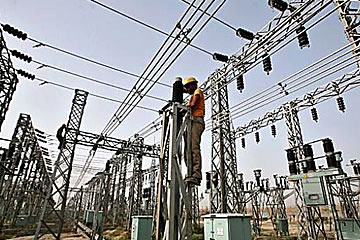
Power Sector Liquidity: FG Commits N702 Billion To Nbet To Meet Payment Obligations * Says it is part of its Economic Growth and Recovery Plan to take the nation out of recession * It is in recognition of the critical role that energy and access to electricity play in economic growth and poverty reduction – FG * Subsequent interventions to strengthen financial transparency and discipline, attain and sustain generation, transmission and distribution above 4,000 MWh/h, among others As a first step towards solving the debilitating liquidity problem in the Power Sector, the Federal Government is committing up to N702 Billion to the Nigerian Bulk Electricity Trading (NBET) to enable it meet its payment obligations to Generation Companies (GenCos) on a more regular basis to ensure delivery of electricity across the country The commitment under the “Payment Guarantee Support to NBET”, scheme takes retrospective effect from January, 2017 and would enable the government-owned NBET to pay its obligations to the GenCos and through them to their gas and equipment suppliers, banks and other partners. According to a Communiqué issued Friday by the Ministry of Power, Works and Housing, the Federal Government intervention, which represents a critical element of its Economic Growth and Recovery Plan, is part of the far-reaching steps taken by the Federal Executive Council (FEC) on Wednesday, March 1, 2017, to reset the electricity industry in view of “the critical role that energy and access to electricity play in economic growth and poverty reduction”. It is also to provide payment assurance to electricity generation companies, improve financial liquidity in the power and banking sectors and ensure the provision of electricity to households and businesses to boost economic growth, job and wealth creation, the Communiqué said. Recalling that the Commissioners of the Nigerian Electricity Regulatory Commission (NERC) was recently inaugurated to provide government with “the requisite legal and regulatory framework to implement its credible recovery programme,” the Communiqué said the steps, “conceived within a sequence of sector reforms”, represented Government’s commitment to enforcing decisions taken as a nation to move from a wholly Government-owned to private sector led electricity industry. “These steps, conceived within a sequence of sector reforms, confirm Government’s commitment to enforcing decisions taken as a nation to move from a vertically integrated Government owned statutory monopoly that did not serve our power needs, to a private sector led industry-with Government as guarantor, regulator and policy maker–that achieves the objective of developing a better and sustainable power sector as quickly as possible”, the Communiqué said. Assuring that Government, in collaboration with NERC, would continue to work with the DisCos to improve their payment performance from the current 24.9 per cent level, with the 100 per cent target, the Communiqué said subsequent complementary interventions would seek to strengthen financial transparency and discipline to ensure that all industry revenues were fairly distributed to all market participants and their suppliers according to contractual commitments. Subsequent interventions, the Communiqué also said, would seek to achieve and exceed the contracted and committed ATC&C loss targets and sustain aggregate collection efficiency above 60 per cent as well as secure adequate capitalization and liquidity to ensure that all market participants, particularly those upstream of the DisCos, were paid according to contracts and were adequately funded to sustain and expand their operations. Other objectives subsequent Government interventions would seek to achieve include attaining and sustaining generation, transmission and distribution above 4,000 MWh/h delivered to customers, from lowest cost base load GenCos by deploying and/or facilitating new generation using all available energy sources. Government will also seek to recover lost gas supply, add new gas supply, and complete transmission projects curtailing generation particularly in the eastern part of the national grid, the Communiqué said adding that through wider consultation, government would implement a simplified tariff methodology that would accurately reflect market realities, exchange rate realities, and the cost of producing and delivering electricity. Acknowledging, however, that the plans alone would not solve all the problems of the Power Sector, the Communiqué said they were, however, conceived “within a package of measures” to ensure that the electricity system continued on a steady trajectory of growth, better service delivery and a climate where investors who played by the rules set by NERC and deliver results that benefit the consuming public were compensated appropriately. It recalled that NERC licensed eleven distribution companies (DisCos) to distribute and sell electricity with the Private Sector owning 60 per cent while Government retained 40 per cent shares of the companies adding that Government also established NBET, 100 owned by it, to buy electricity in bulk from electricity generating companies (GenCos) licensed to produce electricity. “The intention was that while the DisCos take the time necessary to improve and expand their networks of substations and lines, enumerate and meter their customers, buy additional power directly from GenCos and provide better customer services, the existing and new GenCos could confidently make investments to expand generation with assurance that the bulk buyer would pay them for the electricity they deliver”, it further explained adding that Government retained ownership, for the time being, of the transmission system used to transmit the electricity from the GenCos to the DisCos. It said, however that the DisCos have not improved customer services at the pace Government and the country would expect and also were not paying fully for the electricity they received from the GenCos through NBET adding, however, that some of the reasons for the failure were not the fault of the DisCos alone. According to the Communiqué, “Regulatory and tariff inconsistencies of the past administration, unexpected changes in the foreign exchange market, and lower than expected generation due largely to pipeline vandalization for example, have challenged the DisCos’ ability to perform. But much of the failure relates to their inadequate financial and technical capacity and some sharp practices of the DisCos in their administration of collections from customers”. Explaining the reason for government intervention, the Communiqué said as a result of the aforementioned inadequacies, NBET’s monthly collection from the DisCos was not enough to pay NBET's contractual obligation to the GenCos resulting to huge government debts adding that in recent months the payment by the DisCos to NBET was as low as 17.0 per cent of NBET's invoice. “In January 2017, it was 24.9 per cent. The GenCos in turn do not pay their gas suppliers, equipment suppliers, banks and other partners what they are contractually bound to pay. The DisCos also do not pay TCN what is contractually due to it for transmitting the energy the DisCos sell to consumers”, it said adding that these had resulted in payment shortfalls with the accumulated debts increasingly threatening the electricity supply system and undermining the growth of the economy and the electricity sector. The Communiqué read in part, “In recognition of the critical role that energy and access to electricity plays in economic growth and poverty reduction, the Federal Government of Nigeria (FGN) as part of its Economic Growth and Recovery Plan, at its Federal Executive Council meeting of 1st March 2017 has taken far-reaching steps to reset the electricity industry”. “These steps, conceived within a sequence of sector reforms, confirm Government’s commitment to enforcing decisions taken as a nation to move from a vertically integrated Government owned statutory monopoly that did not serve our power needs, to a private sector led industry –with Government as guarantor, regulator and policy maker–that achieves the objective of developing a better and sustainable power sector as quickly as possible” ...
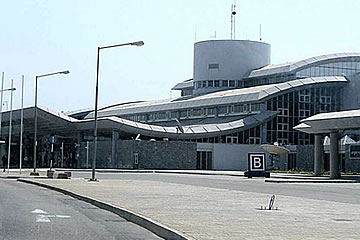
FG Assures Nigerians On Road Development The Minister of Power, Works and Housing, Babatunde Raji Fashola, has reiterated Federal Government commitment to road development nationwide. Fashola gave the assurance at a World Press Conference, on the closure of Abuja International Airport for the runway rehabilitation at Obasanjo Hall, Federal Secretariat, Phase II, Bullet House, Abuja. The Minister said though the contract for rehabilitation of Abuja-Kaduna road is on course, the Federal Government had to intervene with the emergency repairs of the road as a result of the closure of the Abuja International Airport runway which makes the Kaduna Airport an alternative. The conference was organized by the Federal Ministry of Information and Culture and in attendance were the Miniter of Information and Culture, Alhaji Lai Muhammed; Minister of Transport, Rotimi Amechi; Minister of Aviation, Alhaji Hadi Sariki; and Inspector-General of Police, Idris Ibrahim Kpotum. The Minister of Power, Works and Housing, was represented by the Director, Highways (Rehabilitation and Construction), Engr. Yemi Oguntominiyi. ...
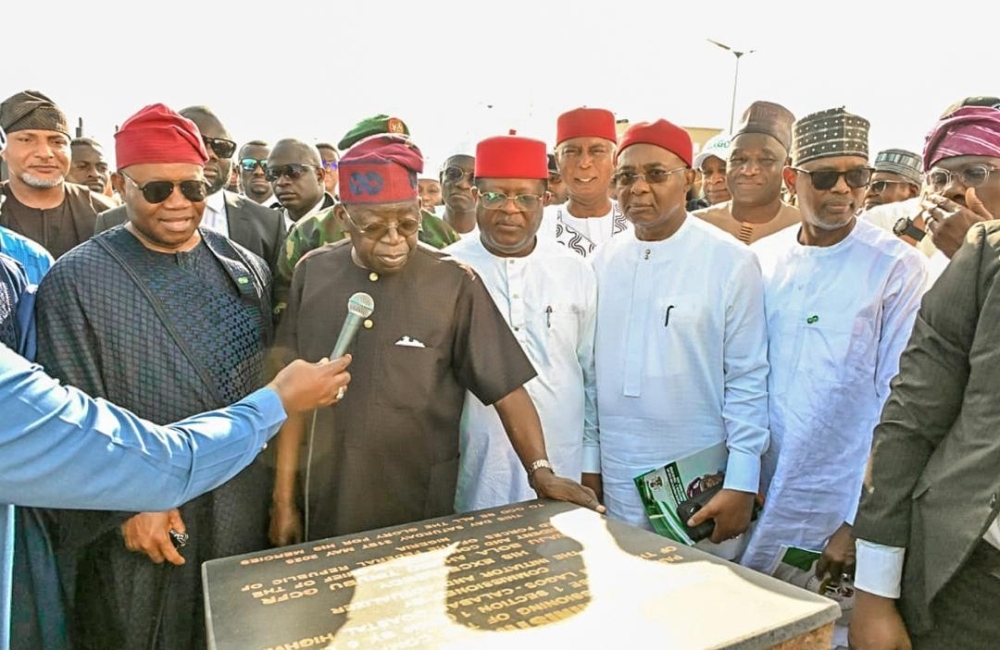
DRIVING NIGERIA’S FUTURE: CELEBRATING TWO YEARS OF TRANSFORMATIVE LEADERSHIP AND THE LAGOS-CALABAR COASTAL HIGHWAY MILESTONE
DRIVING NIGERIA’S FUTURE: CELEBRATING TWO YEARS OF TRANSFORMATIVE LEADERSHIP AND THE LAGOS-CALABAR COASTAL HIGHWAY MILESTONE
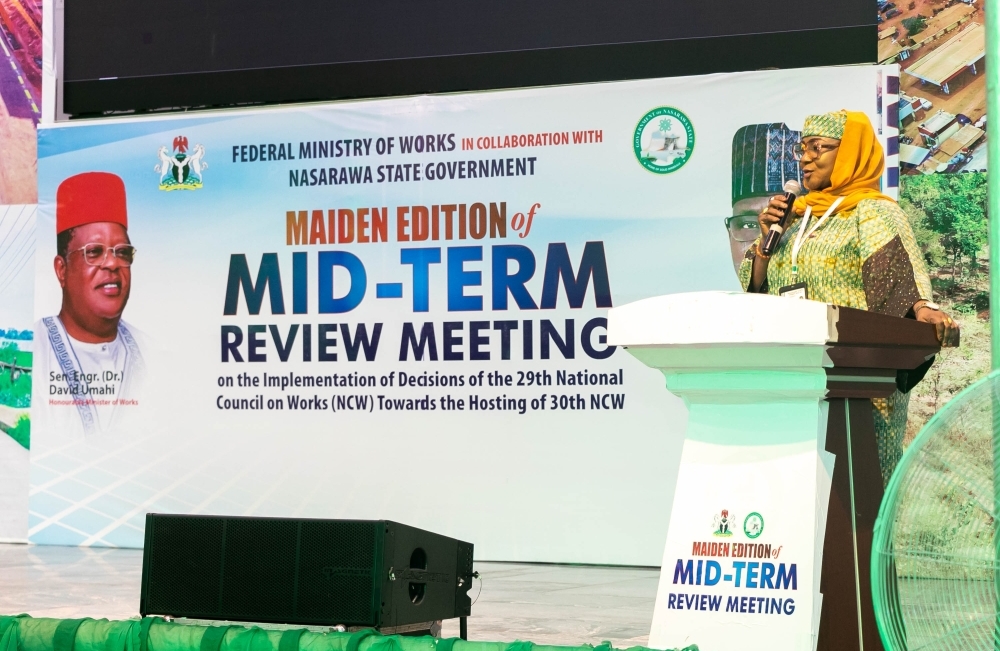
MID -TERM REVIEW MEETING ON THE IMPLIMENTATION OF THE DECISIONS REACHED AT THE 29TH NATIONAL COUNCIL ON WORKS (NCW) DAY 1
MID -TERM REVIEW MEETING ON THE IMPLIMENTATION OF THE DECISIONS REACHED AT THE 29TH NATIONAL COUNCIL ON WORKS (NCW) DAY 1