GORONYO COMMENDS SOKOTO GOVERNOR FOR DONATING 10 HILUX VEHICLES TO STRENGTHEN SECURITY ALONG SOKOTO–BADAGRY SUPERHIGHWAY
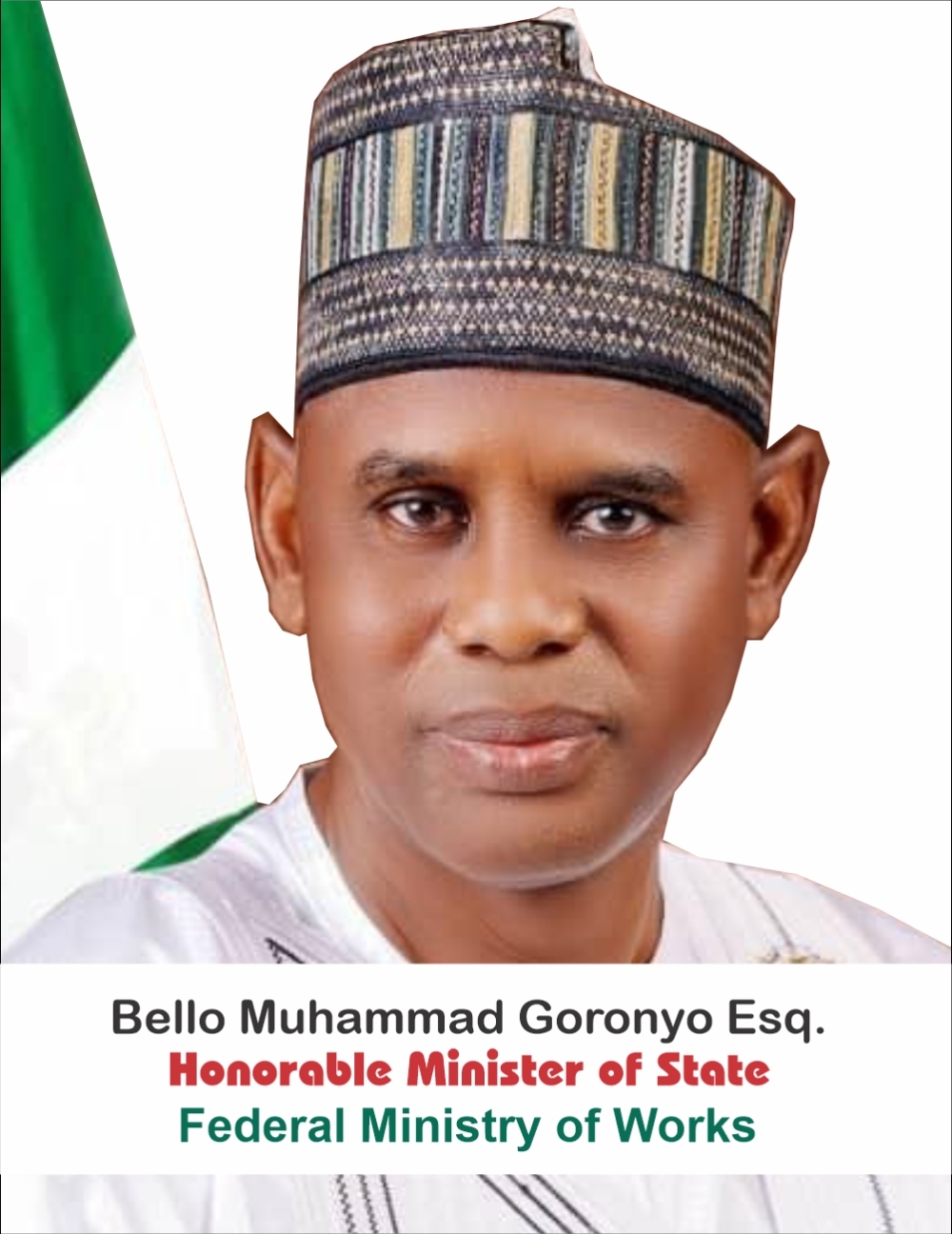
The Honourable Minister of State for Works, Rt. Hon. Bello Muhammad Goronyo, Esq., has commended the Governor of Sokoto State, Dr. Ahmed Aliyu Sokoto, PhD, for donating 10 operational Toyota Hilux vehicles to strengthen security operations along the Sokoto–Badagry Superhighway and other strategic infrastructure corridors.
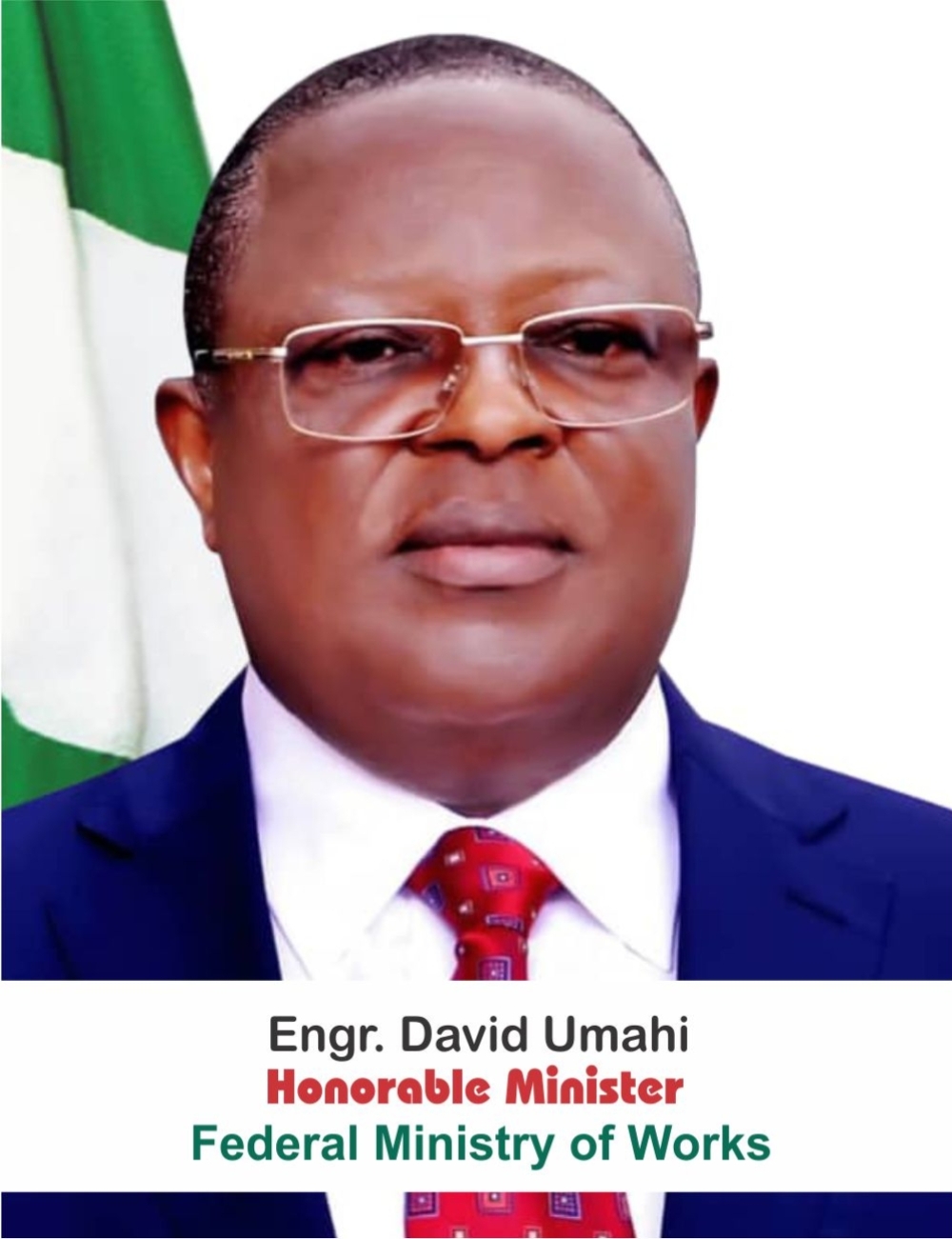
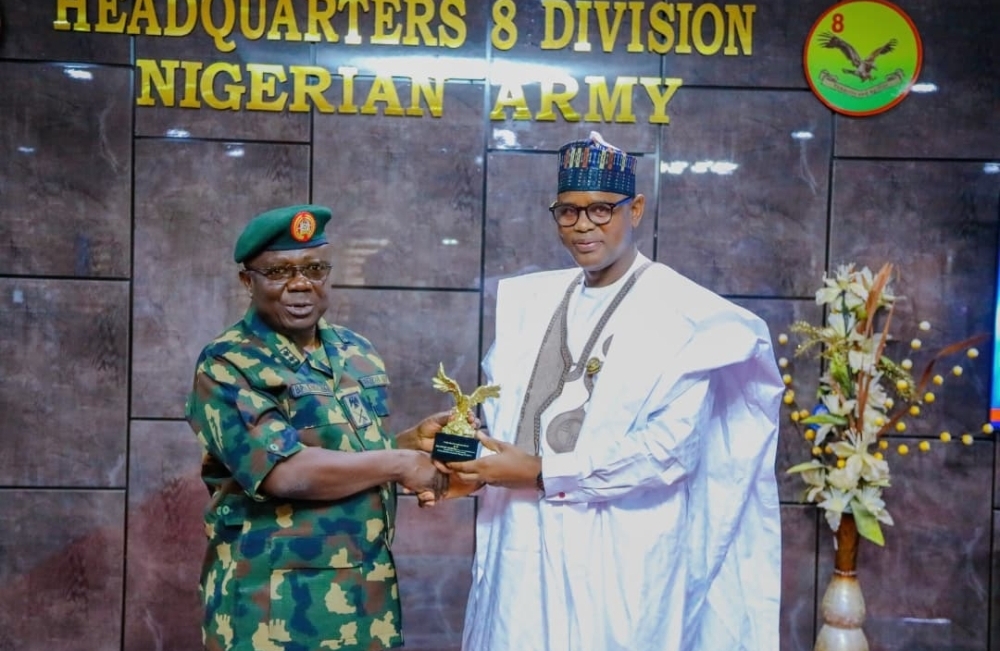
The vehicles were formally commissioned and handed over to the Nigerian Army at the Headquarters of the 8 Division, Nigerian Army, Sokoto, on Thursday, October 8, 2026, by the Honourable Minister of State for Works, on behalf of the Honourable Minister of Works, Engr. David Nweze Umahi, CON, FNSE.
The donation is expected to enhance the operational capacity of military personnel and other security agencies responsible for protecting construction workers, contractors, equipment and host communities along the highway corridor.
Speaking during the ceremony, Goronyo described the donation as a demonstration of the Sokoto State Government’s commitment to national development and the successful implementation of President Bola Ahmed Tinubu, GCFR’s Renewed Hope Agenda, particularly its landmark infrastructure projects.
The Minister emphasised that the Sokoto–Badagry Superhighway represents a long-standing national infrastructure vision that dates back several decades, with its conception traced to the era of former President Shehu Shagari in the 1970s. However, the vision remained unrealised for decades until the administration of President Bola Ahmed Tinubu, GCFR, initiated the construction of the 1,068-kilometre highway in October 2024.
He described the project as a significant step towards translating a historic aspiration into tangible infrastructure that will connect communities, expand economic opportunities and strengthen national integration.
According to Goronyo, President Tinubu’s commitment to the project demonstrates the Federal Government’s determination to bridge critical infrastructure gaps and improve connectivity between northern and southern Nigeria.
He noted that the superhighway, which traverses Sokoto, Kebbi, Niger, Kwara, Oyo, Ogun and Lagos states, is designed to facilitate the movement of people and goods, reduce transportation costs, stimulate trade, create employment and open up new economic opportunities along its route.
The Minister added that the highway would improve access to markets, schools, healthcare facilities and other essential services while supporting agriculture, commerce, industry and the development of communities across the corridor.
He stressed that the successful delivery of the project would require sustained commitment, effective coordination and cooperation among the Federal Government, state governments, security agencies, contractors and host communities.
Goronyo maintained that effective security remained essential to the timely and successful completion of the Sokoto–Badagry Superhighway. He explained that the provision of operational vehicles would strengthen the mobility and response capabilities of security personnel deployed to safeguard the project and its surrounding communities.
The Minister highlighted other strategic infrastructure projects being undertaken by the Federal Government, including the Lagos–Calabar Coastal Highway, the Calabar–Abuja/Trans-Saharan corridor, the Akwanga–Jos–Bauchi–Gombe corridor, the Abuja–Kaduna–Zaria–Kano route and the Zaria–Gusau–Sokoto corridor.
He explained that these projects form part of the Federal Government’s broader commitment to developing an integrated road network capable of supporting commerce, strengthening inter-state connections and accelerating national economic growth.
Rt. Hon. Goronyo further noted that the use of continuously reinforced concrete pavement on the Sokoto–Badagry Superhighway was intended to provide durable road infrastructure capable of serving Nigerians for decades. He added that complementary environmental and safety measures, including tree planting and solar-powered street lighting where provided for in the project, would contribute to environmental sustainability, visibility and road safety.
Goronyo commended the Nigerian Army and other security agencies for their resilience, professionalism and sacrifices in protecting lives, property and critical national infrastructure. He acknowledged the difficult conditions under which security personnel operate and urged them to remain steadfast in carrying out their constitutional responsibilities.
The Honourable Minister also expressed deep condolences to the Nigerian military over the reported loss of personnel in a bandit attack while on official duty the previous day. He described the loss as painful and extended his sympathy to the affected personnel, their colleagues and bereaved families, while praying for the peaceful repose of the departed and strength for their loved ones.
He further acknowledged the support of the National Security Adviser in addressing security challenges associated with the project, particularly through assistance and coordination aimed at strengthening security operations along the highway corridor.
Reaffirming his commitment to the Federal Government’s infrastructure development agenda, Goronyo said the Ministry of Works would continue to support the implementation of strategic projects under President Tinubu’s leadership, working in collaboration with relevant stakeholders to ensure their successful delivery.
He expressed optimism that the continued implementation of the Federal Government’s development programmes would bring lasting benefits to Nigerians, while acknowledging the complementary role of the Sokoto State Government in supporting infrastructure development and security.
In his remarks, the General Officer Commanding (GOC), 8 Division, Nigerian Army, Sokoto, Major General Bengba Paul Koughna, expressed appreciation to the Federal Government, the Federal Ministry of Works and the Sokoto State Government for the donation of the 10 Hilux vehicles.
The GOC noted that the vehicles would significantly enhance the operational mobility and response capabilities of troops deployed along the highway corridor, particularly across the approximately 440-kilometre section extending through Sokoto and Kebbi states.
He explained that troops conduct regular patrols and maintain multiple deployment points along the corridor, making the additional vehicles a valuable boost to their operational effectiveness.
He assured the Minister that the vehicles would be deployed appropriately to support security operations and protect construction workers, contractors, equipment and other stakeholders involved in the project.
The GOC also commended the representative of Hitech Construction Company, retired General Sa'ad Abubakar, for the company's involvement in the project.
The event was attended by retired Assistant Inspector-General of Police (AIG) Aliyu Garba, officials of the Federal Ministry of Works, representatives of the Sokoto State Government and other stakeholders.
The donation underscores the importance of sustained collaboration among the Federal Government, state governments, security agencies, contractors and host communities in addressing security challenges and ensuring the safe and timely delivery of strategic infrastructure projects.
The Federal Ministry of Works reiterates its commitment to working with all relevant stakeholders to protect national infrastructure and advance the objectives of President Bola Ahmed Tinubu, GCFR’s Renewed Hope Agenda for sustainable economic growth and development.

GORONYO COMMENDS SOKOTO GOVERNOR FOR DONATING 10 HILUX VEHICLES TO STRENGTHEN SECURITY ALONG SOKOTO–BADAGRY SUPERHIGHWAY The Honourable Minister of State for Works, Rt. Hon. Bello Muhammad Goronyo, Esq., has commended the Governor of Sokoto State, Dr. Ahmed Aliyu Sokoto, PhD, for donating 10 operational Toyota Hilux vehicles to strengthen security operations along the Sokoto–Badagry Superhighway and other strategic infrastructure corridors. The vehicles were formally commissioned and handed over to the Nigerian Army at the Headquarters of the 8 Division, Nigerian Army, Sokoto, on Thursday, October 8, 2026, by the Honourable Minister of State for Works, on behalf of the Honourable Minister of Works, Engr. David Nweze Umahi, CON, FNSE. Speaking during the ceremony, Goronyo described the donation as a demonstration of the Sokoto State Government’s commitment to national development and the successful implementation of President Bola Ahmed Tinubu, GCFR’s Renewed Hope Agenda, particularly its landmark infrastructure projects. The Minister emphasised that the Sokoto–Badagry Superhighway represents a long-standing national infrastructure vision that dates back several decades, with its conception traced to the era of former President Shehu Shagari in the 1970s. However, the vision remained unrealised for decades until the administration of President Bola Ahmed Tinubu, GCFR, initiated the construction of the 1,068-kilometre highway in October 2024. He described the project as a significant step towards translating a historic aspiration into tangible infrastructure that will connect communities, expand economic opportunities and strengthen national integration. According to Goronyo, President Tinubu’s commitment to the project demonstrates the Federal Government’s determination to bridge critical infrastructure gaps and improve connectivity between northern and southern Nigeria. The Minister added that the highway would improve access to markets, schools, healthcare facilities and other essential services while supporting agriculture, commerce, industry and the development of communities across the corridor. Goronyo maintained that effective security remained essential to the timely and successful completion of the Sokoto–Badagry Superhighway. He explained that the provision of operational vehicles would strengthen the mobility and response capabilities of security personnel deployed to safeguard the project and its surrounding communities. The Minister highlighted other strategic infrastructure projects being undertaken by the Federal Government, including the Lagos–Calabar Coastal Highway, the Calabar–Abuja/Trans-Saharan corridor, the Akwanga–Jos–Bauchi–Gombe corridor, the Abuja–Kaduna–Zaria–Kano route and the Zaria–Gusau–Sokoto corridor. Rt. Hon. Goronyo further noted that the use of continuously reinforced concrete pavement on the Sokoto–Badagry Superhighway was intended to provide durable road infrastructure capable of serving Nigerians for decades. He added that complementary environmental and safety measures, including tree planting and solar-powered street lighting where provided for in the project, would contribute to environmental sustainability, visibility and road safety. Goronyo commended the Nigerian Army and other security agencies for their resilience, professionalism and sacrifices in protecting lives, property and critical national infrastructure. He acknowledged the difficult conditions under which security personnel operate and urged them to remain steadfast in carrying out their constitutional responsibilities. The Honourable Minister also expressed deep condolences to the Nigerian military over the reported loss of personnel in a bandit attack while on official duty the previous day. He described the loss as painful and extended his sympathy to the affected personnel, their colleagues and bereaved families, while praying for the peaceful repose of the departed and strength for their loved ones. He further acknowledged the support of the National Security Adviser in addressing security challenges associated with the project, particularly through assistance and coordination aimed at strengthening security operations along the highway corridor. Reaffirming his commitment to the Federal Government’s infrastructure development agenda, Goronyo said the Ministry of Works would continue to support the implementation of strategic projects under President Tinubu’s leadership, working in collaboration with relevant stakeholders to ensure their successful delivery. He expressed optimism that the continued implementation of the Federal Government’s development programmes would bring lasting benefits to Nigerians, while acknowledging the complementary role of the Sokoto State Government in supporting infrastructure development and security. In his remarks, the General Officer Commanding (GOC), 8 Division, Nigerian Army, Sokoto, Major General Bengba Paul Koughna, expressed appreciation to the Federal Government, the Federal Ministry of Works and the Sokoto State Government for the donation of the 10 Hilux vehicles. The GOC noted that the vehicles would significantly enhance the operational mobility and response capabilities of troops deployed along the highway corridor, particularly across the approximately 440-kilometre section extending through Sokoto and Kebbi states. He explained that troops conduct regular patrols and maintain multiple deployment points along the corridor, making the additional vehicles a valuable boost to their operational effectiveness. He assured the Minister that the vehicles would be deployed appropriately to support security operations and protect construction workers, contractors, equipment and other stakeholders involved in the project. The GOC also commended the representative of Hitech Construction Company, retired General Sa'ad Abubakar, for the company's involvement in the project. The event was attended by retired Assistant Inspector-General of Police (AIG) Aliyu Garba, officials of the Federal Ministry of Works, representatives of the Sokoto State Government and other stakeholders. The Federal Ministry of Works reiterates its commitment to working with all relevant stakeholders to protect national infrastructure and advance the objectives of President Bola Ahmed Tinubu, GCFR’s Renewed Hope Agenda for sustainable economic growth and development.
The donation is expected to enhance the operational capacity of military personnel and other security agencies responsible for protecting construction workers, contractors, equipment and host communities along the highway corridor.
He noted that the superhighway, which traverses Sokoto, Kebbi, Niger, Kwara, Oyo, Ogun and Lagos states, is designed to facilitate the movement of people and goods, reduce transportation costs, stimulate trade, create employment and open up new economic opportunities along its route.
He stressed that the successful delivery of the project would require sustained commitment, effective coordination and cooperation among the Federal Government, state governments, security agencies, contractors and host communities.
He explained that these projects form part of the Federal Government’s broader commitment to developing an integrated road network capable of supporting commerce, strengthening inter-state connections and accelerating national economic growth.
The donation underscores the importance of sustained collaboration among the Federal Government, state governments, security agencies, contractors and host communities in addressing security challenges and ensuring the safe and timely delivery of strategic infrastructure projects.
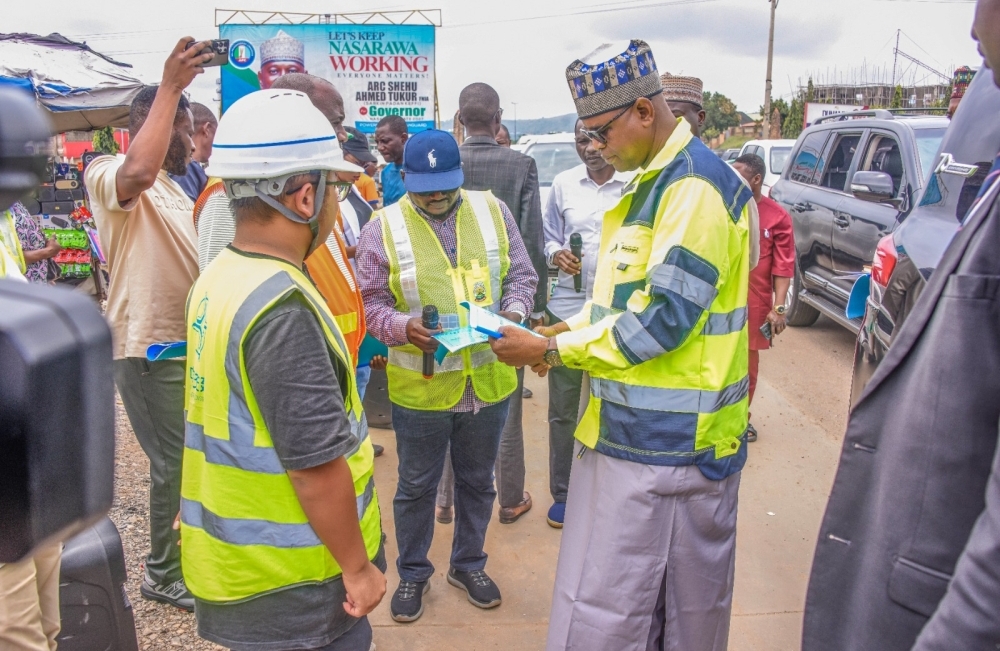
Minister Inspects Ongoing Reconstruction and Expansion of Mararaba-Keffi Road (43.65km) Under Tax Credit Scheme. The Honourable Minister of State for Works, Rt. Hon. Muhammad Bello Goronyo, Esq., on Thursday, 2nd October 2025, conducted a site inspection of the ongoing reconstruction and expansion works on the 43.65-kilometre Mararaba-Keffi Road. The project, a critical infrastructure upgrade under the Road Infrastructure Development and Refurbishment Investment Tax Credit Scheme, is being executed by China Harbour Engineering Company Nigeria Limited. The Minister, during the inspection, expressed serious concern over the pace of work and the persistent traffic congestion along the corridor, which serves as a vital link between the Federal Capital Territory and Nasarawa State. He noted that the daily gridlock severely affects thousands of commuters, particularly civil servants residing along the axis, many of whom struggle to arrive at work on time. Rt. Hon. Goronyo emphasized the urgency of expediting the construction timeline, reminding the contractor that the Federal Government had granted permission for night-time construction activities to ensure faster delivery and to mitigate the hardship faced by road users. "This project is of national importance. The volume of traffic here is massive, and many public servants are suffering. The government is fully supportive of this project, but the contractor must rise to the occasion. You have approval to work at night — please utilise it to meet the delivery schedule," the Minister stated. In response, Mr. Dong Hong, the Project Manager representing China Harbour Engineering Company Nigeria Limited, assured the Minister and the Nigerian public that the project remains on track and will be completed within the agreed timeline. "We understand the importance of this road and the urgency to ease traffic for the people. Our team is fully mobilised, and we are committed to delivering quality work on time," said Mr. Hong. The Mararaba-Keffi Road project forms part of the Federal Government’s efforts to address critical infrastructure needs through innovative financing mechanisms such as the Tax Credit Scheme, which allows private sector partners to invest in public road projects in exchange for tax reliefs. The Federal Ministry of Works remains committed to ensuring that all ongoing infrastructure projects are delivered efficiently, timely, and to the highest standards, in line with President Bola Ahmed Tinubu’s Renewed Hope Agenda. Mohammed Abdullahi Ahmed. Director, Press and Public Relations Department. Federal Ministry of Works. ...
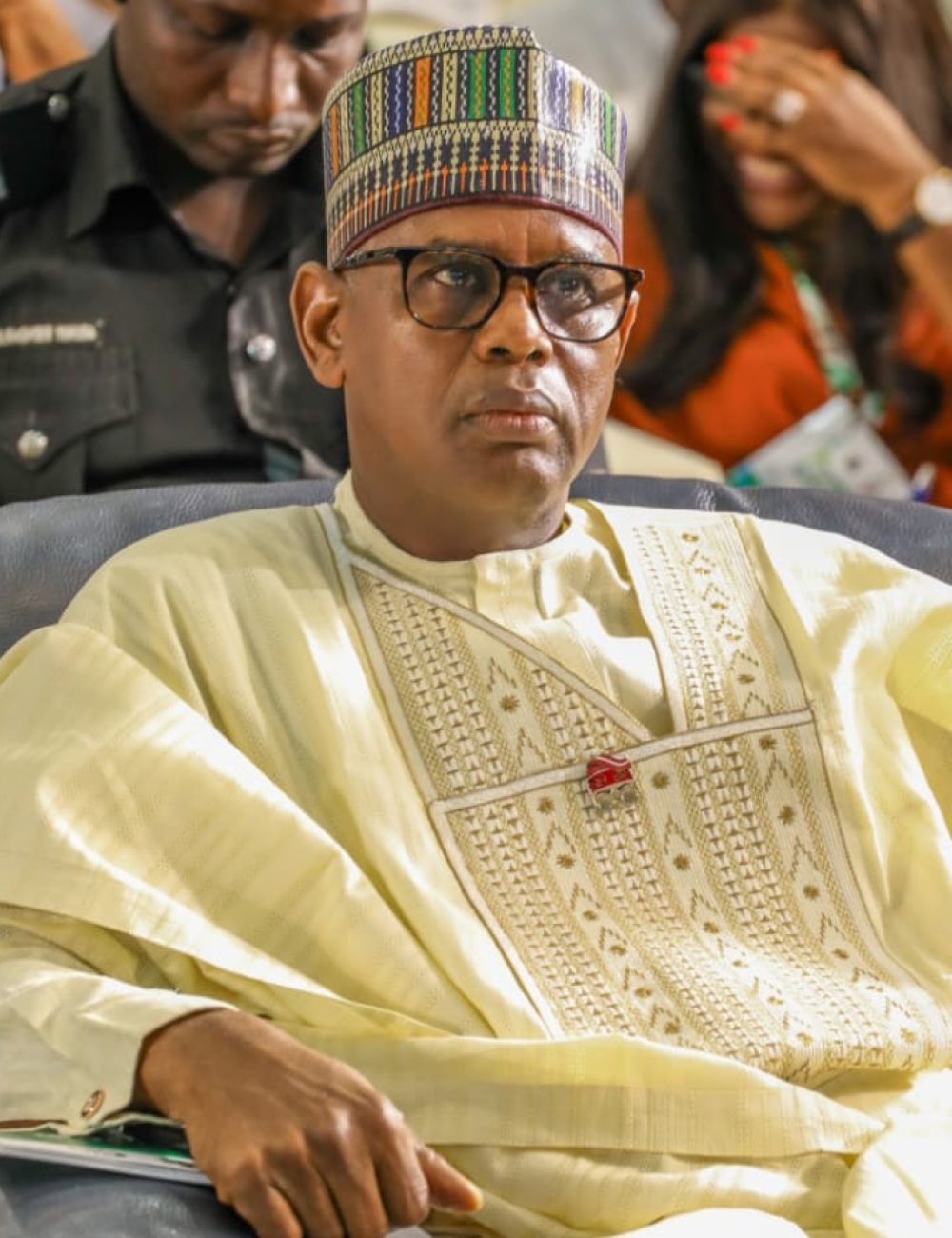
Independence Day: Goronyo Hails Tinubu, Urges Nigerians to Renew Patriotism As Nigeria marks another year of its independence, the Honourable Minister of State for Works, Rt. Hon. Bello Muhammad Goronyo, Esq., has extended warm felicitations to His Excellency, the President of the Federal Republic of Nigeria, Asiwaju Bola Ahmed Tinubu, GCFR, and to all Nigerians at home and abroad. In his Independence Day message, the Minister emphasized that the celebration is not only a tribute to the sacrifices of Nigeria’s founding fathers but also a reminder of the unity, resilience, and indomitable spirit of the Nigerian people. “Independence is a call to renew our shared responsibility in building a stronger, more prosperous, and peaceful nation for generations to come,” the Minister stated. He further urged both leaders and citizens to embrace patriotism and dedication in order to ensure that Nigeria continues to stand tall among the comity of nations. “May this anniversary inspire us all to work together with renewed hope and commitment towards the growth and greatness of our dear country,” he added. The Minister concluded by wishing Nigerians a joyous celebration, declaring: “Happy Independence Day, Nigeria! Long live Mr. President." Long live the Federal Republic of Nigeria.” Abdullahi Ameen Mohammed. For: S A (Media) to the Honourable Minister of State for Works 1st October, 2025 ...
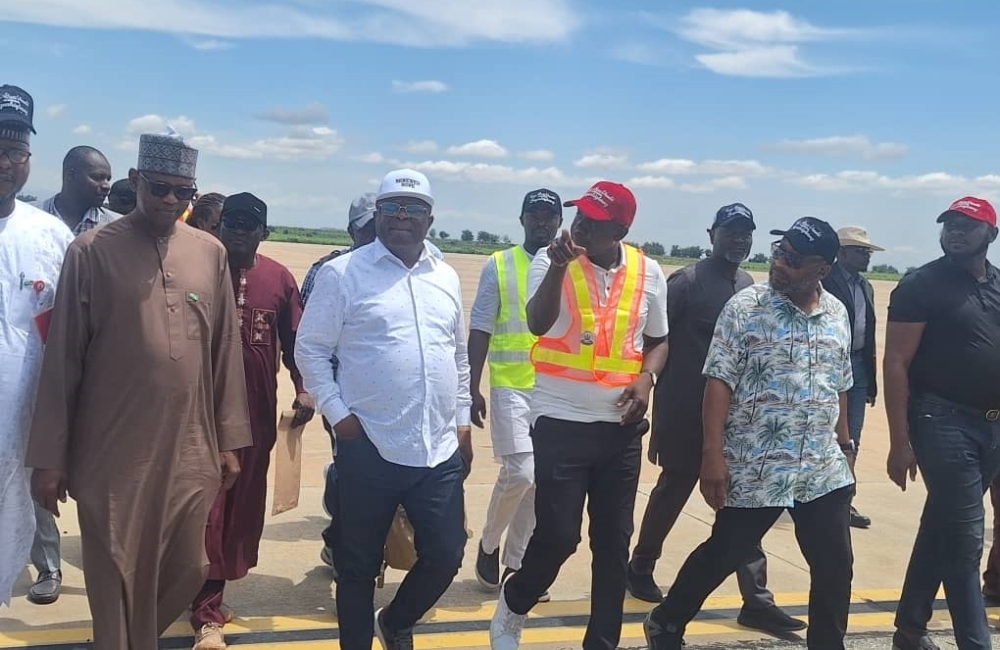
Goronyo Inspects Sokoto–Badagry Superhighway, Commends Progress, Calls for Communities’ Support The Honourable Minister of State for Works, Rt. Hon. Muhammad Bello Goronyo, Esq., on Thursday, September 11, 2025, undertook an inspection tour of the Sokoto section of the ongoing Sokoto–Badagry Superhighway project, a flagship initiative of the Federal Government under the Renewed Hope Agenda of President Bola Ahmed Tinubu, GCFR. The inspection covered strategic communities including Silame, Katame, Gade, and Binji in Sokoto State, where massive construction activities are currently ongoing. The visit provided the Minister with firsthand insight into the pace, quality, and challenges of the project. During the tour, Hon. Goronyo expressed satisfaction with the progress of works recorded so far, commending the contractors, Hitech Construction Limited, for their dedication, efficiency, and adherence to international construction standards. Reaffirming the Federal Government’s commitment, the Minister stressed that the 1,068-kilometer Sokoto–Badagry Superhighway is not just a road project but a transformational national infrastructure that will redefine Nigeria’s socio-economic landscape. He explained that the superhighway is designed to: Enhance regional integration and open up trade routes between the North and Southern parts of the country; Boost economic activities by facilitating seamless movement of goods, services, and people; Provide thousands of direct and indirect jobs, thereby tackling unemployment and poverty; Improve security and connectivity across states, enabling safer and faster travel for Nigerians. The Minister further expressed gratitude to security agencies for their continued vigilance in providing safety for contractors and workers on site. He also commended host communities for their cooperation, urging them to strengthen their support and take full ownership of the project. According to him, “This superhighway is not just for today; it is an investment in the future of our children and generations to come. Its completion will transform livelihoods, open new economic opportunities, and position Sokoto as a strategic hub for national and regional trade.” As part of his inspection itinerary, Barr. Goronyo proceeded to Kebbi State, where he joined the Honourable Minister of Works, Senator Engr. David Umahi, CON, in a joint assessment of the project corridor. He lauded the leadership and dedication of the Honourable Minister, describing his oversight role as pivotal to ensuring quality delivery and timely completion of one of Nigeria’s most ambitious road projects. The Federal Ministry of Works, through the leadership of Senator David Umahi and Hon. Muhammad Bello Goronyo, Esq., reassures Nigerians of its unwavering resolve to deliver durable, modern, and world-class infrastructure that will unlock the country’s full economic potential, strengthen national unity, and enhance the quality of life for all citizens. ...
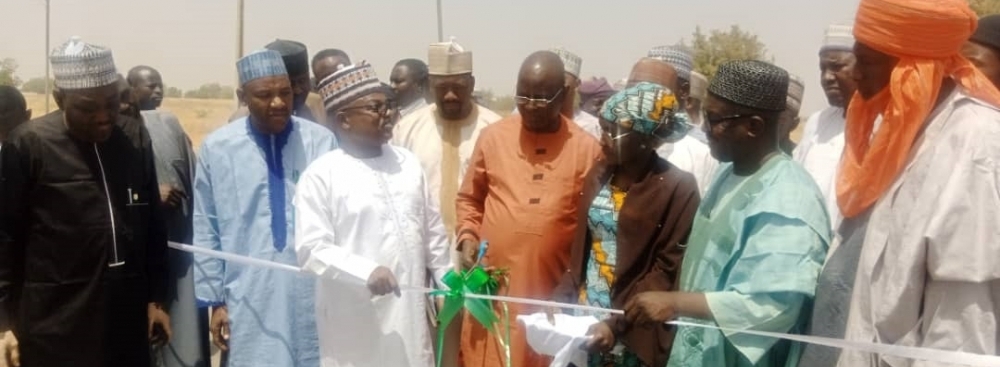
FG Completes, Hands Over 1km Road to Fedpoly Kazaure
The fast moving train in the Season of Completion and Impact involving the commissioning of projects under the Federal Ministry of Works and Housing moved to Jigawa State, North Western Nigeria, Thursday, February 24th, 2022.
Hussaini Adamu Federal Polytechnic, Kazaure in Jigawa State was the beneficiary this time around. And the project commissioned and handed over consisted of four link roads totalling one kilometer length rehabilitated with asphalt overlay in the institution by the Federal Ministry of Works and Housing.
The four link roads were: Road A linking four classrooms and three lecture halls; Road B linking the three halls with the 500-seater lecture theatre; Road C linking the 500-seater theatre with students’ hostel; while Road D connect the students hostel and the accommodation tower.
In his address, the Minister of Works and Housing, Mr. Babatunde Fashola, SAN, represented by the Federal Controller of Works in Jigawa State, Engr. Atewolara Oladele Gabriel said that the Ministry was working on 76 road projects in selected Federal Tertiary Institutions across the nation.
"We have successfully intervened in the internal road networks of 46 Tertiary Institutions and handed over 29 as at 2021 and we now have another 17 ready to be handed over while we are currently attending to 30 roads in similar institutions across the country making a total of 76", he said.
The Minister explained that the quality of infrastructure in the tertiary institutions would improve the learning environment, and impact positively on the quality of education, pointing out that the feedbacks from the students of the schools where this type of intervention had taken place testified to it.
"The summary of all the feedbacks from students and Management staff of the institutions has demonstrated that the gap of the nation's infrastructure needs is steadily being bridged by a gradual process of repairs and construction on the major highways and schools," he said.
Accordingly, the Minister stated that the construction of the internal roads in the tertiary institutions by Federal Government was a pointer to the progressive ideals of the Buhari administration in improving the human condition by supporting education.
In his response, the Rector of the Polytechnic, Dr. Sabo Wada Dutse, expressed happiness and excitement at the intervention, which he described as significant to the development of the Polytechnic.
The Rector stated that, with the road intervention, the Polytechnic community was now living at peace with no fears of reptiles which the area was prone to before the intervention.
He, however, solicited further intervention by the Federal government in areas like street and security lights and construction of sports complex in the Polytechnic whenever the opportunity arises.
Chairman Academic Staff Union of Polytechnics, Federal Polytechnic Kazaure Chapter, Dr. Abdul'azeez Ibrahim Badaru, expressed appreciation to the Minister for including the Polytechnic in the Tertiary Schools Road Intervention Scheme.
He said ", this will ease the stress of both staff and students. The access roads will enhance the environment and improve teaching and learning”. He also thanked the immediate past Permanent Secretary of the Ministry, Alh. Babangida Hussain, for what he has done for the Fedpoly Kazaure
" I want to appeal to the Honourable Minister to please include Federal Polytechnic Kazaure in the Housing scheme of the Ministry as the houses in the school are very few and very old, built by the Jigawa State Government before the conversion of the Polytechnic to a federal institution”, Dr Badaru added
Accordingly, he said the gesture would alleviate the suffering of the staff, who mostly come from Kano and other distant places, adding that it would also boost morale and performance, suggesting that the Ministry should construct at least 100 units of houses.
The President of the Students Union Government, Fedpoly Kazaure, comrade Adamu Sani Yarima, expressed profound gratitude to the Federal government and the Ministry of Works and Housing under the watch of Mr. Babatunde Fashola for supporting the Institution with the roads.
Comrade Yarima, also requested for more interventions especially in recreational facilities such as sports complex in the polytechnic.
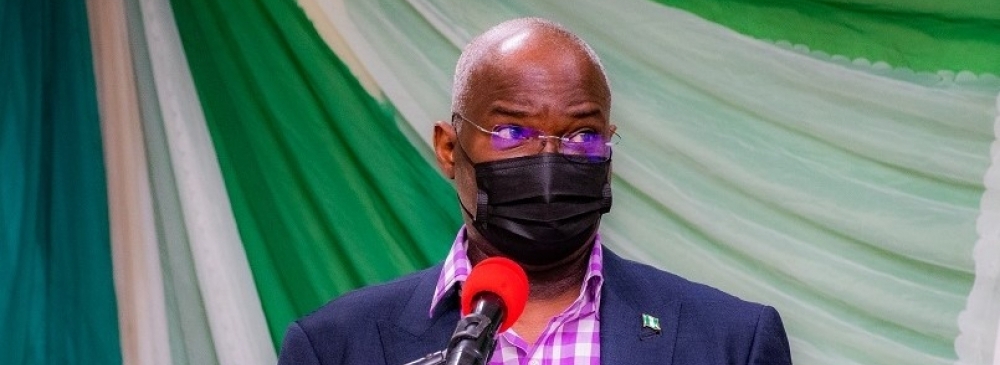
BEING THE TEXT OF H.E BABATUNDE RAJI FASHOLA, SAN AT THE 27TH MEETING OF THE NATIONAL COUNCIL ON WORKS AND HOUSING HELD AT THE COMMAND GUEST HOUSE, BAUCHI, BAUCHI STATE ON THURSDAY, 23RD SEPTEMBER, 2021
It is a very exciting homecoming for me to return to Bauchi State, named after the ancient and historic Emirate of Bauchi, the home of the Yankari Game Reserve, a great gift of nature to Nigeria.
But Bauchi is not just home to Yankari, it is home to some very great and inimitable patriots who have served our country.
Perhaps Bauchi’s most famous son is Abubakar Tafewa Balewa, but Bauchi also gave Nigeria the Katagums, the Giades, the Toros, the Ahmeds, the Yugudas and so many other illustrious sons and daughters who have dedicated their lives to the service of our nation.
Of course we could not have this event here today without the support and commitment of another Bauchi son, who has followed the path of his illustrious predecessors in public service.
I speak of none other than our chief host HE Sen. Bala Abdulkadir Mohammed, former Minister of the Federal Capital and now Governor of Bauchi State.
Your Excellency, I bring to you and the people of Bauchi the goodwill of the Federal Government and the best wishes of President Muhammadu Buhari and thank you for accepting to host this National Council.
Distinguished Ladies and Gentlemen, the theme chosen for this year‘s council is “Infrastructure delivery, The Maintenance Economy and National Prosperity” and I hope it would help all of us focus on, not just the importance of the investment in infrastructure, but more importantly on the maintenance of infrastructure, the economy around maintenance and sustainable and long lasting jobs that are created through maintenance.
Since the implementation of the Marshall plan in 1948, after the Second World War, it has become clear to any serious minded economist or politician that infrastructure provision is critical to development, growth, wealth creation, employment and prosperity.
I have said and I will repeat it here, that infrastructure investment is the most legitimate way to distribute wealth in any economy.
This is why it is not surprising that during campaigns for elections and after elections, you will find discussions not only centering around roads, bridges, rails, schools, hospitals, water supply and power supply to be provided, you will also find that in the inauguration speech of every President, Prime Minister, Governor and other elected public officers, time is dedicated to addressing the provision of infrastructure.
I am sure our host will recall that he made similar commitments in his inauguration speech on May 29, 2019:
“…at the core of this mandate is the crucial drive to give Bauchi State citizens a better prospect and greater opportunity for a prosperous life. Reducing poverty and empowering our citizens in the areas of Agriculture, Education, urban and rural infrastructure among others.”
The reason for this is not far-fetched. The nations that are richer than us have more infrastructure than us and in order to bridge this gap we have to invest; because no nation or community can grow bigger than the stock of infrastructure.
Infrastructure also helps to make people efficient, it creates competition and leads to productivity. Currently the Federal Government is executing 895 contracts in 795 projects spanning over 13,000 km of roads and bridges nationwide.
Across all of these, engineers, geologists, surveyors, lawyers, bankers, suppliers, artisans and laborers are involved in an ecosystem of enterprise from which they earn a daily, weekly or other periodic income.
But that is only part of the story, the employment. The other parts include improved asset value, because everywhere a new road or bridge is built, the land value appreciates by up to 30% creating enormous capital gain.
On the completed sections of the roads, journeys that used to take days now take only a few hours, journeys that took hours are now reduced to minutes; and if it is true that time is money, clearly reduced journey times currently being delivered across Nigerian roads is money either through savings on journeys and fuel cost, or utilization of time saved for other productive activities, not to mention the Health benefits attributable to shorter travel time and reduced stress.
So when President Buhari committed on June 12, 2019 to taking 100 million people out of poverty in 10 years, his vision was not a Federal Government vision but a national one, which has started with the work being undertaken in all states and FCT and to which the Federal Government is contributing through infrastructure.
In the pursuit of this National vision, I urge all of us to embrace the more wholistic view and definition of poverty as not only the number of jobs, or amount of cash, but also well-being, efficiency and the lack of access.
For example if a one-hour journey takes six hours even in the best car, or land value is stagnant because it lacks an access road, the reversal of these situations by improved journey time or provision of access roads are steps towards prosperity.
Similarly, all those employed in the process of building the roads, surveyors, contractors, engineers, bankers, artisans, suppliers and lawyers have certainly been impacted on the income side.
Regrettably we cannot build forever and so when the infrastructure project is completed, most of those employed in the building must leave the site to look for new opportunities.
This is the heart of the matter and this is the message that the theme of this council seeks to focus on. What should we do in addition to building infrastructure, in order to keep the jobs on.
The answer, Ladies and Gentlemen is simple. We must maintain the infrastructure we built.
This is important for many reasons, the first of which is that we preserve the life of the infrastructure and get the best value for the money we spent on it.
The second reason is that a maintenance economy is a critical contributor and driver of GDP in many economies around the world.
You will notice that I have spoken about a “maintenance economy” not a “maintenance culture.” This is because maintenance is not a cultural thing, it is an existential matter of survival, bread and butter and income.
Available data shows that in the “built industry” only about 30% of the manpower is employable by design and construction which lasts until the project is completed; while the remaining 70% are employed in the process of “operation” and “maintenance” of the infrastructure.
These are the reasons why the development of a maintenance economy must commend itself to all of us here and why we must all return home not only to think about it, but to do something about it.
The question is what needs to be done? My answer is that we must develop policies to stimulate the economy of maintenance.
All that we need to do is take a look at the state of existing infrastructure, and we are likely to see bridges with damaged expansion joints and bearings, buildings with broken windows and leaking pipes, doors that do not lock properly, toilets that do not work well and so much more.
If we reflect on what we see, we will realize that these are jobs for plumbers, carpenters, printers, foundry workers and many more skilled and unskilled people in our country and it is our responsibility to connect these people to the opportunities that infrastructure in disrepair represents for sustainable employment.
The Federal Government has already initiated such a policy in 2019, and we are now at implementation stage.
This has seen the Head of the Federal Civil Service approve the creation of the Department for Federal Public Asset Maintenance.
The next step is for each Ministry Department and Agency (MDA) of government to set up their own units for maintenance, undertake a condition assessment of their infrastructure, develop a maintenance plan, and implement the procurement for annual periodic and scheduled maintenance.
You might want to ask what this will do? My answer is that it will immediately begin to create jobs.
From the first stage of condition assessment, people are employed to inspect, assess, measure, document, photograph and do many things in the process of ascertaining what the infrastructure needs.
In 9 (nine) facilities that we assessed the conditions of fittings such as fans, air conditioners, light fittings, toilets and wash hand basin, we found that out of 41,800 installations 12,459 representing 29.8% were not functioning. These are people’s jobs to repair, supply, replace and install as the case may be.
The development of the maintenance plan and the procurement plan leading to invitation to tender and award of maintenance contracts for rehabilitation and facility management is a sure pathway to job creation.
Currently we are undertaking maintenance works on 41 (Forty-One) bridges that has employed 1,157 people directly and created 3,309 indirect jobs and we have facility management contracts for 25 federal secretariats across Nigeria after we completed renovation works. Each facility manager employs at least 40 people.
This is only a tip of the iceberg because the supply side that supports maintenance involves the purchase and supply of paint, bleach, rakes, brooms and other tools which create employment for small and medium size enterprises which is another activity of economic empowerment.
When we started the office of Facility Management in Lagos State, I recall one day when we awarded contracts for the facility management of 600 schools. This was employment not only for 600 small contractors but also for the people that were employed to do the job.
Ladies and Gentlemen, when we see functional and efficient public assets in other parts of the world there is no secret to it. It is evidence of a maintenance economy led by government.
Our federal maintenance initiative has assessed schools, courts, hospitals, correctional facilities and police buildings and is getting ready to commence work on them. I commend the same to you in your states if you want to create sustainable jobs.
Thank you for listening.
Babatunde Raji Fashola SAN
Honourable Minister of Works and Housing
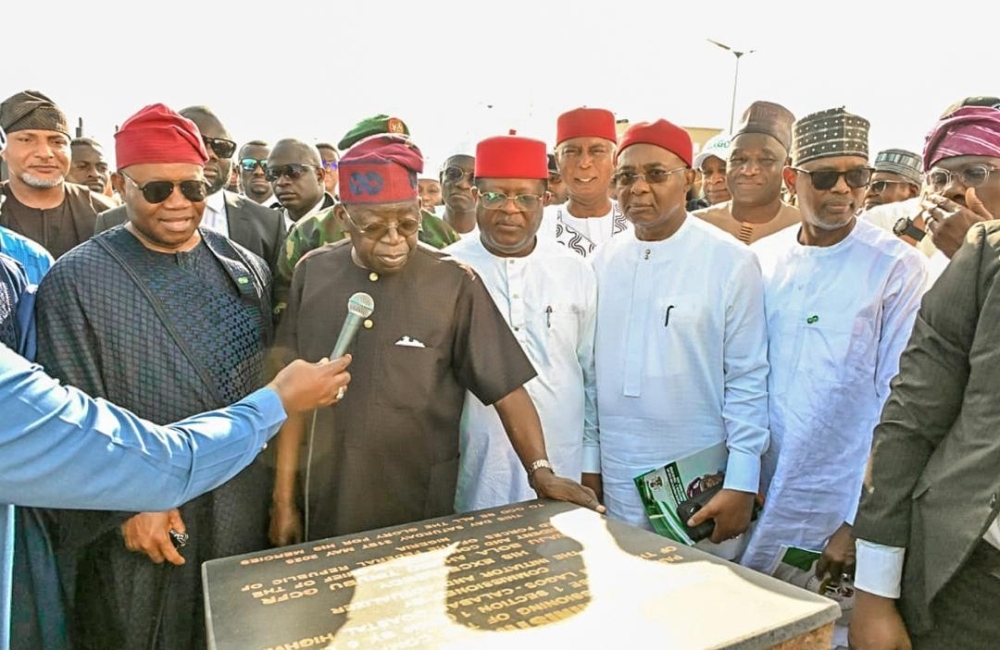
DRIVING NIGERIA’S FUTURE: CELEBRATING TWO YEARS OF TRANSFORMATIVE LEADERSHIP AND THE LAGOS-CALABAR COASTAL HIGHWAY MILESTONE
DRIVING NIGERIA’S FUTURE: CELEBRATING TWO YEARS OF TRANSFORMATIVE LEADERSHIP AND THE LAGOS-CALABAR COASTAL HIGHWAY MILESTONE
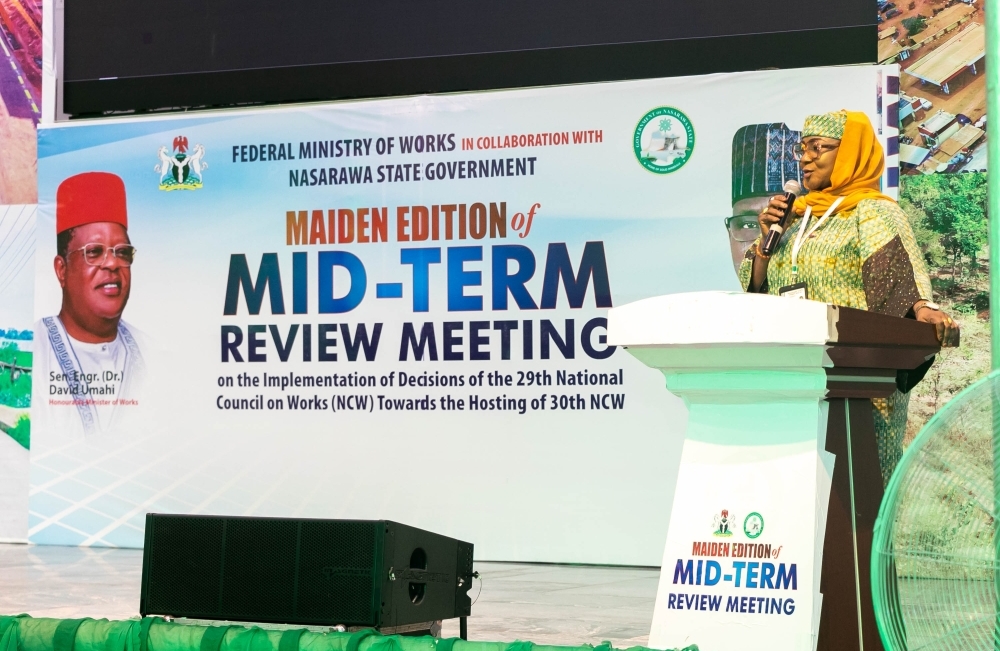
MID -TERM REVIEW MEETING ON THE IMPLIMENTATION OF THE DECISIONS REACHED AT THE 29TH NATIONAL COUNCIL ON WORKS (NCW) DAY 1
MID -TERM REVIEW MEETING ON THE IMPLIMENTATION OF THE DECISIONS REACHED AT THE 29TH NATIONAL COUNCIL ON WORKS (NCW) DAY 1