Downloads

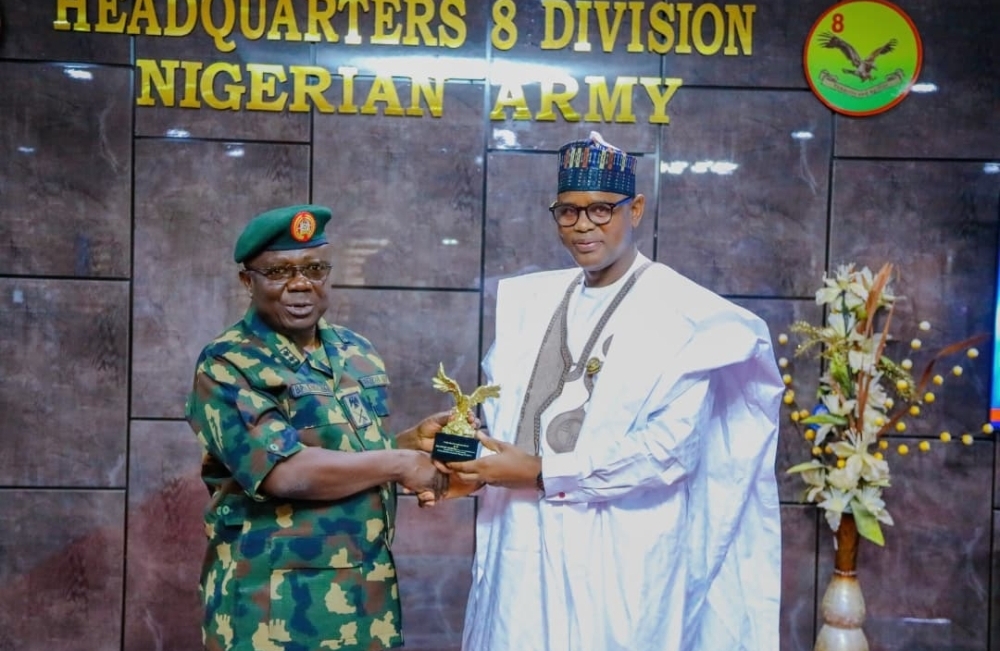
GORONYO COMMENDS SOKOTO GOVERNOR FOR DONATING 10 HILUX VEHICLES TO STRENGTHEN SECURITY ALONG SOKOTO–BADAGRY SUPERHIGHWAY
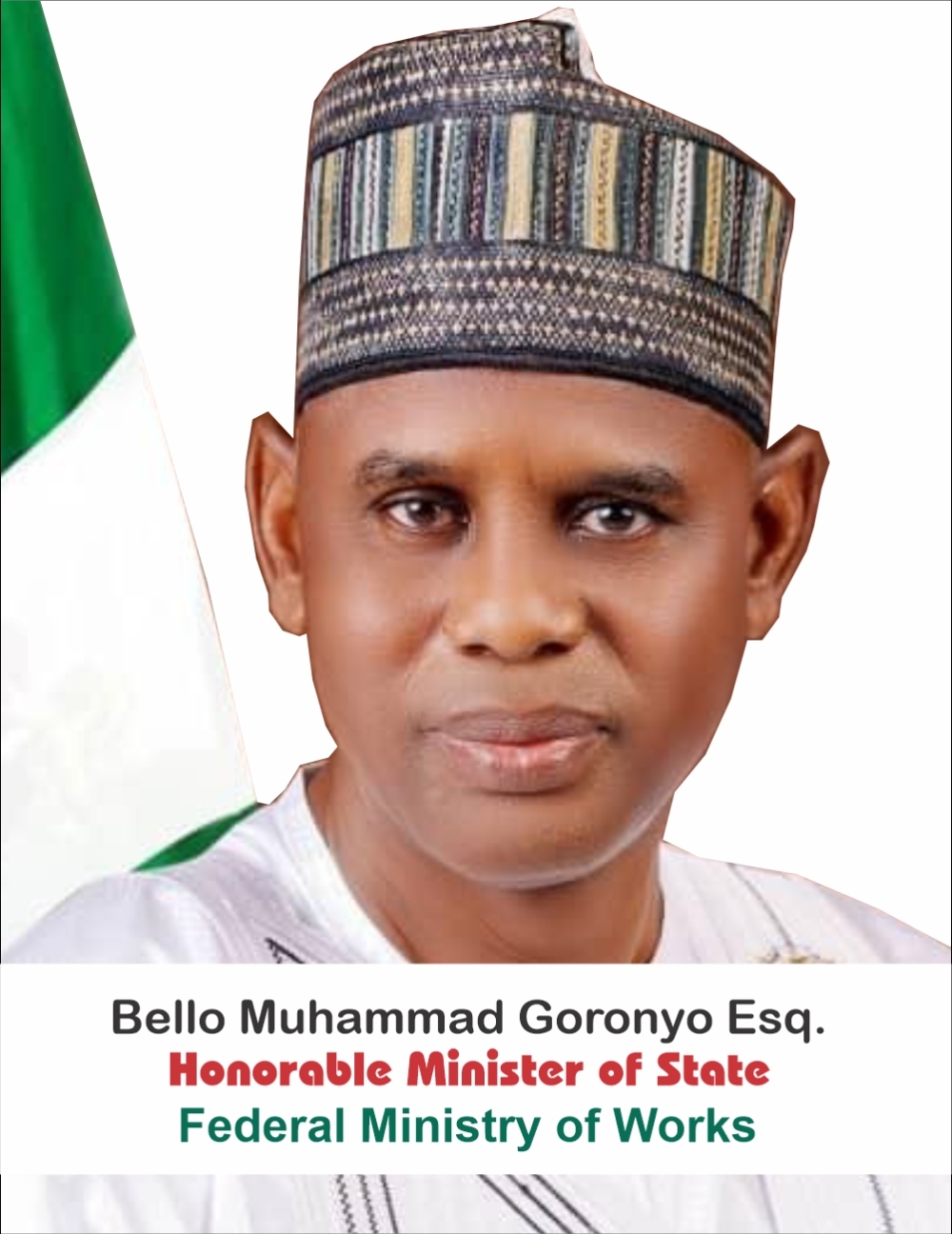
The Honourable Minister of State for Works, Rt. Hon. Bello Muhammad Goronyo, Esq., has commended the Governor of Sokoto State, Dr. Ahmed Aliyu Sokoto, PhD, for donating 10 operational Toyota Hilux vehicles to strengthen security operations along the Sokoto–Badagry Superhighway and other strategic infrastructure corridors.
The vehicles were formally commissioned and handed over to the Nigerian Army at the Headquarters of the 8 Division, Nigerian Army, Sokoto, on Thursday, October 8, 2026, by the Honourable Minister of State for Works, on behalf of the Honourable Minister of Works, Engr. David Nweze Umahi, CON, FNSE.
The donation is expected to enhance the operational capacity of military personnel and other security agencies responsible for protecting construction workers, contractors, equipment and host communities along the highway corridor.
Speaking during the ceremony, Goronyo described the donation as a demonstration of the Sokoto State Government’s commitment to national development and the successful implementation of President Bola Ahmed Tinubu, GCFR’s Renewed Hope Agenda, particularly its landmark infrastructure projects.
The Minister emphasised that the Sokoto–Badagry Superhighway represents a long-standing national infrastructure vision that dates back several decades, with its conception traced to the era of former President Shehu Shagari in the 1970s. However, the vision remained unrealised for decades until the administration of President Bola Ahmed Tinubu, GCFR, initiated the construction of the 1,068-kilometre highway in October 2024.
He described the project as a significant step towards translating a historic aspiration into tangible infrastructure that will connect communities, expand economic opportunities and strengthen national integration.
According to Goronyo, President Tinubu’s commitment to the project demonstrates the Federal Government’s determination to bridge critical infrastructure gaps and improve connectivity between northern and southern Nigeria.
He noted that the superhighway, which traverses Sokoto, Kebbi, Niger, Kwara, Oyo, Ogun and Lagos states, is designed to facilitate the movement of people and goods, reduce transportation costs, stimulate trade, create employment and open up new economic opportunities along its route.
The Minister added that the highway would improve access to markets, schools, healthcare facilities and other essential services while supporting agriculture, commerce, industry and the development of communities across the corridor.
He stressed that the successful delivery of the project would require sustained commitment, effective coordination and cooperation among the Federal Government, state governments, security agencies, contractors and host communities.
Goronyo maintained that effective security remained essential to the timely and successful completion of the Sokoto–Badagry Superhighway. He explained that the provision of operational vehicles would strengthen the mobility and response capabilities of security personnel deployed to safeguard the project and its surrounding communities.
The Minister highlighted other strategic infrastructure projects being undertaken by the Federal Government, including the Lagos–Calabar Coastal Highway, the Calabar–Abuja/Trans-Saharan corridor, the Akwanga–Jos–Bauchi–Gombe corridor, the Abuja–Kaduna–Zaria–Kano route and the Zaria–Gusau–Sokoto corridor.
He explained that these projects form part of the Federal Government’s broader commitment to developing an integrated road network capable of supporting commerce, strengthening inter-state connections and accelerating national economic growth.
Rt. Hon. Goronyo further noted that the use of continuously reinforced concrete pavement on the Sokoto–Badagry Superhighway was intended to provide durable road infrastructure capable of serving Nigerians for decades. He added that complementary environmental and safety measures, including tree planting and solar-powered street lighting where provided for in the project, would contribute to environmental sustainability, visibility and road safety.
Goronyo commended the Nigerian Army and other security agencies for their resilience, professionalism and sacrifices in protecting lives, property and critical national infrastructure. He acknowledged the difficult conditions under which security personnel operate and urged them to remain steadfast in carrying out their constitutional responsibilities.
The Honourable Minister also expressed deep condolences to the Nigerian military over the reported loss of personnel in a bandit attack while on official duty the previous day. He described the loss as painful and extended his sympathy to the affected personnel, their colleagues and bereaved families, while praying for the peaceful repose of the departed and strength for their loved ones.
He further acknowledged the support of the National Security Adviser in addressing security challenges associated with the project, particularly through assistance and coordination aimed at strengthening security operations along the highway corridor.
Reaffirming his commitment to the Federal Government’s infrastructure development agenda, Goronyo said the Ministry of Works would continue to support the implementation of strategic projects under President Tinubu’s leadership, working in collaboration with relevant stakeholders to ensure their successful delivery.
He expressed optimism that the continued implementation of the Federal Government’s development programmes would bring lasting benefits to Nigerians, while acknowledging the complementary role of the Sokoto State Government in supporting infrastructure development and security.
In his remarks, the General Officer Commanding (GOC), 8 Division, Nigerian Army, Sokoto, Major General Bengba Paul Koughna, expressed appreciation to the Federal Government, the Federal Ministry of Works and the Sokoto State Government for the donation of the 10 Hilux vehicles.
The GOC noted that the vehicles would significantly enhance the operational mobility and response capabilities of troops deployed along the highway corridor, particularly across the approximately 440-kilometre section extending through Sokoto and Kebbi states.
He explained that troops conduct regular patrols and maintain multiple deployment points along the corridor, making the additional vehicles a valuable boost to their operational effectiveness.
He assured the Minister that the vehicles would be deployed appropriately to support security operations and protect construction workers, contractors, equipment and other stakeholders involved in the project.
The GOC also commended the representative of Hitech Construction Company, retired General Sa'ad Abubakar, for the company's involvement in the project.
The event was attended by retired Assistant Inspector-General of Police (AIG) Aliyu Garba, officials of the Federal Ministry of Works, representatives of the Sokoto State Government and other stakeholders.
The donation underscores the importance of sustained collaboration among the Federal Government, state governments, security agencies, contractors and host communities in addressing security challenges and ensuring the safe and timely delivery of strategic infrastructure projects.
The Federal Ministry of Works reiterates its commitment to working with all relevant stakeholders to protect national infrastructure and advance the objectives of President Bola Ahmed Tinubu, GCFR’s Renewed Hope Agenda for sustainable economic growth and development.

GORONYO COMMENDS SOKOTO GOVERNOR FOR DONATING 10 HILUX VEHICLES TO STRENGTHEN SECURITY ALONG SOKOTO–BADAGRY SUPERHIGHWAY The Honourable Minister of State for Works, Rt. Hon. Bello Muhammad Goronyo, Esq., has commended the Governor of Sokoto State, Dr. Ahmed Aliyu Sokoto, PhD, for donating 10 operational Toyota Hilux vehicles to strengthen security operations along the Sokoto–Badagry Superhighway and other strategic infrastructure corridors. The vehicles were formally commissioned and handed over to the Nigerian Army at the Headquarters of the 8 Division, Nigerian Army, Sokoto, on Thursday, October 8, 2026, by the Honourable Minister of State for Works, on behalf of the Honourable Minister of Works, Engr. David Nweze Umahi, CON, FNSE. Speaking during the ceremony, Goronyo described the donation as a demonstration of the Sokoto State Government’s commitment to national development and the successful implementation of President Bola Ahmed Tinubu, GCFR’s Renewed Hope Agenda, particularly its landmark infrastructure projects. The Minister emphasised that the Sokoto–Badagry Superhighway represents a long-standing national infrastructure vision that dates back several decades, with its conception traced to the era of former President Shehu Shagari in the 1970s. However, the vision remained unrealised for decades until the administration of President Bola Ahmed Tinubu, GCFR, initiated the construction of the 1,068-kilometre highway in October 2024. He described the project as a significant step towards translating a historic aspiration into tangible infrastructure that will connect communities, expand economic opportunities and strengthen national integration. According to Goronyo, President Tinubu’s commitment to the project demonstrates the Federal Government’s determination to bridge critical infrastructure gaps and improve connectivity between northern and southern Nigeria. The Minister added that the highway would improve access to markets, schools, healthcare facilities and other essential services while supporting agriculture, commerce, industry and the development of communities across the corridor. Goronyo maintained that effective security remained essential to the timely and successful completion of the Sokoto–Badagry Superhighway. He explained that the provision of operational vehicles would strengthen the mobility and response capabilities of security personnel deployed to safeguard the project and its surrounding communities. The Minister highlighted other strategic infrastructure projects being undertaken by the Federal Government, including the Lagos–Calabar Coastal Highway, the Calabar–Abuja/Trans-Saharan corridor, the Akwanga–Jos–Bauchi–Gombe corridor, the Abuja–Kaduna–Zaria–Kano route and the Zaria–Gusau–Sokoto corridor. Rt. Hon. Goronyo further noted that the use of continuously reinforced concrete pavement on the Sokoto–Badagry Superhighway was intended to provide durable road infrastructure capable of serving Nigerians for decades. He added that complementary environmental and safety measures, including tree planting and solar-powered street lighting where provided for in the project, would contribute to environmental sustainability, visibility and road safety. Goronyo commended the Nigerian Army and other security agencies for their resilience, professionalism and sacrifices in protecting lives, property and critical national infrastructure. He acknowledged the difficult conditions under which security personnel operate and urged them to remain steadfast in carrying out their constitutional responsibilities. The Honourable Minister also expressed deep condolences to the Nigerian military over the reported loss of personnel in a bandit attack while on official duty the previous day. He described the loss as painful and extended his sympathy to the affected personnel, their colleagues and bereaved families, while praying for the peaceful repose of the departed and strength for their loved ones. He further acknowledged the support of the National Security Adviser in addressing security challenges associated with the project, particularly through assistance and coordination aimed at strengthening security operations along the highway corridor. Reaffirming his commitment to the Federal Government’s infrastructure development agenda, Goronyo said the Ministry of Works would continue to support the implementation of strategic projects under President Tinubu’s leadership, working in collaboration with relevant stakeholders to ensure their successful delivery. He expressed optimism that the continued implementation of the Federal Government’s development programmes would bring lasting benefits to Nigerians, while acknowledging the complementary role of the Sokoto State Government in supporting infrastructure development and security. In his remarks, the General Officer Commanding (GOC), 8 Division, Nigerian Army, Sokoto, Major General Bengba Paul Koughna, expressed appreciation to the Federal Government, the Federal Ministry of Works and the Sokoto State Government for the donation of the 10 Hilux vehicles. The GOC noted that the vehicles would significantly enhance the operational mobility and response capabilities of troops deployed along the highway corridor, particularly across the approximately 440-kilometre section extending through Sokoto and Kebbi states. He explained that troops conduct regular patrols and maintain multiple deployment points along the corridor, making the additional vehicles a valuable boost to their operational effectiveness. He assured the Minister that the vehicles would be deployed appropriately to support security operations and protect construction workers, contractors, equipment and other stakeholders involved in the project. The GOC also commended the representative of Hitech Construction Company, retired General Sa'ad Abubakar, for the company's involvement in the project. The event was attended by retired Assistant Inspector-General of Police (AIG) Aliyu Garba, officials of the Federal Ministry of Works, representatives of the Sokoto State Government and other stakeholders. The Federal Ministry of Works reiterates its commitment to working with all relevant stakeholders to protect national infrastructure and advance the objectives of President Bola Ahmed Tinubu, GCFR’s Renewed Hope Agenda for sustainable economic growth and development.
The donation is expected to enhance the operational capacity of military personnel and other security agencies responsible for protecting construction workers, contractors, equipment and host communities along the highway corridor.
He noted that the superhighway, which traverses Sokoto, Kebbi, Niger, Kwara, Oyo, Ogun and Lagos states, is designed to facilitate the movement of people and goods, reduce transportation costs, stimulate trade, create employment and open up new economic opportunities along its route.
He stressed that the successful delivery of the project would require sustained commitment, effective coordination and cooperation among the Federal Government, state governments, security agencies, contractors and host communities.
He explained that these projects form part of the Federal Government’s broader commitment to developing an integrated road network capable of supporting commerce, strengthening inter-state connections and accelerating national economic growth.
The donation underscores the importance of sustained collaboration among the Federal Government, state governments, security agencies, contractors and host communities in addressing security challenges and ensuring the safe and timely delivery of strategic infrastructure projects.
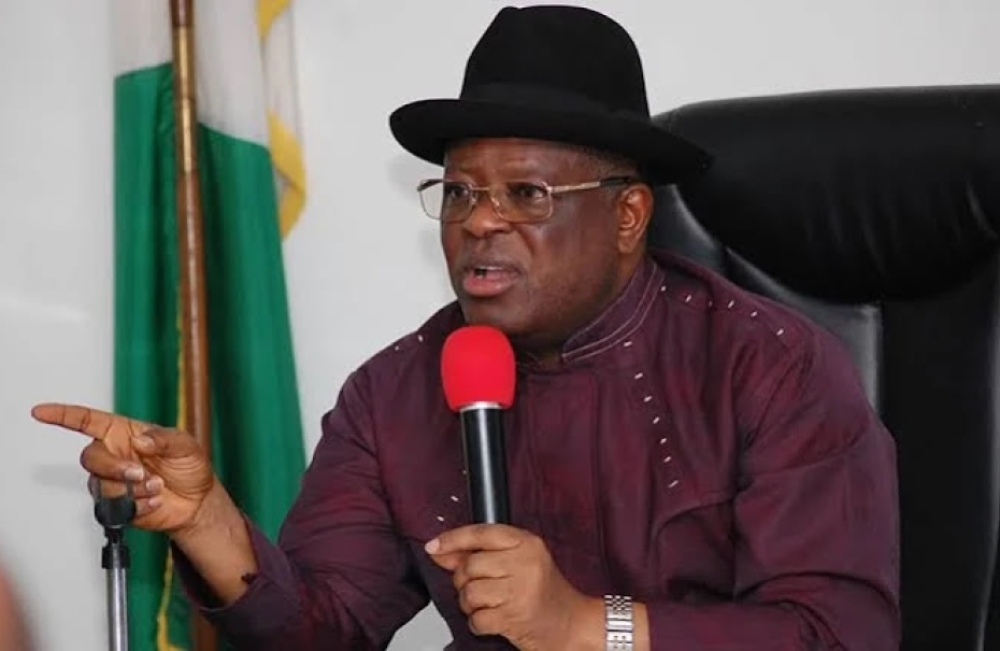
UMAHI ORDERS IMMEDIATE EMERGENCY INTERVENTION ON BENIN-ASABA ROAD, AND SOME OTHER CRITICAL FEDERAL ROADS The Honourable Minister of Works, Senator Engr. David Nweze Umahi, CON, has directed the immediate deployment of major contractors to all three sections of the Benin-Asaba Federal Road to restore the failed sections and bring an end to the suffering of motorists and other road users. This is because, the situation on the concessioned Benin-Asaba Road has reached a point where the overall public interest must take precedence over the existing concession agreement. Recall that the Honourable Minister of Works was on the Benin-Asaba Road about seven days ago, where he assembled a number of contractors and directed them to prepare for immediate palliative intervention on the affected sections of the road at no cost to the concessionaire. In line with the Concession agreement which requires that before the Federal Government could intervene, the permission of the concessionaire must be required, and that permission was not granted to federal government. The Minister subsequently proposed three options to the concessionaire, any one of which would have enabled the Federal Government to move in and address the worsening condition of the road. Unfortunately, none of the options was accepted by the concessionaire. Immediately after the Minister left Asaba, the already limited equipment deployed to the road by the concessionaire was further reduced to just one, worsening the situation and increasing the suffering of motorists and other road users. While the Minister takes responsibility for the concerns and suffering of Nigerians using the road, it is important to state that the concessionaire has also not taken the suffering of Edo people and travelling public sufficiently into consideration by declining all the options put forward by the Federal Government. The concessionaire continues to rely on the terms of the concession agreement entered into by the previous administration, an agreement which weighs heavily against the Federal Government’s ability to intervene quickly in the interest of the public in a situation like this. In view of this situation, the Honourable Minister of Works has directed the immediate deployment of major contractors within the corridor to all three sections of the Benin-Asaba Road to restore the failed sections and bring relief to the people, with the cost of the emergency intervention being borne by the Federal Government. The Honourable Minister has also directed immediate redesign of the entire route to be rebuilt with reinforced concrete pavement. The public should therefore take note that immediate action is underway to restore every failed section of the Benin-Asaba Road and subsequently rehabilitate the entire sections of the road using reinforced concrete pavement. 2. On the Benin-Sapele Road: The Governors of Edo and Delta States, the Niger Delta Development Commission (NDDC), and the Federal Government are currently engaged in interventions on different sections of the road to restore the entire route. While some sections are receiving palliative attention, permanent works are also ongoing on other sections. 3. On Ifaki(Ekiti) - Kabba (Kogi) Road: The Federal Government is engaging both the contractor; Gamji Nigeria Company Limited, and Dangote PLC on immediate emergency and permanent intervention on the most failed sections of the road, while efforts are being made to financially mobilise the company for more extensive permanent work to commence on the axis. 4. On the Sokoto-Zamfara-Katsina Road: This is an inherited project involving the dualisation of approximately 350 kilometres, which translates to about 700 kilometers. The project has since been redesigned and is currently ongoing and most sections are being reconstructed using reinforced concrete pavement. From the Sokoto axis towards Zamfara, over 50 kilometres of one carriageway have been fully completed with reinforced concrete pavement. From Zamfara to Katsina, some sections have been completed and palliative works have been ordered over the sections that have not been reconstructed. However, the pace of work slowed down due to the redesign and rephasing of the project. The contractors currently engaged on the road include CBC, SETRACO, Triacta and Mothercat. They are being remobilised to return to site and complete the outstanding works. 5. On the Abuja-Kaduna-Zaria-Kano Road: The Federal Government took over the Road project and has currently completed the 118-kilometer mostly on reinforced concrete pavement on lot 1. The Lot 2, which covers 164 kilometres, is over 60 percent completed on reinforced concrete pavement. The Federal Government has also introduced solar-powered light on the entire route of Abuja-Kaduna-Zaria - Kano to improve visibility during night travel and enhance the overall security situation on the route. The entire project is scheduled for completion by December 2026. 6. On Bauchi-Jigawa Road: Triacta Nigeria Limited has been mobilised to carry out the necessary interventions on some failed sections and work is currently ongoing in those failed sections. 7. On the Sagamu-Ore Road: 48 Kilometers of the 96-kilometre road have already been completed using reinforced concrete pavement. There is also a 24-kilometre section around Ore which was abandoned by the previous contractor. The Federal Government has directed its immediate restoration to ensure seamless travel. Solar lights are being installed in the entire 96kilometer of the road. 8. On Flooded Sections on Sagamu-Ore-Benin Road: The flooded sections on the same corridor between Sagamu-Ore-Benin Road, as well as other flooded sections in Ondo State, are being designed for emergency procurement and intervention. 9. On the East-West Road: Some failed and critical sections, including defective sections of bridges along the East-West Road, are being marked out for emergency procurement and intervention. 10. On the Abuja-Lokoja Road: Several contracts are ongoing along the route, while the three critical sections currently without contracts are being procured for emergency intervention. 11. On the Lokoja-Benin-Warri Road: The President has directed a complete redesign and procurement of the 400-kilometre dualised route covering the uncompleted sections, using reinforced concrete pavement, while palliative works will continue with the contractors currently on the road. 12. On Carter Bridge: While the Federal Government continues to undertake weekly maintenance of the underwater elements of the bridge. The site has also been handed over to the contractor, CCECC, for the construction of a permanent new bridge, and work has commenced. 13. On the Third Mainland Bridge: With regard to the defective underwater structural elements, the Federal Government is at the final stage of determining the appropriate intervention for the repair of the affected elements. 14. On the flooded section of the Lagos-Ibadan Road: Work has commenced on the affected section. There are also several flooded sections on federal roads across the six geopolitical zones, largely occasioned by excessive flooding and the effects of climate change. The Federal Government is identifying and marking these sections for immediate attention. 15. On the First and Second Niger Bridges: Intervention work is ongoing on the approach roads to the Second Niger Bridge damaged by flood and the work is progressing very well. The First Niger Bridge has been closed to traffic to enable immediate repair works. Contractor has mobilized to site and comprehensive rehabilitation of the bridge has started. From Summit Junction to the First Niger Bridge, massive rehabilitation work is also ongoing using reinforced concrete pavement. 16. The Honourable Minister wishes to commend the President of the Federal Republic of Nigeria, His Excellency Bola Ahmed Tinubu, GCFR, for the massive work being undertaken on the nation’s roads since the administration assumed office in 2023. 17. It is important to state that when the present administration came into office, there was hardly any part of the country where one could travel for an hour without encountering significant challenges on the road network. The condition of the country’s roads and bridges was a major national infrastructure challenge. 18. Rather than shy away from the problem, the administration of President Bola Ahmed Tinubu made the nation’s road network a priority. Virtually every part of the country became a priority, and the Federal Government, through the Federal Ministry of Works, Regional Commissions, Parastatals and other MDA’s has continued to respond extensively to these challenges. 19. The Federal Government is currently working on over 80 percent of the inherited federal roads, an unprecedented level of intervention in the country’s road infrastructure. 20. We ask the public to understand the enormous challenges inherited on our roads and bridges and to take note not only of the problems being solved, but also of the permanent solutions being introduced. 21. A major part of this new approach is the use of reinforced concrete pavement, designed to significantly extend the lifespan of major roads. These roads are expected to last between 50 and 100 years. This means that roads being constructed under President Bola Ahmed Tinubu’s administration are being designed with future generations in mind, rather than simply providing temporary solutions to today’s problems. And this is a complete departure from the past, when roads often deteriorated only a few years after completion, resulting in a continuous cycle of reconstruction and expenditure. 22. We appreciate the concerns of Nigerians over the condition of some roads presently and the difficulties faced by motorists and commuters who cannot move easily from one point to another. Those concerns are legitimate, and the Federal Government is listening. But Nigerians should also recognise the enormous scale of the problems inherited and the amount of work currently being undertaken across the country. 23. It is simply impossible to resolve every road challenge accumulated over many years of neglect by the past administrations within three years. What is important is that the government is working, the government is responding, and the government is putting permanent solutions in place. 25. We appreciate members of the public who send situation reports on failed roads and other infrastructure challenges. These reports help the Ministry identify areas requiring urgent attention. However, we also appeal to members of the public to report when such problems have been addressed, just as they report when they occur. 24. We are aware of situations where photographs and reports of road challenges continue to circulate on social media even after the Federal Government has intervened and resolved the particular problem. 25. However, the Ministry will continue to respond as rapidly as possible to genuine reports and concerns from Nigerians. 26. It is also important to note that we have compiled a comprehensive record of all inherited, ongoing and intervention projects across the country which is available to the public. This is to ensure that Nigerians have access to information on the infrastructure projects being undertaken nationwide and can fully participate in and appreciate the infrastructure revolution of President Bola Ahmed Tinubu’s administration. ...
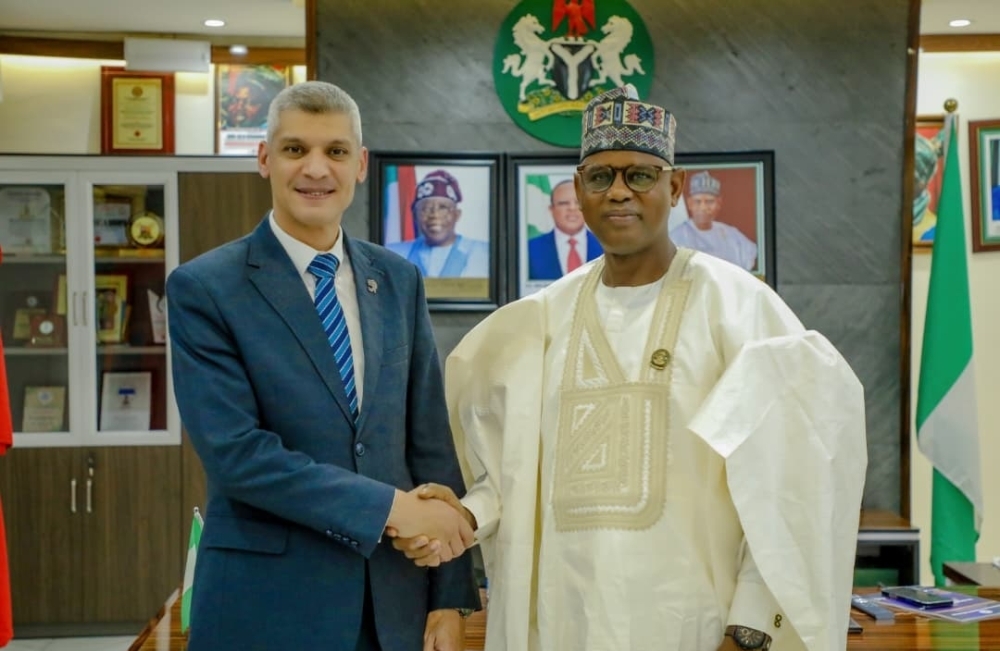
GORONYO RECEIVES OUTGOING, INCOMING EGYPT DEFENCE ATTACHES, PLEDGES STRONGER NIGERIA-EGYPT COOPERATION The Minister of State for Works, Bello Muhammed Goronyo, Esq., has received the outgoing Egypt Defence Attaché to Nigeria, Colonel Mohammed Ibrahim, and his successor, Colonel Mohamad Mosaad, in his office, pledging continued support for stronger bilateral relations between Nigeria and Egypt. Goronyo, who received the Egyptian military delegation during a courtesy visit today 8th September, 2026 in his office in Abuja, described the longstanding relationship between Nigeria and Egypt as cordial and mutually beneficial, noting that both countries share historical and cultural. The Minister of State recalled his previous encounter with the outgoing Defence Attaché while serving at the Federal Ministry of Water Resources, noting that it was a pleasant coincidence to receive him again in his current capacity at the Ministry of Works as he prepares to conclude his diplomatic assignment in Nigeria. He commended Colonel Mohammed Ibrahim for his service and contribution to strengthening Nigeria-Egypt relations during his tenure, particularly his demonstration of patriotism, discipline, professionalism and commitment to duty. According to him, the visit was significant as it not only provided an opportunity to bid farewell to the outgoing Defence Attaché, but also to formally welcome his successor and assure him of Nigeria's readiness to sustain the existing relationship. Goronyo said the relationship between Nigeria and Egypt had continued to gain momentum under the leadership of President Bola Ahmed Tinubu, GCFR, and the President of Egypt, Abdel Fattah El-Sisi, with both countries exploring areas of mutual interest including trade, agriculture, tourism, security, education and economic development. He said the growing partnership between the two countries demonstrated the importance of African nations working together to harness the continent's enormous human and natural resources. He stressed that Africa had the population, resources and potential required to compete favourably with other continents, urging African countries to deepen cooperation and leverage their shared strengths for sustainable development. He expressed optimism that the Memoranda of Understanding and other agreements reached between Nigeria and Egypt would continue to translate into tangible benefits for the citizens of both countries. “On behalf of the Honourable Minister of Works, Engr. David Nweze Umahi, CON, FNSE, and the entire management and staff of the Federal Ministry of Works, I sincerely welcome you and thank you for this visit. “We wish the outgoing Defence Attaché the very best in his future assignments and welcome the incoming Defence Attaché. On our part, we will continue to provide the necessary support to enable you to discharge your responsibilities effectively. “Our doors remain open, and we will continue to support one another for the progress of our two countries and for the benefit of humanity,” Goronyo said. Earlier, the outgoing Egypt Defence Attaché, Colonel Mohammed Ibrahim, expressed appreciation to the Minister of State for receiving him and his delegation, describing the meeting as particularly significant as he prepares to conclude his assignment in Nigeria. Colonel Ibrahim introduced the incoming Defence Attaché, Colonel Mohamad Mosaad, and said he was confident that the existing strong relationship between Egypt and Nigeria would be further strengthened under his successor. He also disclosed that the Egyptian side had secured approval for the establishment of a Deputy Defence Attaché position, describing the development as another indication of the importance Egypt attaches to its bilateral and military relationship with Nigeria. In his remarks, the incoming Egypt Defence Attaché, Colonel Mohamad Mosaad, expressed gratitude to the Minister of State for the warm reception and pledged to work towards deepening cooperation between Nigeria and Egypt. He said he was optimistic about his new assignment and looked forward to identifying more opportunities for collaboration, investment and exchange of capabilities between the two countries. Colonel Mosaad noted that Nigeria and Egypt, as two major African countries, had a shared responsibility to contribute to the development and advancement of the continent through stronger partnerships. He expressed confidence that his tenure would further consolidate the longstanding friendship, cultural ties and cooperation between the two nations. The meeting ended with renewed assurances of continued cooperation, mutual support and stronger bilateral relations between Nigeria and Egypt. ...
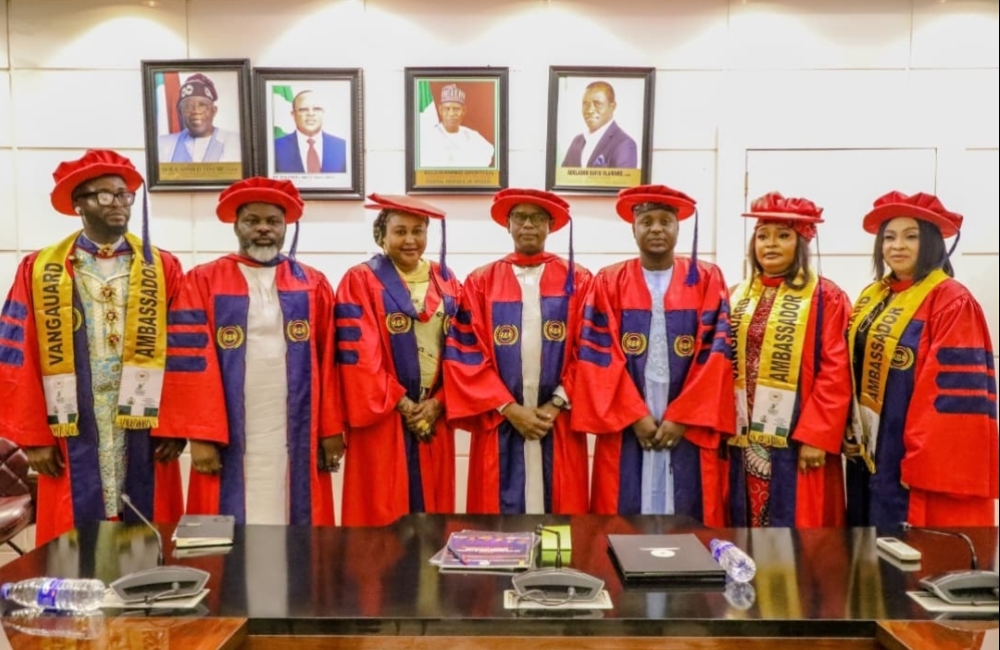
GORONYO BAGS AWARD OF EXCELLENCE, INDUCTED AS FELLOW, DECORATED YOUTH VANGUARD AMBASSADOR The Honourable Minister of State for Works, Rt. Hon. Bello Muhammad Goronyo, Esq., has been honoured with an Award of Excellence and inducted as a Fellow of the Chartered Institute of Management and Leadership in recognition of his contributions to leadership, youth development, public service and national development. The Minister was also decorated as a Youth Vanguard Ambassador, under a programme being developed in collaboration with the Federal Ministry of Youth Development to provide platforms for young Nigerians to showcase their talents, innovations, research and leadership potential. The honours were conferred on the Minister during a special ceremony held today, Monday, 7th September 2026, at the Minister's Conference Hall, Mabushi, Abuja. The ceremony was led by the Country Director, USA, Chartered Institute of Management and Leadership, Dr. Samuel Ojo. Speaking at the ceremony, Goronyo expressed appreciation to the Institute and the organisers for finding him worthy of the recognition, describing the honour as both a privilege and a renewed challenge to contribute more to humanity and national development. He said, “It is not something small. I take it as a big thing and as another challenge to serve humanity.” The Minister noted that his commitment to leadership and youth development had taken him to various platforms nationally and internationally, including engagements with the Global Peace Foundation and participation in programmes in countries such as the United States of America and the Philippines. He stressed that effective leadership must be anchored on transparency, honesty, integrity and accountability, noting that public office holders must continually strive to make positive contributions to society. Goronyo commended the organisers for recognising his contributions to youth engagement and development, stressing that empowering young Nigerians remains critical to the future of the country. He also expressed appreciation to the Honourable Minister of Works, Engr. David Nweze Umahi, CON, FNSE, for the cordial working relationship and partnership between them since his assumption of office as Minister of State for Works. Describing Umahi as “a brother and partner in progress,” Goronyo said their collaboration had contributed to advancing the objectives of the Ministry. Speaking on the Federal Government's infrastructure agenda, the Minister of State highlighted the strategic importance of road infrastructure to Nigeria's economic growth and national development. He said the administration of President Bola Ahmed Tinubu, GCFR, had demonstrated a strong commitment to improving road infrastructure across the country through major legacy projects and strategic interventions. Goronyo cited major projects, including the Lagos-Calabar Coastal Highway, Sokoto-Badagry Superhighway and other strategic road corridors, as evidence of the administration's determination to improve connectivity, facilitate economic activities and promote national development. He added that the adoption of concrete technology on selected major projects would contribute to the durability and longevity of Nigeria's road infrastructure. The Minister called on Nigerians to continue supporting the administration's development agenda, particularly its efforts to address infrastructure deficits and create an enabling environment for sustainable economic growth. Earlier, Dr. Samuel Ojo, Country Director, USA, Chartered Institute of Management and Leadership, explained that the ceremony was organised to formally honour and decorate Goronyo, who could not attend the Institute's earlier programme due to a flight delay. He said that, in addition to the Fellowship and Award of Excellence, the Institute selected the Minister as one of its Youth Vanguard Ambassadors because of his demonstrated commitment to youth development and leadership. According to Ojo, the Youth Vanguard Programme is being developed in collaboration with the Federal Ministry of Youth Development to engage young Nigerians through intellectual, innovation and research challenges across tertiary institutions and among youths in the Federal Capital Territory and the 36 states of the federation. He said the initiative was designed to bridge the gap between young Nigerians with talents and the opportunities required to develop and commercialise those talents. “We have a lot of talents in the field of innovation and research, but there is no bridge. We are trying to create that bridge through this programme in collaboration with the Federal Ministry of Youth Development,” he said. Ojo added that the programme would provide opportunities for young Nigerians to develop their talents, create jobs, promote innovation and contribute meaningfully to the future of the country. He disclosed that the programme would operate at state, zonal and national levels, with plans for a national gathering to be officiated by the President and the Federal Ministry of Youth Development. In accepting the Fellowship and professional induction, Goronyo pledged to uphold the principles of integrity, accountability, professionalism, human rights, inclusion and respect for the dignity of all persons. He further committed himself to investing in human-capacity development and supporting the advancement of the management profession for sustainable and inclusive development. The Minister reaffirmed his commitment to serving as a positive example to those he leads and remaining accountable to the people and society for his actions. The citation presented at the ceremony highlighted Goronyo's extensive experience in public service, law, politics and youth mobilisation. It noted that he had served in various capacities within the political and public service space, including at the local government level and within party structures, and had played a significant role in youth mobilisation during the build-up to the 2023 presidential election. The citation also highlighted his service across different arms and levels of government, including his appointment as Minister of State for Water Resources and Sanitation before his deployment to the Federal Ministry of Works as Minister of State. Goronyo is a member and Fellow of several national and international professional organisations and associations, reflecting his broad experience in law, management, public relations, engineering, environmental matters, peacebuilding and leadership. The ceremony was attended by officials and representatives of the Chartered Institute of Management and Leadership, members of the media and other invited guests. ...
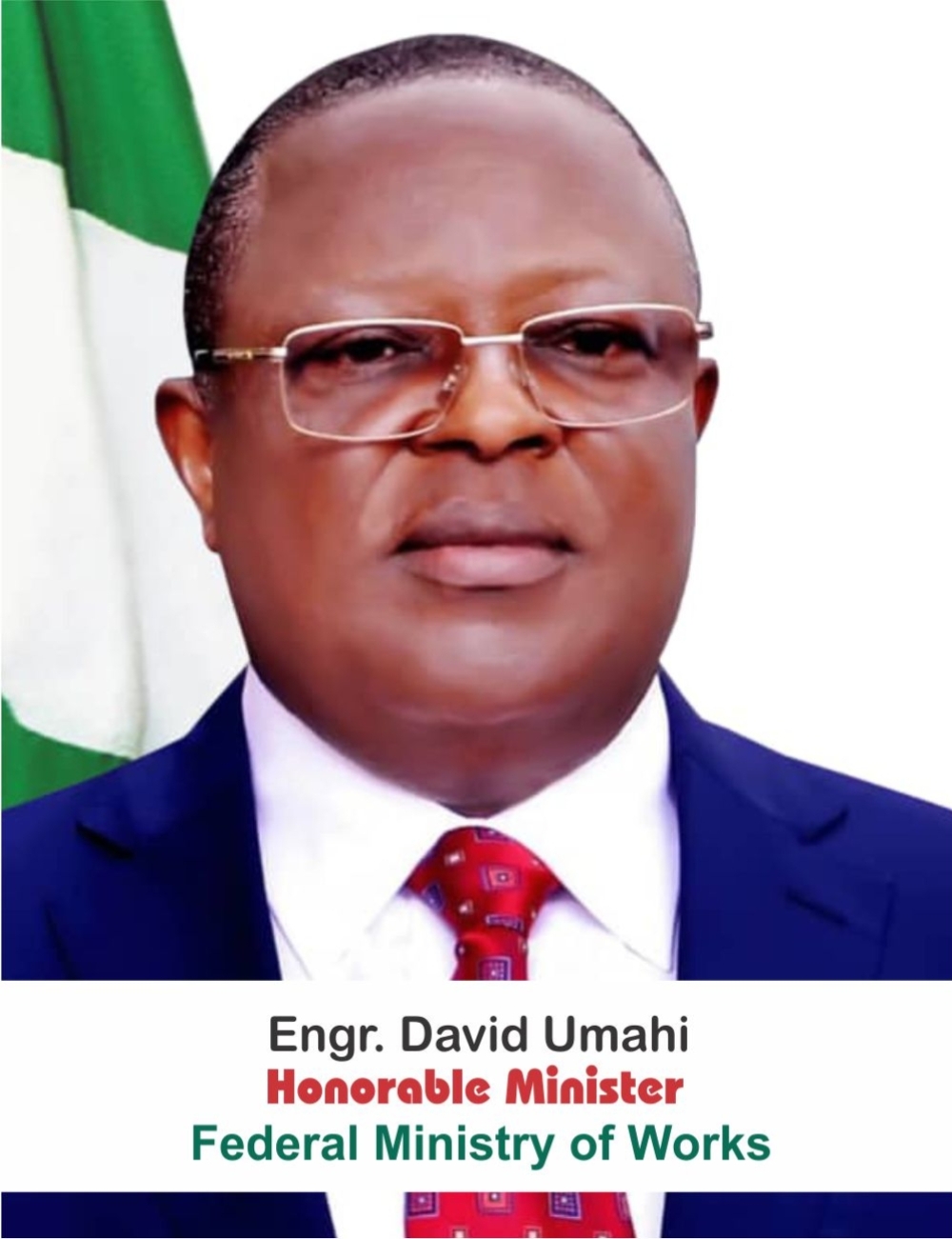
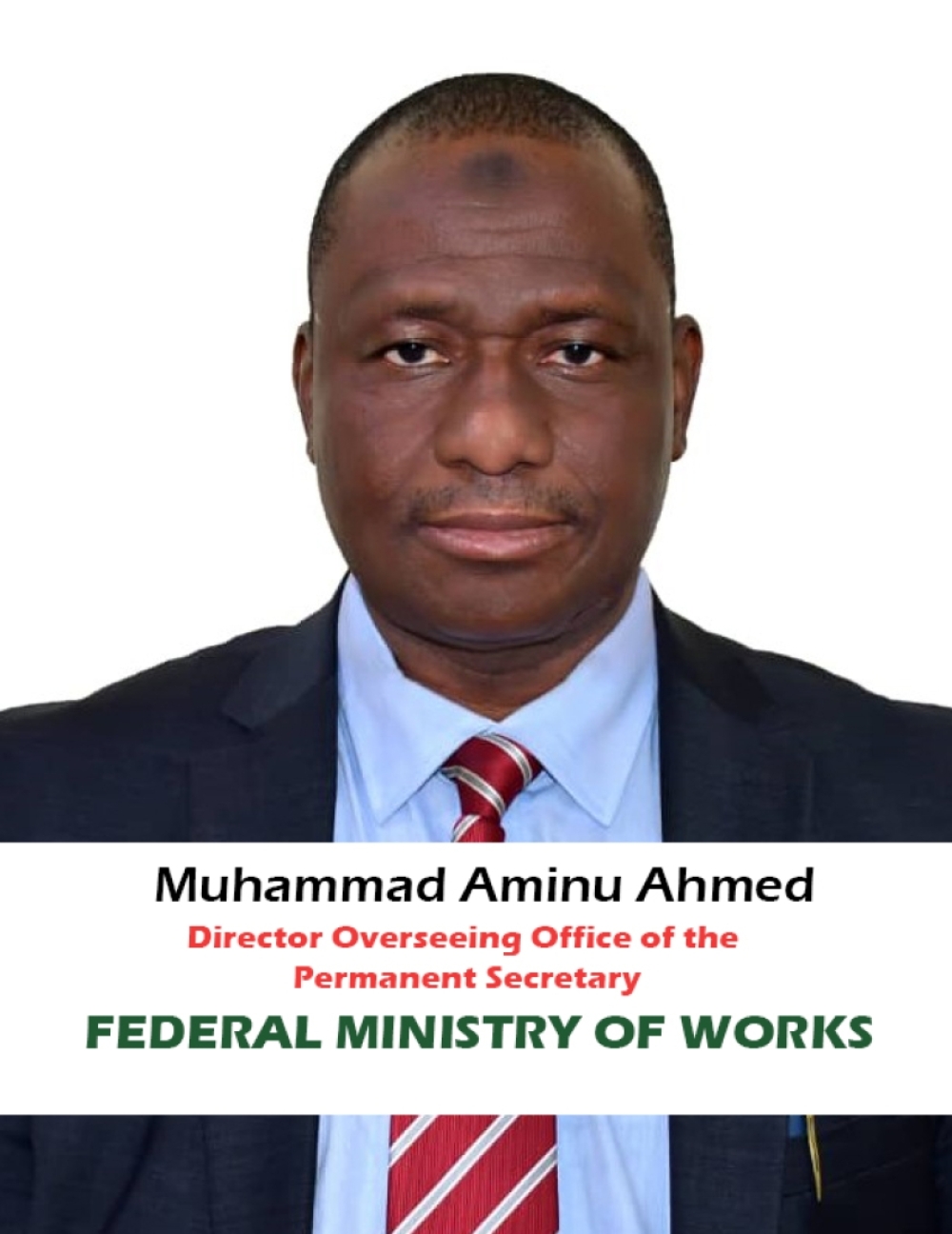

SEN. UMAHI MOURNS THE DEATH OF CHIEF ENGR. DR. EMMANUEL CHUKWUEMEKA IWUANYANWU. (AHAEJIAGAMBA NDIGBO)
I received, with a deep sense of loss, the sad news of the death of the President - General of Ohanaeze Ndigbo, Chief Engr. Dr. Emmanuel Chukwuemeka Iwuanyanwu CFR, OFR, MFR, GCSI, FNSE, FNIST, FNICE, KSC, (Ahaejiagamba Ndigbo) who was called to eternal glory on 25th July, 2024 at the age of 82 years.
Late Chief Iwuanyanwu was an experienced and well-respected national figure with unwavering political, professional, and business track records. He will be remembered for his commitment to nation- building; he canvassed unequivocally for equity, equality, value re-orientation, and unconstrained national development. He made perceptive contributions to issues that promote national dialogue during his time as President - General of Ohanaeze Ndigbo. Indeed, we have lost a rare gem. May his soul rest in peace, amen.
I offer my deepest condolences to the family, the government of Imo state, the Igbo communities worldwide, and indeed Nigeria for the loss of this great statesman.
H.E Sen. Engr. Nweze David Umahi, CON
Honourable Minister of Works
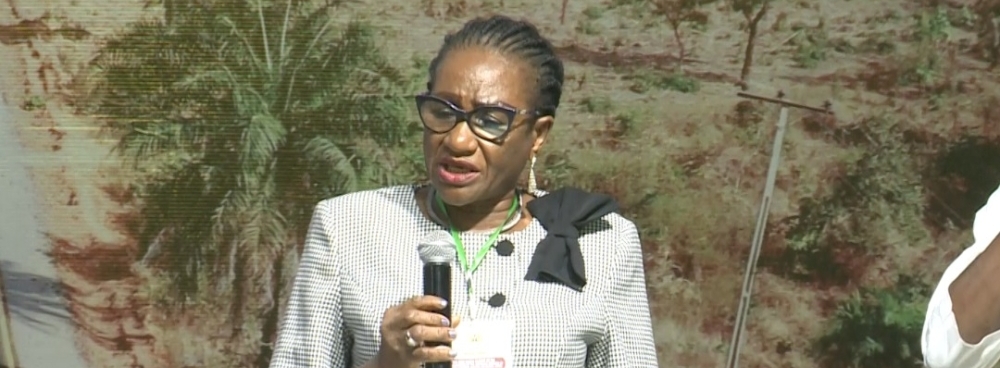
INTRODUCTORY REMARKS BY THE DIRECTOR PLANNING, RESEARCH AND STATISTICS, FEDERAL MINISTRY OF WORKS AT THE MAIDEN EDITION OF MID-TERM REVIEW MEETING ON THE IMPLEMENTATION OF DECISIONS REACHED AT THE 29TH MEETING OF THE THE NATIONAL COUNCIL ON WORKS (NCW)
Protocol
It is my honour and privilege to welcome you on behalf of the Honourable Ministers of Works and the entire staff of the Ministry to this auspicious event of the Maiden Edition of the Mid-Term Review Meeting on the Implementation of Decisions Reached at the 29th Meeting of the National Council on Works (NCW) that was held last year in Abakaliki, Ebonyi State with theme: “Assessing Renewed Hope Transformation of the Road Transport Sector so far”.
As it sounds, the maiden review meeting was muted at the past Council Meeting following Council Members observation that earlier decisions reached at Council Meetings were rarely monitored or implemented before current meetings are held. The general consensus by Council members on the need to create a platform where National and Sub-National actors could do a review of implemented decisions with a view to ensuring that progress is tracked for the benefits of all Nigerians.
This notation gave birth to this maiden edition by stakeholders to review the implementation of key decisions that was reached in Abakaliki, Ebonyi State to ensure that the Federal and States Government are working towards the same objective of promoting the Renewed Hope Agenda on Infrastructural Development, particularly in the Road Sector.
We therefore thank the Government and the good people of Nasarawa State (the Home of Solid Minerals) for being the trail blazer in hosting this maiden review meeting of Council decisions in the Road Sector.
It is our hope that the outcome of the review meeting will position the sector on a trajectory of growth and development that will cut across government at all levels to deliver on quality road infrastructure development due to well understood policy decisions reached and implemented.
Your attendance at this meeting is a testament of the general commitment and resolve of all stakeholder to ensuring that government policies, programmes and projects are achieved through collaboration by all levels of Government.
I therefore welcome you to this epoch making occasion and call for useful and objective contributions to deliberations on implementation status documents presented by all the stakeholders on the decisions reached at Abakaliki, Ebonyi State.
Thanks and God Bless
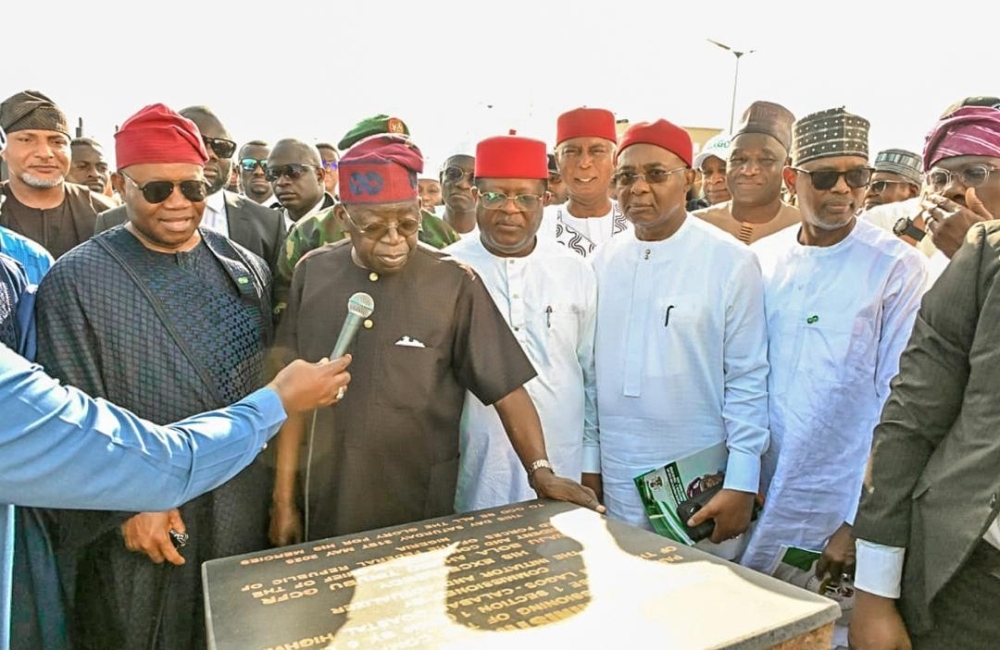
DRIVING NIGERIA’S FUTURE: CELEBRATING TWO YEARS OF TRANSFORMATIVE LEADERSHIP AND THE LAGOS-CALABAR COASTAL HIGHWAY MILESTONE
DRIVING NIGERIA’S FUTURE: CELEBRATING TWO YEARS OF TRANSFORMATIVE LEADERSHIP AND THE LAGOS-CALABAR COASTAL HIGHWAY MILESTONE
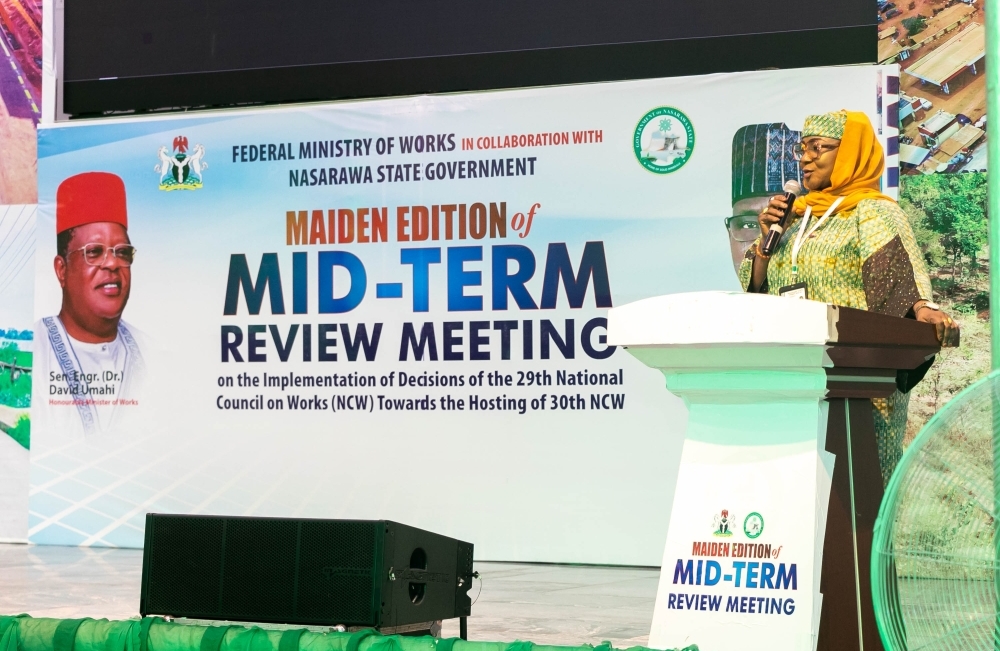
MID -TERM REVIEW MEETING ON THE IMPLIMENTATION OF THE DECISIONS REACHED AT THE 29TH NATIONAL COUNCIL ON WORKS (NCW) DAY 1
MID -TERM REVIEW MEETING ON THE IMPLIMENTATION OF THE DECISIONS REACHED AT THE 29TH NATIONAL COUNCIL ON WORKS (NCW) DAY 1