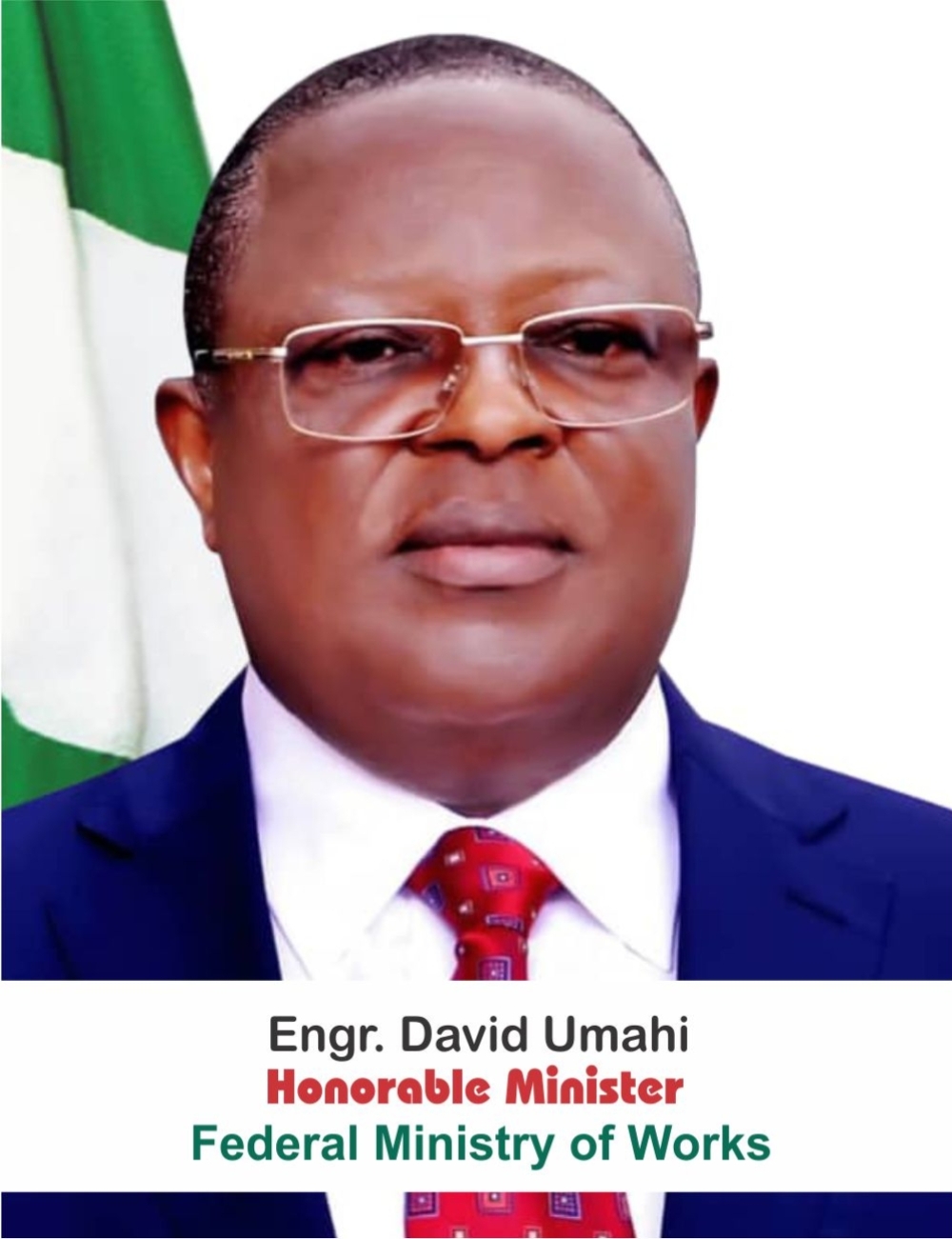
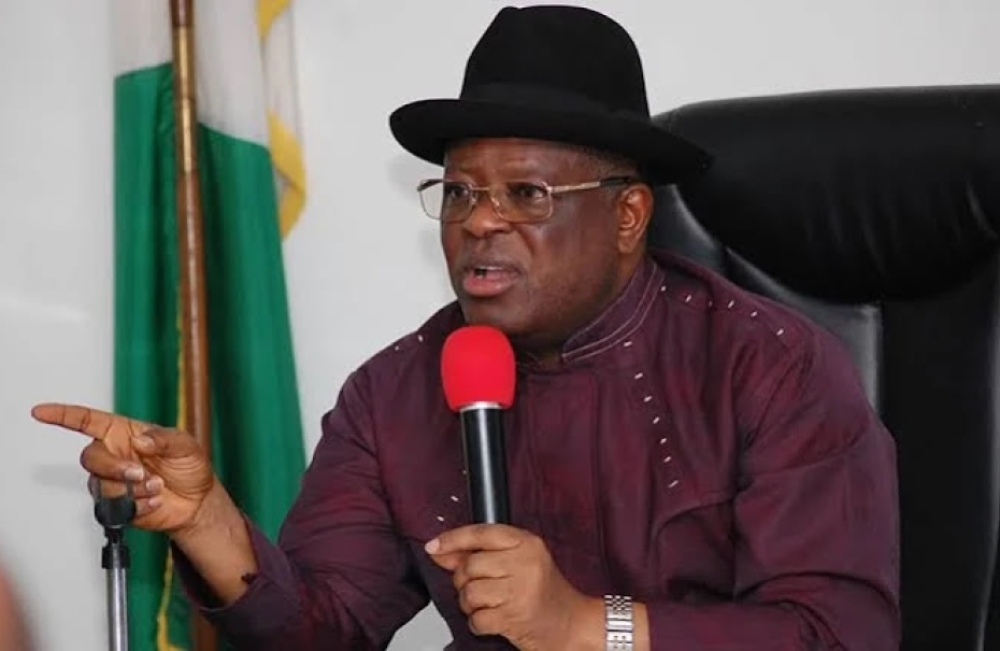
UMAHI ORDERS IMMEDIATE EMERGENCY INTERVENTION ON BENIN-ASABA ROAD, AND SOME OTHER CRITICAL FEDERAL ROADS
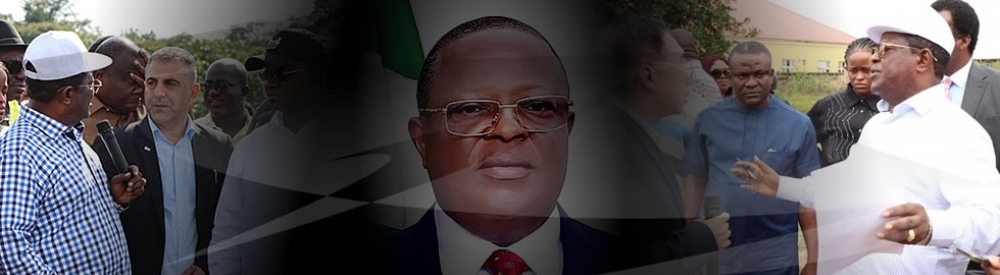
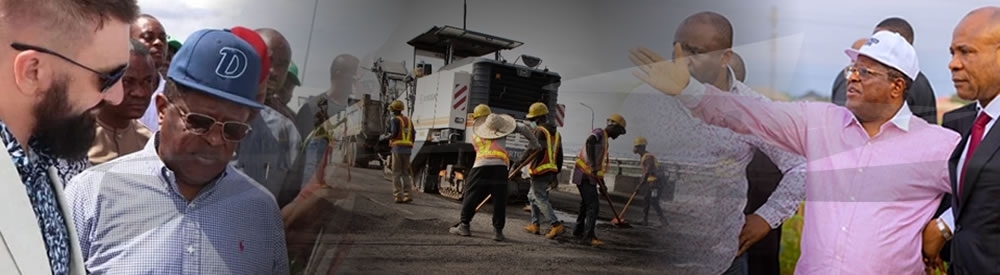
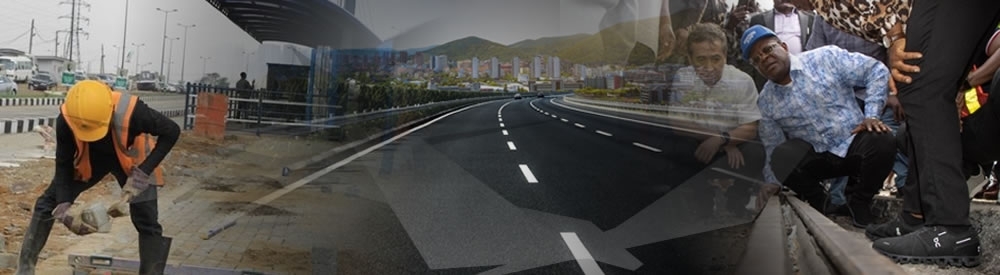
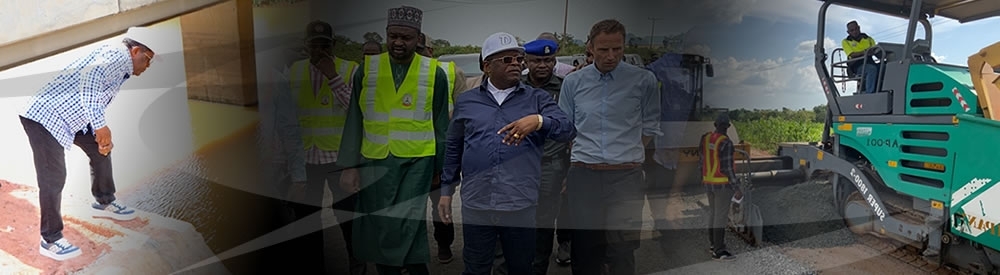
The Honourable Minister of Works, Senator Engr. David Nweze Umahi, CON, has directed the immediate deployment of major contractors to all three sections of the Benin-Asaba Federal Road to restore the failed sections and bring an end to the suffering of motorists and other road users.
This is because, the situation on the concessioned Benin-Asaba Road has reached a point where the overall public interest must take precedence over the existing concession agreement.
Recall that the Honourable Minister of Works was on the Benin-Asaba Road about seven days ago, where he assembled a number of contractors and directed them to prepare for immediate palliative intervention on the affected sections of the road at no cost to the concessionaire. In line with the Concession agreement which requires that before the Federal Government could intervene, the permission of the concessionaire must be required, and that permission was not granted to federal government.
The Minister subsequently proposed three options to the concessionaire, any one of which would have enabled the Federal Government to move in and address the worsening condition of the road. Unfortunately, none of the options was accepted by the concessionaire. Immediately after the Minister left Asaba, the already limited equipment deployed to the road by the concessionaire was further reduced to just one, worsening the situation and increasing the suffering of motorists and other road users.
While the Minister takes responsibility for the concerns and suffering of Nigerians using the road, it is important to state that the concessionaire has also not taken the suffering of Edo people and travelling public sufficiently into consideration by declining all the options put forward by the Federal Government. The concessionaire continues to rely on the terms of the concession agreement entered into by the previous administration, an agreement which weighs heavily against the Federal Government’s ability to intervene quickly in the interest of the public in a situation like this.
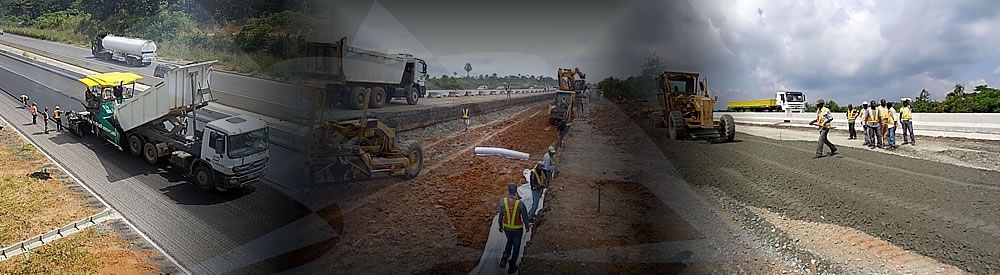
In view of this situation, the Honourable Minister of Works has directed the immediate deployment of major contractors within the corridor to all three sections of the Benin-Asaba Road to restore the failed sections and bring relief to the people, with the cost of the emergency intervention being borne by the Federal Government. The Honourable Minister has also directed immediate redesign of the entire route to be rebuilt with reinforced concrete pavement. The public should therefore take note that immediate action is underway to restore every failed section of the Benin-Asaba Road and subsequently rehabilitate the entire sections of the road using reinforced concrete pavement.
2. On the Benin-Sapele Road:
The Governors of Edo and Delta States, the Niger Delta Development Commission (NDDC), and the Federal Government are currently engaged in interventions on different sections of the road to restore the entire route. While some sections are receiving palliative attention, permanent works are also ongoing on other sections.
3. On Ifaki(Ekiti) - Kabba (Kogi) Road:
The Federal Government is engaging both the contractor; Gamji Nigeria Company Limited, and Dangote PLC on immediate emergency and permanent intervention on the most failed sections of the road, while efforts are being made to financially mobilise the company for more extensive permanent work to commence on the axis.
4. On the Sokoto-Zamfara-Katsina Road: This is an inherited project involving the dualisation of approximately 350 kilometres, which translates to about 700 kilometers. The project has since been redesigned and is currently ongoing and most sections are being reconstructed using reinforced concrete pavement. From the Sokoto axis towards Zamfara, over 50 kilometres of one carriageway have been fully completed with reinforced concrete pavement. From Zamfara to Katsina, some sections have been completed and palliative works have been ordered over the sections that have not been reconstructed. However, the pace of work slowed down due to the redesign and rephasing of the project. The contractors currently engaged on the road include CBC, SETRACO, Triacta and Mothercat. They are being remobilised to return to site and complete the outstanding works.
5. On the Abuja-Kaduna-Zaria-Kano Road: The Federal Government took over the Road project and has currently completed the 118-kilometer mostly on reinforced concrete pavement on lot 1. The Lot 2, which covers 164 kilometres, is over 60 percent completed on reinforced concrete pavement. The Federal Government has also introduced solar-powered light on the entire route of Abuja-Kaduna-Zaria - Kano to improve visibility during night travel and enhance the overall security situation on the route. The entire project is scheduled for completion by December 2026.
6. On Bauchi-Jigawa Road: Triacta Nigeria Limited has been mobilised to carry out the necessary interventions on some failed sections and work is currently ongoing in those failed sections.
7. On the Sagamu-Ore Road: 48 Kilometers of the 96-kilometre road have already been completed using reinforced concrete pavement. There is also a 24-kilometre section around Ore which was abandoned by the previous contractor. The Federal Government has directed its immediate restoration to ensure seamless travel. Solar lights are being installed in the entire 96kilometer of the road.
8. On Flooded Sections on Sagamu-Ore-Benin Road: The flooded sections on the same corridor between Sagamu-Ore-Benin Road, as well as other flooded sections in Ondo State, are being designed for emergency procurement and intervention.
9. On the East-West Road:
Some failed and critical sections, including defective sections of bridges along the East-West Road, are being marked out for emergency procurement and intervention.
10. On the Abuja-Lokoja Road:
Several contracts are ongoing along the route, while the three critical sections currently without contracts are being procured for emergency intervention.
11. On the Lokoja-Benin-Warri Road: The President has directed a complete redesign and procurement of the 400-kilometre dualised route covering the uncompleted sections, using reinforced concrete pavement, while palliative works will continue with the contractors currently on the road.
12. On Carter Bridge:
While the Federal Government continues to undertake weekly maintenance of the underwater elements of the bridge. The site has also been handed over to the contractor, CCECC, for the construction of a permanent new bridge, and work has commenced.
13. On the Third Mainland Bridge:
With regard to the defective underwater structural elements, the Federal Government is at the final stage of determining the appropriate intervention for the repair of the affected elements.
14. On the flooded section of the Lagos-Ibadan Road: Work has commenced on the affected section. There are also several flooded sections on federal roads across the six geopolitical zones, largely occasioned by excessive flooding and the effects of climate change. The Federal Government is identifying and marking these sections for immediate attention.
15. On the First and Second Niger Bridges:
Intervention work is ongoing on the approach roads to the Second Niger Bridge damaged by flood and the work is progressing very well. The First Niger Bridge has been closed to traffic to enable immediate repair works. Contractor has mobilized to site and comprehensive rehabilitation of the bridge has started. From Summit Junction to the First Niger Bridge, massive rehabilitation work is also ongoing using reinforced concrete pavement.
16. The Honourable Minister wishes to commend the President of the Federal Republic of Nigeria, His Excellency Bola Ahmed Tinubu, GCFR, for the massive work being undertaken on the nation’s roads since the administration assumed office in 2023.
17. It is important to state that when the present administration came into office, there was hardly any part of the country where one could travel for an hour without encountering significant challenges on the road network. The condition of the country’s roads and bridges was a major national infrastructure challenge.
18. Rather than shy away from the problem, the administration of President Bola Ahmed Tinubu made the nation’s road network a priority. Virtually every part of the country became a priority, and the Federal Government, through the Federal Ministry of Works, Regional Commissions, Parastatals and other MDA’s has continued to respond extensively to these challenges.
19. The Federal Government is currently working on over 80 percent of the inherited federal roads, an unprecedented level of intervention in the country’s road infrastructure.
20. We ask the public to understand the enormous challenges inherited on our roads and bridges and to take note not only of the problems being solved, but also of the permanent solutions being introduced.
21. A major part of this new approach is the use of reinforced concrete pavement, designed to significantly extend the lifespan of major roads. These roads are expected to last between 50 and 100 years. This means that roads being constructed under President Bola Ahmed Tinubu’s administration are being designed with future generations in mind, rather than simply providing temporary solutions to today’s problems. And this is a complete departure from the past, when roads often deteriorated only a few years after completion, resulting in a continuous cycle of reconstruction and expenditure.
22. We appreciate the concerns of Nigerians over the condition of some roads presently and the difficulties faced by motorists and commuters who cannot move easily from one point to another. Those concerns are legitimate, and the Federal Government is listening. But Nigerians should also recognise the enormous scale of the problems inherited and the amount of work currently being undertaken across the country.
23. It is simply impossible to resolve every road challenge accumulated over many years of neglect by the past administrations within three years. What is important is that the government is working, the government is responding, and the government is putting permanent solutions in place.
25. We appreciate members of the public who send situation reports on failed roads and other infrastructure challenges. These reports help the Ministry identify areas requiring urgent attention. However, we also appeal to members of the public to report when such problems have been addressed, just as they report when they occur.
24. We are aware of situations where photographs and reports of road challenges continue to circulate on social media even after the Federal Government has intervened and resolved the particular problem.
25. However, the Ministry will continue to respond as rapidly as possible to genuine reports and concerns from Nigerians.
26. It is also important to note that we have compiled a comprehensive record of all inherited, ongoing and intervention projects across the country which is available to the public. This is to ensure that Nigerians have access to information on the infrastructure projects being undertaken nationwide and can fully participate in and appreciate the infrastructure revolution of President Bola Ahmed Tinubu’s administration.

UMAHI ORDERS IMMEDIATE EMERGENCY INTERVENTION ON BENIN-ASABA ROAD, AND SOME OTHER CRITICAL FEDERAL ROADS The Honourable Minister of Works, Senator Engr. David Nweze Umahi, CON, has directed the immediate deployment of major contractors to all three sections of the Benin-Asaba Federal Road to restore the failed sections and bring an end to the suffering of motorists and other road users. This is because, the situation on the concessioned Benin-Asaba Road has reached a point where the overall public interest must take precedence over the existing concession agreement. Recall that the Honourable Minister of Works was on the Benin-Asaba Road about seven days ago, where he assembled a number of contractors and directed them to prepare for immediate palliative intervention on the affected sections of the road at no cost to the concessionaire. In line with the Concession agreement which requires that before the Federal Government could intervene, the permission of the concessionaire must be required, and that permission was not granted to federal government. The Minister subsequently proposed three options to the concessionaire, any one of which would have enabled the Federal Government to move in and address the worsening condition of the road. Unfortunately, none of the options was accepted by the concessionaire. Immediately after the Minister left Asaba, the already limited equipment deployed to the road by the concessionaire was further reduced to just one, worsening the situation and increasing the suffering of motorists and other road users. While the Minister takes responsibility for the concerns and suffering of Nigerians using the road, it is important to state that the concessionaire has also not taken the suffering of Edo people and travelling public sufficiently into consideration by declining all the options put forward by the Federal Government. The concessionaire continues to rely on the terms of the concession agreement entered into by the previous administration, an agreement which weighs heavily against the Federal Government’s ability to intervene quickly in the interest of the public in a situation like this. In view of this situation, the Honourable Minister of Works has directed the immediate deployment of major contractors within the corridor to all three sections of the Benin-Asaba Road to restore the failed sections and bring relief to the people, with the cost of the emergency intervention being borne by the Federal Government. The Honourable Minister has also directed immediate redesign of the entire route to be rebuilt with reinforced concrete pavement. The public should therefore take note that immediate action is underway to restore every failed section of the Benin-Asaba Road and subsequently rehabilitate the entire sections of the road using reinforced concrete pavement. 2. On the Benin-Sapele Road: 3. On Ifaki(Ekiti) - Kabba (Kogi) Road: 4. On the Sokoto-Zamfara-Katsina Road: This is an inherited project involving the dualisation of approximately 350 kilometres, which translates to about 700 kilometers. The project has since been redesigned and is currently ongoing and most sections are being reconstructed using reinforced concrete pavement. From the Sokoto axis towards Zamfara, over 50 kilometres of one carriageway have been fully completed with reinforced concrete pavement. From Zamfara to Katsina, some sections have been completed and palliative works have been ordered over the sections that have not been reconstructed. However, the pace of work slowed down due to the redesign and rephasing of the project. The contractors currently engaged on the road include CBC, SETRACO, Triacta and Mothercat. They are being remobilised to return to site and complete the outstanding works. 5. On the Abuja-Kaduna-Zaria-Kano Road: The Federal Government took over the Road project and has currently completed the 118-kilometer mostly on reinforced concrete pavement on lot 1. The Lot 2, which covers 164 kilometres, is over 60 percent completed on reinforced concrete pavement. The Federal Government has also introduced solar-powered light on the entire route of Abuja-Kaduna-Zaria - Kano to improve visibility during night travel and enhance the overall security situation on the route. The entire project is scheduled for completion by December 2026. 6. On Bauchi-Jigawa Road: Triacta Nigeria Limited has been mobilised to carry out the necessary interventions on some failed sections and work is currently ongoing in those failed sections. 7. On the Sagamu-Ore Road: 48 Kilometers of the 96-kilometre road have already been completed using reinforced concrete pavement. There is also a 24-kilometre section around Ore which was abandoned by the previous contractor. The Federal Government has directed its immediate restoration to ensure seamless travel. Solar lights are being installed in the entire 96kilometer of the road. 8. On Flooded Sections on Sagamu-Ore-Benin Road: The flooded sections on the same corridor between Sagamu-Ore-Benin Road, as well as other flooded sections in Ondo State, are being designed for emergency procurement and intervention. 9. On the East-West Road: 10. On the Abuja-Lokoja Road: 11. On the Lokoja-Benin-Warri Road: The President has directed a complete redesign and procurement of the 400-kilometre dualised route covering the uncompleted sections, using reinforced concrete pavement, while palliative works will continue with the contractors currently on the road. 12. On Carter Bridge: 13. On the Third Mainland Bridge: 14. On the flooded section of the Lagos-Ibadan Road: Work has commenced on the affected section. There are also several flooded sections on federal roads across the six geopolitical zones, largely occasioned by excessive flooding and the effects of climate change. The Federal Government is identifying and marking these sections for immediate attention. 15. On the First and Second Niger Bridges: 16. The Honourable Minister wishes to commend the President of the Federal Republic of Nigeria, His Excellency Bola Ahmed Tinubu, GCFR, for the massive work being undertaken on the nation’s roads since the administration assumed office in 2023. 17. It is important to state that when the present administration came into office, there was hardly any part of the country where one could travel for an hour without encountering significant challenges on the road network. The condition of the country’s roads and bridges was a major national infrastructure challenge. 18. Rather than shy away from the problem, the administration of President Bola Ahmed Tinubu made the nation’s road network a priority. Virtually every part of the country became a priority, and the Federal Government, through the Federal Ministry of Works, Regional Commissions, Parastatals and other MDA’s has continued to respond extensively to these challenges. 19. The Federal Government is currently working on over 80 percent of the inherited federal roads, an unprecedented level of intervention in the country’s road infrastructure. 20. We ask the public to understand the enormous challenges inherited on our roads and bridges and to take note not only of the problems being solved, but also of the permanent solutions being introduced. 21. A major part of this new approach is the use of reinforced concrete pavement, designed to significantly extend the lifespan of major roads. These roads are expected to last between 50 and 100 years. This means that roads being constructed under President Bola Ahmed Tinubu’s administration are being designed with future generations in mind, rather than simply providing temporary solutions to today’s problems. And this is a complete departure from the past, when roads often deteriorated only a few years after completion, resulting in a continuous cycle of reconstruction and expenditure. 22. We appreciate the concerns of Nigerians over the condition of some roads presently and the difficulties faced by motorists and commuters who cannot move easily from one point to another. Those concerns are legitimate, and the Federal Government is listening. But Nigerians should also recognise the enormous scale of the problems inherited and the amount of work currently being undertaken across the country. 23. It is simply impossible to resolve every road challenge accumulated over many years of neglect by the past administrations within three years. What is important is that the government is working, the government is responding, and the government is putting permanent solutions in place. 25. We appreciate members of the public who send situation reports on failed roads and other infrastructure challenges. These reports help the Ministry identify areas requiring urgent attention. However, we also appeal to members of the public to report when such problems have been addressed, just as they report when they occur. 24. We are aware of situations where photographs and reports of road challenges continue to circulate on social media even after the Federal Government has intervened and resolved the particular problem.
The Governors of Edo and Delta States, the Niger Delta Development Commission (NDDC), and the Federal Government are currently engaged in interventions on different sections of the road to restore the entire route. While some sections are receiving palliative attention, permanent works are also ongoing on other sections.
The Federal Government is engaging both the contractor; Gamji Nigeria Company Limited, and Dangote PLC on immediate emergency and permanent intervention on the most failed sections of the road, while efforts are being made to financially mobilise the company for more extensive permanent work to commence on the axis.
Some failed and critical sections, including defective sections of bridges along the East-West Road, are being marked out for emergency procurement and intervention.
Several contracts are ongoing along the route, while the three critical sections currently without contracts are being procured for emergency intervention.
While the Federal Government continues to undertake weekly maintenance of the underwater elements of the bridge. The site has also been handed over to the contractor, CCECC, for the construction of a permanent new bridge, and work has commenced.
With regard to the defective underwater structural elements, the Federal Government is at the final stage of determining the appropriate intervention for the repair of the affected elements.
Intervention work is ongoing on the approach roads to the Second Niger Bridge damaged by flood and the work is progressing very well. The First Niger Bridge has been closed to traffic to enable immediate repair works. Contractor has mobilized to site and comprehensive rehabilitation of the bridge has started. From Summit Junction to the First Niger Bridge, massive rehabilitation work is also ongoing using reinforced concrete pavement.
25. However, the Ministry will continue to respond as rapidly as possible to genuine reports and concerns from Nigerians.
26. It is also important to note that we have compiled a comprehensive record of all inherited, ongoing and intervention projects across the country which is available to the public. This is to ensure that Nigerians have access to information on the infrastructure projects being undertaken nationwide and can fully participate in and appreciate the infrastructure revolution of President Bola Ahmed Tinubu’s administration.
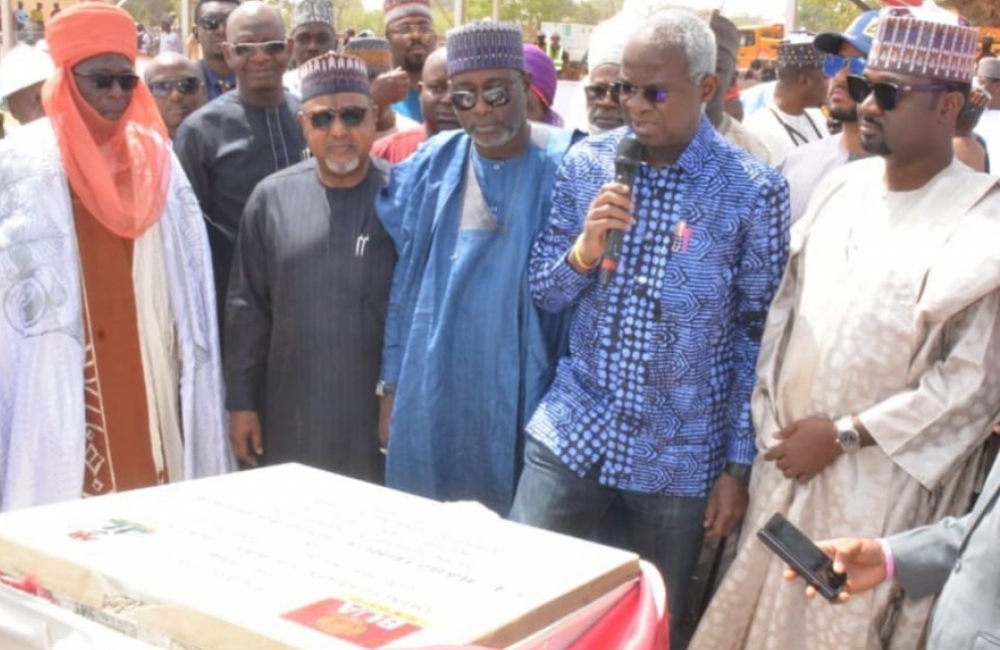
FG Flags-off the dualisation of 132 km Kano- Kongolom Road Project. Under the Innovative Road Infrastructure Tax Credit Scheme adopted by the administration of President Muhammadu Buhari, the Federal government has yet again, flagged-off a critical road dualisation, a 132 km Kano- Kongolom Road. Works and Housing Minister, Babatunde Raji Fashola performed the ministerial flag-off, supported by his counterpart in the Ministry of Water Resources, Engr Suleman Hussain Adamu. The Road Infrastructure Tax Credit Scheme is a Public-Private Partnership (PPP) intervention that enables the Federal government leverage on Private Sector capital and efficiency for the construction and refurbishment of critical road infrastructure on key economic areas in Nigeria. It was provided for under Executive Order 007 which was signed into law by President Muhammadu Buhari in January 2019. The Kano-Kongolom Road project traverses Kano, Jigawa and Katsina States, and the venue of the flag-off was Anguwan Tudu in Gwiwa local government area in Jigawa State. In his address, Fashola reiterated the determination of the Buhari administration to address road Infrastructure gap in the country even at the twilight of the administration's tenure. He also pointed out that the continued participation of the private sector in the road tax credit scheme was a statement of confidence for the administration. Furthermore, the Minister highlighted the huge economic importance of road construction to include; job creation, reduced travel time and cost among others. He appealed to Traditional Institutions in the area to talk to their subjects who are occupying the right of way within Government's roads to vacate in order to give the contractors hitch free movement during the construction. In his good will message, the Minister of Water Resources, Engr Suleman Adamu thanked President Muhammadu Buhari for this laudable project in the North West, which he said would have great economic impact on the people. Engr Adamu also promised to provide all the necessary assistance to the contractors to deliver the road as specified. In his remarks, the Minister of State, Works and Housing, Hon. Umar Ibrahim El-Yakub stated that the administration of President Muhammadu Buhari would not leave any stone unturned in terms of such developmental projects. He appealed to motorists to patiently bear with understanding all the inconveniences during the period of construction. The Group Executive Director of BUA, International Limited, the Construction Company handling the project. Alhaji Kabiru Rabiu also appreciated the government of President Muhammadu Buhari for the contract and promised that his Company would deliver quality job and on time too. Earlier, the Permanent Secretary, Federal Ministry of Works and Housing, Mr. Bashir Nura Alkali, represented by Director Highways (North west), Engr. Wasiu Taiwo stated that, the roads Infrastructure tax credit scheme was one of the great funding innovations of the Federal Government in its resolve to tackle Infrastructure deficit in Nigeria. The representative of the Emir of Kazaure, the Makaman Kazaure, Alh. Umar Aliyu, who spoke at the occasion appreciated President Buhari and the Minister, Raji Fashola for the laudable project which he said, would have great impact on the people in many more ways. The 132 km road originates from Dawanau round about in Kano town and terminates at Kongolom, a border town with Niger Republic. The road covers 61.15km across Kano State, spans 28.85km through Jigawa State and 41.50km through Daura to Kongolom border town in Katsina state. Party of the project scope includes; three bridges at; Ungogo (Kano), Kazaure (Jigawa) and Daura (Katsina), with eight number pedestrian crossings at different locations along the corridor of the project. ...
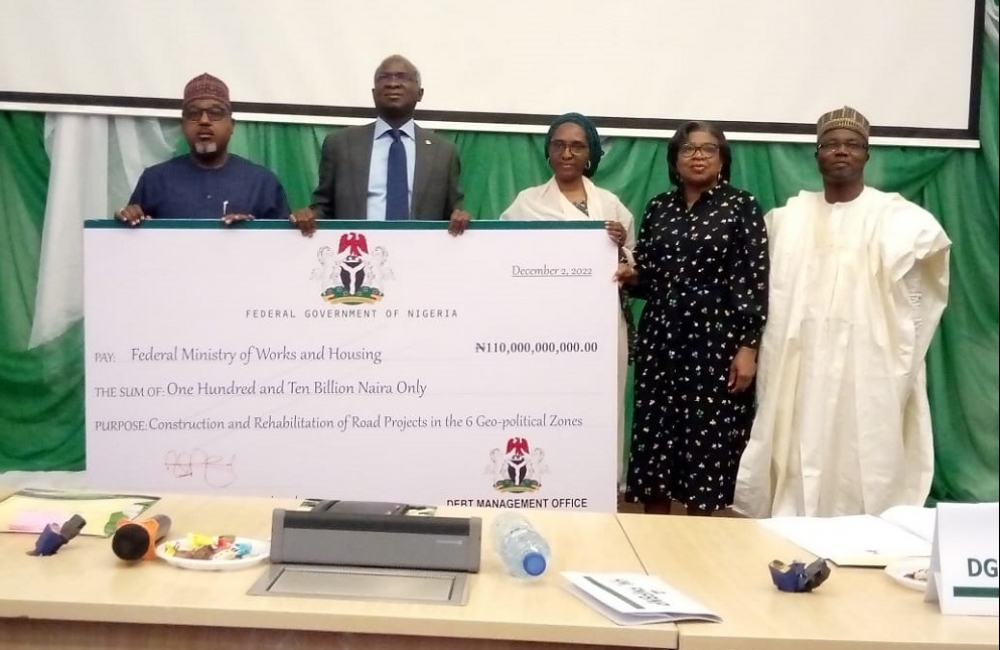
Works Ministry Gets N110b SUKUK Funding for Roads. The Federal Ministry of Works and Housing on Monday received a cheque of N110 billions of SUKUK funding for the execution of critical road projects across the six geo-political zones of the country. Two Ministries benefited from a total of N130 billion 2022 SUKUK Fund, these are: Federal Ministry of Works and Housing and the Federal Capital Territory. While the Federal Ministry of Works and Housing received N110 billion, the Ministry of the Federal Capital Territory received N20 billion. The SUKUK fund is a form of Public Private Partnership (PPP) which was among the funding options adopted by the Federal Government under President Muhammadu Buhari to fund the construction of critical roads in Nigeria. Receiving the cheque on behalf of the Ministry, the Minister of Works and Housing, Mr. Babatunde Fashola, SAN gave an account of the nature of the nation’s road before the introduction of the SUKUK funding. According to him, the total capital budget for road projects across the nation for Federal Ministry of Works and Housing in year 2015 was N18 billion. He said: “As of 2015 the Capital budget for Works was just N18 billion for all Nigerian roads at the time oil prices were just dropping shy of a hundred dollar per barrel and all that could be committed to Nigerian roads was just N18 billion.” Explaining the impact of the meager amount spent on Nigerian roads then, he said that construction companies were therefore laying off staff because the Federal Government was owning these companies. “That was the story before SUKUK,” he said. Fashola stated that this development could not fund the nation’s road projects adequately, adding that despite the fact that the Capital budget position of the Ministry was moved from N18 billion to over N260 billion in 2016, Federal Government had to look into alternative sources of funding road projects because that was not still enough. “That is where the SUKUK funding came in and through the SUKUK, we have completed several road and bridge projects across the six geo-political zones of the country,”. According to him, SUKUK financing has enhanced the completion of some of the priority road and bridge projects across the country. Earlier the host, Minister of Finance, Budget & National Planning, Dr. Zainab Shamsuna Ahmed while presenting the cheque to the two Ministries said that President Muhammadu Buhari was committed to the development of road infrastructure of the country. While listing the intervention of the Federal Government of Nigeria Sovereign SUKUK Fund in the Nation’s Road infrastructure, Dr. Ahmed disclosed that in 2017, the sum of N100 Billion was expended on the nation’s road infrastructure, N200 Billion in 2018, N362.56 Billion in 2020, N612.56 Billion in 2021, and N742.56 Billion in 2022 respectively. She said: “This symbolic event therefore is part of the celebration of the contribution of the Sovereign SUKUK Fund to road infrastructure development over the years.” ...
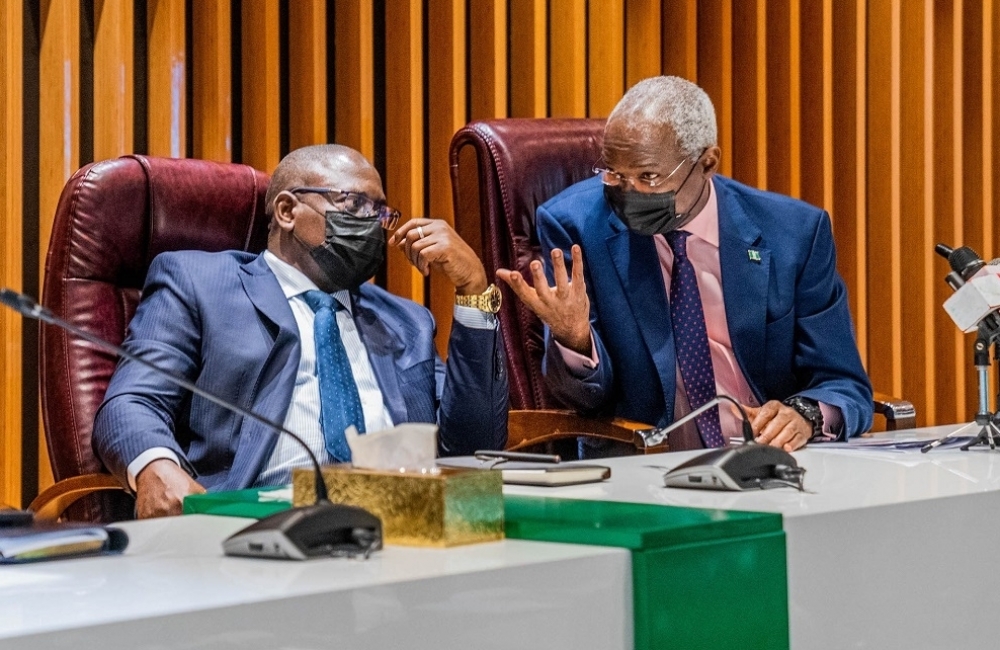
Implementation Of Phase Two Of NNPC-Funded Tax Credit Scheme On 44 Road Projects Nationwide Gains Momentum • As Fashola Convenes Stakeholders’ Meeting, unveil roads • Describes policy as a very defining legacy for President Buhari • NNPCL, FIRS other stakeholders pledge to sustain funding till completion • Contractors pledge timely delivery of quality road infrastructure • This Minister has set a record of achievements – NARTO President With appreciable progress being made in the first Phase, the implementation of the Nigerian National Petroleum Corporation Limited and Federal Inland Revenue Service (NNPCL/FIRS) Second Phase for the rehabilitation and construction of 44 critical roads across the country under the Tax Credit Scheme initiative of the Federal Government gained momentum Tuesday as the Minister of Works and Housing convened a meeting of the Stakeholders and briefed the press while also unveiling the roads. The Meeting came barely a fortnight after the approval of the Memorandum on the proposal by the NNPC and its subsidiaries, NNPC Exploration and Production (NEPL) and NNPC Gas Infrastructure Company Limited (NGIC) to undertake the rehabilitation of 44 roads spread across the six geopolitical zones of the country. The selected roads, amounting to 4,554.19 kilometres, include those in the South-South zone which are the Completion of Benin-Warri Dual Carriageway, Edo/Delta States; East-West Road, (Section I) Warri-Kaiama in Delta/Bayelsa States; East-West Road (Section II –I) Port Harcourt-Ahoada in Rivers State; East-West Road (Section II-II) Ahoada-Kaiama in Rivers/Bayelsa States and East-West Road (Section III) Onne Junction-Eket in Akwa Ibom State. Others are Dualization of East-West Road (Section IV) Eket-Oron also in Akwa Ibom; Upgrading of 15-kilometre Port Harcourt-Onne Junction (Section IIIA) in Rivers State; Construction of Eket Bypass (Dual Carriageway) in Akwa Ibom State; Dualization of Lokoja-Benin Road: Obajana Junction-Benin Section II Phase I: Okene-Auchi, Kogi/Edo States; Dualization of Lokoja-Benin Road: Obajana Junction-Benin Section III Phase I: Auchi-Ehor, Kogi/Edo States; Dualization of Lokoja-Benin Road: Obajana Junction-Benin Section IV Phase I: Ehor-Benin City; and Nembe-Brass Road in Bayelsa State. All the roads amount to a total of 1,308.3 kilometres. The North East Zone has a total of 1,054 kilometres consisting of Rehabilitation of Yola-Mubi-Maiduguri Road in Adamawa/Borno States; Rehabilitation of Maiduguri - Monguno Road; Rehabilitation of Numan-Jalingo Road in Taraba/Adamawa States; Rehabilitation of Yola-Hong-Mubi Road in Adamawa State; Reconstruction of Bali-Serti-(Gashaka)-Gembu Road in Taraba State; and Rehabilitation of Yashi - Deguri - Yalo Road in Bauchi State. North Central zone has 763.13 kilometres consisting of Rehabilitation of Minna-Zungeru-Tegina-Kontagora Road in Niger State, Section I: Minna-Tegina; Rehabilitation of Minna-Zungeru-Tegina-Kontagora Road in Niger State, Section II: Tegina-Kontagora; Shendam-Yelwa-Mato Junction-Taraba Border with Spurs in Plateau/Taraba States; Dualization of Suleija-Minna Road in Niger State: and Dualization of Lokoja-Benin Road: Obajana Junction-Benin Section I Phase I: Obajana-Okene, Kogi State. Others include the Reconstruction of the existing Pavement and Completion of the additional Pavement on the Dualisation of Abuja - Lokoja Highway Section Ill: Abaji - Koton Karfe Road in Abuja/ Kogi State; Construction of the Jarmai-Bashar-Zuruk-Andame-Karim Lamido Road in Plateau and Taraba States; Reconstruction and Expansion of Mararaba - Keffi Road in Nasarawa State. The North West Zone has a total of 980 Kilometres of roads being reconstructed consisting of Dualization of Zaria-Funtua-Gusau-Sokoto Road in Kaduna, Katsina, Zamfara and Sokoto States: Section I Zaria-Funtua-Gusau; Dualization of Zaria-Funtua-Gusau-Sokoto Road in Kaduna, Katsina, Zamfara and Sokoto States: Section II Gusau-Sokoto Road; Dualization of Zaria-Funtua-Gusau-Sokoto Road in Kaduna, Katsina, Zamfara and Sokoto States: Section II Gusau-Sokoto Road in Zamfara State; Dualization of Zaria-Funtua-Gusau-Sokoto Road in Kaduna, Katsina, Zamfara and Sokoto States: Section III Gusau-Sokoto Road in Zamfara and Sokoto States; Dualization and Construction of Kano-Kwanar Dauja-Hadejia Road in Kano/Jigawa States, Section I. Tsalle-Hadejia; Dualization and Construction of Kano-Kwanar Dauja-Hadejia Road in Kano/Jigawa States, Section II. Kano-Tsalle; and Rehabilitation of Kaduna-Pambeguwa-Jos Road in Kaduna/Plateau States. South East has 297.52 kilometres of roads consisting of Rehabilitation of Aba - Owerri Road NNPC Depot Expressway, Abia State; Rehabilitation of Otuocha - Anam- Nzam- Innoma-Iheaka- Ibaji Section of Otuocha - Ibaji-Odulu-Ajegwu in Anambra State; Construction of Ihiala-Orlu-Umuduru Road (Ihiala-Amaifeke Section) and Completion of Spur in Isseke Town-Amafuo-Uli in Imo/Anambra States. It also includes Rehabilitation of Old Enugu - Onitsha Road (Opi Junction - Ukehe Okpatu-Aboh Udi-Oji to Anambra Border) in Enugu State; Construction of Omor-Umulokpa Road in Anambra and Enugu States; Rehabilitation of Ozalla-Akpugo-Amagunze-Ihuokpara-Nkomoro-Isu-Onicha (Enugu-Onicha) with a Spur to Onunweke in Enugu State; and Rehabilitation of Old Enugu – Port Harcourt Road (Agbogugu-Abia Border Spur to Mmaku) in Enugu State. The South-West has a total of 150.56 Km of roads consisting of Rehabilitation and Expansion of Lagos-Badagry Expressway (Agbara Junction-Nigeria/Benin Border) in Lagos State; Dualization of Akure-Ita Ogbolu-Iju-Ado Ekiti State Road, Section I: Akure - Ita Ogbolu - Iju - Ekiti State Border in Ondo State; and Dualization of Akure-Ita Ogbolu-Iju-Ado Ekiti State Road, Section II: Ita Ogbolu - Iju – Ado-Ekiti in Ekiti State. In his remarks at the Meeting and Press Briefing, Fashola described the public private sector agreement as a very defining legacy for President Muhammadu Buhari pointing out that the impact of the “very innovative investment policy” would help Nigeria to really do business both locally and internationally being a sound infrastructure-based investment policy on which business is done. The Minister, who recalled that back in 2015 at the inception of the Buhari Administration, contractors were being owed two to three years’ payment arrears resulting in the shutdown of many project sites and laying off of construction workers by the companies, added that the Buhari administration arrested the situation by budgetary expansion from N18 billion for the whole of Nigeria’s road by the previous administration to N260 billion in 2016. “You were being owed”, the Minister reminded the contractors at the Meeting. “Some of the complaints that I heard at the first meetings that I had with many of you when I was first appointed Minister were that you were paid only 10 percent advance payment two or three years ago. That was how bad the construction industry was when we started”, he said adding that some of the roads were contracted back to “the private sector” to go and raise fund to finance them. Fashola, who also recalled that the roads contracted to the private sector, included the Lagos-Ibadan Expressway and the Second Niger Bridge, among others, added, “But where was the private sector going to raise hundreds of billions of Naira to fund them”. He explained that the Buhari administration had to utilize more practical funding initiatives like SUKUK. Recalling the controversies and criticisms that followed the borrowing option which the administration chose to fund the road and bridge projects, the Minister, who acknowledged the concern of the people over debt, however, added, that the debts “are buying roads, bridges, airports and seaports, assets that will last and sustain Nigeria’s development for the next 50 years”. He pointed out that the administration also met debt when it took power adding, however, that the difference between it and its predecessor was that the debts it met on assumption of office in 2015 had no assets attached to them while the Buhari administration invested its debts on infrastructure assets. He said the choices at the time were either borrow or increase taxation noting that without any of the choices, the economy would collapse. Faced with the choices, the Minister said, the administration took the borrowing option and also utilized an expansionist fiscal budget from N18 billion to N260 billion, adding that it thereafter supported the SUKUK and also went to recover some of the monies taken away from this country which today, according to him, “are building Abuja-Kano Highway, Lagos-Ibadan and the nearly completed 2ndNiger Bridge”. Giving a brief history of the NNPC/FIRS agreement, Fashola, who said that the NNPCL was investing its resources into infrastructure, explained the ideology of the Road Infrastructure Development and Refurbishment Investment Tax Credit Scheme as “a new model of partnership with the private sector companies whereby government is saying, “Give me my tax in advance and I will invest it in infrastructure”. “That model is why all of you are here”, he told the audience consisting of funding agencies and government representatives as well as contractors and newsmen adding that the innovation “shows the clear difference between two different government policies and it shows how they affect your businesses”. On the 44 roads, Fashola, who explained that many of them have been contracted but without funds to execute them, told the contractors, “This intervention, therefore, is to complete those roads and the NNPCL is providing the fund. And this is the crux; because it means that whether we are here, Buhari is here but is going in the next four months, there is sustainability in the completion of these roads. And they have assured me that when you work to specification, the money is there”. Noting that there are 21 roads in Phase One of the Scheme covering 1,804.6 kilometres, Fashola explained that there are other interventions by other groups like the Dangote Group, the NLNG Group in Bodo-Bonny, the MTN Group in Enugu-Onitsha Highway and others adding that this represented a very defining moment for the construction industry and allied industries. The Minister appealed to all the communities encroaching on the right-of-way along the road corridors to vacate the places adding that all the claims for compensation by people who have encroached on such right-of-way would not be honoured while they must quit the encroached places or risk forceful ejection. “Our right-of-way is 45.75 metres from both sides of the centre line. Many of the people who have built petrol stations and shops are inside our right-of-way. We will not pay compensation to those who have trespassed into our land, so they must leave”, he said appealing, however, that where the government needs right-of-way outside its zone, State governments, Village and Traditional Heads should appeal to their people to allow passage. Fashola added, “These roads are not taking away your lands rather they are bringing prosperity to you and we expect that in the process of nation building everyone must be ready to contribute something”. Highlighting the benefits of the revitalized construction industry to the economy, the Minister declared, “We have increased the number of quarrying companies, sand quarrying has also increased from 247 to 302. Granite quarrying companies have also increased from 334 to 655 and those who are quarrying laterite have increased from 108 to 259”. Describing quarrying as a driver of the construction industry, the Minister who said it is impossible to build roads without laterite and granite, added “And this translates to jobs as we build more quarries. I am sure members of NARTO and NURTW who are here can begin to calculate how many trucks trips and how much income that could bring. I was at their AGM recently and the least they could say is “Business is good”. This is the impact of a policy that is driving the economy”. The Minister also cautioned the Contractors against variation in the contract noting that the agreement was very specific on the variation. He declared, “So if you are going to ask for variation please opt out and say you cannot carry on with the programme. That is one of the reasons we are signing the agreement; and that is from the investors’ side because they are not factoring in variation”. He appealed to the financiers for timely payment of certificates for work done adding, “We need to improve the governance side of payment so that when receipts come, payments should not be delayed unnecessarily. Delayed payments increase the chances of variation. So, it is critical now that we also, with dispatch, sign the contracts when we are able, start the work so that we can process all the advance payments”. He urged the legal department of the Ministry to hasten the preparation of the documents so the agreement could be signed soon adding, “We have just finished our EMBER Months programme so this meeting is very strategic and we should handle it properly. The NNPC and FIRS are ready to go. So, I call on our legal department to accelerate the completion of this agreement. The Minister also warned the contractors, “Quality must not be compromised; they will have their own consultants. So, if their consultant queries the quality of your job, you don’t get paid. We don’t have the money; they have the money”. Those who spoke at the event included the Group Managing Director of NNPCL represented by the Chief Financial Officer, Mr. Umar Ajiya, the Chairman of the FIRS, Mr. Mohammed Nami, who all pledged to ensure the success of the Scheme, representatives of the contractors and President of NARTO, President of the NURTW who all hailed the Buhari administration and the Minister for driving the economy positively through massive investment in infrastructure. According to the NARTO President, “This Minister has set a record of achievements”. ...
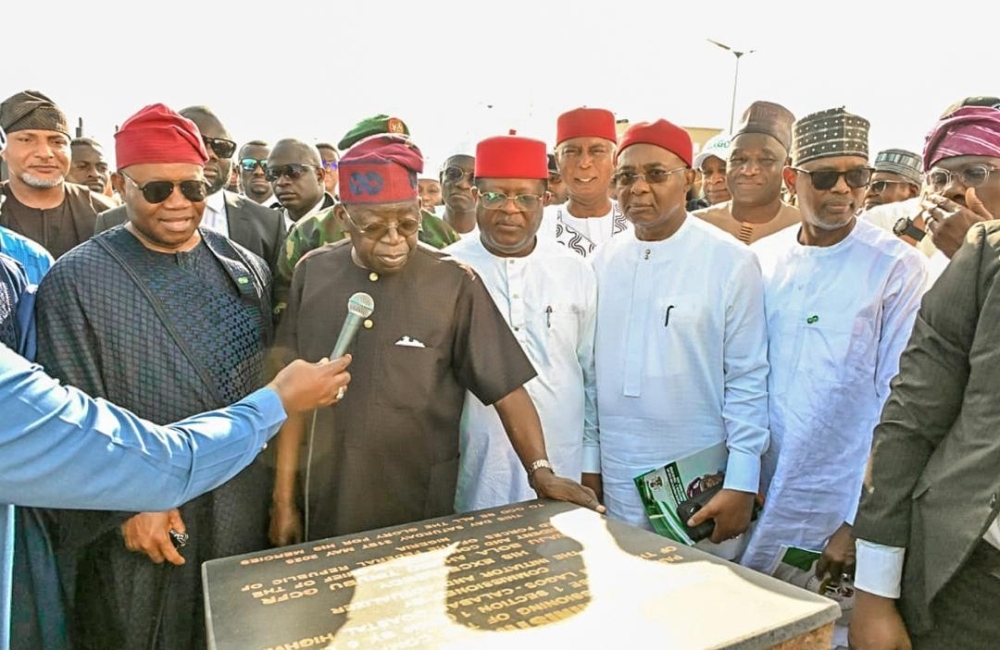
DRIVING NIGERIA’S FUTURE: CELEBRATING TWO YEARS OF TRANSFORMATIVE LEADERSHIP AND THE LAGOS-CALABAR COASTAL HIGHWAY MILESTONE
DRIVING NIGERIA’S FUTURE: CELEBRATING TWO YEARS OF TRANSFORMATIVE LEADERSHIP AND THE LAGOS-CALABAR COASTAL HIGHWAY MILESTONE
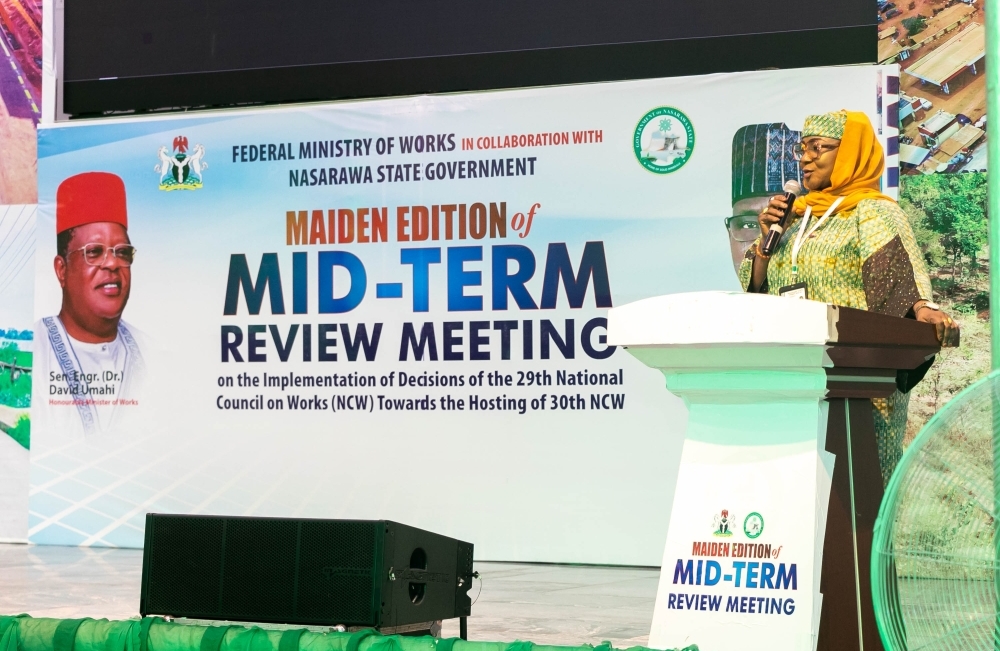
MID -TERM REVIEW MEETING ON THE IMPLIMENTATION OF THE DECISIONS REACHED AT THE 29TH NATIONAL COUNCIL ON WORKS (NCW) DAY 1
MID -TERM REVIEW MEETING ON THE IMPLIMENTATION OF THE DECISIONS REACHED AT THE 29TH NATIONAL COUNCIL ON WORKS (NCW) DAY 1