GORONYO COMMENDS SOKOTO GOVERNOR FOR DONATING 10 HILUX VEHICLES TO STRENGTHEN SECURITY ALONG SOKOTO–BADAGRY SUPERHIGHWAY
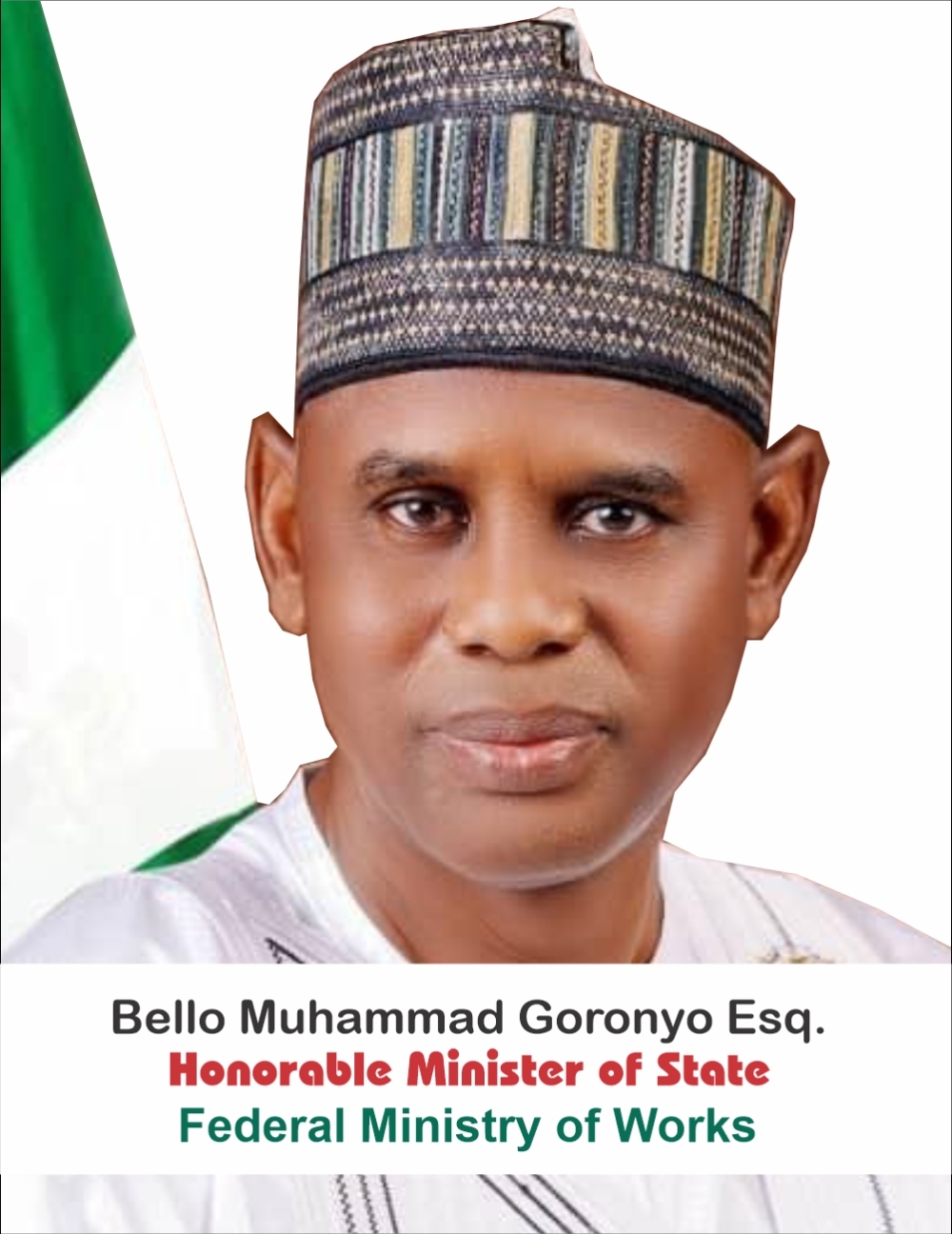
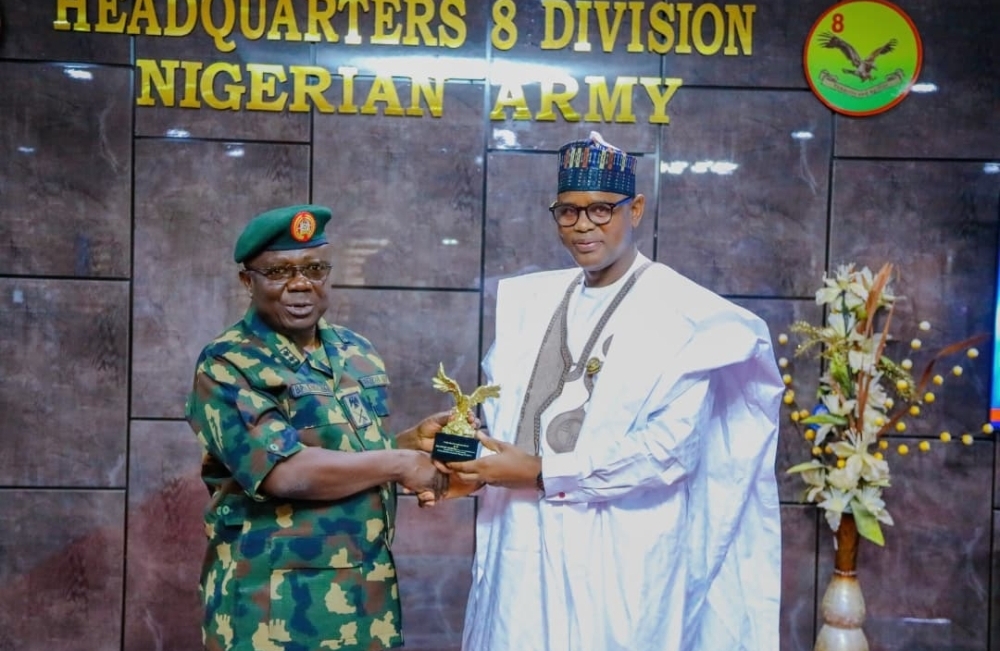
The Honourable Minister of State for Works, Rt. Hon. Bello Muhammad Goronyo, Esq., has commended the Governor of Sokoto State, Dr. Ahmed Aliyu Sokoto, PhD, for donating 10 operational Toyota Hilux vehicles to strengthen security operations along the Sokoto–Badagry Superhighway and other strategic infrastructure corridors.
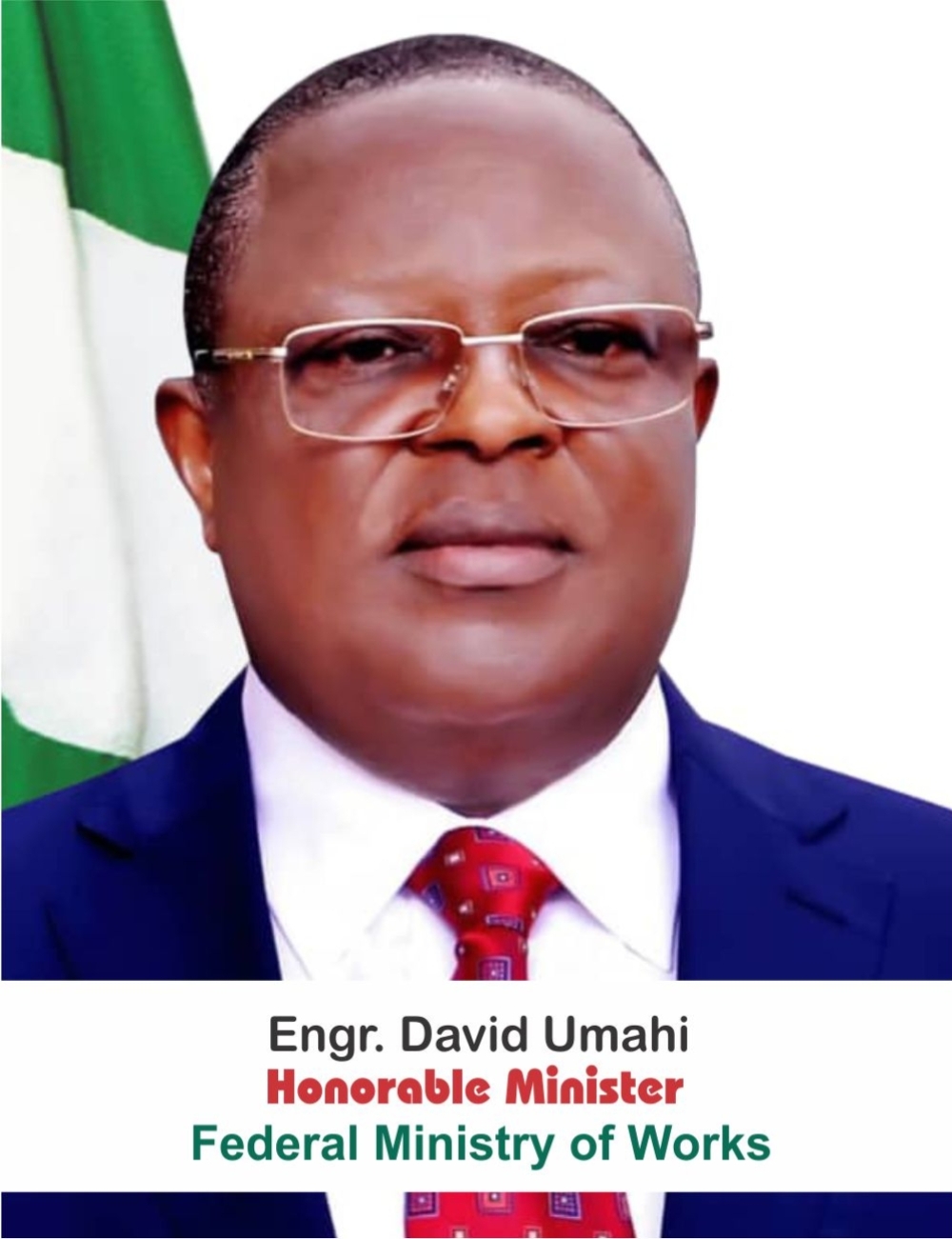
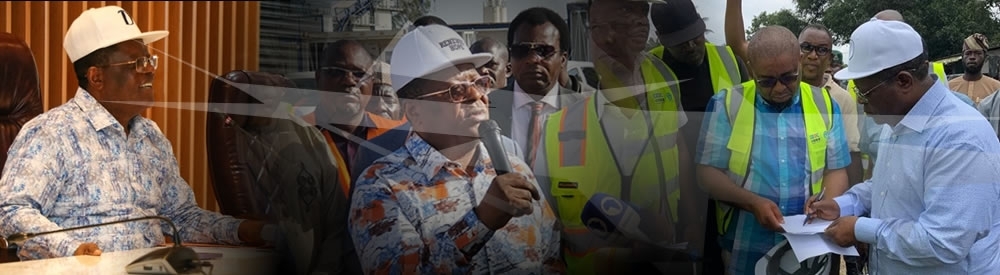
The vehicles were formally commissioned and handed over to the Nigerian Army at the Headquarters of the 8 Division, Nigerian Army, Sokoto, on Thursday, October 8, 2026, by the Honourable Minister of State for Works, on behalf of the Honourable Minister of Works, Engr. David Nweze Umahi, CON, FNSE.
The donation is expected to enhance the operational capacity of military personnel and other security agencies responsible for protecting construction workers, contractors, equipment and host communities along the highway corridor.
Speaking during the ceremony, Goronyo described the donation as a demonstration of the Sokoto State Government’s commitment to national development and the successful implementation of President Bola Ahmed Tinubu, GCFR’s Renewed Hope Agenda, particularly its landmark infrastructure projects.
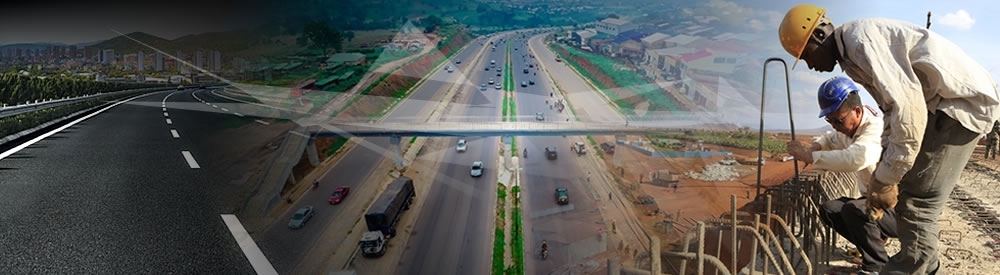
The Minister emphasised that the Sokoto–Badagry Superhighway represents a long-standing national infrastructure vision that dates back several decades, with its conception traced to the era of former President Shehu Shagari in the 1970s. However, the vision remained unrealised for decades until the administration of President Bola Ahmed Tinubu, GCFR, initiated the construction of the 1,068-kilometre highway in October 2024.
He described the project as a significant step towards translating a historic aspiration into tangible infrastructure that will connect communities, expand economic opportunities and strengthen national integration.
According to Goronyo, President Tinubu’s commitment to the project demonstrates the Federal Government’s determination to bridge critical infrastructure gaps and improve connectivity between northern and southern Nigeria.
He noted that the superhighway, which traverses Sokoto, Kebbi, Niger, Kwara, Oyo, Ogun and Lagos states, is designed to facilitate the movement of people and goods, reduce transportation costs, stimulate trade, create employment and open up new economic opportunities along its route.
The Minister added that the highway would improve access to markets, schools, healthcare facilities and other essential services while supporting agriculture, commerce, industry and the development of communities across the corridor.
He stressed that the successful delivery of the project would require sustained commitment, effective coordination and cooperation among the Federal Government, state governments, security agencies, contractors and host communities.
Goronyo maintained that effective security remained essential to the timely and successful completion of the Sokoto–Badagry Superhighway. He explained that the provision of operational vehicles would strengthen the mobility and response capabilities of security personnel deployed to safeguard the project and its surrounding communities.
The Minister highlighted other strategic infrastructure projects being undertaken by the Federal Government, including the Lagos–Calabar Coastal Highway, the Calabar–Abuja/Trans-Saharan corridor, the Akwanga–Jos–Bauchi–Gombe corridor, the Abuja–Kaduna–Zaria–Kano route and the Zaria–Gusau–Sokoto corridor.
He explained that these projects form part of the Federal Government’s broader commitment to developing an integrated road network capable of supporting commerce, strengthening inter-state connections and accelerating national economic growth.
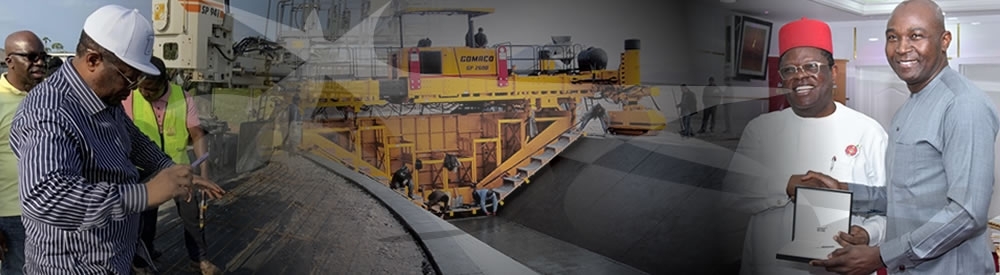
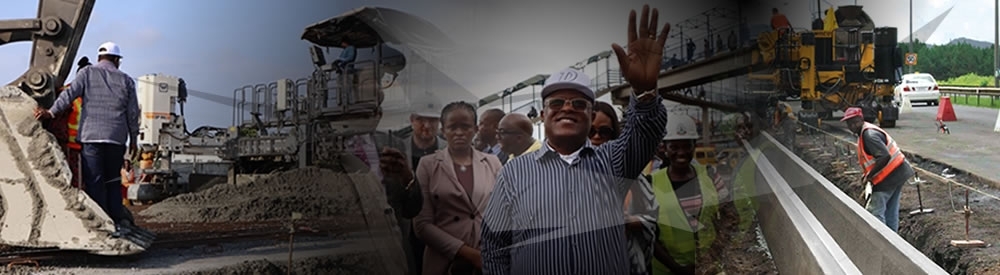
Rt. Hon. Goronyo further noted that the use of continuously reinforced concrete pavement on the Sokoto–Badagry Superhighway was intended to provide durable road infrastructure capable of serving Nigerians for decades. He added that complementary environmental and safety measures, including tree planting and solar-powered street lighting where provided for in the project, would contribute to environmental sustainability, visibility and road safety.
Goronyo commended the Nigerian Army and other security agencies for their resilience, professionalism and sacrifices in protecting lives, property and critical national infrastructure. He acknowledged the difficult conditions under which security personnel operate and urged them to remain steadfast in carrying out their constitutional responsibilities.
The Honourable Minister also expressed deep condolences to the Nigerian military over the reported loss of personnel in a bandit attack while on official duty the previous day. He described the loss as painful and extended his sympathy to the affected personnel, their colleagues and bereaved families, while praying for the peaceful repose of the departed and strength for their loved ones.
He further acknowledged the support of the National Security Adviser in addressing security challenges associated with the project, particularly through assistance and coordination aimed at strengthening security operations along the highway corridor.
Reaffirming his commitment to the Federal Government’s infrastructure development agenda, Goronyo said the Ministry of Works would continue to support the implementation of strategic projects under President Tinubu’s leadership, working in collaboration with relevant stakeholders to ensure their successful delivery.
He expressed optimism that the continued implementation of the Federal Government’s development programmes would bring lasting benefits to Nigerians, while acknowledging the complementary role of the Sokoto State Government in supporting infrastructure development and security.
In his remarks, the General Officer Commanding (GOC), 8 Division, Nigerian Army, Sokoto, Major General Bengba Paul Koughna, expressed appreciation to the Federal Government, the Federal Ministry of Works and the Sokoto State Government for the donation of the 10 Hilux vehicles.
The GOC noted that the vehicles would significantly enhance the operational mobility and response capabilities of troops deployed along the highway corridor, particularly across the approximately 440-kilometre section extending through Sokoto and Kebbi states.
He explained that troops conduct regular patrols and maintain multiple deployment points along the corridor, making the additional vehicles a valuable boost to their operational effectiveness.
He assured the Minister that the vehicles would be deployed appropriately to support security operations and protect construction workers, contractors, equipment and other stakeholders involved in the project.
The GOC also commended the representative of Hitech Construction Company, retired General Sa'ad Abubakar, for the company's involvement in the project.
The event was attended by retired Assistant Inspector-General of Police (AIG) Aliyu Garba, officials of the Federal Ministry of Works, representatives of the Sokoto State Government and other stakeholders.
The donation underscores the importance of sustained collaboration among the Federal Government, state governments, security agencies, contractors and host communities in addressing security challenges and ensuring the safe and timely delivery of strategic infrastructure projects.
The Federal Ministry of Works reiterates its commitment to working with all relevant stakeholders to protect national infrastructure and advance the objectives of President Bola Ahmed Tinubu, GCFR’s Renewed Hope Agenda for sustainable economic growth and development.

GORONYO COMMENDS SOKOTO GOVERNOR FOR DONATING 10 HILUX VEHICLES TO STRENGTHEN SECURITY ALONG SOKOTO–BADAGRY SUPERHIGHWAY The Honourable Minister of State for Works, Rt. Hon. Bello Muhammad Goronyo, Esq., has commended the Governor of Sokoto State, Dr. Ahmed Aliyu Sokoto, PhD, for donating 10 operational Toyota Hilux vehicles to strengthen security operations along the Sokoto–Badagry Superhighway and other strategic infrastructure corridors. The vehicles were formally commissioned and handed over to the Nigerian Army at the Headquarters of the 8 Division, Nigerian Army, Sokoto, on Thursday, October 8, 2026, by the Honourable Minister of State for Works, on behalf of the Honourable Minister of Works, Engr. David Nweze Umahi, CON, FNSE. Speaking during the ceremony, Goronyo described the donation as a demonstration of the Sokoto State Government’s commitment to national development and the successful implementation of President Bola Ahmed Tinubu, GCFR’s Renewed Hope Agenda, particularly its landmark infrastructure projects. The Minister emphasised that the Sokoto–Badagry Superhighway represents a long-standing national infrastructure vision that dates back several decades, with its conception traced to the era of former President Shehu Shagari in the 1970s. However, the vision remained unrealised for decades until the administration of President Bola Ahmed Tinubu, GCFR, initiated the construction of the 1,068-kilometre highway in October 2024. He described the project as a significant step towards translating a historic aspiration into tangible infrastructure that will connect communities, expand economic opportunities and strengthen national integration. According to Goronyo, President Tinubu’s commitment to the project demonstrates the Federal Government’s determination to bridge critical infrastructure gaps and improve connectivity between northern and southern Nigeria. The Minister added that the highway would improve access to markets, schools, healthcare facilities and other essential services while supporting agriculture, commerce, industry and the development of communities across the corridor. Goronyo maintained that effective security remained essential to the timely and successful completion of the Sokoto–Badagry Superhighway. He explained that the provision of operational vehicles would strengthen the mobility and response capabilities of security personnel deployed to safeguard the project and its surrounding communities. The Minister highlighted other strategic infrastructure projects being undertaken by the Federal Government, including the Lagos–Calabar Coastal Highway, the Calabar–Abuja/Trans-Saharan corridor, the Akwanga–Jos–Bauchi–Gombe corridor, the Abuja–Kaduna–Zaria–Kano route and the Zaria–Gusau–Sokoto corridor. Rt. Hon. Goronyo further noted that the use of continuously reinforced concrete pavement on the Sokoto–Badagry Superhighway was intended to provide durable road infrastructure capable of serving Nigerians for decades. He added that complementary environmental and safety measures, including tree planting and solar-powered street lighting where provided for in the project, would contribute to environmental sustainability, visibility and road safety. Goronyo commended the Nigerian Army and other security agencies for their resilience, professionalism and sacrifices in protecting lives, property and critical national infrastructure. He acknowledged the difficult conditions under which security personnel operate and urged them to remain steadfast in carrying out their constitutional responsibilities. The Honourable Minister also expressed deep condolences to the Nigerian military over the reported loss of personnel in a bandit attack while on official duty the previous day. He described the loss as painful and extended his sympathy to the affected personnel, their colleagues and bereaved families, while praying for the peaceful repose of the departed and strength for their loved ones. He further acknowledged the support of the National Security Adviser in addressing security challenges associated with the project, particularly through assistance and coordination aimed at strengthening security operations along the highway corridor. Reaffirming his commitment to the Federal Government’s infrastructure development agenda, Goronyo said the Ministry of Works would continue to support the implementation of strategic projects under President Tinubu’s leadership, working in collaboration with relevant stakeholders to ensure their successful delivery. He expressed optimism that the continued implementation of the Federal Government’s development programmes would bring lasting benefits to Nigerians, while acknowledging the complementary role of the Sokoto State Government in supporting infrastructure development and security. In his remarks, the General Officer Commanding (GOC), 8 Division, Nigerian Army, Sokoto, Major General Bengba Paul Koughna, expressed appreciation to the Federal Government, the Federal Ministry of Works and the Sokoto State Government for the donation of the 10 Hilux vehicles. The GOC noted that the vehicles would significantly enhance the operational mobility and response capabilities of troops deployed along the highway corridor, particularly across the approximately 440-kilometre section extending through Sokoto and Kebbi states. He explained that troops conduct regular patrols and maintain multiple deployment points along the corridor, making the additional vehicles a valuable boost to their operational effectiveness. He assured the Minister that the vehicles would be deployed appropriately to support security operations and protect construction workers, contractors, equipment and other stakeholders involved in the project. The GOC also commended the representative of Hitech Construction Company, retired General Sa'ad Abubakar, for the company's involvement in the project. The event was attended by retired Assistant Inspector-General of Police (AIG) Aliyu Garba, officials of the Federal Ministry of Works, representatives of the Sokoto State Government and other stakeholders. The Federal Ministry of Works reiterates its commitment to working with all relevant stakeholders to protect national infrastructure and advance the objectives of President Bola Ahmed Tinubu, GCFR’s Renewed Hope Agenda for sustainable economic growth and development.
The donation is expected to enhance the operational capacity of military personnel and other security agencies responsible for protecting construction workers, contractors, equipment and host communities along the highway corridor.
He noted that the superhighway, which traverses Sokoto, Kebbi, Niger, Kwara, Oyo, Ogun and Lagos states, is designed to facilitate the movement of people and goods, reduce transportation costs, stimulate trade, create employment and open up new economic opportunities along its route.
He stressed that the successful delivery of the project would require sustained commitment, effective coordination and cooperation among the Federal Government, state governments, security agencies, contractors and host communities.
He explained that these projects form part of the Federal Government’s broader commitment to developing an integrated road network capable of supporting commerce, strengthening inter-state connections and accelerating national economic growth.
The donation underscores the importance of sustained collaboration among the Federal Government, state governments, security agencies, contractors and host communities in addressing security challenges and ensuring the safe and timely delivery of strategic infrastructure projects.
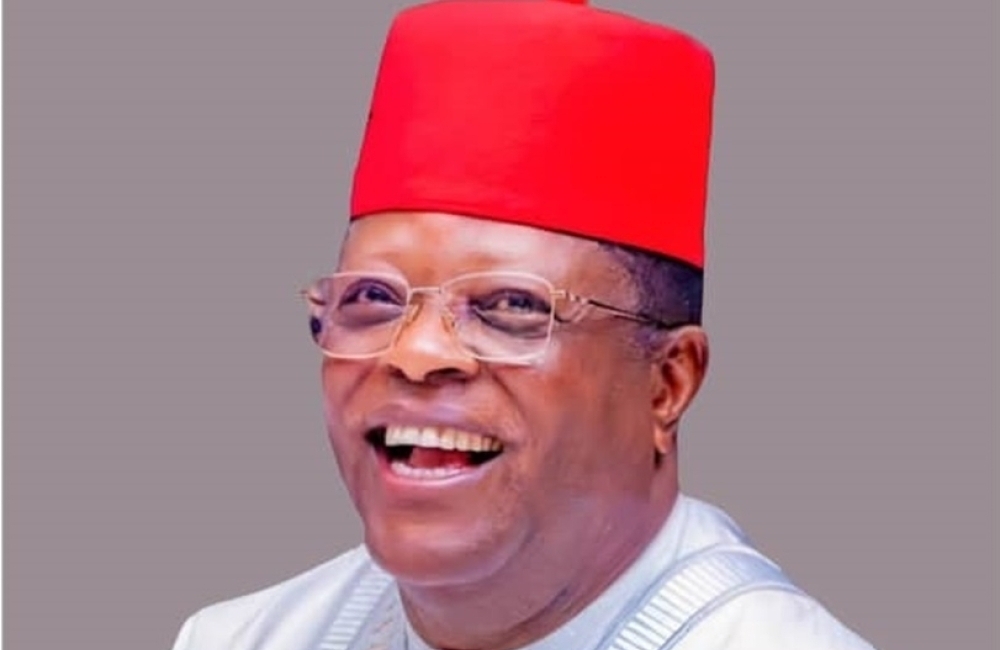
10 DAYS TO THE 2024 BIRTHDAY ANNIVERSARY OF A MAN OF GREAT INTUITIVE SAGACITY AND STEWARD LEADERSHIP, AN INGENIOUS INNOVATOR AND DOYEN OF HUMAN CAPITAL TRANSFORMATION The hall of fame of people with transformative powers in contemporary Nigeria's democratic leadership trajectory surely flourishes with records of people who have made remarkable impacts in inspiring positive transformation in all spheres of territorial governance. I am proud to speak to the great attributes of the Honourable Minister of Works, His Excellency, Sen. Engr. Nweze David Umahi CON and his contributions in positively changing the narrative of every domain of national and subnational territorial governance where he has the opportunity to serve humanity. Born on 25th July 1963 to the humble family of late Elder and Deaconess Joseph Umahi Nweze in Umunaga Uburu in Ohaozara Local Government Area of Ebonyi State, Sen. Umahi, by nature, nurture and inclination, is a humble servant leader and innovator, a passionate problem solver and development strategist, and an exemplary leader with transformative powers. He is best described as a man of great intuitive sagacity and steward leadership, an ingenious innovator and rare doyen of human capital transformation. Sen. Umahi's impacts as a successful captain of industry, Deputy Governor, Governor of Ebonyi State for 8 years, Chairman of South East Governors' Forum for 8 years, Chairman of Southern Governors' Forum, first Deputy Majority Leader of the 10th Senate and Chair of the Senate's Integrity Group, and now Honourable Minister of Works, Federal Republic of Nigeria, have added a significant value in the development milestones of our country. He is a great benefactor as many have received his magnetic and magnificent inspirations of love, compassion, mentorship, philanthropy, and empowerment. He is a gem of inestimable value, a wealth creator, and a great political stabilizer; he is a seasoned advocate and proclaimer of justice, equity, and good conscience; he is a nationalist, bridge builder and patriot. Among his landmark triumphs in his political sojourn is his vision to become Governor, which was perfected by God alone in the most historic and symbolic manner, and his record-breaking performance as Governor that thrilled human imaginations; his prophetic declaration for national mainstreaming through the progressive platform of All Progressives Congress (APC) at a time the journey seemed suicidal and his victorious flags and flying colours that outwitted all legal and extra-legal recourses that ambushed his generous political calculations. Thank God for the inherent rights of appeal that saw him through in both the Court of Appeal and the Supreme Court. Thank God also for the mutual fidelity between him and his successor, who provided the unshaken foundational support that saw him through during the battles. In his new office as Honourable Minister of Works, the waves of road infrastructure transformation and policy innovations are creating greater hopes and returning the desired confidence of road users nationwide in line with the visionary aspirations of the Renewed Hope administration of the President of the Federal Republic of Nigeria, His Excellency President Asiwaju Bola Ahmed Tinubu GCFR, the grand initiator of concrete technology in Nigeria. All these are virtues that deserve our celebration. Thursday, 25th July 2024, is a great day in the hearts of all who have benefitted in one way or the other from the large and kind heart of His Excellency, Sen. Engr. Nweze David Umahi, Commander of Order of the Niger, Fellow Nigerian Society of Engineers, Fellow Nigerian Association of Technologists in Engineering, and Great Grand Commander Ebonyi Hall of Fame, as he shall turn 61 years of impactful life. It is a day to especially remember our benefactor and his family in our prayers and to share our joy, extend our best regards, and convey our best wishes to him, glorifying God for his rewarding service to humanity and his stewardship which he anchors gloriously. Indeed, 25th July is always memorable in our hearts. Hearty cheers in advance to the Honourable Minister of Works. ...
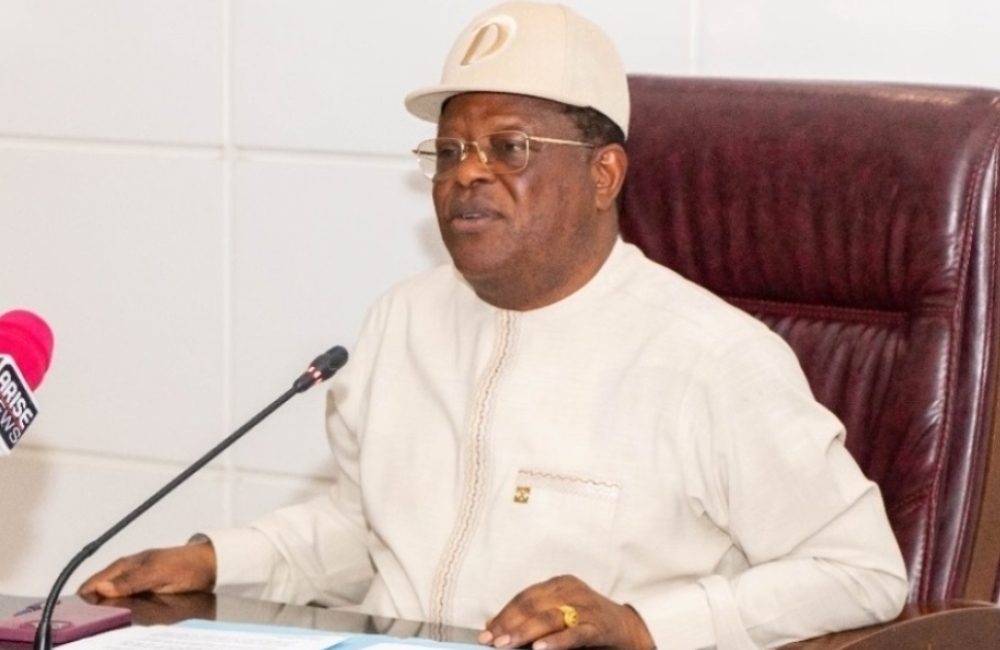
Sokoto-Kebbi Superhighway: Leaders Applaud President Tinubu's Bold Initiative The Minister of Works, Engr. Nweze David Umahi; together with major stakeholders have applauded President Bola Ahmed Tinubu's government for heeding to the cry of millions of Nigerians to resuscitate the 48-year-old Superhighway project. They expressed their appreciation at the stakeholders' meeting held in Birnin-kebbi on the alignment for sections 1 & 2 of the superhighway, covering 120 KM in Sokoto and 258 KM in Kebbi, totaling 378 KM, and ending in Badagry, Lagos State. In his opening remarks, the Honourable Minister disclosed that the superhighway will begin from Illela in Sokoto (120 KM) through Argungu, Bunza, and Kamba, ending at Bida town in Niger State for the first and second phases. Umahi explained that President Bola Ahmed Tinubu would officially kick off the project in Kebbi State, benefiting the people of the state, especially in agriculture, commerce, and boosting security. He stated, "I request the people of Kebbi State and Sokoto State to support this project. Wherever there is a need to compensate the people, we will sit down with you and work it out with the local communities." The Minister noted that the route of the superhighway was the oldest Trans-Sahara trade route, initiated over 48 years ago but not implemented until President Bola Ahmed Tinubu's administration. He emphasized that the federal government would start using concrete for road construction in the Northern region to ensure longevity for up to 100 years. Umahi also highlighted that the federal government had completed many road projects in Sokoto State and promised that all road projects in Kebbi State, particularly the Koko-Mahuta-Dabai and Malando-Wara roads, would be addressed. He added that President Bola Ahmed Tinubu should be commended for implementing the 48-year-old project, which would benefit not only Nigerians but also neighboring countries like Niger Republic, Bénin, and others. In his remarks, the Minister of Budget and Economic Planning, Senator Abubakar Atiku Bagudu, described the project as very important. He noted that President Bola Ahmed Tinubu had asked cabinet members to source funds for executing the project despite global economic challenges. Bagudu stated that the vision of the President was to address the reality on ground and secure necessary funding for the benefit of Nigerians and future generations. He said, "That is why President Bola Ahmed Tinubu directed us to go and source the funds to6 execute our projects. Nigeria is the most vibrant economy with a lot of potential capacity. This project is just the tip of the iceberg. Nigerians should expect many more of such projects." He added that due to the courage and determination of the current administration, world leaders have acknowledged Nigeria's boldness and readiness to assist in areas of need. Kebbi State Governor, Dr. Nasir Idris, commended President Bola Ahmed Tinubu for implementing the project and kicking it off in Kebbi State. Idris sought the state's input on the route passages, noting that the government wanted the project execution to be fair and just to the communities directly benefiting from it. "We need to give our inputs before the conclusion of the project so that we can do justice to our people. We are taking a lion's share of the project, and we have to be just and fair to our people since the project will have direct benefits for them," he said. The Governor also sought the Minister's intervention on the Koko-Mahuta-Dabai and Malando-Wara roads, stressing that the people of these areas, including four LGAs, are suffering due to bad roads. Senator Adamu Aliero, representing Kebbi Central Senatorial District, expressed his full support for the project and urged the Minister to address the Koko-Mahuta-Dabai and Malando-Wara roads. The Chairman of the Senate Committee on Works, Senator Barinade Npigi, commended President Bola Ahmed Tinubu for implementing the project, noting that it had been initiated over 48 years ago. He assured that the Senate would continue to support the Presidency in executing meaningful projects for Nigerians. Hon. Hakeem Alabi, stated that the House of Representatives would also provide legislative support to ensure appropriate budget allocation for the President's projects. Traditional rulers, including the Emir of Argungu Alhaji Samaila Muhammad Mera, pledged support and cautioned against potential flooding during construction. Former Governor Alhaji Saidu Nasamu Dakingari commended President Tinubu for liberating a vast forest area. Abdullahi Ameen Mohammed For: Ag Director Press and Public Relations ...
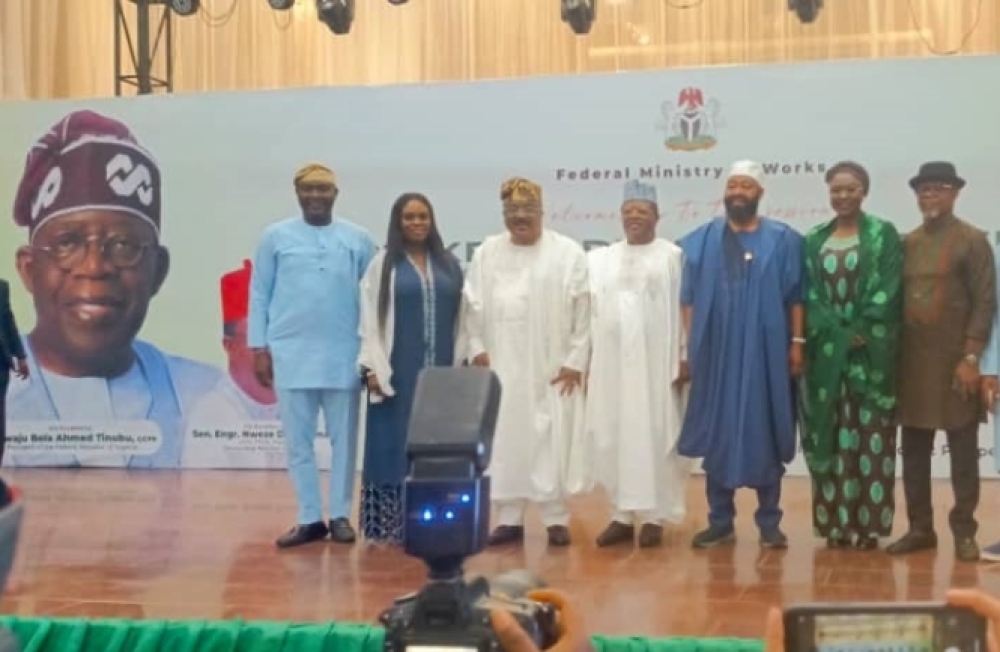
Super-Highway construction: Works Minister call on Investors to leverage on its Economic Potentials The Minister of Works, Sen. (Engr) David Umahi has called on Investors and political stakeholders to leverage on the infrastructural development drive of the Renewed Hope Agenda of President Ahmed Tinubu to boost economic activities in the country. Senator Umahi made the call at the Stakeholders engagement meeting on the alignment of Niger (125klm), Kwara (188klm) which is (313klm) out of 1000klm Super-Highway in Ilorin on 4th July 2024. The Minister further calls on the stakeholders to stand on the mandate of President Bola Ahmed Tinubu to ensure that one of the legacy projects which include the alignment of Sokoto to Badagry Super-Highway is achieved. In his remarks, the Governor of Kwara State, Mallam Abdulahmam Abdulrasaq, who was represented by Kayode Alabi thanked Mr. President and the Minister of Works for this Renewed Hope Legacy Infrastructure Project which connects Kwara to Sokoto 1000km Super-Highway project's which will boost Nigeria's Economic prosperity. Also speaking, the Niger State Governor, Mohamed Umaru Bago states that Nigeria needs a value chain in Agriculture and Road Infrastructure, He called on all the Stakeholders to join hands to move the Renewed Hope Agenda of Mr. President. Bago said in Niger State no compensation will be paid for Road Infrastructure, because the road is for the development of the State. ...
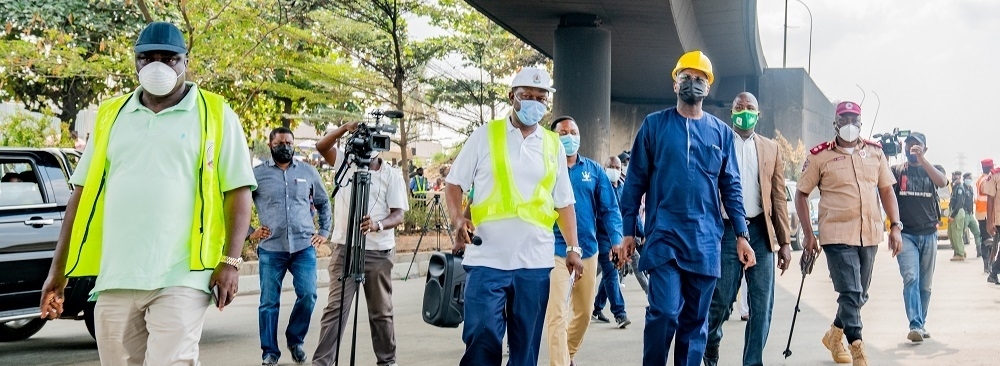
Apapa-Oworonshoki Road Project to Be Delivered by End of 2021
The Federal Director of Highway construction and rehabilitation, Engr Funso Adebiyi has reassured Nigerians that the Apapa/Oshodi Oworpnshoki Expressway project would be completed by the end of 2021.
It could be recalled that Mr. President flagged off the project on 17th November, 2018 to address the heavy grid lock on the expressway with the promise to deliver it in two years.
During an inspection of the 4 sections project over the weekend, Adebiyi said that the road had achieved varied levels of completion on the four sections of the road.
Addressing journalists, he said : " About in overall 61 percentage have been achieve as of today, in the first phase covering 27km ever busy road project. "
Breaking the figures down, he said : "On section 1, we have achieved about 70 percentage completion and on section 3, we have achieved 63 percent.
Continuing, he said: "Section 4 has recorded about 41 percent, which means work is going on in that section. The contract for section 2, has been awarded and work would commence there soon."
The Director explained that before the intervention of Federal Goverment through the Ministry of Works and Housing, the road was in deplorable state and this hindered free flow of traffic on the road.
"But from what we have seen so far on the finished portions of the road, I want to assure you that bad days are over, we have good days here now and better days are ahead of us. So Nigerians should bear with us, we are making progress and I can assure you that by the end of this year, Apapa port users would have the best road because we have made significant progress, " he explained.
Adebiyi noted rhat the current traffic gridlock experience on some sections of the road is not due to the construction but the illegal parking of trailer drivers on the bridge, adding that trailer drivers should make use of the trailler parks along the Corridor and the newly constructed one for transit to the port.
On the economic benefit of the project, the Director of Highway, South-West Engr. Kuti Adedamola said that, adding to the ease of traffic on the road, the project has created about 600 direct jobs and over 1000 indirect jobs, thereby improving the Livehood of Nigerians and this is a further support to Mr. President's dream of moving 100 million Nigerians out of poverty to the ladder of prosperity.
On the quality of the job, the Federal Controller of Works, Lagos, Engr. Kayode Popoola explained that several layers if construction went underneath, with up to eight inches thickness of concrete to make the rigid pavement strong for durability.
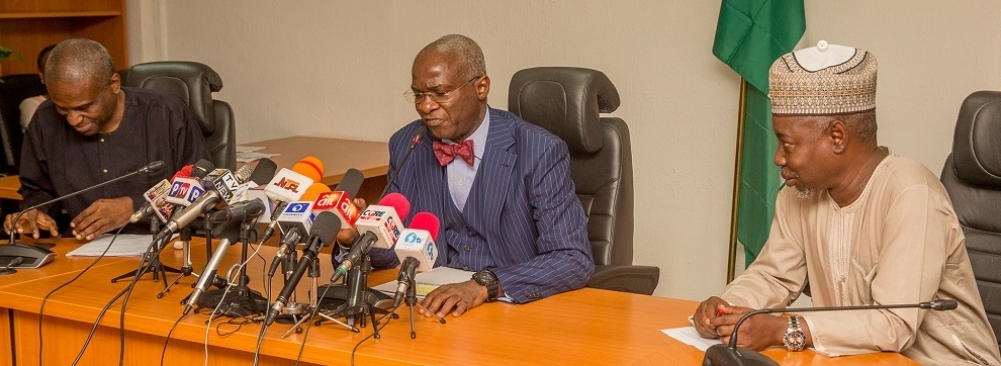
Press Briefing On Power Sector State Of Play, Next Steps And Policy Directions By The Honourable Minister Of Power, Works And Housing, At The Ministry Of Power, Works And Housing Headquarters
I believe that most Nigerians know that the Power sector has been privatized and that this happened since November 2013.
What I believe most Nigerians have struggled with is an understanding of:
a. The organizational and operational structure of the Power sector after privatization;
b. An understanding of who to turn to when service is not good;
c. And perhaps what to expect the privatization to give to the sector.
These are some of the issues I propose to address in this briefing, and I intend to highlight the challenges we have encountered, those we have solved, those we are working on, the progress we have made, what needs to be done and who has the responsibility to do what.
Perhaps the best place to start is to go back to the beginning, to recall what we had before privatization; and then compare it with post-privatization, in order to facilitate the understanding of the ordinary Nigerian.
The first thing to deal with is to explain the power and supply process (which is sometimes called the value chain) as comprising 3 (THREE) main parts:
a.Power Generation – Which is where electricity is produced;
b.Power Transmission – which is the system of substations, towers and lines that convey the power from the power generation sites to the distribution sites;
c.Power Distribution – which is the final leg that supplies the power to end users, homes, offices, factories, markets, etc, Meter the power consumers, BilI them and collect the bills.
Before the privatization, all these 3 (THREE) functions of (a) Generation, (b) Transmission and (c) Distribution were substantially Government business, which was run as a monopoly through Power Holding Company of Nigeria (PHCN).
This means that Government generated the power from various gas and hydro power plants, transported the power from hundreds of substations across Nigeria and distributed the power from hundreds of distribution stations nationwide, and supplied meters, billed customers and collected the money.
Privatization has changed this.
Government has sold some of the Power generation plants to 6 (SIX) Generation Companies (GENCOs), and sold the Distribution Assets to 11 (ELEVEN) Distribution Companies (DISCOs).
It is the DISCOs after privatization who now have responsibility to supply power to the consumers, provide meters and collect the money.
Government has retained the responsibility of transmission (transport of power) in a company called Transmission Company of Nigeria (TCN).
From this, it must be obvious to the ordinary person that supply of power is now a private business in the hands of the owners of the DISCOs.
But because of the critical and sensitive nature of power supply, Government has not left the supply of power supply solely to the DISCOs. Government at Federal, State and Local Government, and the former employees of the PHCN hold 40% of the shares of the DISCOs.
In addition, Government is responsible for regulating behaviour and compliance through the Nigerian Electricity Regulatory Commission (NERC), which is like what the Central Bank (CBN) is to the Banking Sector, or what the Nigerian Communication Commission (NCC) is to the Telecoms sector or the Nigerian Broadcasting Corporation (NBC) is to the media, and I will say more about this.
Government, during the privatization, also took steps to perform its support and enabling role to private sector by setting up a company called the Nigerian Bulk electricity trading company (NBET).
What NBET does is to give confidence to generation companies by guaranteeing to buy bulk power, which is an incentive to GENCOs to invest in building more Power plants because there is an assured buyer.
In real terms therefore, the power that the DISCOs sell does not belong to them; they are only distributors for a commission under a vesting contract with NBET, who is the person who pays the GENCOs for the power, and vests them in the DISCOs.
All of these arrangements arise from the Electric Power Sector Reform Act (EPSRA) of 2005 which led to the privatization which took place in 2013.
That law, which regulates the power sector, recognizes certain categories of persons who can buy power from a GENCO and they are:
A. A distribution company (DISCO)
B. A bulk trader (NBET)
C. An eligible customer declared by the Minister under Section 27 of the Act.
Interestingly no DISCO is buying power directly from the GENCO for reasons only known to them.
They are content to allow the government bulk trader pay the GENCO for the power and receive it under the vesting contract which they are not properly performing because they remit only about 15% to 20% of the power they receive, and have accumulated debts of about N859 Billion (Principal and Interest) owed to NBET. I will also come back to these in the next steps and policy directives I will issue.
Interestingly, the EPSRA does not make it mandatory for any Nigerian to receive power only from the DISCO or to use only public power.
That is why it is not an offence for Nigerians to buy generators, inverters or solar systems which are, of course, more expensive than the power which NBET buys from the Gencos and vests in the DISCOs to distribute to consumers.
Therefore, in answer to the question of who to turn to when you have no meter, no supply of power, or your transformer is bad; it is the discos, who are your service providers, that you should turn to. They are the ones who bill you and collect money from you.
I must of course point out that, from time to time, there are failures in the system such as gas supply shortage or transmission failures.
This is not the fault of DISCOs, but any fair-minded observer will admit that this does not happen every day and this has nothing to do with supply of meters or the proliferation of estimated bills.
As to where we are today I can report progress in generation, transmission and distribution post-privatization.
1. Generation of power has improved from 4,000 MW (approx) in 2015 to 7,000 MW (approx) in 2018 averaging an increase of 1,000 MW (approx) per annum and we expect to add 455 MW (Azura); 215 megawatts (Kaduna), 240 MW (Afam III); 40 MW (Kashimbilla); almost a total of 954 MW in 2018; and 700 MW (Zubgeru) 480 MW (Okpai II) about 1,150 MW projected for 2019, and the GENCOs are undertaking various repairs, rehabilitation and expansion that will bring on incremental power.
2. Transmission has increased from 5,000 MW (Approx) in 2015 to 7,124 MW (Approx) in December 2017 averaging 1,062 MW per annum increase in transmission capacity. TCN currently has about 90 Transmission projects in various stages of construction and many are to be completed this year.
So, we can transport what the GENCOS generate and there is a Transmission Expansion plan 2018 to 2028 which Government is committed to implement.
3. Distribution has increased from 2,690 MW (Approx) in 2015 to 5,222 MW Approx in 2018, averaging an increase of 844 MW per annum because the DISCOS have also done some work.
But as it is now obvious, from 2016 when the DISCOs complained about lack of enough power to distribute, the problem today is that the DISCOs cannot distribute all of the Power that is available, leaving the sector with an unused capacity of 2,000 MW (Approx), with the approximately 1,150 MW projected to come this year and 2019.
This is not a time to trade blames, because there is enough to go round; rather it is a time to reiterate everybody's responsibility and urge all of us to brace up, to do what we are obliged to do, which is to serve the people.
I suspect that these facts may appear like a red flag to the bulls of anti-privatization, but I remain convinced that privatization is the way forward.
Privatisation has brought us better value in broadcasting, newspapers, telecoms, banking and other sectors and I remain convinced that it will deliver in power.
The fact is that like in telecoms, banking, newspapers and other sectors, those who cannot compete will concede as some banks, and telecoms companies did without bringing down the sector.
What is government doing?
As a facilitator of business and enabler of the private sector, Government has done the following:
A. Through the Central Bank of Nigeria (CBN) government has made available the sum of N213 Billion to the power sector at concessionary interest rate below market rate to GENCOS and DISCOS.
Regrettably because of the source of funds, conditions such as the opening of Letters of Credit were attached to secure performance of the purpose for which the money was meant;
Some DISCOS have not taken the money and instead have gone to court thereby frustrating full disbursement, and recently the NERC has revealed unauthorized use of the money by Ibadan DISCO and taken some regulatory actions;
B. Government has responded to claims of debts owed by MDAs to DISCOs before this administration alleged to be in the region of upwards of over N70 Billion.
At the cost of government, several hundreds of thousands of bills were very painstakingly verified and government ascertained that N27 billion was owed by federal MDAs to DISCOS.
The payment was by a set-off of this amount against the sum of N859 billion owed by DISCOs to NBET (a government agency) to reduce that debt;
C Prior to the tenure of this administration and during it, GENCOS and gas suppliers who produce the power were being underpaid by NBET because DISCOs were under collecting or under remitting, such that GENCOs were getting only about 20% of their invoices for power they generated.
Government created a N701 Billion Payment Assurance Guarantee for NBET to ensure that payments to GENCOS improved and this has now increased to 80% payment on invoices, up from 20%, in the hope that with improved power production, DISCOs will collect and remit more;
ii) As things stands my office still receives daily reports by text, e-mails and letters of "exhorbitant" bills by Discos to consumers without meters, but the remittance by Discos to NBET is not increasing;
iii) NBET is also owing the GENCOs N325.784 Billion which can be settled if NBET collects what the Discos are owing;
iv) Of course it is important to point out that some other Government institutions are owing the Discos and there are individuals and corporations who are by-passing meters and stealing energy
All these point to a situation that can be resolved if everybody does what is right.
D In order to assist in the evacuation of 2000 MW (the deficit between what the GENCOS can produce which is 7000 MW and what the DISCOs can distribute which is 5000 MW) the Government asked the DISCOs to submit their transformers and equipment requirements.
As 40% shareholder, Government has committed to invest N72 Billion for procurement of equipment and installation to help get the 2,000 MW to consumers and this process has been advertised with encouraging responses from original equipment manufacturers, which are being evaluated.
E In order to bridge the metering gap, Government has settled an inherited court case and is able to make available N37 billion to Meter Asset Providers (MAP) under regulations made by NERC to license meter entrepreneurs to help supply meters that the DISCOs are under contract to supply but are as yet unable to fully discharge.
The regulations require DISCOs to contract with their MAPs in order to promote a harmonious relationship and reduce friction and disputes.
F In order to accelerate supply to industries and heavy consumers, Government, through my office, pursuant to powers conferred by Section 27 of the EPSRA declared eligible customer, which was to enable people who consumed 2MW and above, who were not getting power because of lack of distribution equipment, invest in the provision of the equipment and take power directly from GENCOs who had the power.
The DISCOs initially resisted and are currently giving reluctant co-operation to a policy meant to supply power to people they cannot supply.
G All of you will remember of course that NERC, (not the Ministry of Power or the Minister ) , approved a Tariff increase for the Sector. When the public complained it was I, (not the Discos), who stood in the forefront of explaining to the public. Yet it is the Discos who collect the tariff.
This is a picture of the industry as best as I can summarize the facts.
In the face of this picture, where we have power to sell, with more to come, the number of complaints coming to Government for meters, which the DISCOs should supply, and for estimated billings, and mass disconnections when not everybody is owing cannot continue.
Government must act, and will do so. The DISCOs bought these assets with their eyes opened, and they must compete to deliver or exit.
Small businesses who need very little power are not getting enough because the DISCOs cannot take the power to them.
The investment of GENCOs is threatened because they cannot utilize the capacity they have installed.
In order to improve service to small businesses, Government, acting through the Rural Electrification Agency (REA) is linking Small Power Entrepreneurs with markets like Ariaria in Aba, Sabon Gari Market in Kano, and Sura Market in Lagos.
The markets contain approximately 37,000, 13,000, and 1,047 shops respectively, which are being metered by the small entrepreneurs who have offered to replace their generators with more efficient power and meters.
There are 15 (fifteen) markets in all which if successfully implemented would provide power to 85,485 shops, empower 205,000 SMEs and create 2,000 jobs during the installation and after in operation and maintenance.
The DISCOs are agitating that this should not happen , yet they offer no solution. I want to use this opportunity to refer to Section 71(6) of EPSRA, which I will discuss later and say clearly that the Law did not anticipate exclusivity for any DISCO.
Clearly, unless the DISCOs have a license that is endorsed as EXCLUSIVE, it is clear that no DISCO has exclusivity over its franchise area.
It is obvious that the law did not intend to replace Government monopoly of PHCN in the Power Sector, with a private monopoly of businessmen.
Whenever there is poor service, Government, as a matter of Policy and Public Interest is able and entitled to act and invite new players to fill the gap.
The truth is that the generator sellers, inverter sellers are already filling this gap without protest.
What these entrepreneurs therefore bring is, to replace multiple, inefficient, unhealthy and expensive generators with simple efficient and environment friendly solutions and meters.
This is what the public interest demands.
Policy Directions and Next Steps
It is not my intention, or that of Government, to take over the business of DISCOs. On the contrary, it is Government’s desire to see DISCOs thrive and flourish in a competitive environment.
In the period when they are not yet ready, willing, or able, life must go on and we must find solutions and substitutes as we have seen in other sectors. Therefore, pursuant to the provision of Section 33 of the EPSRA which provides that:
33 (1) The minister may issue general policy directions to the commission (NERC) on matters concerning electricity, including directions on overall system planning and co-ordination, which the commission shall take into consideration in discharging its functions under Section 32 (2) provided that such directions are not in conflict with this Act or the Constitution of the Federal Republic of Nigeria.
And
Section 32 (1) (a) – (g) provides for what the commission (NERC) is set up to do, which includes:
(a) to create, promote and preserve efficient industry and market structures and to ensure optimal utilization of resources for the provision of electricity services;
(c) to ensure that an adequate supply of electricity supply is available to consumers;
And
Section 32 (2) (a) – (g) which specifies functions for the commission (NERC) to:
(a) promote competition and private sector participation, when and where feasible.
(d) license and regulate persons engaged in the generation, transmission, system operation, distribution and trading of electricity.”
It is clear that a combined reading of these provisions show that it is necessary to direct NERC to step in to:-
Ensure that DISCOs improve on their distribution equipment and capacity to take up the available 2,000MW in order to optimize the use of the electrical resource produced by the GENCOs, and I direct NERC to immediately act in this regard.
Enforce the contract of DISCOs to supply meters and act to ensure the urgent speedy supply and installation of meters with a view to eliminating estimated billing and promote efficient industry and market structures;
Stop DISCOs from threatening private entrepreneurs from entering the market to supply consumers whom the DISCOs cannot supply and to license such persons subject to terms and conditions in order to “promote competition and private sector participation” and avoid a private monopoly of power.
3a) Section 71(6) dealing with Terms and Conditions of licenses clearly shows that no exclusivity or monopoly was intended for a license holder such as GENCOs or DISCOs when it provides that:-
“unless expressly indicated in the licence, the grant of a license shall not hinder or restrict the grant of a license to another person for a like purpose and, in the absence of such an express indication, the licensee shall not claim any exclusivity, provided that the commission may allow a licenced activity to be exclusive for all or part of the period of the licence for a specific purpose, for a geographical area, or for some combination of the foregoing.
To the best of my knowledge, the commission (NERC) has not issued any exclusive license.
If we take into consideration that after 5 (FIVE) years of privatization, there are still people and businesses who do not have power or enough power, common sense and public interest demands that we must not resist ordinary people, small businesses like shops and markets from seeking alternative sources of energy.
The truth is that they already have these sources of alternative energy, in small petrol and diesel generators that cost them about N100 per kilowatt hour.
If the DISCOs are not resisting the generator sellers who are contributing to pollution, what is the logic of resisting small entrepreneurs bringing mini gas plants to supply a market need?
I am not unmindful of concerns about loss of market or customers by DISCOs but this must be balanced against our national interest and my belief that as their businesses steady and improve, they will be in a position to use their economies of scale of large volumes of power to buy out or outprice these small entrepreneurs.
For now, our developmental needs cannot wait for businessmen who are not yet ready to serve.
National interest, public good, the need to support small business, provide access to power for ordinary people and increase productivity inform the policy statements 1, 2, and 3, that I have made above; and I expect NERC to act with dispatch.
Let me implore members of the public who seek more information to get a copy of EPSRA and read its simple provisions.
They confer extensive regulatory powers on NERC ( not on the Ministry or the Minister) including the power in Sections 73 and 74, to amend or cancel a licence if the licensee is unable it "...discharge the duties and obligations imposed by the licence."
In order in to promote stability, I also direct NBET the bulk trader, to work with Bureau of Public Enterprises (BPE), to fashion out ways to ensure that the DISCOs improve their collection remittance and also start to pay their debts.
This business cannot progress if debtors do not pay their debts.
In conclusion let me thank all players for their commitment thus far and express my commitment and that of my Ministry to continue to work towards the progress and success of the sector to deliver service to the public.
Thank you very much.
Babatunde Raji Fashola, SAN
Honourable Minister of Power, Works and Housing
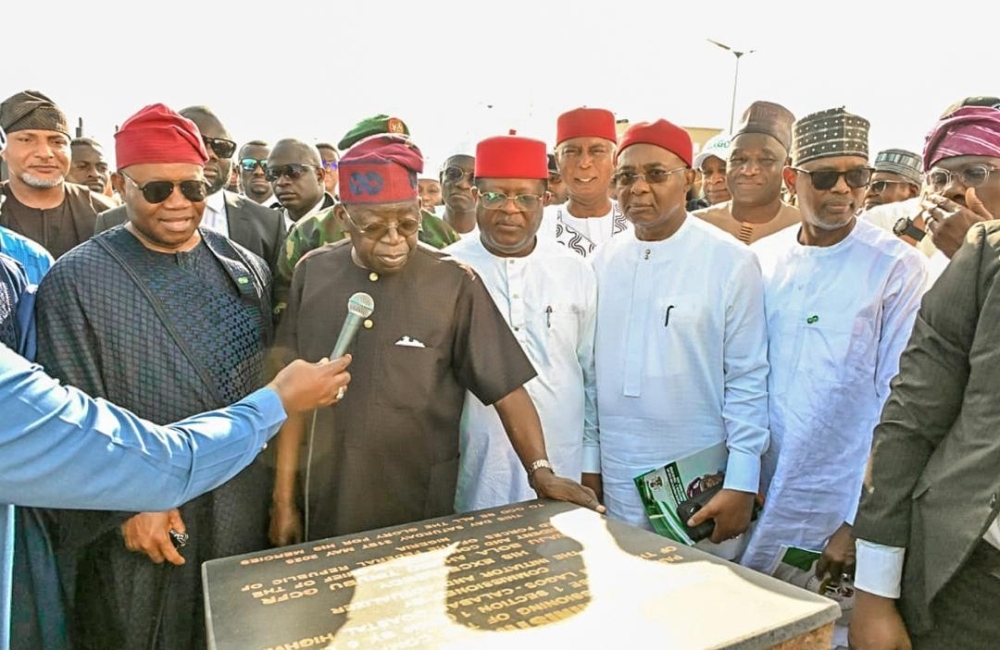
DRIVING NIGERIA’S FUTURE: CELEBRATING TWO YEARS OF TRANSFORMATIVE LEADERSHIP AND THE LAGOS-CALABAR COASTAL HIGHWAY MILESTONE
DRIVING NIGERIA’S FUTURE: CELEBRATING TWO YEARS OF TRANSFORMATIVE LEADERSHIP AND THE LAGOS-CALABAR COASTAL HIGHWAY MILESTONE
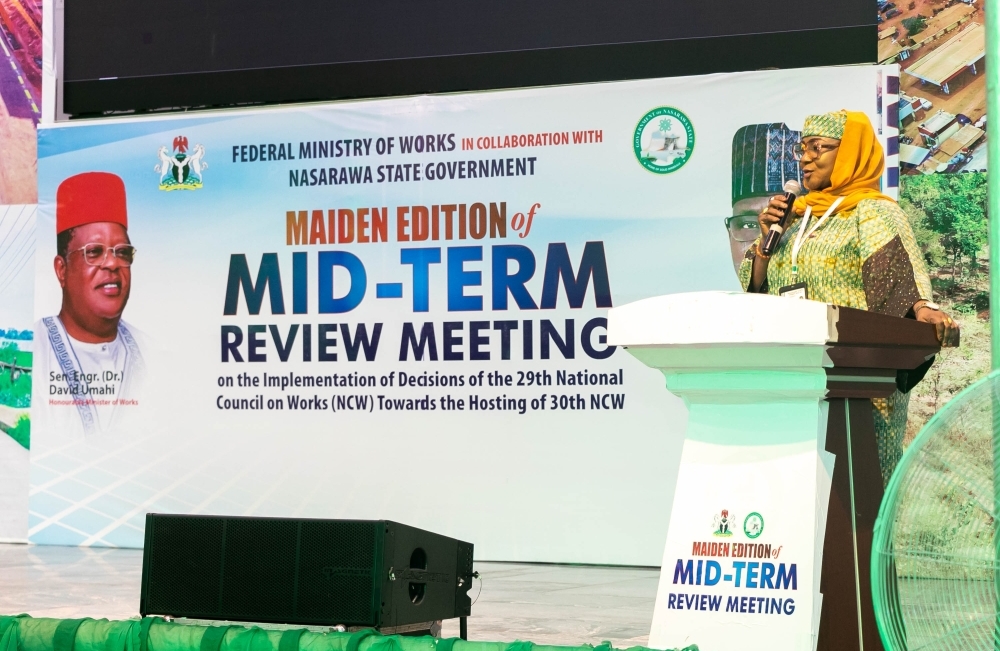
MID -TERM REVIEW MEETING ON THE IMPLIMENTATION OF THE DECISIONS REACHED AT THE 29TH NATIONAL COUNCIL ON WORKS (NCW) DAY 1
MID -TERM REVIEW MEETING ON THE IMPLIMENTATION OF THE DECISIONS REACHED AT THE 29TH NATIONAL COUNCIL ON WORKS (NCW) DAY 1