GORONYO COMMENDS SOKOTO GOVERNOR FOR DONATING 10 HILUX VEHICLES TO STRENGTHEN SECURITY ALONG SOKOTO–BADAGRY SUPERHIGHWAY
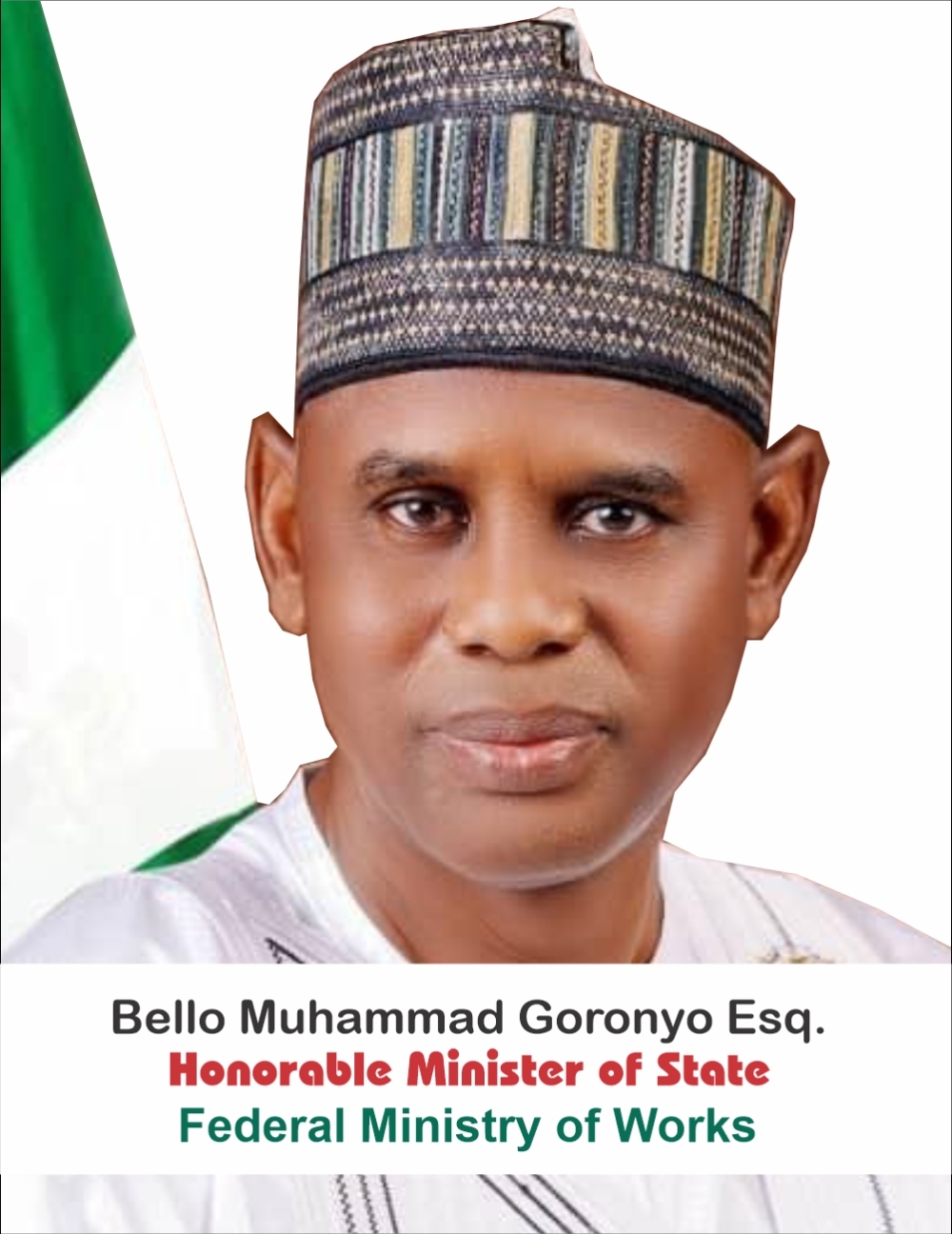
The Honourable Minister of State for Works, Rt. Hon. Bello Muhammad Goronyo, Esq., has commended the Governor of Sokoto State, Dr. Ahmed Aliyu Sokoto, PhD, for donating 10 operational Toyota Hilux vehicles to strengthen security operations along the Sokoto–Badagry Superhighway and other strategic infrastructure corridors.
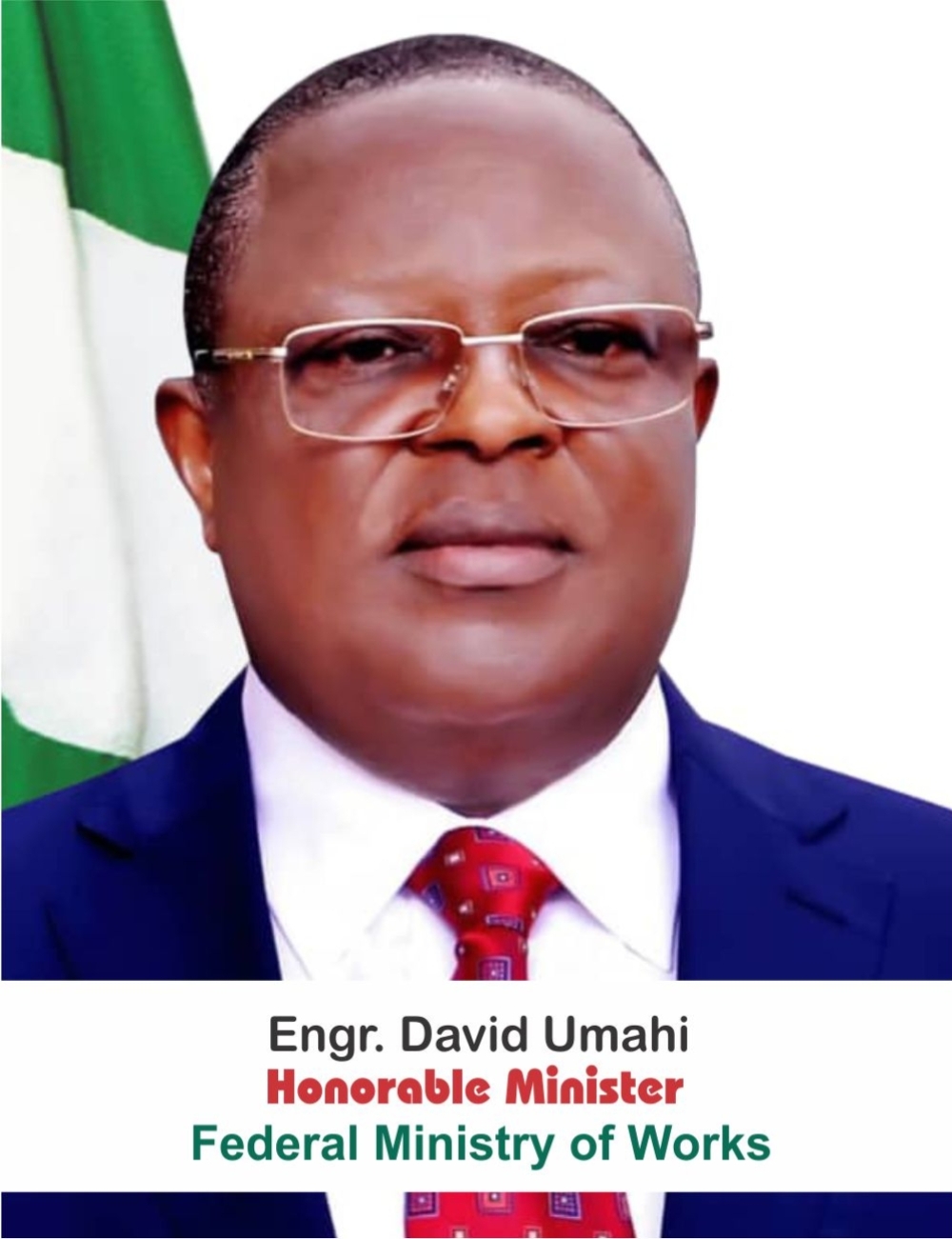
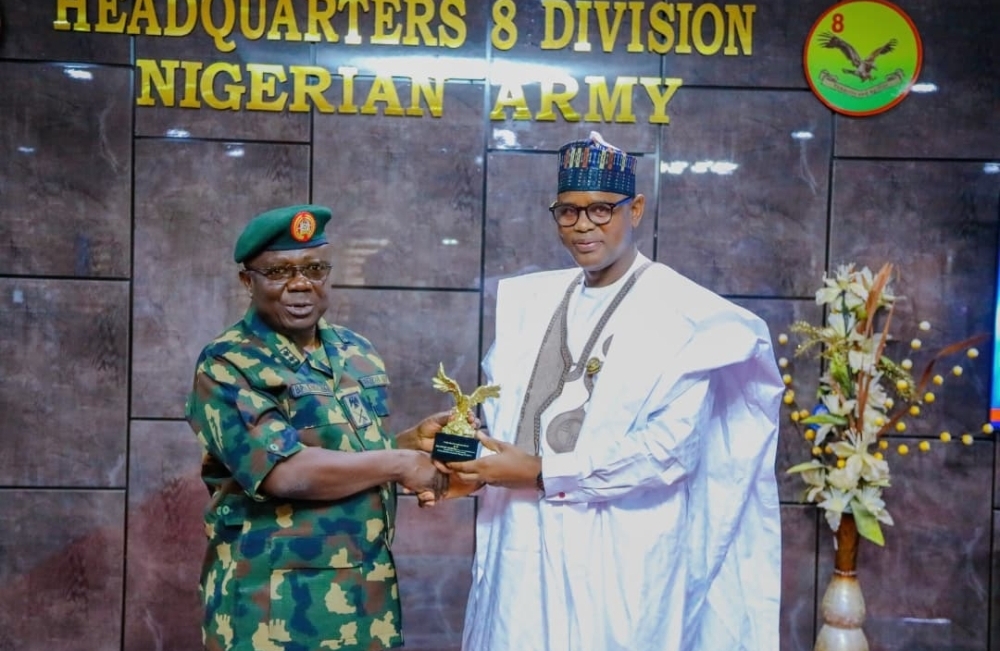
The vehicles were formally commissioned and handed over to the Nigerian Army at the Headquarters of the 8 Division, Nigerian Army, Sokoto, on Thursday, October 8, 2026, by the Honourable Minister of State for Works, on behalf of the Honourable Minister of Works, Engr. David Nweze Umahi, CON, FNSE.
The donation is expected to enhance the operational capacity of military personnel and other security agencies responsible for protecting construction workers, contractors, equipment and host communities along the highway corridor.
Speaking during the ceremony, Goronyo described the donation as a demonstration of the Sokoto State Government’s commitment to national development and the successful implementation of President Bola Ahmed Tinubu, GCFR’s Renewed Hope Agenda, particularly its landmark infrastructure projects.
The Minister emphasised that the Sokoto–Badagry Superhighway represents a long-standing national infrastructure vision that dates back several decades, with its conception traced to the era of former President Shehu Shagari in the 1970s. However, the vision remained unrealised for decades until the administration of President Bola Ahmed Tinubu, GCFR, initiated the construction of the 1,068-kilometre highway in October 2024.
He described the project as a significant step towards translating a historic aspiration into tangible infrastructure that will connect communities, expand economic opportunities and strengthen national integration.
According to Goronyo, President Tinubu’s commitment to the project demonstrates the Federal Government’s determination to bridge critical infrastructure gaps and improve connectivity between northern and southern Nigeria.
He noted that the superhighway, which traverses Sokoto, Kebbi, Niger, Kwara, Oyo, Ogun and Lagos states, is designed to facilitate the movement of people and goods, reduce transportation costs, stimulate trade, create employment and open up new economic opportunities along its route.
The Minister added that the highway would improve access to markets, schools, healthcare facilities and other essential services while supporting agriculture, commerce, industry and the development of communities across the corridor.
He stressed that the successful delivery of the project would require sustained commitment, effective coordination and cooperation among the Federal Government, state governments, security agencies, contractors and host communities.
Goronyo maintained that effective security remained essential to the timely and successful completion of the Sokoto–Badagry Superhighway. He explained that the provision of operational vehicles would strengthen the mobility and response capabilities of security personnel deployed to safeguard the project and its surrounding communities.
The Minister highlighted other strategic infrastructure projects being undertaken by the Federal Government, including the Lagos–Calabar Coastal Highway, the Calabar–Abuja/Trans-Saharan corridor, the Akwanga–Jos–Bauchi–Gombe corridor, the Abuja–Kaduna–Zaria–Kano route and the Zaria–Gusau–Sokoto corridor.
He explained that these projects form part of the Federal Government’s broader commitment to developing an integrated road network capable of supporting commerce, strengthening inter-state connections and accelerating national economic growth.
Rt. Hon. Goronyo further noted that the use of continuously reinforced concrete pavement on the Sokoto–Badagry Superhighway was intended to provide durable road infrastructure capable of serving Nigerians for decades. He added that complementary environmental and safety measures, including tree planting and solar-powered street lighting where provided for in the project, would contribute to environmental sustainability, visibility and road safety.
Goronyo commended the Nigerian Army and other security agencies for their resilience, professionalism and sacrifices in protecting lives, property and critical national infrastructure. He acknowledged the difficult conditions under which security personnel operate and urged them to remain steadfast in carrying out their constitutional responsibilities.
The Honourable Minister also expressed deep condolences to the Nigerian military over the reported loss of personnel in a bandit attack while on official duty the previous day. He described the loss as painful and extended his sympathy to the affected personnel, their colleagues and bereaved families, while praying for the peaceful repose of the departed and strength for their loved ones.
He further acknowledged the support of the National Security Adviser in addressing security challenges associated with the project, particularly through assistance and coordination aimed at strengthening security operations along the highway corridor.
Reaffirming his commitment to the Federal Government’s infrastructure development agenda, Goronyo said the Ministry of Works would continue to support the implementation of strategic projects under President Tinubu’s leadership, working in collaboration with relevant stakeholders to ensure their successful delivery.
He expressed optimism that the continued implementation of the Federal Government’s development programmes would bring lasting benefits to Nigerians, while acknowledging the complementary role of the Sokoto State Government in supporting infrastructure development and security.
In his remarks, the General Officer Commanding (GOC), 8 Division, Nigerian Army, Sokoto, Major General Bengba Paul Koughna, expressed appreciation to the Federal Government, the Federal Ministry of Works and the Sokoto State Government for the donation of the 10 Hilux vehicles.
The GOC noted that the vehicles would significantly enhance the operational mobility and response capabilities of troops deployed along the highway corridor, particularly across the approximately 440-kilometre section extending through Sokoto and Kebbi states.
He explained that troops conduct regular patrols and maintain multiple deployment points along the corridor, making the additional vehicles a valuable boost to their operational effectiveness.
He assured the Minister that the vehicles would be deployed appropriately to support security operations and protect construction workers, contractors, equipment and other stakeholders involved in the project.
The GOC also commended the representative of Hitech Construction Company, retired General Sa'ad Abubakar, for the company's involvement in the project.
The event was attended by retired Assistant Inspector-General of Police (AIG) Aliyu Garba, officials of the Federal Ministry of Works, representatives of the Sokoto State Government and other stakeholders.
The donation underscores the importance of sustained collaboration among the Federal Government, state governments, security agencies, contractors and host communities in addressing security challenges and ensuring the safe and timely delivery of strategic infrastructure projects.
The Federal Ministry of Works reiterates its commitment to working with all relevant stakeholders to protect national infrastructure and advance the objectives of President Bola Ahmed Tinubu, GCFR’s Renewed Hope Agenda for sustainable economic growth and development.

GORONYO COMMENDS SOKOTO GOVERNOR FOR DONATING 10 HILUX VEHICLES TO STRENGTHEN SECURITY ALONG SOKOTO–BADAGRY SUPERHIGHWAY The Honourable Minister of State for Works, Rt. Hon. Bello Muhammad Goronyo, Esq., has commended the Governor of Sokoto State, Dr. Ahmed Aliyu Sokoto, PhD, for donating 10 operational Toyota Hilux vehicles to strengthen security operations along the Sokoto–Badagry Superhighway and other strategic infrastructure corridors. The vehicles were formally commissioned and handed over to the Nigerian Army at the Headquarters of the 8 Division, Nigerian Army, Sokoto, on Thursday, October 8, 2026, by the Honourable Minister of State for Works, on behalf of the Honourable Minister of Works, Engr. David Nweze Umahi, CON, FNSE. Speaking during the ceremony, Goronyo described the donation as a demonstration of the Sokoto State Government’s commitment to national development and the successful implementation of President Bola Ahmed Tinubu, GCFR’s Renewed Hope Agenda, particularly its landmark infrastructure projects. The Minister emphasised that the Sokoto–Badagry Superhighway represents a long-standing national infrastructure vision that dates back several decades, with its conception traced to the era of former President Shehu Shagari in the 1970s. However, the vision remained unrealised for decades until the administration of President Bola Ahmed Tinubu, GCFR, initiated the construction of the 1,068-kilometre highway in October 2024. He described the project as a significant step towards translating a historic aspiration into tangible infrastructure that will connect communities, expand economic opportunities and strengthen national integration. According to Goronyo, President Tinubu’s commitment to the project demonstrates the Federal Government’s determination to bridge critical infrastructure gaps and improve connectivity between northern and southern Nigeria. The Minister added that the highway would improve access to markets, schools, healthcare facilities and other essential services while supporting agriculture, commerce, industry and the development of communities across the corridor. Goronyo maintained that effective security remained essential to the timely and successful completion of the Sokoto–Badagry Superhighway. He explained that the provision of operational vehicles would strengthen the mobility and response capabilities of security personnel deployed to safeguard the project and its surrounding communities. The Minister highlighted other strategic infrastructure projects being undertaken by the Federal Government, including the Lagos–Calabar Coastal Highway, the Calabar–Abuja/Trans-Saharan corridor, the Akwanga–Jos–Bauchi–Gombe corridor, the Abuja–Kaduna–Zaria–Kano route and the Zaria–Gusau–Sokoto corridor. Rt. Hon. Goronyo further noted that the use of continuously reinforced concrete pavement on the Sokoto–Badagry Superhighway was intended to provide durable road infrastructure capable of serving Nigerians for decades. He added that complementary environmental and safety measures, including tree planting and solar-powered street lighting where provided for in the project, would contribute to environmental sustainability, visibility and road safety. Goronyo commended the Nigerian Army and other security agencies for their resilience, professionalism and sacrifices in protecting lives, property and critical national infrastructure. He acknowledged the difficult conditions under which security personnel operate and urged them to remain steadfast in carrying out their constitutional responsibilities. The Honourable Minister also expressed deep condolences to the Nigerian military over the reported loss of personnel in a bandit attack while on official duty the previous day. He described the loss as painful and extended his sympathy to the affected personnel, their colleagues and bereaved families, while praying for the peaceful repose of the departed and strength for their loved ones. He further acknowledged the support of the National Security Adviser in addressing security challenges associated with the project, particularly through assistance and coordination aimed at strengthening security operations along the highway corridor. Reaffirming his commitment to the Federal Government’s infrastructure development agenda, Goronyo said the Ministry of Works would continue to support the implementation of strategic projects under President Tinubu’s leadership, working in collaboration with relevant stakeholders to ensure their successful delivery. He expressed optimism that the continued implementation of the Federal Government’s development programmes would bring lasting benefits to Nigerians, while acknowledging the complementary role of the Sokoto State Government in supporting infrastructure development and security. In his remarks, the General Officer Commanding (GOC), 8 Division, Nigerian Army, Sokoto, Major General Bengba Paul Koughna, expressed appreciation to the Federal Government, the Federal Ministry of Works and the Sokoto State Government for the donation of the 10 Hilux vehicles. The GOC noted that the vehicles would significantly enhance the operational mobility and response capabilities of troops deployed along the highway corridor, particularly across the approximately 440-kilometre section extending through Sokoto and Kebbi states. He explained that troops conduct regular patrols and maintain multiple deployment points along the corridor, making the additional vehicles a valuable boost to their operational effectiveness. He assured the Minister that the vehicles would be deployed appropriately to support security operations and protect construction workers, contractors, equipment and other stakeholders involved in the project. The GOC also commended the representative of Hitech Construction Company, retired General Sa'ad Abubakar, for the company's involvement in the project. The event was attended by retired Assistant Inspector-General of Police (AIG) Aliyu Garba, officials of the Federal Ministry of Works, representatives of the Sokoto State Government and other stakeholders. The Federal Ministry of Works reiterates its commitment to working with all relevant stakeholders to protect national infrastructure and advance the objectives of President Bola Ahmed Tinubu, GCFR’s Renewed Hope Agenda for sustainable economic growth and development.
The donation is expected to enhance the operational capacity of military personnel and other security agencies responsible for protecting construction workers, contractors, equipment and host communities along the highway corridor.
He noted that the superhighway, which traverses Sokoto, Kebbi, Niger, Kwara, Oyo, Ogun and Lagos states, is designed to facilitate the movement of people and goods, reduce transportation costs, stimulate trade, create employment and open up new economic opportunities along its route.
He stressed that the successful delivery of the project would require sustained commitment, effective coordination and cooperation among the Federal Government, state governments, security agencies, contractors and host communities.
He explained that these projects form part of the Federal Government’s broader commitment to developing an integrated road network capable of supporting commerce, strengthening inter-state connections and accelerating national economic growth.
The donation underscores the importance of sustained collaboration among the Federal Government, state governments, security agencies, contractors and host communities in addressing security challenges and ensuring the safe and timely delivery of strategic infrastructure projects.
Works Minister Committed to Speedy and Quality Delivery of Road Infrastructure Nationwide, Says The Policy of No VOP on Mobilization is a Measure to Ensure Value for Money and Timely Completion of Projects 1. The Honourable Minister of Works. His Excellency, Sen. Engr Nweze David Umahi CON has restated the commitment of the Federal Government under the Renewed Hope administration of His Excellency, President Asiwaju Bola Ahmed Tinubu GCFR in ensuring that all the Federal Road projects are executed speedily and delivered in best standards. The Honourable Minister gave this assurance during his inspection visit to the rehabilitation work at Enugu- Port Harcourt dual carriageway section 4( Aba-PH) executed by China Civil Engineering Construction Corporation Ltd(CCECC).He commended the contractor handling the project for showing purposefulness, and he therefore announced the revocation of the warning letter issued to CCECC a fortnight ago over their delay in mobilizing to the site despite the government's directive."The warning letter given to CCECC for slow pace of work is hereby revoked. The new pace of work is excellent, the job quality is excellent, and the Controller sends me progress reports every day. " 2. The Honourable Minister, who also inspected the Rehabilitation and Reconstruction of Enugu- Port Harcourt dual carriageway section 2 ( Umuahia Tower- Aba Township Rail/ Road) in Abia State, handled by the Arab Contractors; the East West Road section 111( Eleme-Onne junction) in Rivers State handled by Reynolds Construction Company Nigeria Ltd; the Rehabilitation of Enugu- Port Harcourt Expressway Section 3( Enugu -Lokpanta) in Enugu State handled by CGC, said he was impressed by the progress of work on the respective projects. He said of RCC" I want to commend RCC openly and with all sincerity. I will also take the quality of work going on to Mr. President because he directed me. I was just barely one week in office when he directed me to go and flag off this project because the leaders of Niger Delta came to visit him, and they complained bitterly about the road. " He spoke of the good job by the Arab Contractors and said," I am very happy that the Arab Contractors has done a good job. I commend the contractor. Anybody who wants to see a good job should come here. The Controller of Abia State is doing extremely well together with his engineers." While at the CGC project site, he said, "I have seen the work they are doing, they are doing a very beautiful work. The job quality is very good and the speed is also very good. They are among the contractors that have the highest number of equipment in any of their project sites. So I commend them very highly. " 3. The contractors who spoke during the inspection visit to their respective projects said they were committed to the new order in road infrastructure development in Nigeria and assured the Honourable Minister that they would ensure quality and speed in the delivery of their road projects. The Project Manager of CCECC in charge of Enugu- Port Harcourt Expressway, Mr Henry Shaw said, "I am going to assure you that the Honourable Minister, His Excellency is a professional Engineer with a great difference. He knows everything, so nobody can cheat him." ...
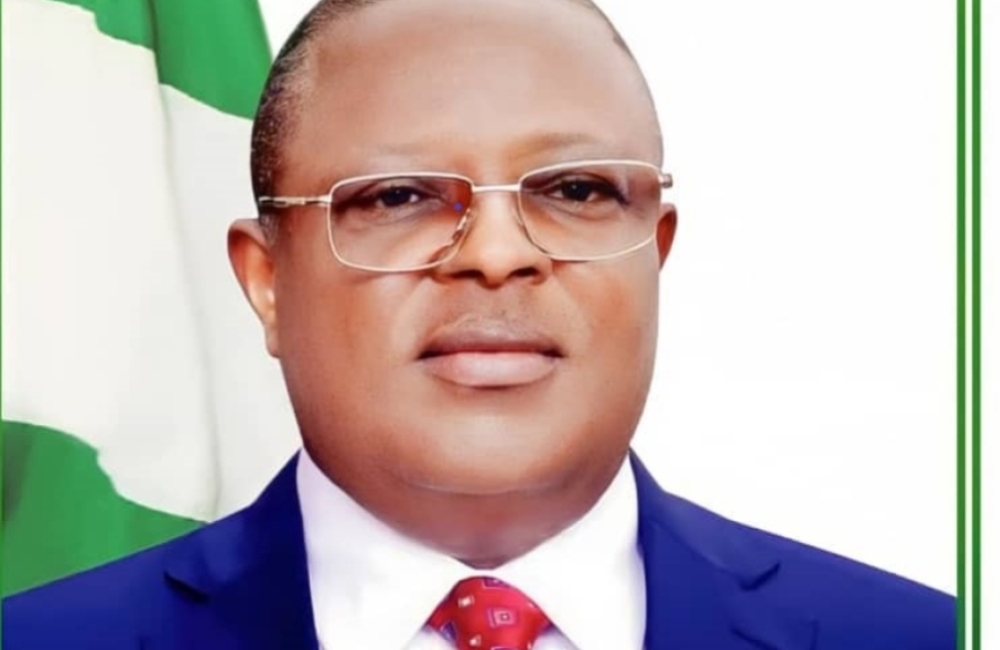
Works Minister Visits Zamfara Governor, Says Dualisation of Zaria - Gusau - Sokoto Highway on Course …..Umahi says no variation on 30% mobilization advanced to contractors “Mr. President has not stopped the dualization of Zaria - Gusau - Sokoto highway rather, the projects will be completed, and the design would even be improved upon.” “There were rumors that Mr. President has stopped this project and even the NNPCL tax credit; that is not the truth at all. In fact, he has given more life to the tax credit of NNPCL.” Adding “though the NNPCL projects are not funded by NNPC 100 percent. We still have a funding gap of over N2.7 trillion to get them completed”. The Honourable Minister of Works, Sen. Engr. Nweze David Umahi, CON, made the disclosure today at Government House Gusau when he paid a courtesy call on the Governor of Zamfara State, Dauda Lawal. Affirming the position of the Federal Government, he said “Mr. President has approved that we should take the funding gap to the National Assembly for approval. So, it's not just committed to the commitment of NNPC, but it's committed to the entire completion of the projects. Continuing, he said “he is the one that has asked us to visit this project, just like other ones, they are very important and key to Mr. President. Commending the contractor handling the Sokoto - Gusau road, Sen. Umahi said “we have not seen everything they are doing, but the little we've seen is excellent. in fact, that project, the neatness and quality looks excellent”. Explaining the delay in the progress of work, Sen. Umahi disclosed that “my directive was what slowed down the job. But I have redirected having come and examined the projects.”, he reassured his audience.” On the issue of payment of compensation to those affected by the dualization of the roads, the Honourable Minister called on the relevant State Government to follow the commitment of Sokoto State which has agreed to settle all payments regarding compensation to the people concerned. Meanwhile, the Honourable Minister, while speaking to some journalists along the Gusau - Funtua Road, after inspecting the ongoing work by Setraco, warned contractors that there would be no variation on 30% mobilisation advanced to them. According to him “the contractors must know that I will never pay variation on mobilized funds or works that are delayed.” “Because if we do not obey the timetable, inflection and time will catch up with us.” Stressing “it’s the Federal Government that is losing. That's why if we have little money to complete the project and we prolong it, then the Federal Government is unable to further source for funds”, he reasoned. During his remarks, the Governor of Zamfara State, praised the vision of President Bola Tinubu for the road sector, noting the commitment of the Honourable Minister has truly helped to realize Mr. President’s goals. He expressed his joy about the news that the construction of the Zaria - Gusau - Sokoto was still on course. He therefore pledged the support of his administration to the Federal Government, while requesting Sen. Umahi to look into the rehabilitation of Gusau-Dansadau road. Sen. David Umahi was accompanied to the Government House by former Governor of Sokoto State, now Senator representing Sokoto Central Senatorial Zone, Aminu Tambuwal and other senior government officials. ...
Inspection of Ongoing Federal Roads Rehabilitation in Northwest Zone: We Know Concrete Road Technology Will Be A Huge Success, Says Works Minister …..BUA Cement restates commitment to reduction in price We know that concrete road technology is going to be a huge success for the benefit of our people, says the Honourable Minister of Works, Sen. Engr. Nweze David Umahi, CON. According to him, we are sure that utilizing concrete road technology is the right decision and so we have not made any mistakes insisting that concrete road technology should take its root, especially in some of these key projects.” The Honourable Minister disclosed this today in Sokoto while fielding questions from journalists after the inspection BUA Cement facility which is part of his inspection of ongoing rehabilitation of highways in Sokoto State. Speaking on his visit to the State, Sen. Umahi disclosed that “first, I'm here to inspect as you know, a very ambitious road project being embarked upon by His Excellency, the President of the Republic of Nigeria, Senator Tinubu Ahmed. He added that the Federal Government was “constructing 372 kilometers of roads, multiplied by two, which means its dualization. One road is an existing one, which we are doing complete rebuilding, and then a brand-new road, again, of 372; a total of 744 km roads. The Honourable Minister revealed that “Mr. President wants this road very fast, but wasn't too sure if we can get the volume of cement to use. So, we are constructing the first 372 kilometers running from Kaduna, Zaria, Zamfara, to Sokoto, with asphalt as the carriageway, and then the shoulders will be concrete”. Adding that “but the entire new lane, carriageway, will be constructed with concrete.” Stressing the agenda of President Tinubu for the road sector, Sen. Umahi reiterated that “I know very well that Mr. President's still desires that the public should get something much better. And he's giving all the support, so we still expect that you will fulfill the promise you made to Mr. President as we're going back to the status quo so that the public can benefit. “The very massive housing project Mr. President has embarked upon will definitely see the light of the day. And also, the massive road construction Mr. President has embarked upon will also benefit from this initiative.” Commenting on his impression of facility tour of BUA Cement, Sen Umahi said “So we have gone there, we have seen, and it's quite amazing, the complexity of the cement factory of BUA in Sokoto.” “We saw very organized industrial setup, no single dust. There was no need to use a nose mask. There was no loitering of workers, everything being in automation.” While speaking to journalists about the cooperation of BUA Group with the Federal Government on the reduction of price of cement, the Group Executive Director, BUA Cement, Alhaji Kabir Rabiu while thanking the Minister, told them his company stands by their commitment made to the Federal Government two weeks ago. He said further that “then we gave a commitment, not only on the pricing, but also on additional capacity to go to the market, reassuring that with 165 additional trucks on a daily basis from our Sokoto cement allotment, we're putting almost 400 trucks by day of cement into the market.” “We believe this additional capacity is going to have a serious positive effect on the supply and demand issue in the country, he emphasized. He reaffirmed that “we also gave in our commitment that we don't believe cement should sell more than 7,000 Naira anywhere in Nigeria. He thus promised that “we will continue to do our best to support this administration, to support Mr. President's agenda in ensuring that Nigerian economy is back on its feet and is doing so much better than it is doing at the moment.” On his part, the Senate Chairman of Committee on Housing, Senator Aminu Tambuwal noted that cement product is very critical and a major component towards delivery of housing projects by the Federal Government by state governments and even by the private sector in our country. The inspection visits by the Honourable Minister to Sokoto and Zamfara States will see him inspect four projects across four States; which includes Katsina and Kaduna States. ...
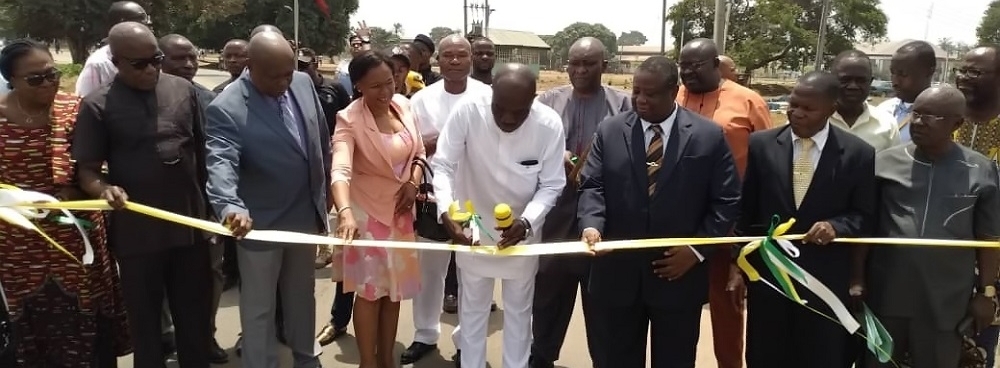
FG Hands Over Some Internal Road Projects To FUT, Owerri
The Federal Government through the Federal Ministry of Works and Housing has handed some internal roads projects to Federal University of Technology Owerri, Imo State.
The roads projects are among the 18 roads interventional project to tertiary institutions awarded in 2018 and completed that same year.
The 1.72km roads project in FUT Owerri includes; Construction and Asphalting of Health Centre and Hostel Roads, and Rehabilitation of Smat Road.
According to the Honourable Minister of Works and Housing, Mr. Babatunde Raji Fashola who was represented by the Federal Controller of Works, Imo State, Engineer Anthony Animaku, the roads are now completed and ready for formal handing over to the Vice Chancellor of FUT Owerri.
Fashola said "our gap of our infrastructure needs is steadily being bridged by a gradual process of repair, renewal and construction on major highways and it has reached schools”.
Buttressing the importance of infrastructure development in educational institutions, the Minister stated that the quality of education would be impacted by the quality of infrastructure and the learning environments.
“And those who doubt it should simply listen to some of the feedbacks from students where this type of infrastructure has taken place”, he said.
Accordingly, Fashola further explained that the interventions in the various tertiary institutions would have a critical contribution to support education.
“The intervention by Federal Government would improve the ambience and environment of Federal Tertiary Institutions to enhance academic activities" he said.
Responding, the Vice Chancellor of the institution, Professor Francis Chukwuemeka Eze represented by the Deputy Vice Chancellor academics, Professor Ndukwe James Okeudo commended the
Federal Government for choosing Federal University of Technology, Owerri as one of the beneficiaries of Federal Government laudable intervention.
He said, "the senate, council and the entire management are very grateful that FUTO was singled out as a beneficiary. We thank Mr. President and the Minister for this honour done to us,"
He stated that the roads are of great importance to the institution as it would aid access to movement around the school, adding that they would maintain the projects.
Also, a student of the institution, Donald Anarado said that hitherto the roads were not passable especially during raining season.
“When rain falls, we cannot move easily from our hostels to classes, but now that the roads have been fixed we can move easily to our classes. We are very grateful to Federal Government, “he said.
Keynote Speech By Babatunde Raji Fashola, SAN At United Nations Sponsored FRSC Capacity Building For Implementation Of The United Nations Road Safety Legal Instruments
I welcome this opportunity to be your Keynote Speaker at the United Nations-sponsored Capacity Building Program for the Federal Road Safety Corps (FRSC).
This opportunity provides me with a very important public platform to share my thoughts about the direction in which I think FRSC should be heading, and what we, the Government of Nigeria, should be doing to enable her towards that direction.
I will also use this opportunity to address some assumptions and explode some myths about road traffic accidents in Nigeria, and what we should be doing to reduce the incidents of road traffic accidents, and the attendant loss of life, limb and property.
The technical capacity which the facilitators from the United Nations Economic Commission for Europe Road Safety Secretariat will offer the FRSC is only one side of the capacity issues that FRSC needs.
The other side of FRSC’s needs is in the nature of equipment, tools, infrastructure and financial resources necessary to give them a visible and responsive presence on all Federal Highways in Nigeria.
Thankfully, the Corps Marshal, Mr. Boboye Oyeyemi, who is very passionate about his work, has responded to my request to him to submit an inventory of needs like bikes, patrol vehicles, and medical equipment that can help save lives. This is in the region of N16 billion in the first instance, and I have directed our Ministry to send this to the office of the Secretary to the Government, who supervises the FRSC on behalf of the Presidency, to whom FRSC reports.
I made a case for support for this funding to the Senate Committee on FERMA when I appeared before them recently, and not only are they well-disposed to the idea of appropriately resourcing FRSC, they expressly committed to taking action to sensitise their colleagues to the necessity.
This is as it should be, because if security and safety of lives and property is a most important duty, agencies like FRSC, who are our first responders at scenes of road accidents must be well-equipped to respond within the Medical Golden Hour, to ensure that accidents, when they inevitably occur, do not result in loss of life.
Not only must FRSC therefore have the necessary complement of vehicles and bikes to track down over-speeding drivers and bring them within control, they must have Mobile Intensive Care Units on wheels (not mere ambulances), with doctors, nurses, paramedics and other medical personnel at strategic points nationwide, to administer First Aid , and other life saving measures until victims are successfully moved to proper hospitals.
Really and truly, investing in at least one helicopter with medical evacuation capacity and well-trained staff for FRSC in each geo-political zone, if it is just to save one Nigerian life (which may be anybody), is consistent with one of the 3 (three) pillars of the Economic Recovery and Growth Plan (ERGP) which is “To invest in our people”.
While there is a lot more that can be said about building the capacity of FRSC, I will leave the details to the FRSC. I think the most important point has been made: we must invest to save lives.
The other point, which lies at the heart of FRSC’s existence, the UN capacity building program, and everything that FRSC stands for, is Road Safety, Road Traffic Accidents, the causes, and what we must do more of to reduce the incidents.
First, let me speak to the conditions of our roads.
I will classify them into 3 (three) broad categories, namely:
A. Those that have outlived their design life;
B. Those that are within their design life; and
C. Those that are just being built.
For those that have outlived their design life, they should have been replaced and rebuilt, but they have not. Roads like the Calabar-Itu-Odukpani fall within this category.
They were built in the 1970s, and not only have they outlived their design life, they have had to deal with tonnage and capacities well beyond what their design intended.
Can such a road be truly expected to stay intact and deliver a pleasant motoring experience? Put differently, can anyone of us today wear the same clothes we wore as teenagers and expect it to fit and not rip apart?
Thankfully, these type of roads are now receiving attention under President Buhari, as the Calabar-Itu-Odukpani, Gombe-Biu, Ilorin-Jebba and other roads that fall within this category are being awarded for reconstruction, along with the third class of roads which are just being built (like Oyo-Ogbomosho Bye pass, Loko-Oweto Bridge, 2nd Niger Bridge, Kaduna Bye pass, Kano Bye pass), where contractors have returned to site, after demobilizing for non-payment for up to 3 years.
As for the second category of roads, which are within their design life, they have been victims of overloading, right of way abuse, and lack of maintenance as depreciation sets in.
Members of the public must know that roads are depreciating assets. They do not last forever, and require regular maintenance and, with time, replacement, if they are to serve their intended purpose.
These factors of abuse and lack of maintenance combine to reduce the quality of our motoring experience on the roads. With this background, I will now pose the questions: How bad are our roads?
Some have repeatedly said, “All the roads are bad.”
That is not true.
We have good parts, and bad parts caused by abuse and lack of maintenance.
Can you sleep in your office suit and shirts, refuse to wash and iron them, and really expect them to look good on you?
A recent survey that I directed should be conducted produced instructive and educating results about the degree and extent of bad portions of our roads.
Otta-Abeokuta road in Ogun State, with a length of 64km, has failures at:
A. KM 20 + 775 to 23+275 (2,500 metres) at Sango-Otta flyover to Tipper Garage;
B. KM 24+275 to 24+725 (550 metres) at Owode to Ifo;
C. KM 44+113 to 53+147 (9,034 metres) at Papalanto to Itori
A total failure length of 12,084 m out of 64,000 metres, which is 18.75%
While 1 meter of failure is not acceptable, and we are mobilizing the contractor back to this road shortly after 4 years without a budget, the point is that 18.75% out of 64KM does not support the conclusion that “all” of the road is bad.
A similar survey on the Asaba-bound sections and Benin-bound sections which I asked to be carried out on the Benin-Asaba Dual Carriageway last week, also showed that the total aggregate of potholes and failures on the Asaba-bound section amounts to 3.02% of the total road length, while the total aggregate of potholes and failures on the Benin-bound section is 1.51%.
We are preparing remedial action to restore these sections.
The same is true of the Asaba-Illa-Ebu-Edo State border road, which is one of 44 roads across Nigeria and the 6 (six) geo-political zones where remedial work will start in a few weeks time once we conclude procurement.
These roads are the inherited legacy of road abuse and lack of maintenance, which President Buhari intends to change. This is why President Buhari has recently reconstituted the management of FERMA, the statutory agency responsible for maintenance of our roads.
They assumed office in the first week of October 2017, and from my interactions with the team, I am optimistic that Nigerians will experience change on their roads when they begin to implement their maintenance plan, which they constantly review with the Ministry.
Many of us, some of whom have not used the roads, readily describe our roads as a Death Trap. Really?
I undertook a tour of our roads earlier this year to see things for myself. We went by road and travelled in two coaster buses, driving for at least twelve hours everyday. We left at 8a.m daily and drove until 8p.m at the least. On one occasion, we drove for 18 hours, from 8a.m to 2a.m the following day.
We drove through different sections of roads that had outlived their design life, those that are within their design life with failures in some cases, and those that are currently under construction, where the drive was smooth.
We were not trapped, and we did not die. The only incident we had as we traversed 34 states (with Jigawa and Kebbi left to tour) was a tyre change on the Numan-Jalingo road. We drove at a maximum of 100km per hour. We had no accident.
How many people remember that there is a speed limit on our roads, in spite of FRSC’s efforts to introduce speed-limiting devices? How many people know or remember that there is a braking distance in driving?
FRSC will be 30 years next year, and they have acquired enormous experience and data that we must use if we are to reduce road traffic accidents and save lives.
Every month, my office receives a copy of the road traffic incidents Report across the country from FRSC, which I read, and direct that the Ministry respond to the findings and recommendations as they relate to road conditions, and causes of accidents.
Between June 2015 and August 2017, the report and data gathered by FRSC reveals indisputably that the biggest causes of Road Traffic Accidents on our roads are as follows.
A. Speed violation - 26.63%
B. Loss of Control - 23.04%
C. Dangerous Driving – 9.37%
D. Sign light violation – 9.57%
E. Tyre Burst – 6.25%
F. Wrongful overtaking – 5.92%
G. Bad road – 0.55%
Of course there are other causes like Brake failure, sleeping on the steering, poor weather, overloading, which are not indexed above because they are not necessary to make the point that bad roads are not the primary cause of accidents.
Based on this data collated by FRSC, whose sector commanders in all 36 states and the FCT are our first responders at accident scenes, can anybody still make the argument that bad roads are the cause of Road Traffic Accidents? It seems not.
However, while I am willing to agree that bad roads may contribute, an unlicensed driver (and, presumably, an incompetent one); a driver with bad sight (without corrective glasses); an over-speeding driver; one who does not know the appropriate pressure to inflate his tyre; or who does not know that he should not overtake at a bend, does not help his own safety or that of the other road users.
Poor sight and these other factors must be addressed as we saw recently at the accident scene that occurred on Kara Bridge in Lagos, where there was no pothole and people still died in an accident.
Ladies and Gentlemen, I will now conclude by restating some of the things that we need to do, which are easy, in order to reduce incidents of Road Traffic Accidents and loss of lives.
As we prepare for the high volume of traffic that will characterize end of year movement for Christmas, FRSC has been mandated to undertake random checks for drivers without driver’s license, who must be taken off the roads to reduce the threat they constitute to themselves and other road users.
FRSC will also take steps to curtail over-speeding and reduce incidents caused by over-speeding. They will also, within the limit of their resources, ensure observance of traffic rules, restrict drivers to their lanes, reduce incidents of wrongful overtaking, and, hopefully, reduce accidents.
This undertaking of protecting lives and preventing loss of property is not that of FRSC alone. All of us, as road users, employers, have a role to play.
It will help us if those who own transport businesses play their part by ensuring that all their drivers undertake mandatory eye test and get corrective glasses to help their vision, improve their judgment, and reduce driver errors.
All my own drivers have been subjected to those tests and so have I. I do not need my glasses to read.
I need them to see better because I am short-sighted.
All those who drive over long distances must invest in their own safety and get enough rest before undertaking long journeys; and where necessary, fleet operators must recruit relief drivers.
Finally, in all that FRSC has to do, I have met with all the sector commanders and impressed upon them the ‘S’ in their name is the most important reason for their existence.
It stands for ‘Safety’.
They must remember that whatever they do must be in aid of safety and not contrary to it.
I wish you all a safe motoring experience and a Merry Christmas, as our Government continues to improve safety on our roads and give you a better motoring experience.
Babatunde Raji Fashola, SAN
Honourable Minister of Power, Works and Housing
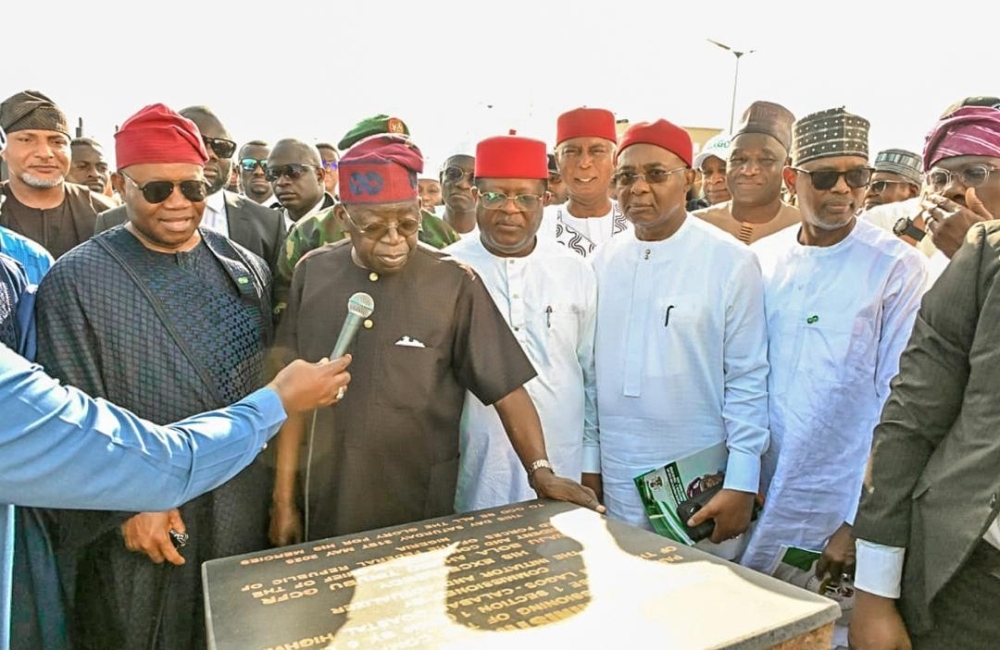
DRIVING NIGERIA’S FUTURE: CELEBRATING TWO YEARS OF TRANSFORMATIVE LEADERSHIP AND THE LAGOS-CALABAR COASTAL HIGHWAY MILESTONE
DRIVING NIGERIA’S FUTURE: CELEBRATING TWO YEARS OF TRANSFORMATIVE LEADERSHIP AND THE LAGOS-CALABAR COASTAL HIGHWAY MILESTONE
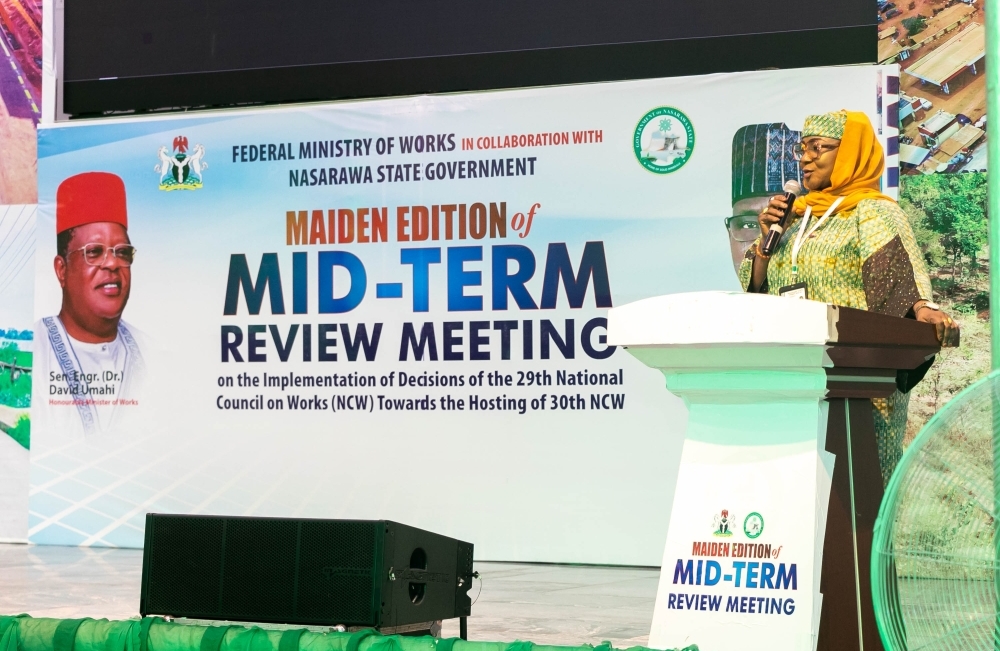
MID -TERM REVIEW MEETING ON THE IMPLIMENTATION OF THE DECISIONS REACHED AT THE 29TH NATIONAL COUNCIL ON WORKS (NCW) DAY 1
MID -TERM REVIEW MEETING ON THE IMPLIMENTATION OF THE DECISIONS REACHED AT THE 29TH NATIONAL COUNCIL ON WORKS (NCW) DAY 1