FG FLAGS OFF CONSTRUCTION OF AKWANGA–JOS–BAUCHI–GOMBE–BIU—MAIDUGURI SUPERHIGHWAY, COMMISSIONS AKWANGA TOWNSHIP DUAL CARRIAGEWAY AND UNDERPASS
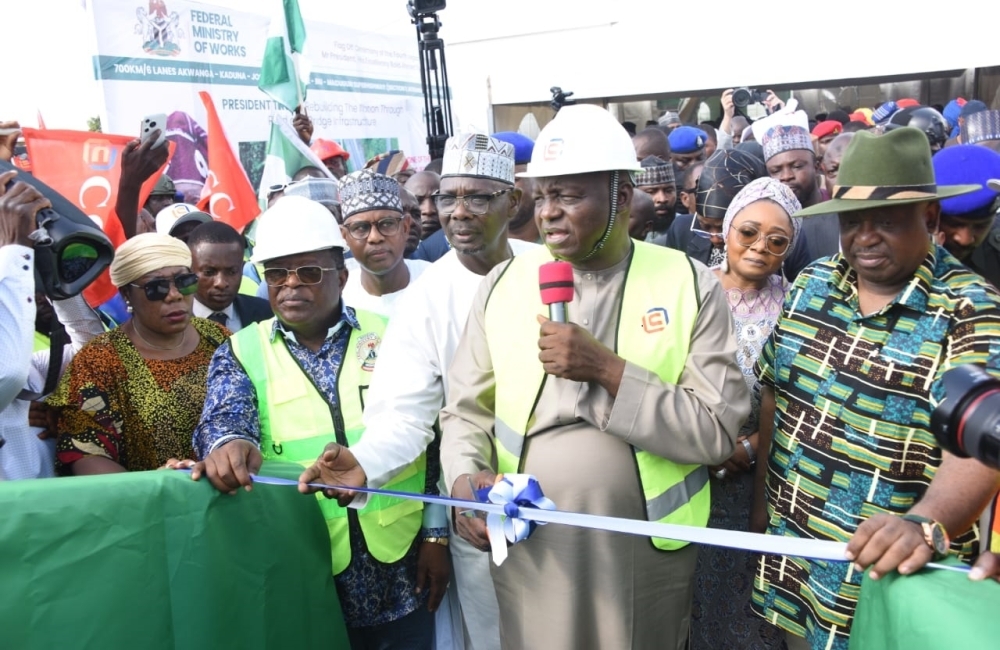
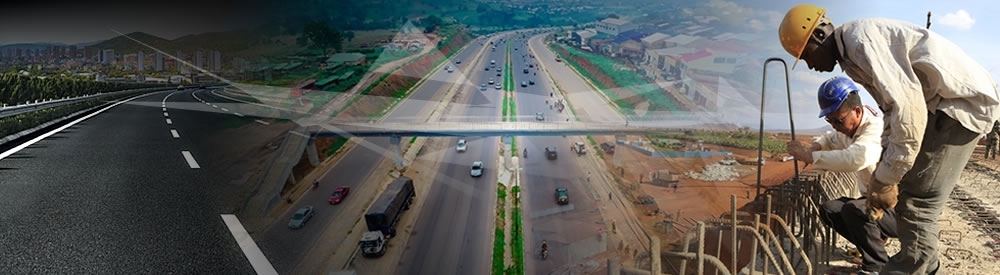
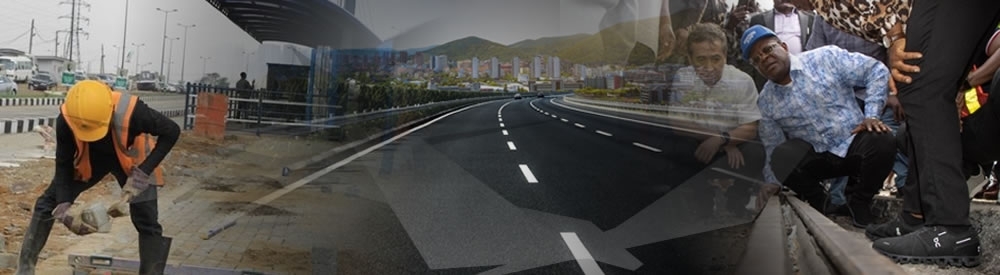
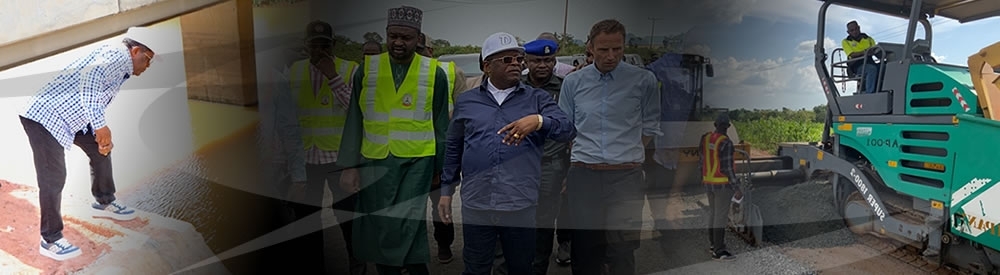
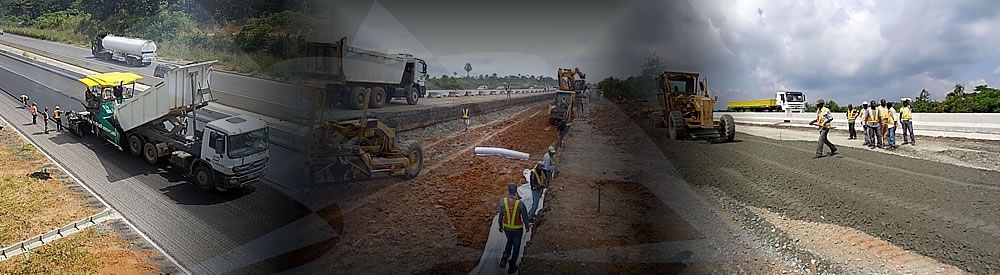
The Federal Government has officially flagged off the construction of Section One of the 700-kilometre Akwanga–Jos–Bauchi–Gombe–Biu—Maiduguri Superhighway, reaffirming President Bola Ahmed Tinubu, GCFR's commitment to delivering transformative infrastructure under the Renewed Hope Agenda.
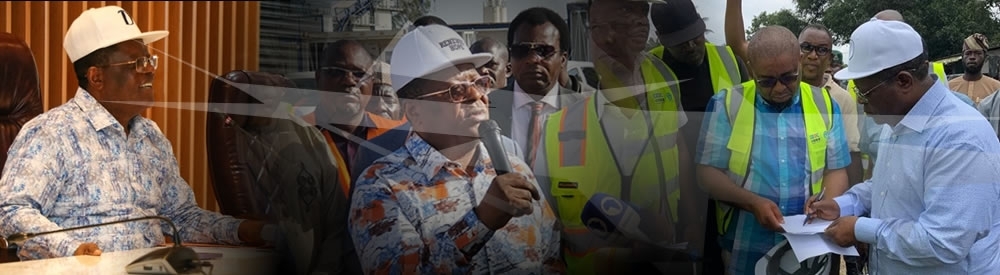
The flag-off ceremony, held on the 1st July, 2026, in Akwanga, Nasarawa State, where the President, His Excellency Bola Ahmed Tinubu, GCFR, was represented by the National Chairman of the All Progressives Congress (APC), Prof. Nentawe Goshwe Yilwatda, stated that the project is one of the President's four Renewed Hope Legacy Road Projects, designed to transform Nigeria's transportation network, strengthen national integration, improve security, facilitate trade, and stimulate economic growth across the North-Central and North-East geopolitical zones.
The first phase of the project covers approximately 125 kilometres from Akwanga in Nasarawa State to Jos in Plateau State and forms part of the larger 700-kilometre, six-lane, continuously reinforced concrete pavement (CRCP) superhighway stretching through Nasarawa, Kaduna, Plateau, Bauchi, Gombe, Yobe, and Borno States.
The President's representative praised the Minister of Works for his exceptional leadership and dedication to transforming Nigeria's road sector, describing him as one of the administration's most outstanding performers.
He described the Minister of Works as “the shining light of the Renewed Hope Administration.”
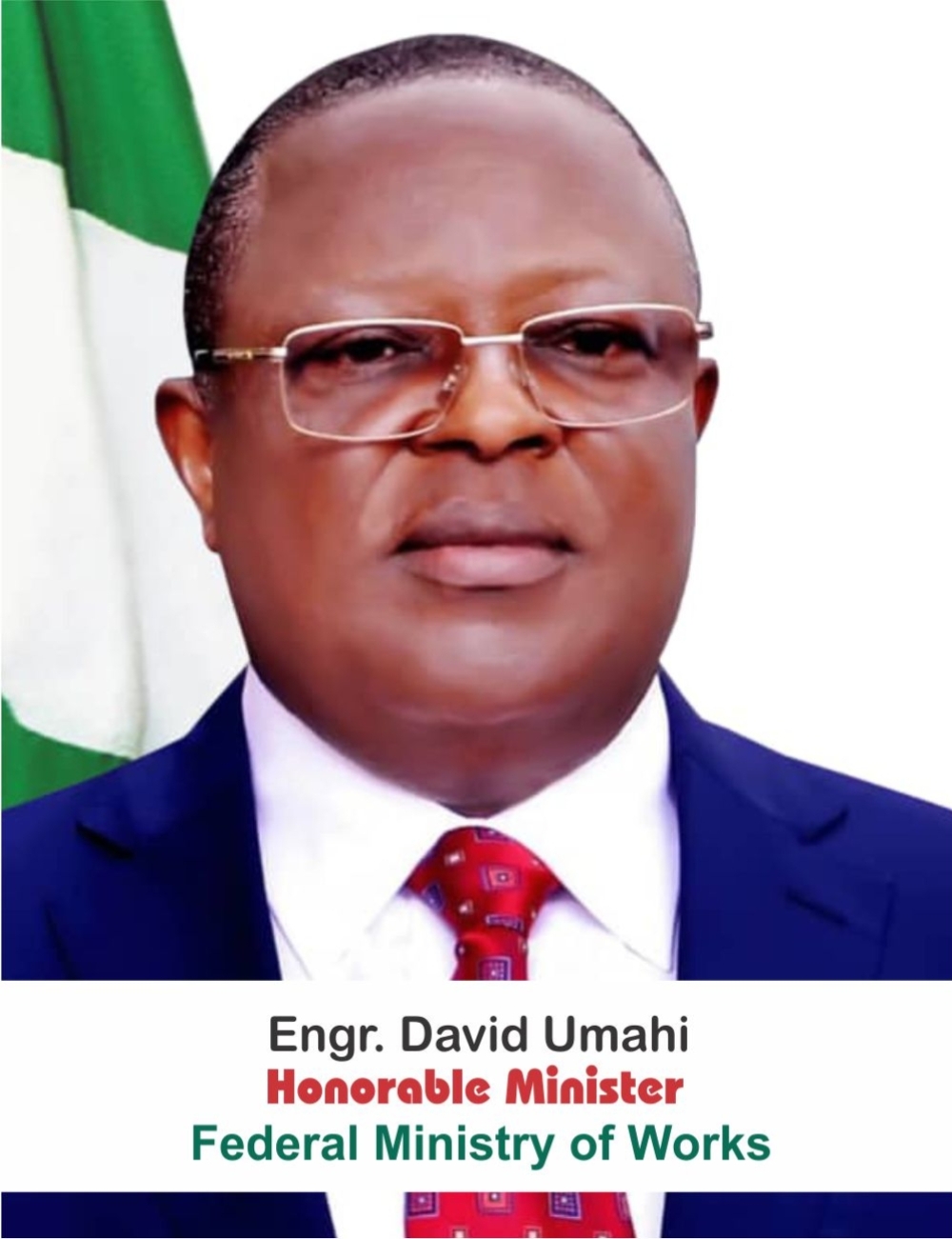
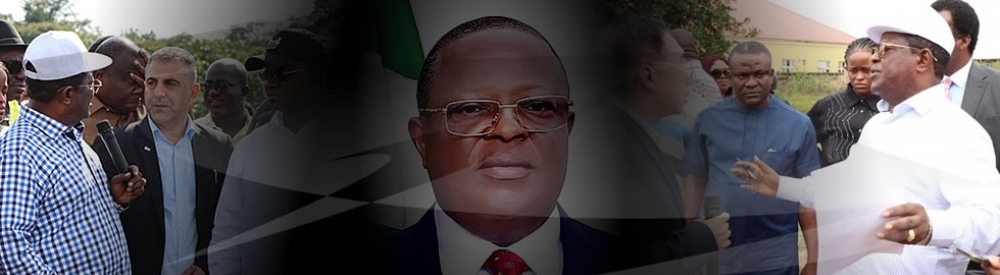
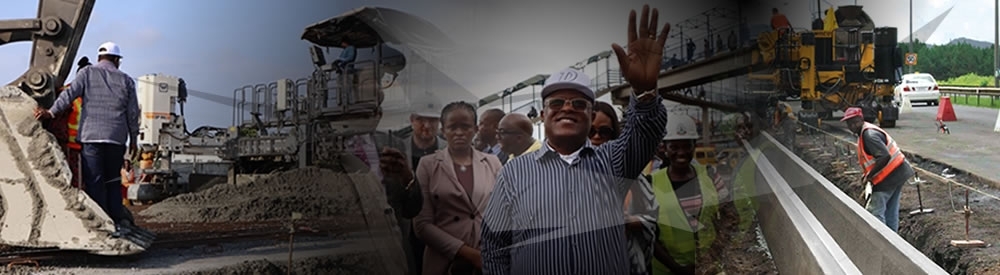
Speaking at the ceremony, the Honourable Minister of Works, Engr. Sen. David Umahi, CON, FNSE, FNATE, disclosed that the project is a landmark investment that will improve connectivity, reduce travel time, enhance road safety, lower transportation costs, create jobs, and unlock the region’s economic potential. He explained that the Akwanga–Maiduguri Superhighway is one of four legacy highway corridors being implemented simultaneously by the Federal Government, alongside the Lagos–Calabar Coastal Highway, the Sokoto–Badagry, and the Calabar–Abuja (Trans Sahara) Superhighways.
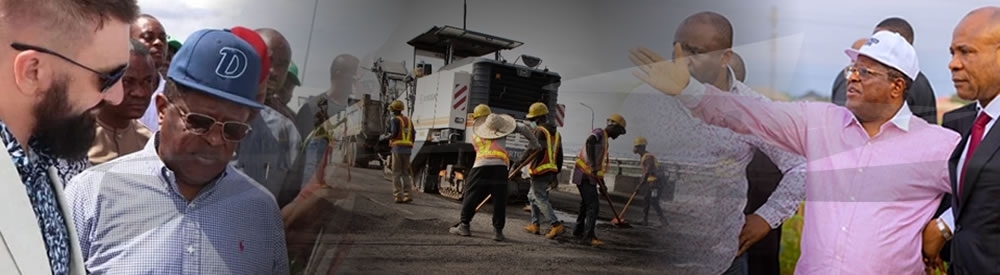
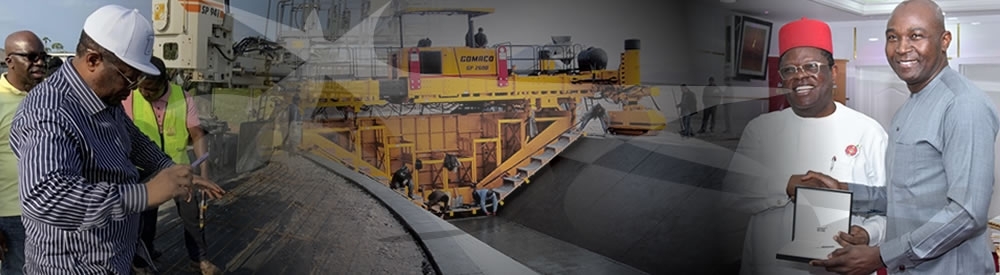
The Minister reiterated the Federal Government's commitment to CRCP technology to ensure greater durability, lower maintenance costs, and a lifespan of up to 100 years. He commended President Tinubu for his untiring support for infrastructure development and urged the contractor to deliver quality work, while engaging local communities through employment, skills acquisition, and technology transfer.
The President's representative also commissioned the newly completed Akwanga Township Dual Carriageway and Underpass, executed by the Nasarawa State Government under the leadership of the Governor, His Excellency, Engr. Abdullahi Sule, CON. He commended him for complementing the Federal Government's infrastructure drive through strategic investments in road development across the state.
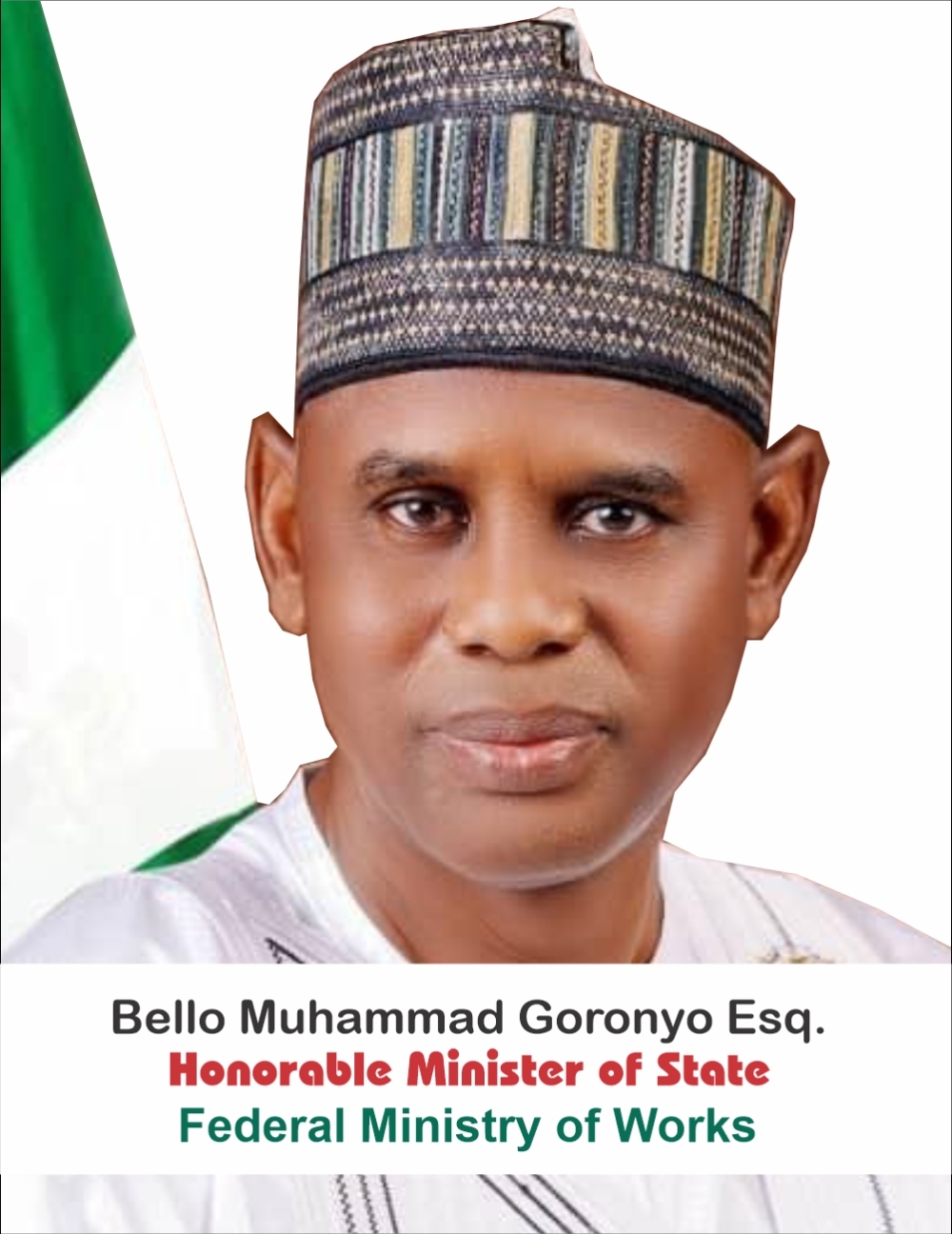
In his Welcome Address, the Honourable Minister of State for Works, Bello Muhammad Goronyo, Esq., stated that the Superhighway would serve as a major transportation corridor linking North-Central and North-East Nigeria, while facilitating trade, agriculture, investment, and national security.
Also speaking at the well-attended event, the Honourable Minister of Information and National Orientation, Alhaji Mohammad Idris, highlighted the Federal Government's unprecedented investment in infrastructure, education, healthcare, and economic reforms, noting that the Renewed Hope Agenda is delivering tangible benefits across all sectors and the country.
The Honourable Minister of Women Affairs, Hon. Imaan Sulaiman Ibrahim, described the project as another demonstration of the administration's commitment to inclusive development, noting that investments in infrastructure are being complemented by programmes supporting businesses, women, and youth development.
Governor Sule expressed appreciation to President Tinubu for approving the project, describing it as a strategic national corridor that will connect communities, boost commerce, and attract investments across the region.
Speaking on behalf of the benefiting states, Governor Barr. Caleb Manasseh Mutfwang of Plateau State said the commencement of the project is the fulfilment of a long-standing aspiration of the people of the region and commended the Federal Government for making its promise a reality.
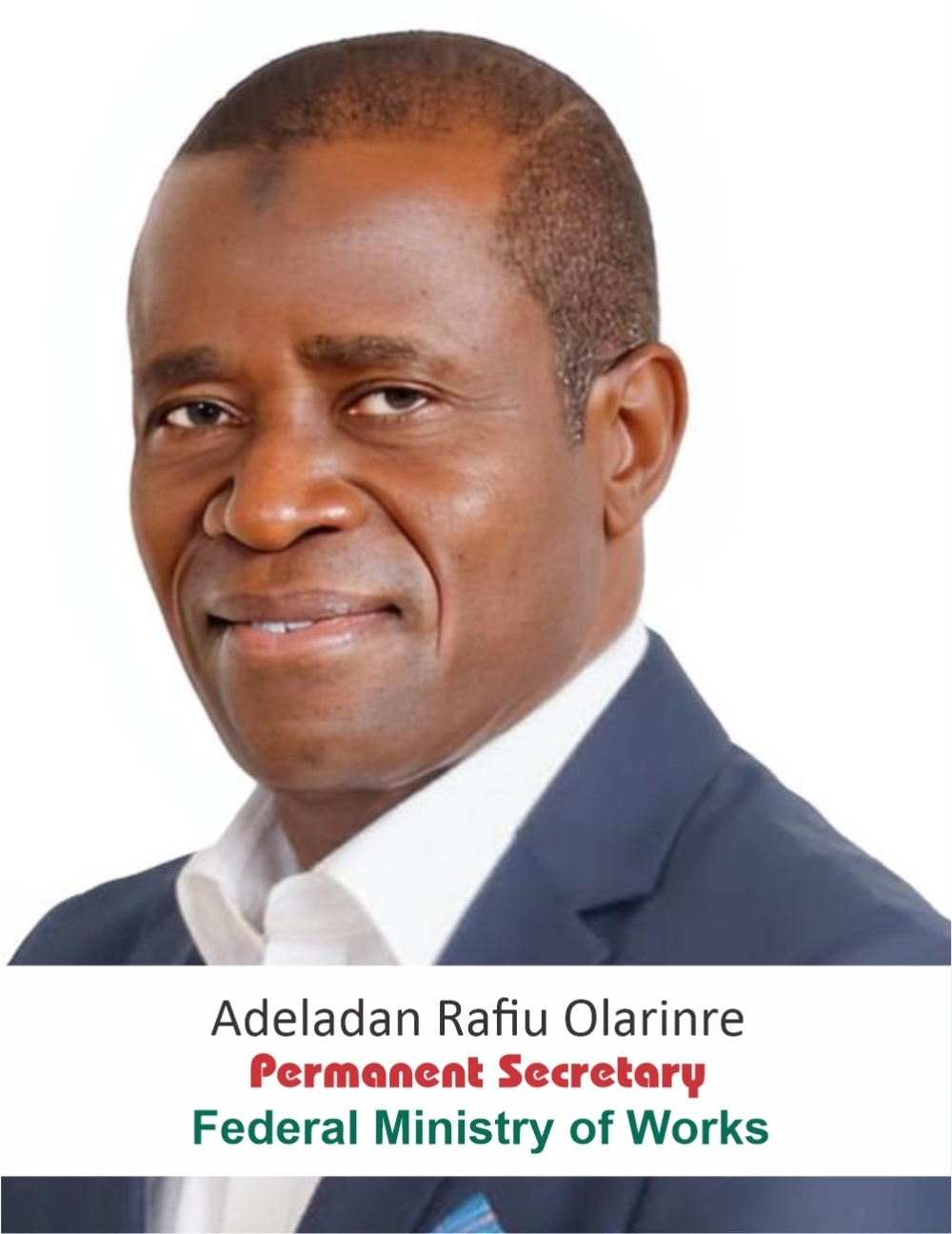
The Permanent Secretary, Federal Ministry of Works, Mr. Rafiu Olarinre Adeladan, stated that the project represents a new era in highway development in Nigeria and reaffirmed the Ministry's commitment to quality delivery, transparency, and value for money.
The Managing Director of CGC (Nig.) Ltd., Engr. Zhong Xiang assured the Federal Government, the State Governors on the road’s corridor, and all Nigerians of the company's readiness to deliver the project safely, professionally, on schedule, and in accordance with international standards and best practices.
The Federal Ministry of Works reaffirmed its commitment to delivering strategic road infrastructure that will strengthen national unity, promote inclusive economic growth, and improve the quality of life of Nigerians, in line with the Renewed Hope Agenda of the Administration of President Tinubu, GCFR.

FG FLAGS OFF CONSTRUCTION OF AKWANGA–JOS–BAUCHI–GOMBE–BIU—MAIDUGURI SUPERHIGHWAY, COMMISSIONS AKWANGA TOWNSHIP DUAL CARRIAGEWAY AND UNDERPASS The Federal Government has officially flagged off the construction of Section One of the 700-kilometre Akwanga–Jos–Bauchi–Gombe–Biu—Maiduguri Superhighway, reaffirming President Bola Ahmed Tinubu, GCFR's commitment to delivering transformative infrastructure under the Renewed Hope Agenda. The flag-off ceremony, held on the 1st July, 2026, in Akwanga, Nasarawa State, where the President, His Excellency Bola Ahmed Tinubu, GCFR, was represented by the National Chairman of the All Progressives Congress (APC), Prof. Nentawe Goshwe Yilwatda, stated that the project is one of the President's four Renewed Hope Legacy Road Projects, designed to transform Nigeria's transportation network, strengthen national integration, improve security, facilitate trade, and stimulate economic growth across the North-Central and North-East geopolitical zones. The first phase of the project covers approximately 125 kilometres from Akwanga in Nasarawa State to Jos in Plateau State and forms part of the larger 700-kilometre, six-lane, continuously reinforced concrete pavement (CRCP) superhighway stretching through Nasarawa, Kaduna, Plateau, Bauchi, Gombe, Yobe, and Borno States. Speaking at the ceremony, the Honourable Minister of Works, Engr. Sen. David Umahi, CON, FNSE, FNATE, disclosed that the project is a landmark investment that will improve connectivity, reduce travel time, enhance road safety, lower transportation costs, create jobs, and unlock the region’s economic potential. He explained that the Akwanga–Maiduguri Superhighway is one of four legacy highway corridors being implemented simultaneously by the Federal Government, alongside the Lagos–Calabar Coastal Highway, the Sokoto–Badagry, and the Calabar–Abuja (Trans Sahara) Superhighways. The Minister reiterated the Federal Government's commitment to CRCP technology to ensure greater durability, lower maintenance costs, and a lifespan of up to 100 years. He commended President Tinubu for his untiring support for infrastructure development and urged the contractor to deliver quality work, while engaging local communities through employment, skills acquisition, and technology transfer. The President's representative also commissioned the newly completed Akwanga Township Dual Carriageway and Underpass, executed by the Nasarawa State Government under the leadership of the Governor, His Excellency, Engr. Abdullahi Sule, CON. He commended him for complementing the Federal Government's infrastructure drive through strategic investments in road development across the state. In his Welcome Address, the Honourable Minister of State for Works, Bello Muhammad Goronyo, Esq., stated that the Superhighway would serve as a major transportation corridor linking North-Central and North-East Nigeria, while facilitating trade, agriculture, investment, and national security. Also speaking at the well-attended event, the Honourable Minister of Information and National Orientation, Alhaji Mohammad Idris, highlighted the Federal Government's unprecedented investment in infrastructure, education, healthcare, and economic reforms, noting that the Renewed Hope Agenda is delivering tangible benefits across all sectors and the country. The Honourable Minister of Women Affairs, Hon. Imaan Sulaiman Ibrahim, described the project as another demonstration of the administration's commitment to inclusive development, noting that investments in infrastructure are being complemented by programmes supporting businesses, women, and youth development. Governor Sule expressed appreciation to President Tinubu for approving the project, describing it as a strategic national corridor that will connect communities, boost commerce, and attract investments across the region. Speaking on behalf of the benefiting states, Governor Barr. Caleb Manasseh Mutfwang of Plateau State said the commencement of the project is the fulfilment of a long-standing aspiration of the people of the region and commended the Federal Government for making its promise a reality. The Permanent Secretary, Federal Ministry of Works, Mr. Rafiu Olarinre Adeladan, stated that the project represents a new era in highway development in Nigeria and reaffirmed the Ministry's commitment to quality delivery, transparency, and value for money. The Managing Director of CGC (Nig.) Ltd., Engr. Zhong Xiang assured the Federal Government, the State Governors on the road’s corridor, and all Nigerians of the company's readiness to deliver the project safely, professionally, on schedule, and in accordance with international standards and best practices. The Federal Ministry of Works reaffirmed its commitment to delivering strategic road infrastructure that will strengthen national unity, promote inclusive economic growth, and improve the quality of life of Nigerians, in line with the Renewed Hope Agenda of the Administration of President Tinubu, GCFR.
The President's representative praised the Minister of Works for his exceptional leadership and dedication to transforming Nigeria's road sector, describing him as one of the administration's most outstanding performers.
He described the Minister of Works as “the shining light of the Renewed Hope Administration.”
Be Resolute And Business Oriented, Fashola Charges New NERC Commissioners The Minister of PowerWorks and Housing, Babatunde Raji Fashola, SAN, has charged the newly inaugurated Commissioners of the Nigerian Electricity Regulatory Commission (NERC), to be firm but fair, regulate but be business oriented, calling on them to be resolute in the discharge of their duties. The Minister gave this charge while inaugurating the Commissioners,on Tuesday in Abuja. He stated that with the new Commissioners on board, the Ministry and the Commission will now focus rigorously on policy formulation and regulation respectively. The Minister who stated that the Commissioners were chosen as ‘’prescribed by law’’, emphasized that their appointments will ‘’provide stability in governance, regulatory actions and institutions building to the sector’’. Furthermore it will allow the Ministry to ‘’focus on policy, coordination and completion of ongoing generation and transmissions projects’’ Fashola, who used the opportunity to reiterate government’s preparedness to create an enabling environment for would be investors to operate, stated that they can now channel their requests and enquiries to the Commission for licenses to generate power, build coal, solar plant etc. Heequally appealed to youths in the Niger Delta Area to embrace peace and dialogue as he lamented that Nigeria currently lost about 3000MW due to the vandalisation of gas pipelines that provide gas to the power plants in the Country. The Minister said that with present capacity of 3500MW, the sector would have achieved 6500MW which will significantlyincreasethe quantum of electricity to Industries and Households. The Six Commissioners inaugurated by the Minister are; Engr. SanusiGarba, Prof. Frank Okafor, DafeAkpeneye. Others are, Nathan Roger Shattti, Dr. MusiliuOseni and Dr. Moses Arigu. Responding, the Vice- Chairman of the Commission, Engr. SanusiGarba, on behalf of the newly inaugurated Commissioners, commended President MuhammaduBuhari for thehonour given to them to serve the nation as well as steer the affairs of the Commission. Engr. Sanusi re-affirmed the commitment of the Commissioners in dischargingtheir duties and promised to work diligentlyandhonestly in regulating the affairs of the sector and promise not to betray the confidence charged on them. ...
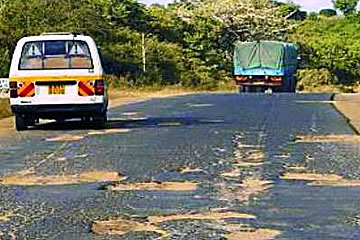
FG approves construction of Ilorin-Omuaran-Kabba road; Consultancy for transmission lines. The Federal Executive Council (FEC) also on Wednesday approved the construction of the section 1 of the Ilorin-Omuaran-Kabba Road for N21 billion to link Kwara and Kogi states. The Minister of Power, Works and Housing, Mr Babatunde Fashola, said that FEC also approved a N589 million consultancy for Environmental Impact Assessment on the 200 kilometre Olorunshogbo Transmission line. Fashola said the projects were consistent with the programmes of the federal government to reduce travel time and improve power supply to parts of the country.. “The second approval was for consultancy services for professionals to conduct line-route studies, Environmental Social Impact Assessment and resettlement action plan as well as environmental social management plan. “(It) is in order for us to access the Japanese International Cooperation Agency (JICA) loan to support the Transmission Company of Nigeria (TCN) to continue its transmission grid expansion programme.’’ The Minister said that the TCN projects cover the routes which the transmission line would pass through. He added that the 200 kilometre line would enable TCN evacuate power from the Olorunshogbo power plant to industrial clusters in Ogun and parts of Lagos state. In his briefing, the Minister of Agriculture, Chief Audu Ogbe, said that the committee set up on the rising cost of food prices has submitted an interim report to the Council. According to him, the committee identified the causes of the rise in prices as high cost of transportation and illegal taxation by states and local governments on producers and transporters. He said that the good thing was that there was no real shortage of food, adding that Nigerians were groaning under the pain of high prices. He attributed the high cost of transportation to the complete reliance on roads for evacuation of produce coupled with high cost of diesel and difficulties of trucks to move to places at the old fares. “So we considered the following alternatives using railway wagons on the current railway networks as we did before. When we moved cattle from the North West to Lagos by rail, we brought down the costs. “We avoided the multiple taxation visited on transporters in this country by local governments, road blocks, most of them not very legal, along the high ways, which delay movement and cause damage to a lot of foods like tomatoes. “We decided to work with the state governments and the police to reduce those delays and we are going to adapt what they have in Cote D’Ivioire where trucks carrying food are given labels. “In fact in Cote D’Ivoire, they cannot be stopped for more than 10 minutes anywhere even if something serious has happened. “The security agencies will follow them to the port or to their destinations and come back to investigate whatever happens. “Finally, we shall be looking into our reserves , if the situation in the next few days persists, then we have to see what we can bring out to lower the prices. (This is) because another round of harvests would be coming up again by the end of March,"Audu Ogbe said. The Minister said there was really no starvation in the country, adding that there was also a lot of pressure on Nigerian food from West, North and Central Africa. “Our food production is very robust and we are doing pretty well,’’ he added. ...
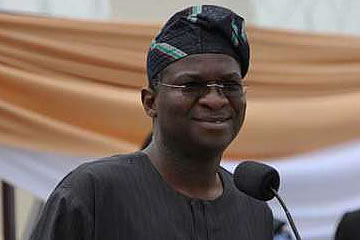
FG to Boost Economy by Consolidating on Existing Housing Projects Across The Nation The federal government has reiterated that it will consolidate on the various existing housing projects across the nation as a way of boosting the economy and taking Nigeria out of the present economy recession. The minister of Power, Works and Housing, Mr Babatunde Raji Fashola, SAN, stated this while presenting the 2017 budget proposal of the Housing Sector of the ministry at the Joint Committee on Works, Power, Housing and Urban Development recently. The minister, while giving an overview of the 2016 appropriation noted that despite the delay in budget passage of 2016 coupled with the process of finalization/standardization of the prototype designs for the National Housing Projects which was concluded around December, the ministry has issued award letters to competent and successful contractors. The contractors, who have since been mobilized, have moved to their various sites to commence work. He further stated that the ministry was only able to achieve about 57 per cent of the estimated budget appropriation in 2016 due to paucity of funds and delay in releases, adding that the ministry will have done better if sufficient funds were released for designated projects. Fashola said that the country will soon begin to feel the impact as laid-off workers have been re-absorbed, more are being employed, goods and services are in exchange and the local economy of the various project locations/sites around the country are now taking shapes. While giving the broad framework of the proposal for 2017, the minister noted that the highlight of this year’s budget will focus mainly on the National Housing Programme, completion and award of new federal secretariats in some states of the federation and payment of outstanding local debt to contractors, adding that this in the overall will positively impact on the nation’s economy. The chairman, Joint committee on Works, Power and Housing Urban Development, Hon. Ahmed Babba Usman Keita thanked the minister and his team for their efforts and requested that the minister should furnish the committee with a detailed breakdown and clarifications of the proposed 2017 budget to help in facilitating necessary appropriation for the ministry. Hon. Keita also assured the minister that the committee will use every constitutional means available to it to ensure the release of adequate funds to the ministry. ...
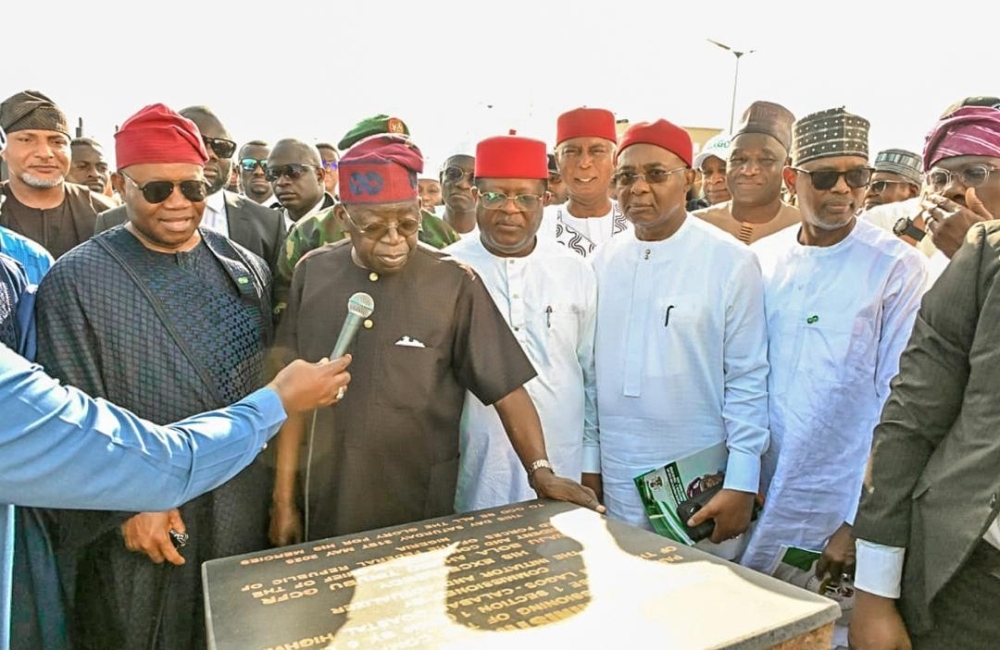
DRIVING NIGERIA’S FUTURE: CELEBRATING TWO YEARS OF TRANSFORMATIVE LEADERSHIP AND THE LAGOS-CALABAR COASTAL HIGHWAY MILESTONE
DRIVING NIGERIA’S FUTURE: CELEBRATING TWO YEARS OF TRANSFORMATIVE LEADERSHIP AND THE LAGOS-CALABAR COASTAL HIGHWAY MILESTONE
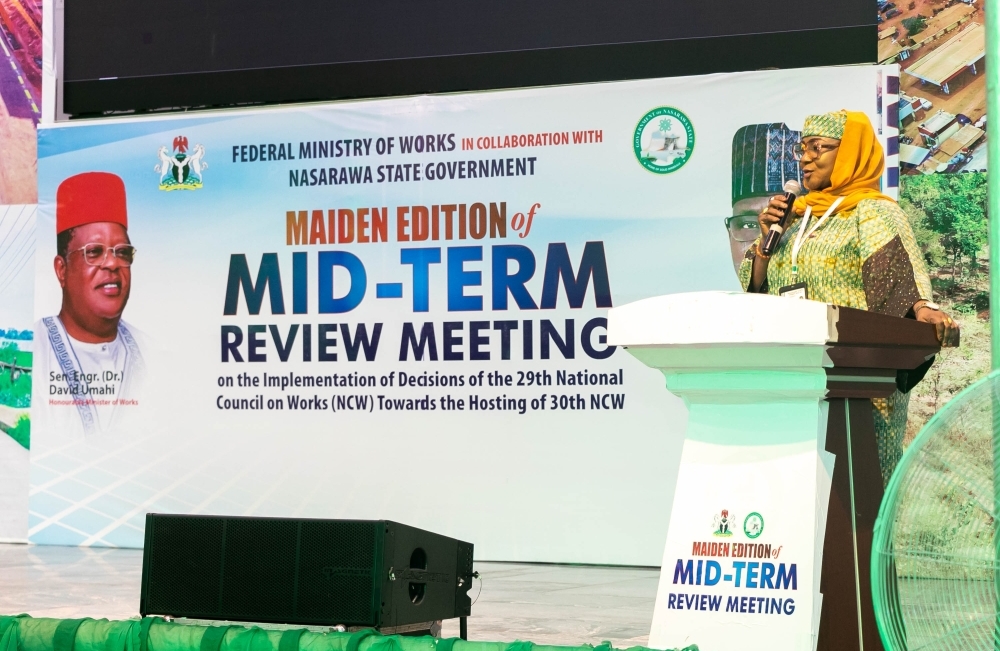
MID -TERM REVIEW MEETING ON THE IMPLIMENTATION OF THE DECISIONS REACHED AT THE 29TH NATIONAL COUNCIL ON WORKS (NCW) DAY 1
MID -TERM REVIEW MEETING ON THE IMPLIMENTATION OF THE DECISIONS REACHED AT THE 29TH NATIONAL COUNCIL ON WORKS (NCW) DAY 1