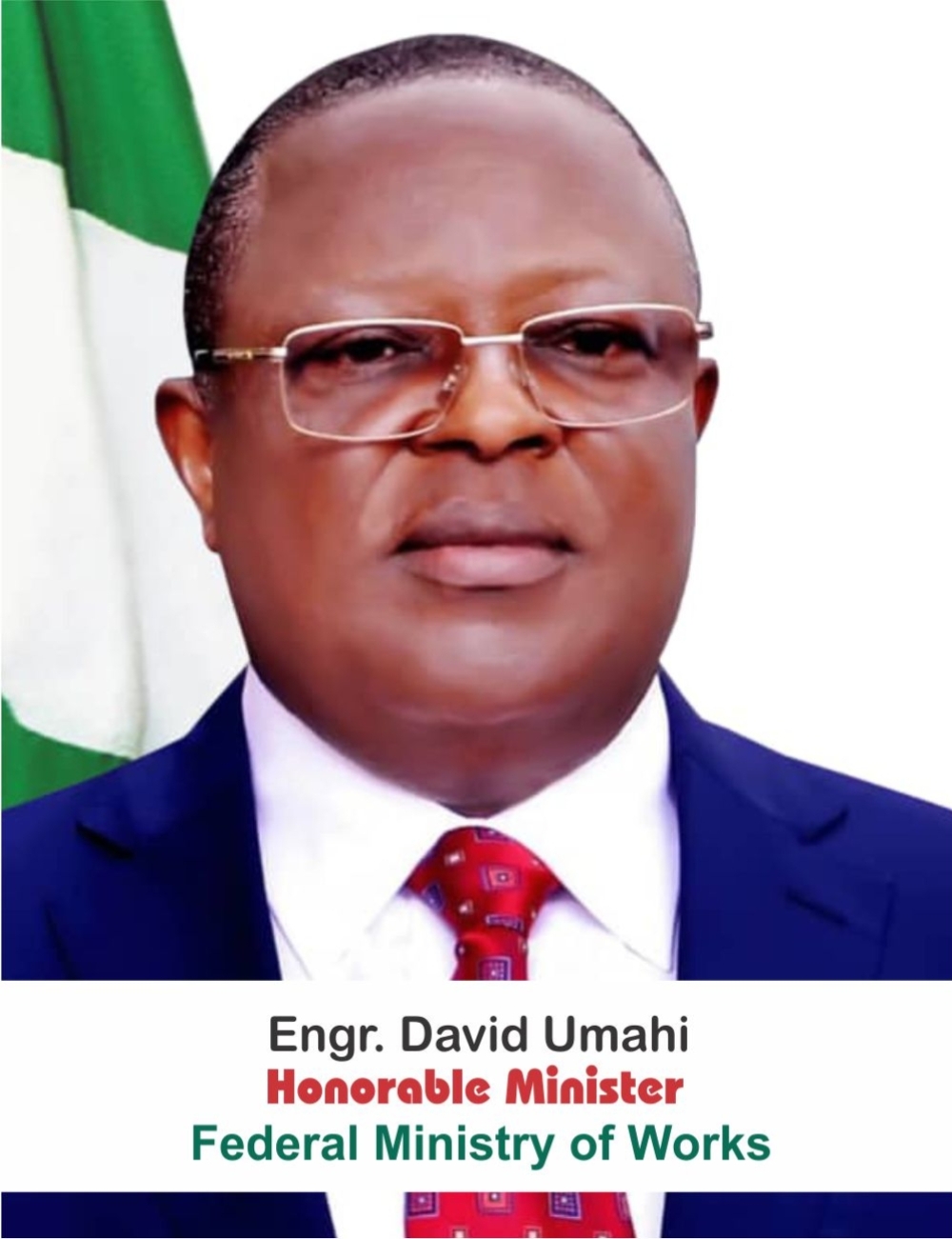
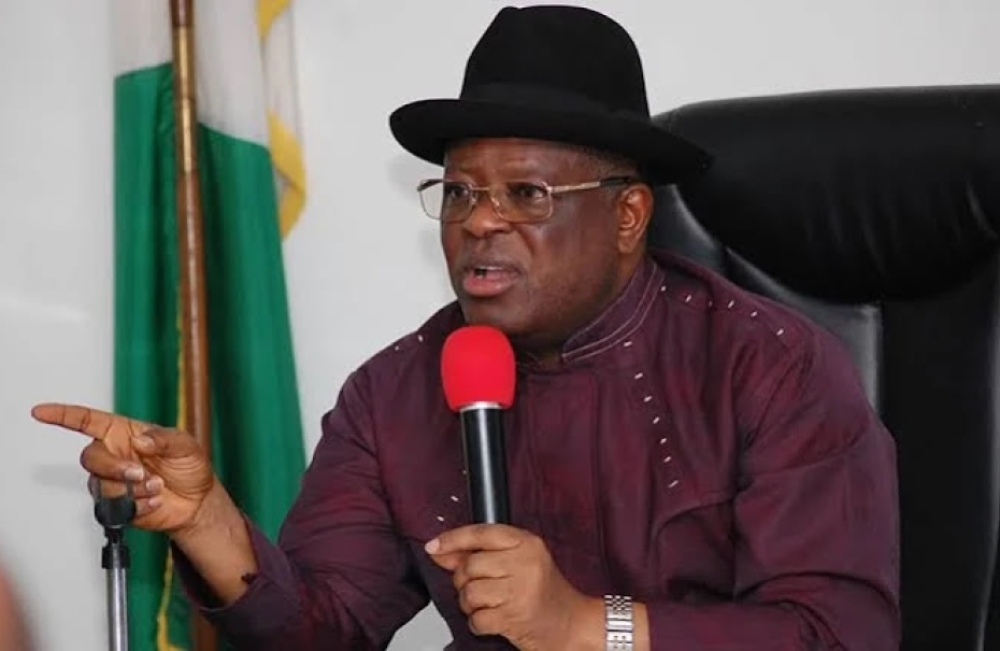
UMAHI ORDERS IMMEDIATE EMERGENCY INTERVENTION ON BENIN-ASABA ROAD, AND SOME OTHER CRITICAL FEDERAL ROADS
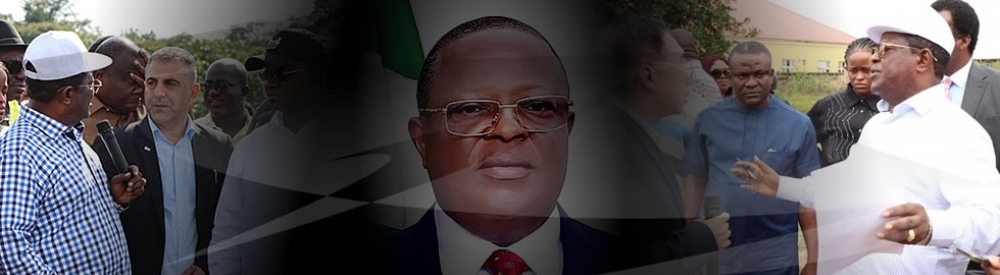
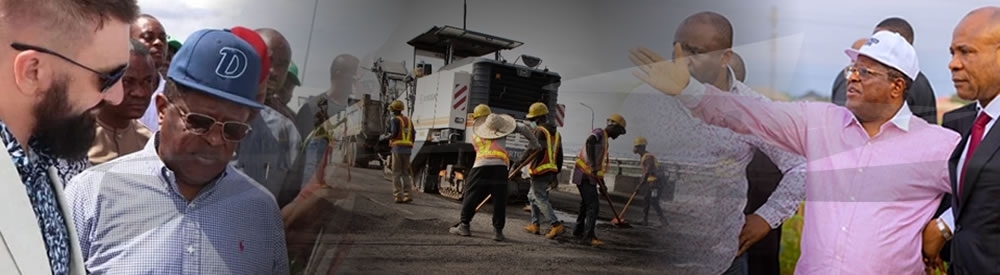
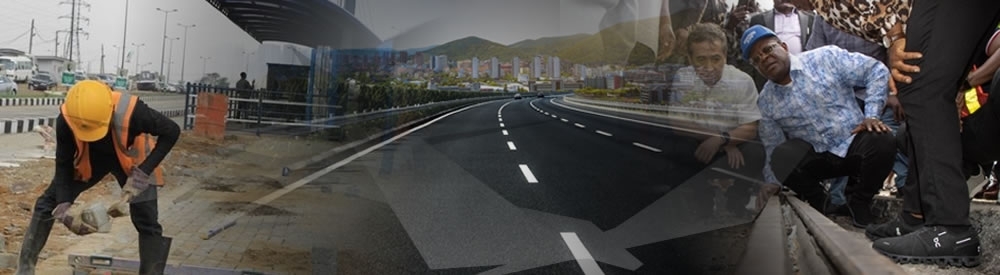
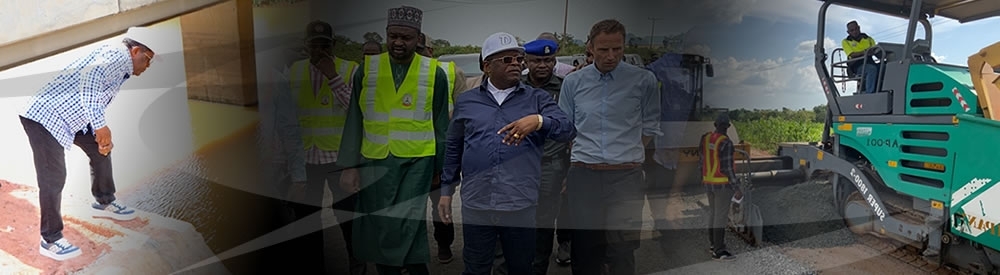
The Honourable Minister of Works, Senator Engr. David Nweze Umahi, CON, has directed the immediate deployment of major contractors to all three sections of the Benin-Asaba Federal Road to restore the failed sections and bring an end to the suffering of motorists and other road users.
This is because, the situation on the concessioned Benin-Asaba Road has reached a point where the overall public interest must take precedence over the existing concession agreement.
Recall that the Honourable Minister of Works was on the Benin-Asaba Road about seven days ago, where he assembled a number of contractors and directed them to prepare for immediate palliative intervention on the affected sections of the road at no cost to the concessionaire. In line with the Concession agreement which requires that before the Federal Government could intervene, the permission of the concessionaire must be required, and that permission was not granted to federal government.
The Minister subsequently proposed three options to the concessionaire, any one of which would have enabled the Federal Government to move in and address the worsening condition of the road. Unfortunately, none of the options was accepted by the concessionaire. Immediately after the Minister left Asaba, the already limited equipment deployed to the road by the concessionaire was further reduced to just one, worsening the situation and increasing the suffering of motorists and other road users.
While the Minister takes responsibility for the concerns and suffering of Nigerians using the road, it is important to state that the concessionaire has also not taken the suffering of Edo people and travelling public sufficiently into consideration by declining all the options put forward by the Federal Government. The concessionaire continues to rely on the terms of the concession agreement entered into by the previous administration, an agreement which weighs heavily against the Federal Government’s ability to intervene quickly in the interest of the public in a situation like this.
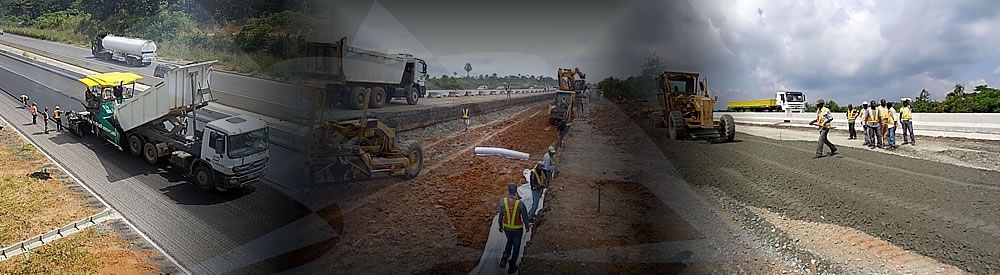
In view of this situation, the Honourable Minister of Works has directed the immediate deployment of major contractors within the corridor to all three sections of the Benin-Asaba Road to restore the failed sections and bring relief to the people, with the cost of the emergency intervention being borne by the Federal Government. The Honourable Minister has also directed immediate redesign of the entire route to be rebuilt with reinforced concrete pavement. The public should therefore take note that immediate action is underway to restore every failed section of the Benin-Asaba Road and subsequently rehabilitate the entire sections of the road using reinforced concrete pavement.
2. On the Benin-Sapele Road:
The Governors of Edo and Delta States, the Niger Delta Development Commission (NDDC), and the Federal Government are currently engaged in interventions on different sections of the road to restore the entire route. While some sections are receiving palliative attention, permanent works are also ongoing on other sections.
3. On Ifaki(Ekiti) - Kabba (Kogi) Road:
The Federal Government is engaging both the contractor; Gamji Nigeria Company Limited, and Dangote PLC on immediate emergency and permanent intervention on the most failed sections of the road, while efforts are being made to financially mobilise the company for more extensive permanent work to commence on the axis.
4. On the Sokoto-Zamfara-Katsina Road: This is an inherited project involving the dualisation of approximately 350 kilometres, which translates to about 700 kilometers. The project has since been redesigned and is currently ongoing and most sections are being reconstructed using reinforced concrete pavement. From the Sokoto axis towards Zamfara, over 50 kilometres of one carriageway have been fully completed with reinforced concrete pavement. From Zamfara to Katsina, some sections have been completed and palliative works have been ordered over the sections that have not been reconstructed. However, the pace of work slowed down due to the redesign and rephasing of the project. The contractors currently engaged on the road include CBC, SETRACO, Triacta and Mothercat. They are being remobilised to return to site and complete the outstanding works.
5. On the Abuja-Kaduna-Zaria-Kano Road: The Federal Government took over the Road project and has currently completed the 118-kilometer mostly on reinforced concrete pavement on lot 1. The Lot 2, which covers 164 kilometres, is over 60 percent completed on reinforced concrete pavement. The Federal Government has also introduced solar-powered light on the entire route of Abuja-Kaduna-Zaria - Kano to improve visibility during night travel and enhance the overall security situation on the route. The entire project is scheduled for completion by December 2026.
6. On Bauchi-Jigawa Road: Triacta Nigeria Limited has been mobilised to carry out the necessary interventions on some failed sections and work is currently ongoing in those failed sections.
7. On the Sagamu-Ore Road: 48 Kilometers of the 96-kilometre road have already been completed using reinforced concrete pavement. There is also a 24-kilometre section around Ore which was abandoned by the previous contractor. The Federal Government has directed its immediate restoration to ensure seamless travel. Solar lights are being installed in the entire 96kilometer of the road.
8. On Flooded Sections on Sagamu-Ore-Benin Road: The flooded sections on the same corridor between Sagamu-Ore-Benin Road, as well as other flooded sections in Ondo State, are being designed for emergency procurement and intervention.
9. On the East-West Road:
Some failed and critical sections, including defective sections of bridges along the East-West Road, are being marked out for emergency procurement and intervention.
10. On the Abuja-Lokoja Road:
Several contracts are ongoing along the route, while the three critical sections currently without contracts are being procured for emergency intervention.
11. On the Lokoja-Benin-Warri Road: The President has directed a complete redesign and procurement of the 400-kilometre dualised route covering the uncompleted sections, using reinforced concrete pavement, while palliative works will continue with the contractors currently on the road.
12. On Carter Bridge:
While the Federal Government continues to undertake weekly maintenance of the underwater elements of the bridge. The site has also been handed over to the contractor, CCECC, for the construction of a permanent new bridge, and work has commenced.
13. On the Third Mainland Bridge:
With regard to the defective underwater structural elements, the Federal Government is at the final stage of determining the appropriate intervention for the repair of the affected elements.
14. On the flooded section of the Lagos-Ibadan Road: Work has commenced on the affected section. There are also several flooded sections on federal roads across the six geopolitical zones, largely occasioned by excessive flooding and the effects of climate change. The Federal Government is identifying and marking these sections for immediate attention.
15. On the First and Second Niger Bridges:
Intervention work is ongoing on the approach roads to the Second Niger Bridge damaged by flood and the work is progressing very well. The First Niger Bridge has been closed to traffic to enable immediate repair works. Contractor has mobilized to site and comprehensive rehabilitation of the bridge has started. From Summit Junction to the First Niger Bridge, massive rehabilitation work is also ongoing using reinforced concrete pavement.
16. The Honourable Minister wishes to commend the President of the Federal Republic of Nigeria, His Excellency Bola Ahmed Tinubu, GCFR, for the massive work being undertaken on the nation’s roads since the administration assumed office in 2023.
17. It is important to state that when the present administration came into office, there was hardly any part of the country where one could travel for an hour without encountering significant challenges on the road network. The condition of the country’s roads and bridges was a major national infrastructure challenge.
18. Rather than shy away from the problem, the administration of President Bola Ahmed Tinubu made the nation’s road network a priority. Virtually every part of the country became a priority, and the Federal Government, through the Federal Ministry of Works, Regional Commissions, Parastatals and other MDA’s has continued to respond extensively to these challenges.
19. The Federal Government is currently working on over 80 percent of the inherited federal roads, an unprecedented level of intervention in the country’s road infrastructure.
20. We ask the public to understand the enormous challenges inherited on our roads and bridges and to take note not only of the problems being solved, but also of the permanent solutions being introduced.
21. A major part of this new approach is the use of reinforced concrete pavement, designed to significantly extend the lifespan of major roads. These roads are expected to last between 50 and 100 years. This means that roads being constructed under President Bola Ahmed Tinubu’s administration are being designed with future generations in mind, rather than simply providing temporary solutions to today’s problems. And this is a complete departure from the past, when roads often deteriorated only a few years after completion, resulting in a continuous cycle of reconstruction and expenditure.
22. We appreciate the concerns of Nigerians over the condition of some roads presently and the difficulties faced by motorists and commuters who cannot move easily from one point to another. Those concerns are legitimate, and the Federal Government is listening. But Nigerians should also recognise the enormous scale of the problems inherited and the amount of work currently being undertaken across the country.
23. It is simply impossible to resolve every road challenge accumulated over many years of neglect by the past administrations within three years. What is important is that the government is working, the government is responding, and the government is putting permanent solutions in place.
25. We appreciate members of the public who send situation reports on failed roads and other infrastructure challenges. These reports help the Ministry identify areas requiring urgent attention. However, we also appeal to members of the public to report when such problems have been addressed, just as they report when they occur.
24. We are aware of situations where photographs and reports of road challenges continue to circulate on social media even after the Federal Government has intervened and resolved the particular problem.
25. However, the Ministry will continue to respond as rapidly as possible to genuine reports and concerns from Nigerians.
26. It is also important to note that we have compiled a comprehensive record of all inherited, ongoing and intervention projects across the country which is available to the public. This is to ensure that Nigerians have access to information on the infrastructure projects being undertaken nationwide and can fully participate in and appreciate the infrastructure revolution of President Bola Ahmed Tinubu’s administration.

UMAHI ORDERS IMMEDIATE EMERGENCY INTERVENTION ON BENIN-ASABA ROAD, AND SOME OTHER CRITICAL FEDERAL ROADS The Honourable Minister of Works, Senator Engr. David Nweze Umahi, CON, has directed the immediate deployment of major contractors to all three sections of the Benin-Asaba Federal Road to restore the failed sections and bring an end to the suffering of motorists and other road users. This is because, the situation on the concessioned Benin-Asaba Road has reached a point where the overall public interest must take precedence over the existing concession agreement. Recall that the Honourable Minister of Works was on the Benin-Asaba Road about seven days ago, where he assembled a number of contractors and directed them to prepare for immediate palliative intervention on the affected sections of the road at no cost to the concessionaire. In line with the Concession agreement which requires that before the Federal Government could intervene, the permission of the concessionaire must be required, and that permission was not granted to federal government. The Minister subsequently proposed three options to the concessionaire, any one of which would have enabled the Federal Government to move in and address the worsening condition of the road. Unfortunately, none of the options was accepted by the concessionaire. Immediately after the Minister left Asaba, the already limited equipment deployed to the road by the concessionaire was further reduced to just one, worsening the situation and increasing the suffering of motorists and other road users. While the Minister takes responsibility for the concerns and suffering of Nigerians using the road, it is important to state that the concessionaire has also not taken the suffering of Edo people and travelling public sufficiently into consideration by declining all the options put forward by the Federal Government. The concessionaire continues to rely on the terms of the concession agreement entered into by the previous administration, an agreement which weighs heavily against the Federal Government’s ability to intervene quickly in the interest of the public in a situation like this. In view of this situation, the Honourable Minister of Works has directed the immediate deployment of major contractors within the corridor to all three sections of the Benin-Asaba Road to restore the failed sections and bring relief to the people, with the cost of the emergency intervention being borne by the Federal Government. The Honourable Minister has also directed immediate redesign of the entire route to be rebuilt with reinforced concrete pavement. The public should therefore take note that immediate action is underway to restore every failed section of the Benin-Asaba Road and subsequently rehabilitate the entire sections of the road using reinforced concrete pavement. 2. On the Benin-Sapele Road: 3. On Ifaki(Ekiti) - Kabba (Kogi) Road: 4. On the Sokoto-Zamfara-Katsina Road: This is an inherited project involving the dualisation of approximately 350 kilometres, which translates to about 700 kilometers. The project has since been redesigned and is currently ongoing and most sections are being reconstructed using reinforced concrete pavement. From the Sokoto axis towards Zamfara, over 50 kilometres of one carriageway have been fully completed with reinforced concrete pavement. From Zamfara to Katsina, some sections have been completed and palliative works have been ordered over the sections that have not been reconstructed. However, the pace of work slowed down due to the redesign and rephasing of the project. The contractors currently engaged on the road include CBC, SETRACO, Triacta and Mothercat. They are being remobilised to return to site and complete the outstanding works. 5. On the Abuja-Kaduna-Zaria-Kano Road: The Federal Government took over the Road project and has currently completed the 118-kilometer mostly on reinforced concrete pavement on lot 1. The Lot 2, which covers 164 kilometres, is over 60 percent completed on reinforced concrete pavement. The Federal Government has also introduced solar-powered light on the entire route of Abuja-Kaduna-Zaria - Kano to improve visibility during night travel and enhance the overall security situation on the route. The entire project is scheduled for completion by December 2026. 6. On Bauchi-Jigawa Road: Triacta Nigeria Limited has been mobilised to carry out the necessary interventions on some failed sections and work is currently ongoing in those failed sections. 7. On the Sagamu-Ore Road: 48 Kilometers of the 96-kilometre road have already been completed using reinforced concrete pavement. There is also a 24-kilometre section around Ore which was abandoned by the previous contractor. The Federal Government has directed its immediate restoration to ensure seamless travel. Solar lights are being installed in the entire 96kilometer of the road. 8. On Flooded Sections on Sagamu-Ore-Benin Road: The flooded sections on the same corridor between Sagamu-Ore-Benin Road, as well as other flooded sections in Ondo State, are being designed for emergency procurement and intervention. 9. On the East-West Road: 10. On the Abuja-Lokoja Road: 11. On the Lokoja-Benin-Warri Road: The President has directed a complete redesign and procurement of the 400-kilometre dualised route covering the uncompleted sections, using reinforced concrete pavement, while palliative works will continue with the contractors currently on the road. 12. On Carter Bridge: 13. On the Third Mainland Bridge: 14. On the flooded section of the Lagos-Ibadan Road: Work has commenced on the affected section. There are also several flooded sections on federal roads across the six geopolitical zones, largely occasioned by excessive flooding and the effects of climate change. The Federal Government is identifying and marking these sections for immediate attention. 15. On the First and Second Niger Bridges: 16. The Honourable Minister wishes to commend the President of the Federal Republic of Nigeria, His Excellency Bola Ahmed Tinubu, GCFR, for the massive work being undertaken on the nation’s roads since the administration assumed office in 2023. 17. It is important to state that when the present administration came into office, there was hardly any part of the country where one could travel for an hour without encountering significant challenges on the road network. The condition of the country’s roads and bridges was a major national infrastructure challenge. 18. Rather than shy away from the problem, the administration of President Bola Ahmed Tinubu made the nation’s road network a priority. Virtually every part of the country became a priority, and the Federal Government, through the Federal Ministry of Works, Regional Commissions, Parastatals and other MDA’s has continued to respond extensively to these challenges. 19. The Federal Government is currently working on over 80 percent of the inherited federal roads, an unprecedented level of intervention in the country’s road infrastructure. 20. We ask the public to understand the enormous challenges inherited on our roads and bridges and to take note not only of the problems being solved, but also of the permanent solutions being introduced. 21. A major part of this new approach is the use of reinforced concrete pavement, designed to significantly extend the lifespan of major roads. These roads are expected to last between 50 and 100 years. This means that roads being constructed under President Bola Ahmed Tinubu’s administration are being designed with future generations in mind, rather than simply providing temporary solutions to today’s problems. And this is a complete departure from the past, when roads often deteriorated only a few years after completion, resulting in a continuous cycle of reconstruction and expenditure. 22. We appreciate the concerns of Nigerians over the condition of some roads presently and the difficulties faced by motorists and commuters who cannot move easily from one point to another. Those concerns are legitimate, and the Federal Government is listening. But Nigerians should also recognise the enormous scale of the problems inherited and the amount of work currently being undertaken across the country. 23. It is simply impossible to resolve every road challenge accumulated over many years of neglect by the past administrations within three years. What is important is that the government is working, the government is responding, and the government is putting permanent solutions in place. 25. We appreciate members of the public who send situation reports on failed roads and other infrastructure challenges. These reports help the Ministry identify areas requiring urgent attention. However, we also appeal to members of the public to report when such problems have been addressed, just as they report when they occur. 24. We are aware of situations where photographs and reports of road challenges continue to circulate on social media even after the Federal Government has intervened and resolved the particular problem.
The Governors of Edo and Delta States, the Niger Delta Development Commission (NDDC), and the Federal Government are currently engaged in interventions on different sections of the road to restore the entire route. While some sections are receiving palliative attention, permanent works are also ongoing on other sections.
The Federal Government is engaging both the contractor; Gamji Nigeria Company Limited, and Dangote PLC on immediate emergency and permanent intervention on the most failed sections of the road, while efforts are being made to financially mobilise the company for more extensive permanent work to commence on the axis.
Some failed and critical sections, including defective sections of bridges along the East-West Road, are being marked out for emergency procurement and intervention.
Several contracts are ongoing along the route, while the three critical sections currently without contracts are being procured for emergency intervention.
While the Federal Government continues to undertake weekly maintenance of the underwater elements of the bridge. The site has also been handed over to the contractor, CCECC, for the construction of a permanent new bridge, and work has commenced.
With regard to the defective underwater structural elements, the Federal Government is at the final stage of determining the appropriate intervention for the repair of the affected elements.
Intervention work is ongoing on the approach roads to the Second Niger Bridge damaged by flood and the work is progressing very well. The First Niger Bridge has been closed to traffic to enable immediate repair works. Contractor has mobilized to site and comprehensive rehabilitation of the bridge has started. From Summit Junction to the First Niger Bridge, massive rehabilitation work is also ongoing using reinforced concrete pavement.
25. However, the Ministry will continue to respond as rapidly as possible to genuine reports and concerns from Nigerians.
26. It is also important to note that we have compiled a comprehensive record of all inherited, ongoing and intervention projects across the country which is available to the public. This is to ensure that Nigerians have access to information on the infrastructure projects being undertaken nationwide and can fully participate in and appreciate the infrastructure revolution of President Bola Ahmed Tinubu’s administration.
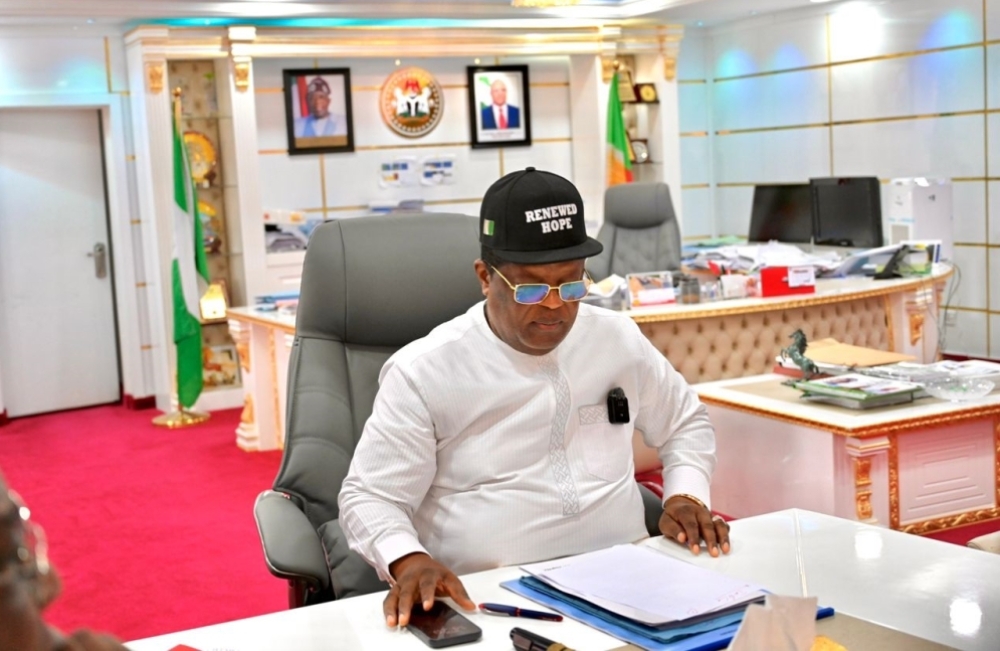
UMAHI RECEIVES NEW NLNG CEO, ANNOUNCES PRESIDENT’S APPROVAL FOR DUALISATION OF ROAD LINKING BODO-BONNY TO EAST-WEST ROAD The Minister of Works, Senator Engr. David Umahi, CON, has received the new Managing Director and Chief Executive Officer of Nigeria Liquefied Natural Gas, Adeleye Falade, at the Ministry’s headquarters in Abuja, using the occasion to announce fresh approval for a major road project in Rivers State. The meeting, held on Wednesday, focused on the completed Bodo-Bonny Road and the next phase of development that will link it to the East-West Road, an important route for movement of people and goods in the Niger Delta. Speaking during the visit, the Minister revealed that the President, HE Senator Bola Ahmed Tinubu, CON has approved the dualisation of the 8.9-kilometre road connecting Bodo-Bonny to the East-West Road. The project will be constructed with concrete and will include two flyovers, solar-powered streetlights, and modern monitoring systems. “I have listed that project for the president, he will tell me when he is ready for the commissioning and I will let you know and graciously he has also approved the 8.9km dualized and this time on concrete with two flyovers. We are working with Julius Berger since they are on site, it is more economical for us for them to continue. With the information I’m having from PPP I think the cost is about 150billion because it is a very terrible terrain, two flyovers and solar powered light, tree planting and also some rest house where we will stay and monitor the CCTV.” Umahi explained that part of the funds saved from the Bodo-Bonny Road project has already been redirected to improve the road with solar lights and tree planting. “We made some savings from the Bodo-Bonny and we directed them to use this savings to put solar light and then plant trees within that axis. So, I want to assure you that we work very closely with you and we are not going to be on that project when awarded for more then twelve months and the price will not be reviewed. So make it very clear in our agreement with you and us and them.” The Minister said the Tinubu administration is focused on building durable roads that will last for decades, while also improving safety and boosting economic activities. “I want to commend you very highly and I say that the president infrastructure revolution in Nigeria is quite unprecedented. There is no part of this country that you don’t see solid work going on and we are not talking about just road construction, he is building a road that will last between 50-100years with minimal maintenance and that is what he stands for. For the first time you see road is built, it has solar light. So that people can travel at night and it will increase commercial activity and also safety on the road. He has also directed to start mapping out our to put CCTV on our roads and have viewing points so that response them at every point in time will not be more than 10mins.” Earlier, Abdul Humaru introduced the NLNG team, saying: “We are here to introduce our new managing director and CEO and for a courtesy visit as well.” In his remarks, the NLNG boss, Adeleye Falade, thanked the Federal Government for its support, especially on the Bodo-Bonny Road, which he said is already making life easier for residents and businesses. “Just like Abdul said it is a courtesy visit but it is more than courtesy, we want to take this privilege to express gratitude particularly on Bodo Bonny road. I want to thank you for the support. The road as we have communicated is completed now, we are actually waiting for when you will give us a date for official commissioning but we know people are already using it. The road changed a lot of things about the activities on the Island. I went on the road myself from my office in Port Harcourt. It took me one and a half hours from my office to Bonny that is something that will ordinarily take us four hours.” He also expressed readiness for continued collaboration on the new road project. “We are grateful for the support. We are also grateful for the consideration of that 8.9km that leads into the East west road that enables us to maximize that particular road. We are still waiting for advice, who is going to handle that going forward. We are ready to provide support as well. So, today we have come to show gratitude for the support that we have gotten from you.” ...
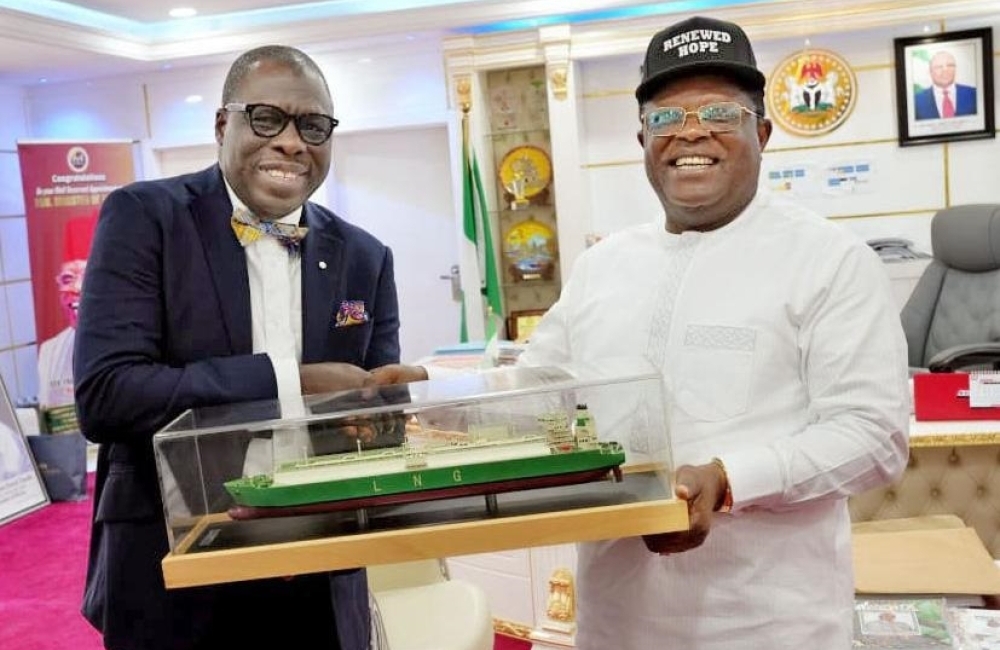
FG ADVANCES INFRASTRUCTURE DRIVE WITH APPROVAL OF NEW PPP ROAD PROJECTS, SOLAR LIGHTING, LANDSCAPING, AND ENHANCED SECURITY FEATURES The Federal Government has reaffirmed its commitment to delivering durable, innovative, and economically impactful infrastructure across Nigeria, following key approvals and policy directions aimed at accelerating national development. This was disclosed during a courtesy visit by the Management of the Nigeria Liquefied Natural Gas (NLNG) Limited to the Honourable Minister of Works on Wednesday. The Honourable Minister of Works, H. E. Sen. (Engr.) David Umahi, CON, FNSE, FNATE disclosed that the President has approved the commencement of an extension of the recently completed Bodo-Bonny Road and Bridges Project in Rivers State to be executed under a Public-Private Partnership (PPP) arrangement, with an estimated cost of about ₦150 billion. The project is expected to incorporate modern engineering solutions, including the use of concrete technology to ensure long-term durability and minimal maintenance over a lifespan of 50 to 100 years. The Minister further revealed that the project has been slated for presentation to the Federal Executive Council (FEC) for formal ratification, underscoring the administration’s commitment to due process and transparency in project execution. As part of efforts to enhance safety, aesthetics, and economic activity along the nation’s road corridors, the government has approved the installation of solar-powered street lighting and the planting of trees. These initiatives are designed to improve night-time visibility, boost security, beautify the corridor, and stimulate commercial activities across the host communities. In addition, plans are underway to deploy a Closed-Circuit Television (CCTV) surveillance system along major highways, complemented by strategically located monitoring centres. This measure is expected to significantly reduce emergency response time to under 10 minutes, thereby strengthening road safety and security management. The project design also includes the construction of rest areas/relief stations and service facilities to support effective monitoring and maintenance operations. Contractors have been directed to utilise savings from project costs to further enhance infrastructure through the provision of solar lighting and tree planting, thereby contributing to environmental sustainability. In a bid to improve logistics and reduce congestion, the government has emphasised the inclusion of truck parking yards at key locations along the project’s corridor. Engagements with host communities are ongoing to secure suitable land for these facilities, ensuring smooth implementation and community participation. The government has also set a strict project delivery timeline of not more than 12 months from the date of award, with firm provisions to prevent cost variations. This is aimed at ensuring efficiency, accountability, and value for money. Commending stakeholders involved in the project, the Honourable Minister noted that the ongoing infrastructure revolution under the current Renewed Hope Administration is unprecedented with a visible impact across all regions of the country. He emphasised that the government is not only focused on constructing roads but on delivering world-class infrastructure that supports economic growth, enhances safety, and improves the quality of life of Nigerians. The Federal Government reiterated its resolve to continue exploring innovative solutions, fostering investment, and ensuring that infrastructure development directly benefits communities nationwide. The Managing Director of NLNG, Engr. Adeleye Falade, in the company of some officials presented a model of a Compressed Natural Gas (CNG) ship to the Minister, symbolising NLNG’s commitment to innovation and the promotion of cleaner energy solutions in Nigeria’s transportation and maritime sectors. The meeting also provided an opportunity for both parties to discuss areas of mutual interest and collaboration in advancing sustainable infrastructure development. ...
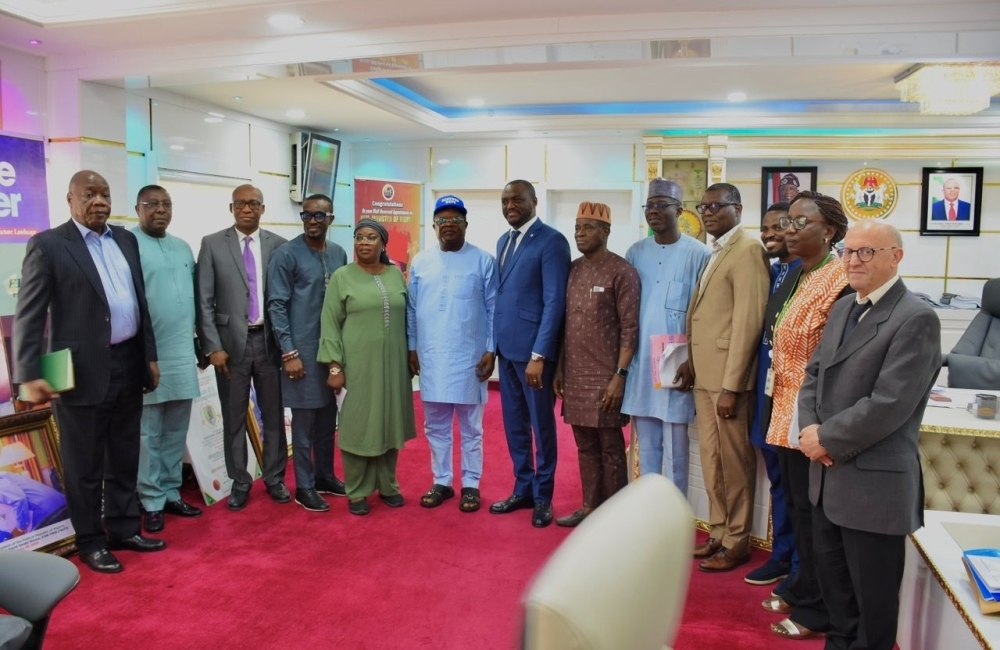
FG ASSURES ECOWAS, AfDB OF COMMITMENT TO THE REALIZATION OF THE 1,028KM LAGOS–ABIDJAN CORRIDOR PROJECT — Flags design issues, to develop a model aligned with the peculiarities of Nigerian roads The Federal Government has reaffirmed its strong commitment to the actualization of the 1028km Lagos–Abidjan Corridor, a major regional highway expected to transform trade and connectivity across West Africa. This assurance was given by the Honourable Minister of Works, Senator Engr. David Umahi, CON during a high-level meeting in his office, Mabushi, Abuja on Thursday, April 23, 2026, with delegations from the ECOWAS Commission and the African Development Bank. The team visited Nigeria in his capacity as Chairman of the Steering Committee for the project and the country’s representative at the ministerial level, to brief him on progress and resolve outstanding technical and financing issues. The project is connecting Cote D’Ivoire from Abidjan, Ghana, Togo, Benin, and Nigeria from Lagos. Speaking at the meeting, Umahi conveyed the backing of the president, Senator Bola Ahmed Tinubu, GCFR stressing that infrastructure development remains central to the administration’s agenda. “I bring greetings from His Excellency, President Bola Tinubu, who is fully committed to infrastructural development in Nigeria,” the minister said. He explained that the Lagos–Abidjan corridor, spanning about 1,028 kilometres, is being developed to match the scale and ambition of Nigeria’s ongoing Sokoto–Badagry Superhighway. According to him, the project will feature reinforced concrete pavement, three lanes on each carriageway, and modern road design standards aimed at long-term durability. Umahi used the opportunity to highlight the scale of ongoing road investments across Nigeria, linking them directly to the regional corridor vision. He noted that major sections of the Sokoto–Badagry route are already under construction, with significant financial commitments. “At the end of the corridor, which will connect with the Lagos–Abidjan route at Badagry, we have the Badagry section, one hundred and sixty-two kilometers, already awarded and ongoing,” he said. “We are also going to the Federal Executive Council for the Uyo section, one hundred and eighty kilometers, for award this week.” He emphasized that the Lagos–Abidjan project is not isolated but part of a broader network of interconnected highways, including the Lagos–Calabar Coastal Highway and several legacy routes cutting across all six geopolitical zones. “This project will drive trade across West Africa and the African coast,” Umahi stated, adding that the coastal highway alone covers 750 kilometres, with multiple sections already completed, ongoing, or nearing commissioning. Providing further updates, he said: “Section one, forty-seven point four seven kilometers in Lagos, is completed and will be commissioned in May. Section two, fifty-five kilometers, will reach the Ogun boundary and is expected to be completed by December.” He added that construction is also advancing steadily in Akwa Ibom and Cross River States, with additional sections heading to the Federal Executive Council for approval. Beyond the coastal route, the minister outlined a third legacy corridor linking Lagos to Abuja through Ebonyi, Benue, Kogi, and Nasarawa States, as well as a fourth corridor extending from Abuja through the North-Central and North-East regions. “These projects represent a major transformation not just for Nigeria but for the wider West African region,” he said. Umahi also pointed to ongoing work on critical national highways such as the Abuja–Kano road, parts of which are expected to be completed within the year, alongside projects like Sokoto–Zamfara–Kaduna–Katsina, Enugu–Onitsha, and the East–West Road. According to him, the Tinubu administration is deliberately prioritizing durability by adopting reinforced concrete technology for many of the roads. “President Bola Tinubu is delivering durable infrastructure designed to last over one hundred years,” he said. “His approach to economic reform, including subsidy removal and currency adjustments is long-term national planning, even if not fully understood by the public.” On the Lagos–Abidjan corridor itself, the minister explained that there are unresolved issues. He raised concerns about design and unequal distribution of the corridor length among participating countries. “On the engineering side, I will be direct. There are unresolved issues on the Lagos–Abidjan corridor,” Umahi stated. “The distribution of corridor length across countries is unequal and can only be resolved at the level of heads of state.” He disclosed that Nigeria’s section of the corridor is approximately 79.5 kilometres but will be executed to a higher standard than originally proposed. “I am executing mine with reinforced concrete and three lanes, not the two-lane ECOWAS design. I have also rejected aspects of the ECOWAS design due to lack of consultation and impractical elements,” he said. Umahi added that Nigeria is currently developing its own design framework, expected to be completed within two weeks, taking into account existing infrastructure and real-world conditions along the route. “We are developing our own design… It will account for existing infrastructure, obstacles along the corridor, and practical implementation realities,” he explained. He stressed that decisions on funding models must be taken at the highest political level before the project can proceed to procurement and full financing. “Once the design is finalized and approved by member states, the funding model must be agreed by heads of state… Until that is resolved, moving into procurement and financing is premature. That is my position,” he said. Despite these challenges, the minister reaffirmed Nigeria’s commitment to the project. “We remain committed to this project because it will connect Nigeria’s infrastructure to neighboring countries and deliver mutual benefits,” he said, announcing plans to host ECOWAS and technical teams for further engagement. Earlier, the ECOWAS Director of Transport, Chris Appiah, explained that the mission was part of ongoing consultations with member states. “Honorable Minister… we have had several engagements with your project focal team and your technical consultants on the Nigeria section of the highway,” he said. “We have gone through the designs, taken comments, and provided responses.” He noted that similar consultations had been held with Côte d’Ivoire, Ghana, and Togo, while engagement with Benin is scheduled to follow its recent elections. “We are here today to report to you as the Chair of the Steering Committee… and to take any final issues on the technical side,” Appiah added. On financing, the African Development Bank delegation, led by Salawou Mike Moukaila, described the project as a top priority for the bank. “As you tasked the bank to mobilize financing for the corridor, we have taken this very seriously,” Moukaila said. “Our senior management, including the president of the bank, has made this project a priority because it will enhance regional integration.” He explained that the bank is currently undertaking an “identification mission” across 25 countries to design a financing framework and kick-start an initial phase of the project. “There is strong interest from co-financiers within and outside Africa,” he noted. “They want to see the bank take the lead in financing and mobilizing its instruments.” Moukaila added that the initiative aligns with the strategic priorities of the bank’s leadership, particularly in promoting infrastructure, trade, and regional integration. He also emphasized Nigeria’s central role in the success of the corridor. “The Nigerian section is strategically important because a significant portion of trade originates from Nigeria along this corridor,” he said. In closing, the AfDB delegation commended the Nigerian government for its infrastructure drive. “On behalf of the bank, we commend President Bola Tinubu and the Minister for championing infrastructure development in Nigeria, which is critical for regional connectivity across West, Central, and East Africa,” Moukaila said. He described the Lagos–Abidjan Corridor as “a game changer” and invited the minister to share Nigeria’s experience at the upcoming Africa Transport Forum in Abidjan. ...
Oyo People Eulogise FG For Infrastructure Development
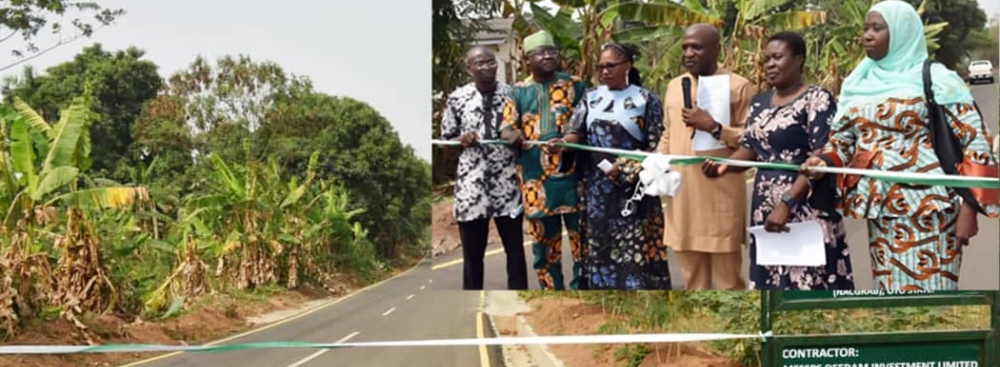
The people of Ibadan, the capital of Oyo state were full of joy and gratitude as the Federal Government commissioned and handed over a 0.75 kilometre internal road to the National Centre for Generic and Biotechnology Agency, ( NACGRAB) located at the National Cereals Research Institute Complex in Ibadan in Oyo State rehabilitated by the Federal Ministry of works and Housing.
Speaking at the occasion, the Honourable Minister of Works and Housing Mr. Babatunde Raji Fashola, SAN, represented by the Federal Controller of Works, Oyo State, Engineer Kayode Ibrahim revealed that Oyo State is benefitting tremendiously from the federal government road projects. He said, " I can testify that a number of roads have received attention, from Lagos to Ibadan and Shagamu to Ibadan roads. We are pushing to finish them before May,2023."
Fashola added that "When you go round the state you will see that work is going on in many places at a great speed." He said that the Ibadan-Ife - Ilesa road was a night mare to road users before now, adding that Iwo road to Asejire to Ife is also presently receiving massive attention .
The Minister also confirmed that the contract for the rehabilitation of Ibadan - Oyo road had been awarded and the contractors are ready to hit the ground running.
He also disclosed that "Reynolds Construction Company, (RCC) is working round the clock on the Oyo Ogbomosho road with the aim of connecting it to the highway at the end of this year." The Minister also disclosed that work is on going at the Ogbomosho road because all obstacles had been removed and funds also released.
Babatunde Fashola in the same vain said that construction work is currently on going in a session at Oke - Ogun called Okerete from Shaki which is about a hundred kilometres, this previous administration had abandoned.
He also said that Isaleadini road that was abandoned for long and Okeohun road are receiving attention while road users are currently plying them freely with ease.
The Minister said other projects implemented by the Buhari administration in Oyo State include, the school of Survey, an internal road at University College Hospital, UCH, Ibadan and Moor Plantation.
In his welcome address, the Director of The National Centre for Generic and Biotechnology,( NACGRAB) Dr. Anthony Okere who was represented by Dr. Abisoye Ojo expressed gratitude to the Federal Government for the internal road intervention project. The Director said access road to the Animal Generic Resource and Field in NACGRAB had worsened over the years due to gully erosion and transportion of farm equipments, livestock and their feeds as well as mobility of staff and guests of the Centre had been a nightmare but with the rehabilitation of the road by the Federal Ministry of Works and Housing it has become a thing of the past.
Officials of some other Federal organisations such as the National Cereal Institute, Regional Office of the Federal Ministry of Agriculture, Nigerian Institute of Animal Science with office and residential accommodation within the NCRI Complex expressed appreciation to the Federal Government for the work done.
This road network will benefit about fourteen organisations both state and federal, who are being accommodated within the complex.
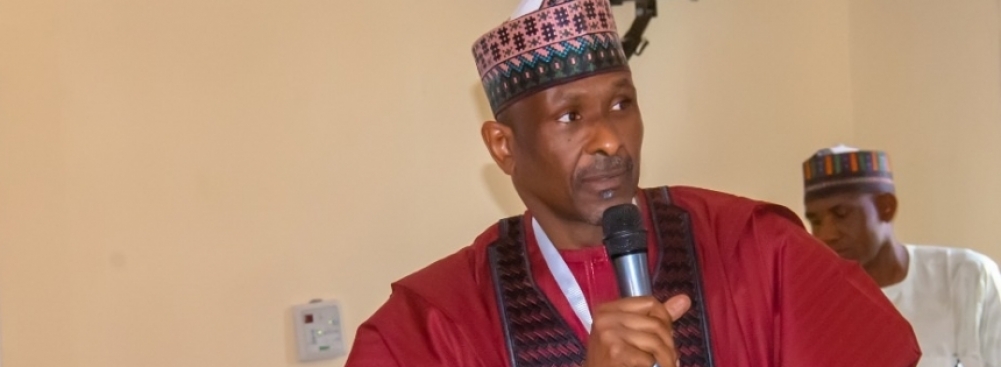
Opening Remarks By The Permanent Secretary, Federal Ministry Of Works And Housing, Bashir Nura Alkali, At The 28th National Council Meeting On Works, Holding In Kano, Kano State On Wednesday, 24th August, 2022
Protocols
The Hon Com for Works & Infrastructure Engr Idris Wada Saleh
The PS Kánó State Min for Works and Infrastructure Arc Ahmed Salisu
Permanent Secretaries here present
President NSE here represented
MD FERMA
SOGOF
Federal Controllers of Works here present
President Surveyor’sCouncil of Nigeria
Directors from the FMWH and other MDAs both state and Federal
Reps of other agencies both state and federal
Members of the Press
Ladies and gentlemen
2. I am pleased to welcome you to the 28th Meeting of the National Council on Works holding in Kano, Kano State which incidentally is also my home state. As you are aware, the theme for this year’s National Council Meeting is “Infrastructure, the Season of Completion”. The theme is apt and timely, considering the push by all governments at this point to complete and commission most of its roads and bridge projects initiated and/or inherited.
3. Accordingly In order to ensure that the target of completing and commissioning of these projects is achieved, it has become necessary for all stakeholders to consider and provide creative and contemporary ideas and policy suggestions that will support the attainment of the above target. You may recall that a few weeks ago the National Council on Housing was also held in Sokoto where far reaching decisions were taken on sustainable development in the housing sector especially with a view to the provision of social housing and other related matters.
4. I must at this juncture thank our esteemed host, the Governor of Kano State, His Excellency Dr. Abdullahi Umar Ganduje, OFR (Khadimul Islam) and the good people of Kano State for the gesture of receiving us to deliberate on this crucial theme that was carefully chosen to ensure that the massive spending of public funds by governments at all levels in Highways and other roads infrastructure to ensure smooth mobility and access is duly accounted for through completed and commissioned road infrastructure across the country. It is of special note that the Kano State Government under his able stewardship has brought tremendous developments in the road sector that are worthy of emulation.
5 The Meeting is therefore significant as it will afford stakeholders the desired opportunities to identify some of the challenges in the highways and related sectors that could militate against successful completion and commissioning of roads in the country as this Administration winds up and to discuss strategies and possible practical solutions towards addressing them.
6. We are required to have the objectives of the National Development Plan 2021 - 2025 in mind as we look at ways of ensuring that road projects are completed and commissioned in order to galvanize national growth and sustainability. I am aware that our directors and other executives in the road sector have spent the last two days discussing these issue and these should form the basis for our discussions and our recommendations for the consideration of the council. Our recommendations should focus on restoring economic growth, the ease of doing business, local content utilization, investing in our people and creating a competitive economy through the availability of good and completed road network across the country.
7. Distinguished delegates and officials, the timing of this meeting, therefore, is very auspicious as it affords us the opportunity to think through and make necessary arrangements as well as take critical steps to ensure that road infrastructure projects are completed, commissioned as well as maintained throughout their lifespan. This will also ensure that money spent on roads and bridges impacts on the Nigerian economy and the citizens positively.
8. Finally, Let me take this opportunity to thank all those other officials and experts who have made this council meeting a success especially the Hon Comm Kánó State Ministry of Works and Infrastructure, the Permanent Secretary, Directors from the FMWH and other Federal and State MDAs, Our Dev Parners, the Local Organizing Committee, the Press and Security Agencies. I thank you most sincerely.
9. On this note, I once again welcome you all and wish us fruitful deliberations.
10. Thank you
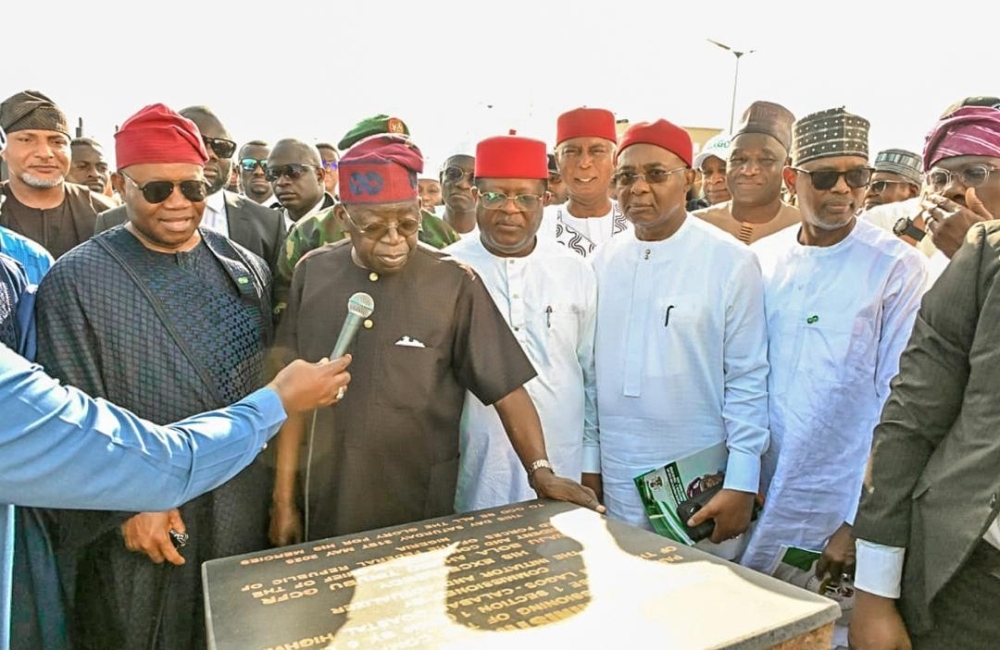
DRIVING NIGERIA’S FUTURE: CELEBRATING TWO YEARS OF TRANSFORMATIVE LEADERSHIP AND THE LAGOS-CALABAR COASTAL HIGHWAY MILESTONE
DRIVING NIGERIA’S FUTURE: CELEBRATING TWO YEARS OF TRANSFORMATIVE LEADERSHIP AND THE LAGOS-CALABAR COASTAL HIGHWAY MILESTONE
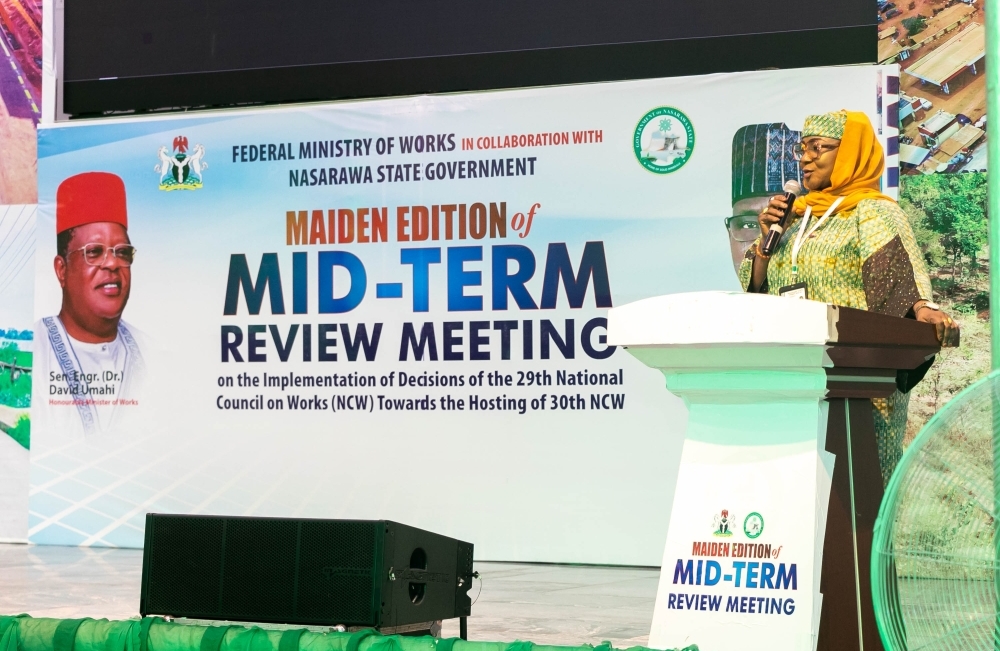
MID -TERM REVIEW MEETING ON THE IMPLIMENTATION OF THE DECISIONS REACHED AT THE 29TH NATIONAL COUNCIL ON WORKS (NCW) DAY 1
MID -TERM REVIEW MEETING ON THE IMPLIMENTATION OF THE DECISIONS REACHED AT THE 29TH NATIONAL COUNCIL ON WORKS (NCW) DAY 1